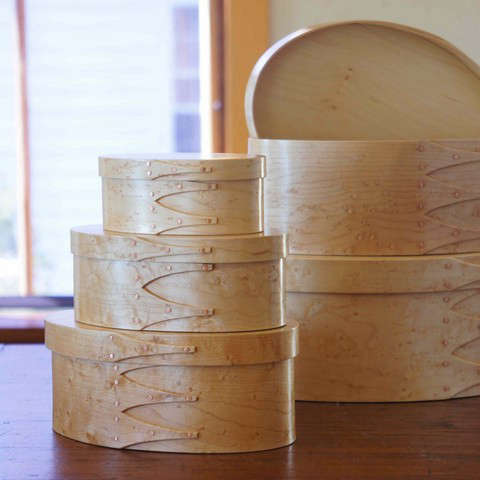

Birdseye boxes are the kind of objects that quietly steal the spotlight. They may be small enough to sit on a dresser, desk, shelf, or nightstand, but they carry the visual drama of an entire forest compressed into one elegant container. Made with birdseye maple or accented with birdseye veneer, these boxes are loved for their tiny swirling “eyes,” creamy color, shimmering figure, and collectible charm. In plain English: they are storage with better cheekbones.
Whether used as jewelry boxes, keepsake boxes, valet boxes, watch boxes, trinket boxes, writing boxes, or decorative display pieces, birdseye boxes combine function with craftsmanship. They are practical, yes, but nobody buys one because they desperately need a place to hide two cufflinks and a hotel key from 2017. People buy them because the wood looks alive. Each box has a pattern that cannot be perfectly duplicated, which makes even a modest piece feel personal.
This guide explores what birdseye boxes are, why birdseye maple is so prized, how these boxes are made, what to look for when buying one, how to style and care for them, and why they remain popular among collectors, woodworkers, interior designers, and anyone who believes a storage box should not look like it gave up on life.
What Are Birdseye Boxes?
Birdseye boxes are decorative or functional boxes made from birdseye maple or finished with birdseye maple veneer. The term “birdseye” refers to the distinctive figure in the wood: small circular or oval marks scattered across the surface, resembling tiny bird eyes. These markings are not painted, printed, or artificially stamped. They are part of the natural grain structure of the wood.
Most birdseye boxes fall into a few common categories. Jewelry boxes often include drawers, ring rolls, velvet lining, or small divided compartments. Keepsake boxes are simpler and may hold letters, heirlooms, photographs, medals, coins, or personal mementos. Valet boxes are designed for watches, wallets, keys, glasses, and everyday carry items. Decorative boxes may be more about beauty than utility, although they still do a fine job hiding clutter from judgmental visitors.
Antique birdseye boxes can include sewing boxes, dresser boxes, tea caddies, document boxes, and small chests. Contemporary versions may feature modern joinery, minimalist silhouettes, mixed woods, magnetic closures, hidden hinges, or clean satin finishes. In both old and new examples, the appeal comes from the same source: birdseye maple has a rare, luminous pattern that turns a box into a conversation piece.
Why Birdseye Maple Looks So Special
Birdseye maple is not a separate species of tree. It is a figure that appears most commonly in hard maple, especially sugar maple, though similar eye-like figure can appear in other woods. The exact cause is still debated, but wood experts often connect it to unusual growing conditions, genetic factors, or interrupted bud development. Whatever the cause, the result is a surface filled with tiny knots, curls, dots, and shimmering flecks.
That figure gives birdseye boxes their personality. Under a clear finish, the wood can look almost three-dimensional. Move the box under light and the grain seems to shift. Some eyes appear bright; others look shadowed. The best pieces have dense, even figure across the lid and sides, creating a sparkling effect that feels refined without being flashy.
Birdseye maple is also valued because it is relatively rare. Not every maple tree produces it, and woodworkers cannot simply request that a tree grow more dramatically, no matter how politely they ask. Highly figured boards and veneers command higher prices because they require careful selection, cutting, drying, and finishing. This rarity is one reason birdseye boxes are often treated as premium gifts or heirloom objects.
Solid Birdseye Maple vs. Birdseye Veneer
One of the first things buyers should understand is the difference between solid birdseye maple and birdseye veneer. A solid birdseye maple box is made from boards of figured maple. It may feel heavier, and the figure can continue through edges depending on how the wood was cut. Solid wood boxes are highly desirable, but they can be expensive and more difficult to build because figured maple can be challenging to machine cleanly.
Birdseye veneer, on the other hand, is a thin layer of real birdseye maple applied over a stable core such as plywood, hardwood, or another substrate. Veneer is not “fake wood.” In fact, many fine antique and luxury furniture pieces use veneer because it allows rare figured wood to be displayed beautifully and efficiently. Bookmatched or four-way matched birdseye veneer can create symmetrical patterns that are difficult to achieve with solid stock.
For boxes, veneer can be an excellent choice. It helps control wood movement, allows dramatic figure on lids and panels, and often creates a more refined decorative surface. A well-made veneered birdseye box should have crisp seams, smooth edges, secure adhesion, and no bubbling, lifting, or cracking. A poorly made one may look like it has been through a humid basement and a minor emotional crisis.
Popular Types of Birdseye Boxes
Birdseye Jewelry Boxes
Jewelry boxes are among the most common birdseye box styles. The pale golden maple pairs beautifully with dark woods such as walnut, wenge, ebony, mahogany, cherry, or rosewood. Designers often use birdseye maple on the lid or body and add darker splines, drawer fronts, handles, or inlay for contrast. Inside, you may find suede, velvet, felt, leather, or removable trays.
Birdseye Keepsake Boxes
Keepsake boxes are usually simpler than jewelry boxes. They may have one open compartment and a hinged or lift-off lid. Their charm lies in proportion, finish, and grain placement. A small birdseye keepsake box can hold letters, baby bracelets, military pins, family photographs, or the mysterious drawer objects everyone owns but nobody can identify.
Birdseye Watch and Valet Boxes
Watch boxes and valet boxes are popular gifts because they combine beauty with everyday usefulness. A birdseye valet box might include padded watch pillows, divided sections, a phone tray, or a ring slot. The light maple finish works well in both traditional and modern bedrooms, especially when paired with brass hardware or dark interior lining.
Antique Birdseye Boxes
Antique birdseye boxes often feature dovetail joints, brass hardware, lock plates, fitted interiors, inlay, or hand-cut veneer. Some nineteenth-century examples were made as sewing boxes, document boxes, dresser boxes, or miniature chests. Condition matters greatly. Original hardware, stable veneer, clean patina, working hinges, and intact interiors can increase desirability.
How Birdseye Boxes Are Made
Making a birdseye box requires more care than making a basic utility box. Birdseye maple is beautiful, but it can be stubborn. The same swirling figure that makes the surface attractive can cause tear-out during planing, routing, or jointing. Woodworkers often use sharp tools, light cuts, scrapers, sanding blocks, and careful grain reading to avoid damaging the surface.
Common box construction methods include mitered corners, dovetails, splined miters, finger joints, rabbet joints, and frame-and-panel lids. A simple mitered birdseye box can look sleek and modern, but reinforced miters are usually stronger. Dovetails create a traditional handmade look and are especially valued in antique or studio craft pieces. Splines made from contrasting wood add both strength and visual interest.
The lid is often the star. Woodworkers may reserve the most dramatic birdseye figure for the top panel because that is the surface people see first. In veneered boxes, the lid may be bookmatched, where two mirror-image veneer sheets meet at the center, or four-way matched, where four pieces create a symmetrical pattern. This technique gives the box a formal, furniture-grade appearance.
Finishes That Make Birdseye Maple Shine
The finish can make or break a birdseye box. A dull or cloudy finish can flatten the figure, while a well-chosen finish gives the wood depth and glow. Many woodworkers use boiled linseed oil, shellac, lacquer, varnish, or water-based polyurethane depending on the desired look and level of protection.
Oil finishes can “pop” the figure by adding warmth and contrast, making the eyes appear deeper. Shellac gives birdseye maple a classic glow and is often associated with fine furniture and antique-style finishes. Water-based finishes preserve a lighter, cleaner maple color, which is ideal for modern interiors. Lacquer can create a polished, high-end surface, though it requires proper application.
For buyers, the best finish is smooth, even, and appropriate for the box’s use. A jewelry box does not need the same abuse resistance as a kitchen table, unless your earrings regularly host wrestling tournaments. Look for a finish that enhances the grain without making the surface look plasticky, cloudy, or overly orange.
How to Choose a Quality Birdseye Box
When shopping for birdseye boxes, start with the grain. Dense, consistent eyes are generally more desirable, especially across the lid. However, beauty is subjective. Some people prefer dramatic clusters; others like subtle, scattered figure. The important thing is that the grain placement looks intentional rather than random scraps assembled during a coffee shortage.
Next, inspect the construction. Corners should meet cleanly. Hinges should open smoothly. Drawers should slide without scraping or wobbling. Lids should sit flat. If the box has veneer, check for lifting edges, bubbles, cracks, or missing chips. If the box is antique, some wear is expected, but structural damage should be evaluated carefully.
Hardware also matters. Brass hinges, locks, pulls, and escutcheons can add charm, especially on traditional pieces. On modern boxes, hidden hinges or magnetic closures may create a cleaner look. Interior lining should be neat, secure, and free of musty odors. A beautiful birdseye box with a mysterious smell is still a mysterious smell in a beautiful box.
Birdseye Boxes as Gifts
Birdseye boxes make excellent gifts because they feel thoughtful without requiring the buyer to know every detail of the recipient’s life. They work for weddings, anniversaries, graduations, retirements, birthdays, housewarmings, and wood anniversary gifts. A small keepsake box can hold a handwritten note. A jewelry box can become a daily-use heirloom. A valet box can rescue a nightstand from looking like a pocket exploded.
Personalization can make a birdseye box even more meaningful. Some makers offer engraved plates, initials, dates, custom interiors, or special woods paired with birdseye maple. For a wedding gift, a box might hold vows, rings, or photographs. For a graduation gift, it may store a watch, pen, or first business cards. For a family gift, it can become a memory box passed from one generation to the next.
Decorating With Birdseye Boxes
Birdseye boxes are easy to style because their color is neutral but not boring. The creamy maple tone works with traditional furniture, mid-century modern pieces, coastal interiors, cottage rooms, and contemporary spaces. On a dark walnut dresser, a birdseye box adds contrast. On a light oak shelf, it blends softly while still offering texture. On a glass console, it brings warmth and prevents the room from feeling like a very expensive dentist’s office.
For a polished look, place a birdseye box with a small lamp, framed photo, ceramic dish, or stack of books. In an office, use one to store fountain pens, paper clips, memory cards, or business cards. In a bedroom, use a jewelry or valet box to organize daily essentials. In a living room, a decorative birdseye box can hide remote controls, matches, coasters, or small keepsakes.
Care and Maintenance
Birdseye boxes do not require complicated care, but they do appreciate basic respect. Keep them away from direct sunlight, which can darken or fade wood over time. Avoid placing them near heating vents, fireplaces, humidifiers, or damp windowsills. Wood expands and contracts with moisture changes, and small boxes can be especially sensitive to extreme environments.
Dust with a soft dry cloth. If needed, use a slightly damp cloth and dry immediately. Avoid harsh cleaners, silicone-heavy sprays, abrasive pads, and mystery liquids from under the sink. For antique boxes, be especially cautious. Original patina is part of the value, and aggressive polishing can reduce character faster than a bad reality-show reboot.
If a hinge loosens, a veneer edge lifts, or a finish becomes cloudy, consider professional restoration rather than quick fixes. A skilled woodworker or conservator can stabilize the box while preserving its appearance. This is especially important for older pieces with original hardware, delicate veneer, or fitted interiors.
Are Birdseye Boxes Worth Collecting?
Birdseye boxes are worth collecting if you appreciate natural materials, craftsmanship, and small decorative objects with lasting appeal. They are not all expensive, but fine examples can command strong prices depending on age, maker, condition, figure quality, size, joinery, hardware, and provenance. Antique boxes with strong birdseye veneer, dovetail construction, brass accents, and original interiors can be especially desirable.
Modern artisan boxes are also collectible, particularly when made by recognized woodworkers or studios. A contemporary birdseye box may offer better interior function, cleaner joinery, and more stable construction than some antique pieces. The best approach is to buy what you love, inspect quality carefully, and choose pieces that fit your lifestyle rather than chasing trends.
Experience: Living With and Using Birdseye Boxes
The first thing you notice about a birdseye box is that people touch it. They do not always ask permission, which is mildly alarming, but understandable. The grain has a way of inviting fingertips. A smooth birdseye maple lid looks like it should feel cool, silky, and slightly magical. In practice, it often does. That tactile quality is one reason these boxes feel different from mass-produced storage pieces.
A birdseye box on a dresser quickly becomes part of a daily ritual. You drop your watch inside at night, place rings in a small tray, tuck away a handwritten note, or use it for the little items that otherwise migrate around the room like tiny household fugitives. Keys, cufflinks, collar stays, coins, tie bars, earrings, and USB drives suddenly have a respectable address. The room looks tidier, and you get to feel like the sort of person who has a “valet box” instead of a “pile.”
In an office, a birdseye box changes the mood of the desk. Plastic organizers are useful, but they rarely inspire anyone to write a thoughtful letter or sign an important document with dignity. A birdseye box can hold fountain pens, stamps, business cards, sealing wax, or spare cables. Even if the cables still tangle themselves into modern art, at least they are doing it inside a beautiful wooden object.
Gift experiences with birdseye boxes tend to be memorable because the object feels personal before anything is placed inside. The wood grain is already unique, so the recipient receives something with a built-in sense of individuality. Add a note, a date, a photograph, or a small keepsake, and the box becomes more than decor. It becomes a container for a story.
One practical lesson is that size matters. A tiny birdseye keepsake box is charming, but it may not hold much beyond rings, coins, or small notes. A medium jewelry box offers more flexibility. A larger valet or document box can become a long-term storage piece for family items. Before buying, imagine what will actually go inside. The most beautiful box in the world is less useful if it cannot hold the thing you bought it for, unless your goal is simply to admire it and whisper, “nice grain,” which is also valid.
Another experience-based tip: pay attention to lighting. Birdseye maple looks good almost anywhere, but it looks best where natural or soft lamp light can skim across the surface. Under flat overhead lighting, the figure may appear quieter. Near a window or lamp, the eyes and shimmer come alive. This is why many owners rotate the box once or twice before deciding where it belongs. It is not fussiness; it is interior design science wearing slippers.
Finally, birdseye boxes age gracefully when treated well. The maple may warm slightly over time, the finish may mellow, and small signs of use can add character. Unlike disposable organizers, a well-made birdseye box feels like something worth keeping. It can move from apartment to house, from dresser to office, from one generation to another. That is the quiet magic of these boxes: they store objects, but they also collect meaning.
Conclusion
Birdseye boxes prove that storage can be practical, beautiful, and deeply personal at the same time. Their appeal comes from a rare natural figure, careful craftsmanship, and the timeless usefulness of a well-made wooden box. Whether antique or modern, solid or veneered, simple or elaborate, a birdseye box brings warmth, texture, and individuality into everyday life.
For buyers, the key is to look beyond the shine. Study the grain, inspect the joinery, test the lid and drawers, check the finish, and choose a piece that suits both your style and your needs. A good birdseye box should feel balanced: useful enough to earn its place, beautiful enough to be noticed, and durable enough to become part of your personal history.
In a world full of plastic bins and forgettable organizers, birdseye boxes offer something better: a small, elegant place for the things that matter. And yes, they also make your dresser look like it has finally gotten its life together.