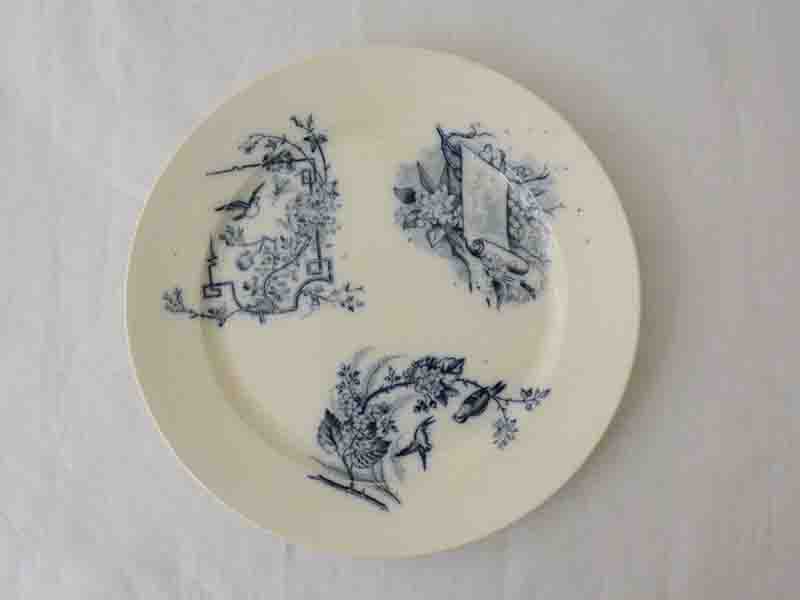

A French vintage iron plate sounds like something you might find in a charming Paris apartment, a countryside brocante, or the kitchen of someone who owns linen napkins “just because.” But here is the delightful twist: the phrase can refer to two different treasures. Some collectors use it to describe French ironstone plates, known in France as terre de fer. Others mean a true cast iron plate, such as a decorative wall plaque, fireplace plate, trivet, or architectural accent.
Either way, the appeal is easy to understand. A French vintage iron plate brings texture, history, and a whisper of old-world charm into a modern home. It can make a breakfast nook feel like a farmhouse in Provence, turn a blank wall into a collected gallery, or give open shelving that “I casually found this in France” lookeven if you found it online while wearing sweatpants.
This guide explores what French vintage iron plates are, how to identify them, why collectors love them, how to style them, and what to know before buying one. We will cover ironstone tableware, French faience, antique markings, cast iron decor, condition issues, safety concerns, and practical care tips.
What Is a French Vintage Iron Plate?
A French vintage iron plate usually falls into one of two categories: ceramic ironstone or actual cast iron. The first is more common in vintage tableware searches. French ironstone, or terre de fer, is a type of durable earthenware developed as a strong, elegant alternative to porcelain. It became especially popular in France during the 19th and early 20th centuries, appearing in dinner plates, soup plates, platters, ravier dishes, tureens, sauce boats, and dessert plates.
The second meaning refers to metal objects: cast iron decorative plates, wall plaques, hot plates, trivets, fireplace backs, door plates, or architectural pieces. These are heavier, darker, and more sculptural. They may feature relief designs such as roosters, fleurs-de-lis, castles, farm animals, heraldic emblems, vines, or classical scenes.
Both types share the same emotional vocabulary: rustic, timeworn, French, practical, beautiful, and slightly dramatic in the best possible way.
French Ironstone: The Elegant Everyday Plate
When collectors talk about a French vintage iron plate for the dining room, they often mean French ironstone plates. These pieces are beloved for their creamy white body, transferware patterns, floral borders, blue or green decoration, and sturdy feel. Unlike fragile porcelain that seems to whisper “do not touch me,” ironstone has the confident personality of tableware that has survived family dinners, Sunday lunches, and at least one dramatic discussion about inheritance.
French ironstone is commonly associated with marks such as Sarreguemines, Digoin & Sarreguemines, Gien, Creil et Montereau, St. Amand, Longwy, Salins, and Moulin des Loups Hamage. These makers produced a wide variety of plates, from simple white ironstone to ornate transferware designs with flowers, birds, landscapes, Asian-inspired scenes, and Art Nouveau curves.
Why Terre de Fer Became Popular
The French term terre de fer literally translates to “iron earth” or “ironstone.” Despite the name, these plates are not made of metal. The “iron” part suggests strength and durability. French potters were influenced by English ironstone and developed their own versions, making dinnerware that could look refined without being as expensive or delicate as high-end porcelain.
That combinationbeauty plus usefulnessis exactly why French vintage ironstone plates remain popular today. They look graceful on a wall, stacked on open shelving, or mixed into a tablescape. They also carry the soft imperfections that many collectors adore: faint crazing, small kiln marks, gentle discoloration, and the occasional tiny chip that says, “I have lived a little.”
French Faience and the Artistic Side of Vintage Plates
To understand French vintage plates, it helps to know about French faience. Faience is tin-glazed earthenware, a decorative ceramic tradition that appeared in France centuries ago and became widely admired for colorful painted surfaces. Regions such as Nevers, Rouen, Moustiers, Gien, and Sarreguemines became known for distinctive ceramic production.
While ironstone and faience are not always the same thing, they overlap in the collecting world because many French plates are earthenware, glazed, decorated, and marked by famous faienceries. A French vintage plate might be called ironstone, faience, earthenware, transferware, majolica, or terre de fer depending on material, decoration, and seller description.
For buyers, the key is not to panic over terminology. Look at the mark, body, glaze, weight, decoration, and condition. A good plate does not need a fancy label to be beautiful. Still, accurate words help when searching online, comparing prices, or explaining to your family why the kitchen wall “needed” fourteen plates.
Common Styles of French Vintage Iron Plates
1. White Ironstone Plates
Plain white French ironstone plates are the little black dress of antique tableware. They work with everything. Their creamy color, molded rims, and subtle shine make them perfect for farmhouse decor, minimalist kitchens, and romantic cottage interiors. A stack of white ironstone plates can make even instant noodles look like a lifestyle choice.
2. Blue and White Transferware
Blue transferware is one of the most recognizable styles. These plates may feature landscapes, flowers, rivers, birds, castles, village scenes, or decorative borders. The blue-and-white combination feels fresh, classic, and unmistakably French country when paired with linen, wood, and fresh herbs.
3. Green, Teal, Brown, and Red Transferware
Collectors also seek green, teal, brown, purple, and red transferware. Green and teal patterns can feel especially lively, while brown transferware has a warmer, autumnal mood. Red transferware adds charm but should be checked carefully if the plate will be used for food, because older colored glazes can raise safety questions.
4. Floral and Botanical Plates
French vintage ironstone plates often feature roses, figs, poppies, vines, wildflowers, wheat, or garden scenes. Botanical designs are popular because they fit effortlessly into French country decor, cottagecore styling, and vintage gallery walls.
5. Cast Iron Decorative Plates
True cast iron French plates are usually decorative or functional metal pieces. They may be used as wall plaques, trivets, hot plates, stove accessories, or fireplace backs. These pieces are heavier than ceramic plates and often show raised relief designs. A cast iron plate with a rooster or fleur-de-lis can bring instant chateau energy to a room, even if the room is technically a studio apartment with ambitious curtains.
How to Identify an Authentic French Vintage Iron Plate
Authenticity starts with patient observation. Turn the plate over and look for maker marks. Many French plates have stamped, printed, or impressed marks on the back. You might see the name of a factory, a pattern name, the words Terre de Fer, Opaque, Faience, France, or a town such as Gien, Sarreguemines, Digoin, or Creil Montereau.
Marks can help estimate age, but they are only part of the story. Older plates often have a slightly uneven feel, minor glaze variation, kiln specks, age-related crazing, or small manufacturing imperfections. New reproductions can be attractive, but they often feel too perfect, too glossy, or too lightweight compared with older pieces.
Check the Weight and Body
Ironstone usually feels heavier and denser than delicate porcelain. The body may be ivory, cream, gray-white, or slightly blue-white. A very bright white plate with a slick modern finish may be newer, though exceptions exist.
Inspect the Rim and Surface
Look for chips, hairline cracks, staining, repairs, and glaze loss. Crazing, the fine crackle pattern in the glaze, is common in older earthenware. Some collectors love it because it adds character. Others avoid heavy crazing if they want a cleaner look.
Study the Pattern
Many French ironstone plates were produced in named patterns. Pattern names can appear on the back or be identified by comparison. Floral borders, scenic transferware, and Art Nouveau motifs from the late 19th and early 20th centuries are especially desirable.
Is a French Vintage Iron Plate Food Safe?
This is where romance meets reality, and reality brings a clipboard. Many vintage ceramic plates were made before modern food-safety standards. Older glazes may contain lead or cadmium, especially brightly colored, damaged, imported, or decorative pieces. Cracks, crazing, chips, and worn glaze can increase the chance that substances migrate into food.
If you plan to eat from a French vintage ironstone plate, treat safety seriously. Do not assume a plate is food safe just because it looks clean. Avoid using damaged vintage plates for hot, acidic, or wet foods. Do not microwave antique tableware. When in doubt, use the plate for display only. It will still look gorgeous holding court on a shelf, and it will not argue with your tomato sauce.
For everyday meals, modern food-safe dinnerware is the safer choice. For vintage plates, many collectors reserve them for wall displays, dry foods, decorative layering, or special occasions after testing and careful inspection.
How to Decorate With French Vintage Iron Plates
The magic of a French vintage iron plate is that it does not need much help. Place one on a wall, and suddenly the room looks curated. Stack several on open shelving, and you have instant charm. Mix them with copper pans, linen towels, old cutting boards, and glass jars, and your kitchen may begin speaking with a French accent.
Create a Plate Wall
A French plate wall is one of the easiest ways to use vintage ironstone. Mix sizes and patterns, but keep a common color story. For example, combine blue-and-white plates with plain white ironstone and one or two floral pieces. Lay the arrangement on the floor first before hanging. This prevents the classic mistake of creating what looks less like a gallery wall and more like dishes fleeing the cabinet.
Style Open Shelving
Open shelves are perfect for French vintage plates. Place larger platters at the back, stack dinner plates in small groups, and add bowls, pitchers, or small framed art. Leave some breathing room. Vintage styling should look collected, not like your cupboard sneezed.
Use One Plate as a Statement Piece
A single cast iron wall plate or large ironstone platter can be enough. Hang it above a stove, fireplace mantel, entry table, or sideboard. A bold piece with relief detail adds texture, while a pale ironstone platter adds softness.
Mix Old and New
French vintage iron plates pair beautifully with modern interiors. In a clean white kitchen, they add warmth. In a rustic room, they feel natural. In a contemporary dining space, they create contrast. The trick is to repeat one elementcolor, material, or shapeso the plate looks intentional.
Buying Tips: What to Look For Before You Purchase
Before buying a French vintage iron plate, decide whether you want it for display, collecting, resale, or actual table use. Your purpose affects how much condition matters. A tiny rim chip may be acceptable for wall decor but less appealing for a dinner plate. A dramatic crack may look charming in a rustic display but reduce value.
Ask These Questions
- Is it ceramic ironstone, faience, porcelain, or cast iron?
- Does it have a maker mark or pattern name?
- Are there chips, cracks, repairs, staining, or heavy crazing?
- Is the plate sold as decorative only?
- What are the dimensions and weight?
- For sets, do all pieces match in color, pattern, and condition?
Prices vary widely. Common single French ironstone plates can be relatively affordable, while rare patterns, matched sets, early pieces, and famous makers may cost much more. Cast iron fireplace plates and architectural plaques can climb higher because of size, age, weight, and decorative detail.
How to Care for a French Vintage Iron Plate
Care depends on the material. For ceramic ironstone or faience, hand wash gently with mild soap and warm water. Avoid dishwashers, microwaves, harsh detergents, abrasive pads, and long soaking. Dry thoroughly before storing. If a plate has crazing or cracks, do not soak it because moisture can seep into the body and worsen staining.
For cast iron plates, keep moisture under control. Dust with a soft cloth or brush. If the piece is rusty, avoid aggressive scrubbing unless you know what you are doing, because original patina can be part of the value. For decorative pieces, a light protective wax may be appropriate, but test carefully and avoid altering painted or enameled finishes.
When hanging plates, use sturdy hardware. Ceramic plates can use plate hangers or adhesive disc hangers designed for the weight. Cast iron plates require stronger anchors. Gravity has no respect for antiques, and a falling cast iron plaque is not a charming French moment.
Why Collectors Love French Vintage Iron Plates
Collectors are drawn to French vintage iron plates because they combine history, beauty, and usability. They are decorative without feeling fussy. They can be humble or grand, plain or patterned, soft or sculptural. A single plate can represent a factory, a region, a design movement, or a household tradition.
There is also the thrill of the hunt. Finding a Sarreguemines plate with a lovely transfer pattern or a Gien platter with just the right patina feels personal. It is not like buying a mass-produced object. It feels discovered. That emotional connection is a big part of why vintage French tableware keeps trending in farmhouse, cottagecore, French country, and eclectic interiors.
Specific Examples of French Vintage Iron Plate Uses
Imagine a set of blue transferware dinner plates by Digoin & Sarreguemines displayed above a breakfast banquette. The pattern adds color without overwhelming the room. Below, a wood table, linen cushions, and a vase of wildflowers complete the French country mood.
Now picture a large white ironstone platter on a kitchen shelf behind a row of glass jars. It adds height and softness. The creamy glaze contrasts with the wood shelf and makes the whole arrangement feel collected rather than decorated in one afternoon.
For a more rustic look, a cast iron French wall plate with a rooster relief can hang near a fireplace or outdoor kitchen. The dark metal adds weight and texture. It is less delicate than ceramic and gives the space a farmhouse or chateau-inspired feeling.
Experience Notes: Living With a French Vintage Iron Plate
The first thing you notice when handling a French vintage iron plate is the weight. It feels solid in a way modern plates often do not. A ceramic terre de fer plate has a reassuring density, almost as if it has been quietly practicing patience for a hundred years. A cast iron plate, meanwhile, does not merely sit in your hands; it announces itself. You do not casually pick up cast iron. You negotiate with it.
One of the best experiences is building a small collection slowly. Start with one plate that speaks to you. Maybe it is a blue-and-white transferware soup plate with a floral border. Maybe it is a plain white ironstone dinner plate with a scalloped rim. Maybe it is a cast iron trivet shaped like something delightfully unnecessary. Put it somewhere visible for a week. If you still pause to admire it while making coffee, congratulationsyou have caught the vintage plate bug. There is no known cure, only more shelves.
Styling these plates is surprisingly forgiving. A single French vintage ironstone plate can lean behind a stack of books, sit on a plate stand, or hang in a small entryway. It works with fresh flowers, dried lavender, copper cookware, stoneware crocks, and old wooden boards. The plate does not demand perfection. In fact, it usually looks better when the surrounding space feels relaxed. A little linen wrinkle? Excellent. A slightly crooked herb pot? Very French. A cat walking through the photo? Honestly, probably an upgrade.
The most satisfying displays often combine contrast. Try a creamy ironstone plate against a dark cabinet, or a dark cast iron plate against a pale plaster wall. Pair patterned plates with simple ones so the eye has somewhere to rest. If every plate is shouting, the wall becomes a dinnerware argument. Let one or two pieces be the stars and allow the rest to hum backup vocals.
There is also joy in researching marks. Turning over a plate and finding “Sarreguemines,” “Gien,” or “Terre de Fer” can feel like discovering a tiny passport stamp. The mark gives the object a place, a maker, and a story. Sometimes the research is straightforward. Sometimes it sends you into a delightful rabbit hole of factory histories, pattern names, and production dates. This is part of the fun. A French vintage iron plate is not just decor; it is a conversation starter that politely waits until someone asks, “Where did you find that?”
For everyday life, the best approach is practical romance. Enjoy the beauty, but respect the age. Use questionable vintage plates as decor rather than dinnerware. Hand wash gently. Hang securely. Do not expect antique surfaces to behave like modern dishwasher-safe ceramics. These pieces have survived decades because someone cared for them. Your job is to continue the courtesy.
In the end, living with French vintage iron plates is about atmosphere. They make a home feel layered, personal, and a little storied. They remind us that useful objects can be beautiful, and beautiful objects do not have to be perfect. A tiny chip, a softened glaze, or a worn metal edge can be part of the charm. After all, flawless things are nice, but timeworn things know better stories.
Conclusion
A French Vintage Iron Plate is more than a decorative object. Whether it is a creamy terre de fer ironstone dinner plate, a floral French faience piece, a blue transferware soup plate, or a heavy cast iron wall plaque, it brings character that new decor often tries very hard to imitate.
The best pieces combine age, craftsmanship, patina, and personality. Look for maker marks, study condition, understand material, and decide whether the plate is best for display or safe use. When styled thoughtfully, French vintage iron plates can transform shelves, walls, kitchens, dining rooms, and entryways with quiet elegance.
Most importantly, choose pieces you genuinely love. Collecting vintage is not about creating a museum where everyone whispers. It is about bringing history into daily lifepreferably with good lighting, sturdy hooks, and enough shelf space for the next irresistible find.