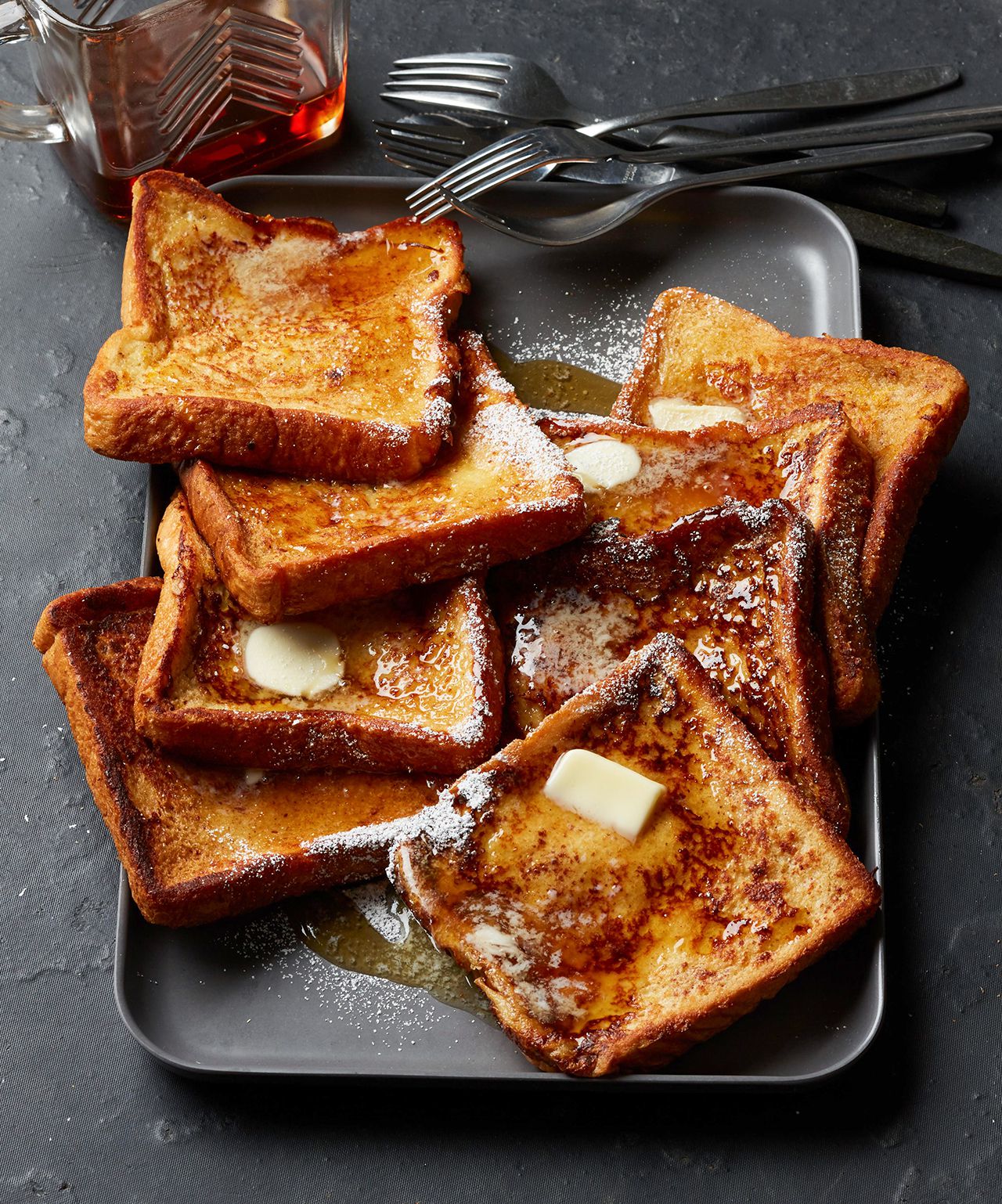

French toast sounds simple until breakfast turns into a small kitchen drama: the bread collapses, the middle tastes like sweet scrambled eggs, and the outside browns before the inside has even considered cooking. At that point, someone usually asks the million-dollar brunch question: should you toast the bread before making French toast?
The short answer is: sometimes, yesbut lightly. The goal is not to make toast and then French toast. That would be breakfast wearing two hats. The real goal is to dry the bread just enough so it can absorb the custard without turning into a soggy sponge with syrup ambitions.
Traditional French toast works best with stale or slightly dry bread. If your bread is already a day or two old, you may not need to toast it at all. But if you are using soft, fresh bread, a quick trip through the toaster or a low oven can make a big difference. Think of it as giving your bread a little backbone before it dives into the egg-and-milk pool.
The Big Idea: French Toast Needs Dry Bread, Not Burnt Bread
The most important thing to understand is the difference between drying bread and toasting bread. Drying removes moisture. Toasting browns the surface. For French toast, drying is the hero. Browning is optional, and too much of it can actually get in the way.
French toast is made by soaking bread in a custard mixture, usually eggs, milk or cream, sugar, vanilla, cinnamon, and sometimes a pinch of salt or nutmeg. The bread must absorb enough of that mixture to become creamy inside, but not so much that it falls apart. Dry bread is better at this balancing act because it has room to take in liquid while still holding its shape.
Fresh bread, especially soft sandwich bread, brioche, or fluffy challah, already contains plenty of moisture. When it hits the custard, it can become too wet too quickly. That is how you end up with French toast that looks golden on the outside but feels damp, heavy, or mushy in the center. Nobody wakes up hoping for bread pudding in disguise unless bread pudding was actually the plan.
So, Should You Toast the Bread First?
Yes, you should lightly toast or dry the bread first if the bread is fresh, very soft, thin, or likely to fall apart. But if your bread is already stale, sturdy, or cut thick, you can usually skip the toaster and go straight to soaking.
The best approach is not a hard “always” or “never.” It depends on your bread. French toast is forgiving, but it does have opinions.
Toast the Bread First If:
- You are using fresh sandwich bread.
- Your brioche or challah is very soft and fluffy.
- The slices are thin and bend easily.
- You want a firmer, less custardy center.
- You are making French toast for kids and want slices that are easier to pick up.
- You are preparing baked French toast or French toast casserole and need the bread to hold its shape.
Do Not Toast the Bread First If:
- Your bread is already stale or a day or two old.
- You are using thick-cut sourdough, French bread, or baguette.
- You want a soft, custardy center.
- The bread already feels dry to the touch.
- You are using very crusty bread that could become too tough.
Why Lightly Toasting Bread Can Improve French Toast
Lightly toasting or oven-drying bread helps French toast in three practical ways: it improves absorption, strengthens texture, and helps the finished slices brown more evenly.
1. It Helps the Bread Absorb Custard Without Falling Apart
Dry bread acts like a controlled sponge. It soaks in the egg mixture, but it does not instantly turn limp. This is especially useful when working with soft breads like brioche, challah, milk bread, or Texas toast. These breads are delicious because they are tender, rich, and slightly sweet, but that softness can become a problem when they are too fresh.
A light toast removes surface moisture and firms the crumb. That gives the bread enough structure to take in the custard without shredding when you lift it from the bowl. If you have ever tried to move a soaked slice of fresh white bread and watched it fold like a sad napkin, this is the fix.
2. It Reduces the Risk of Soggy French Toast
Soggy French toast usually comes from one of four issues: bread that is too fresh, custard that has too much milk, soaking for too long, or cooking over heat that is too high. Toasting the bread helps with the first problem. It gives the custard somewhere to go without flooding the slice.
That said, toasting is not magic. If you soak thin bread for five minutes and then cook it over screaming-hot heat, it may still turn out disappointing. French toast likes patience. It wants medium to medium-low heat, enough butter to brown, and enough time for the egg mixture inside to set.
3. It Creates Better Contrast
The dream French toast texture is crisp at the edges, golden on the surface, and tender in the middle. Lightly dried bread helps create that contrast. The outside cooks into a delicate crust while the inside stays soft instead of wet.
Pre-toasted bread also works well if you prefer French toast with a firmer bite. Some people love the classic custardy style, while others want something closer to a crisp-edged breakfast toast with a creamy center. Neither side is wrong. Brunch is not a courtroom.
The Best Way to Toast Bread Before French Toast
The best method is to dry the bread gently, not toast it until dark brown. You want the slices slightly firm and dry on the surface, with little to no visible browning.
Method 1: Low Oven Drying
This is the most reliable method, especially if you are making several servings.
- Preheat the oven to 250°F.
- Place bread slices in a single layer on a wire rack set over a baking sheet.
- Bake for 10 to 15 minutes, flipping once halfway through.
- Remove when the bread feels dry on the outside but is not deeply browned.
- Let it cool for a few minutes before dipping into custard.
This technique is ideal for brioche, challah, Texas toast, sourdough, French bread, and thick sandwich bread. It gives you even drying without creating a hard, crunchy shell.
Method 2: Light Toaster Toasting
If you are cooking for one or two people, the toaster is convenient. Use the lowest or second-lowest setting. The bread should come out pale, warm, and slightly firmnot golden brown like your usual butter-and-jam toast.
If your toaster runs hot, toast only once and keep an eye on the slices. A dark crust can block custard absorption and make the final French toast taste slightly bitter, especially after it cooks again in butter.
Method 3: Air-Drying Overnight
The old-school method still works beautifully. Place bread slices on a rack or baking sheet and leave them uncovered for several hours or overnight. This is especially helpful for weekend brunch because the “prep work” happens while you sleep. Very civilized.
Air-drying is best for sturdy breads and thicker slices. If your kitchen is humid, the oven method may be more reliable.
How Toasted Is Too Toasted?
If the bread is crunchy enough to eat as toast, it may be too toasted for classic French toast. The custard needs to penetrate the slice. A fully browned, crisp surface can act like a raincoat, keeping the egg mixture mostly on the outside. Then the finished French toast may taste dry in the middle and eggy on the surface.
The sweet spot is dry, not brittle. The bread should feel slightly leathery or firm, but not like a crouton. If you tap it and it sounds like a tiny wooden plank, you may have gone too far.
Best Bread for French Toast
The best bread for French toast is sturdy enough to soak up custard and rich enough to taste good after cooking. Thickness matters, too. Slices between 3/4 inch and 1 inch are usually ideal because they allow a creamy center without falling apart.
Brioche
Brioche is rich, buttery, and slightly sweet. It makes luxurious French toast with a soft, dessert-like texture. Because brioche is tender, it benefits from being slightly stale or lightly dried before soaking.
Challah
Challah is another excellent choice. It is egg-rich, soft, and sturdy enough for custard. Day-old challah makes especially good French toast because it absorbs flavor while keeping a plush interior.
French Bread or Baguette
French bread and baguette are great for people who like a chewier bite. They are also excellent for baked French toast. Since they are firmer, they can handle a longer soak than soft sandwich bread.
Sourdough
Sourdough brings tangy flavor that balances maple syrup, powdered sugar, and fruit toppings. It is usually sturdy enough to skip pre-toasting if it is already a day old.
Texas Toast
Thick-cut Texas toast is easy to find and works well for classic diner-style French toast. If it is fresh and soft, dry it lightly first for better texture.
How Long Should You Soak the Bread?
Soaking time depends on the bread. Thin sandwich bread may need only a quick dip of a few seconds per side. Thick brioche or challah may need 20 to 30 seconds per side. Dense sourdough or baguette can often handle longer.
The bread should feel saturated but not collapsing. A good test is to lift the slice with a spatula or your fingers. If it bends slightly but holds together, you are in good shape. If it tears before reaching the pan, the bread is over-soaked or too soft.
The Right Custard Ratio Matters, Too
Even perfectly dried bread can fail if the custard is too watery. A reliable basic mixture is:
- 3 large eggs
- 3/4 cup whole milk or half-and-half
- 1 tablespoon sugar
- 1 teaspoon vanilla extract
- 1/2 teaspoon cinnamon
- A pinch of salt
For richer French toast, use half-and-half or a splash of cream. For a lighter version, use milk. Avoid using too much milk compared with eggs, because the eggs help the custard set as the bread cooks. Too much liquid and not enough egg can leave the center loose instead of creamy.
How to Cook French Toast After Toasting the Bread
Once your bread is lightly dried and soaked, cooking is where the magic happens. Use a nonstick skillet, cast-iron pan, or griddle over medium to medium-low heat. Add butter, or use a mix of butter and neutral oil so the butter flavor stays rich without burning too fast.
Cook each slice for about 2 to 4 minutes per side, depending on thickness. The outside should be golden brown, and the center should feel set when gently pressed. If the outside browns too quickly, lower the heat. French toast should sizzle politely, not scream for help.
If you are cooking for a group, place finished slices on a wire rack set over a baking sheet in a 200°F to 250°F oven. This keeps them warm and helps preserve the edges better than stacking them on a plate, where steam can make them soft.
Common Mistakes to Avoid
Mistake 1: Using Bread That Is Too Fresh
Fresh bread can work, but it often needs help. Lightly toast or oven-dry it first, especially if it is soft or thin.
Mistake 2: Toasting the Bread Too Dark
Deeply toasted bread may resist the custard and taste overcooked after pan-frying. Pale and dry is better than brown and crunchy.
Mistake 3: Oversoaking
A long soak is good for thick, sturdy bread. It is dangerous for thin slices. Match soaking time to bread type.
Mistake 4: Cooking Over High Heat
High heat burns the outside before the custard sets inside. Medium or medium-low heat produces better French toast.
Mistake 5: Skipping Salt
A pinch of salt makes the vanilla, cinnamon, butter, and maple syrup taste brighter. It does not make French toast salty; it makes it taste more like itself.
Classic vs. Pre-Toasted French Toast: Which Is Better?
Classic French toast made with stale bread tends to be softer, more custardy, and closer to the traditional style. Pre-toasted French toast is usually firmer, neater, and less likely to turn soggy. The better choice depends on what you want on the plate.
If you love a creamy center, use thick slices of day-old brioche or challah and skip heavy toasting. If you want French toast that holds together beautifully and has more bite, lightly toast fresh bread before dipping. If you are making breakfast for a crowd, oven-drying the bread is the safest move because it gives consistent results across every slice.
Practical Examples
Example 1: Fresh Brioche
Fresh brioche is rich and delicious, but it can be fragile. Dry it in a 250°F oven for 10 minutes, soak briefly, then cook over medium-low heat. The result is golden, buttery French toast with a soft but not soggy center.
Example 2: Day-Old Challah
Day-old challah usually does not need toasting. Slice it thick, soak for 20 to 30 seconds per side, and cook slowly. It will absorb the custard while keeping its structure.
Example 3: Thin Sandwich Bread
Thin sandwich bread is the risky one. Toast it lightly first, dip quickly, and cook immediately. Do not let it lounge in the custard like it is at a spa.
Example 4: Stale Baguette
A stale baguette can handle a longer soak. Cut it into thick diagonal slices and let it absorb enough custard to soften the interior. This style is excellent with berries, powdered sugar, or warm maple syrup.
Extra Kitchen Experience: What Actually Happens When You Try It Both Ways
After making French toast both ways many times, the pattern becomes clear: pre-toasting is most helpful when the bread is not ideal. When the bread is already slightly stale, thick, and sturdy, the difference is smaller. But when the bread is fresh and soft, the difference can be dramatic.
With fresh sandwich bread, the untoasted version often absorbs custard too quickly. It becomes heavy before it even reaches the pan. You can still cook it, but flipping becomes delicate work, like moving a sleepy pancake made of wet paper. The finished slice may brown nicely, but the inside can taste flat and damp. Lightly toasted sandwich bread behaves much better. It dips cleanly, moves easily, and cooks into a slice that feels more intentional.
With brioche, the experience is slightly different. Fresh brioche makes French toast that is rich but sometimes too soft. If the slice is thick, the center may stay custardy in a good way. If the slice is thin, it can become almost pudding-like. A short oven-dry gives brioche just enough structure while keeping its buttery personality intact. Toast it too dark, however, and the charm disappears. The surface gets too crisp, and the custard does not soak in as gracefully.
Challah is the most forgiving. Even when fresh, it usually holds together better than sandwich bread. Day-old challah is nearly perfect for French toast. It absorbs the custard evenly, keeps a soft middle, and browns beautifully. If challah is fresh from the bakery, a quick 10-minute dry in the oven helps, but it does not need aggressive toasting.
Sourdough creates the most grown-up version. Its tangy flavor balances sweet toppings, and the bread has enough chew to stay interesting. If the sourdough is already a little dry, toasting first can make it too firm. In that case, skip the toaster and give it a slightly longer soak. The result is French toast with character, not just sweetness.
One useful habit is to touch the bread before deciding. If it feels moist, fluffy, or bendy, dry it first. If it feels firm, slightly leathery, or a little stale, leave it alone. This simple bread check works better than following a rule blindly.
Another lesson: the pan matters. Even pre-toasted bread can disappoint if the heat is too high. French toast needs time for the custard to set. Medium-low heat may feel slow, especially when coffee has not yet entered your bloodstream, but it produces better texture. The outside gets golden, the inside cooks through, and the butter has time to do its delicious little job.
The final experience-based verdict is this: lightly toasting fresh bread is a smart shortcut, but stale bread is still the gold standard. If you plan ahead, buy or slice the bread the day before. If you did not plan ahead, a low oven is your brunch safety net. Either way, the best French toast starts before the bread ever hits the custard.
Final Verdict: Should You Toast the Bread Before Making French Toast?
You should toast the bread before making French toast only when the bread needs drying. Fresh, soft bread benefits from light toasting or oven-drying because it absorbs custard more evenly and holds its shape better. Stale or day-old bread usually does not need toasting because it is already dry enough to do the job.
The best French toast is not about following a viral trick or obeying a brunch rule carved into a maple tree. It is about reading the bread. Soft and fresh? Dry it first. Stale and sturdy? Dip and cook. Darkly toasted and crunchy? Save it for avocado toast.
For most home cooks, the winning method is simple: use thick slices of brioche, challah, sourdough, French bread, or Texas toast; dry fresh bread lightly in a low oven; soak it just long enough; and cook it slowly in butter until golden. Do that, and your French toast will be crisp at the edges, tender in the middle, and worthy of the good maple syrup.