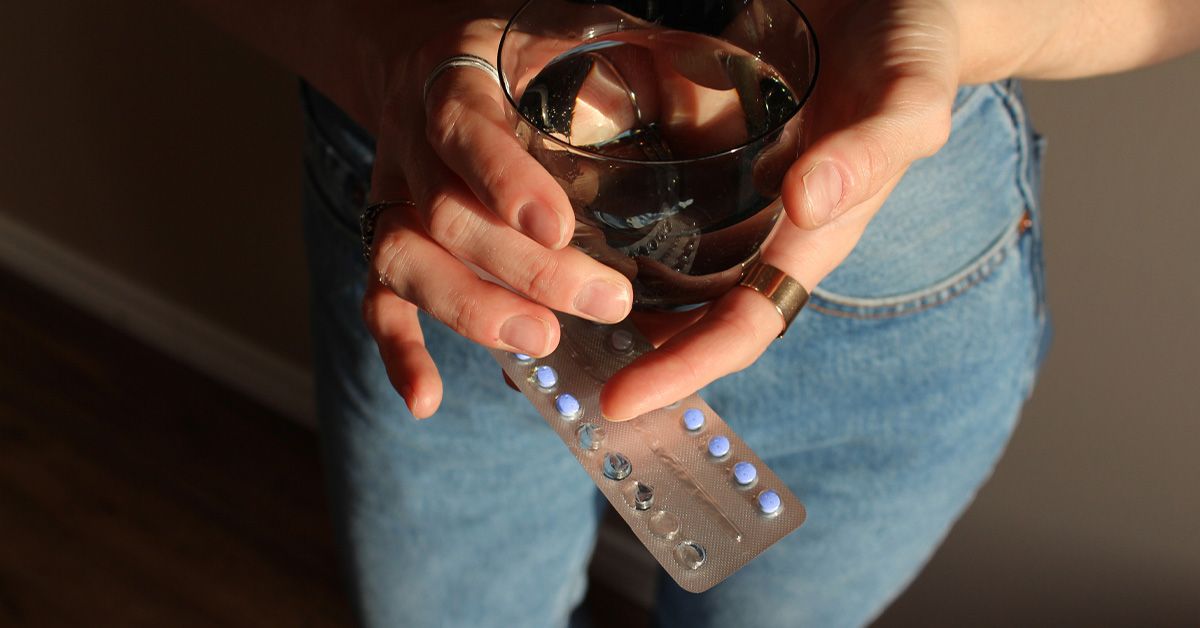

Low-dose birth control sounds like the diet soda of contraception: fewer hormones, same basic job, and a lot of people wondering whether it actually works. The short answer is yeswhen used correctly, low-dose birth control pills can be highly effective at preventing pregnancy. The longer, more useful answer is that “low-dose” does not mean “low responsibility.” These pills still need to be taken consistently, chosen carefully, and matched to your health history like a pair of jeans that should not betray you after lunch.
Today’s birth control pills generally contain much lower hormone levels than the earliest oral contraceptives. Many low-dose combination pills contain 35 micrograms or less of estrogen, often 20 to 30 micrograms, paired with a progestin. Some “ultra-low-dose” pills contain even less estrogen. There are also low-dose progestin-only pills, sometimes called mini-pills, which contain no estrogen at all.
This guide explains how low-dose birth control works, how effective it is, who may benefit from it, what side effects to expect, and which risks deserve a real conversation with a healthcare professionalnot a late-night panic-scroll through internet forums.
What Is Low-dose Birth Control?
Low-dose birth control usually refers to hormonal contraceptive pills that contain a smaller amount of synthetic hormones than older formulations. The most common type is the low-dose combination pill, which contains both estrogen and progestin. The estrogen is usually ethinyl estradiol, while the progestin may be levonorgestrel, norethindrone, drospirenone, desogestrel, norgestimate, or another related hormone.
The second category is the progestin-only pill. This option is often recommended for people who should avoid estrogen, such as those with certain migraine patterns, a history of blood clots, or specific cardiovascular risk factors. In the United States, one progestin-only pill, norgestrel 0.075 mg, is available over the counter, making daily oral contraception easier to access for many people.
Low-dose vs. regular-dose birth control
Older birth control pills contained much higher estrogen levels than most pills used today. Modern low-dose pills were developed to maintain strong pregnancy prevention while reducing estrogen-related side effects such as nausea, breast tenderness, bloating, and headaches. However, lower estrogen can also mean more spotting or breakthrough bleeding, especially during the first few months.
In simple terms: low-dose birth control is not “weaker” birth control. It is a more refined hormonal recipe. Like swapping a megaphone for a microphone, the message still gets deliveredjust with less hormonal shouting.
How Low-dose Birth Control Works
Low-dose birth control prevents pregnancy in several coordinated ways. Combination pills primarily stop ovulation, meaning the ovaries do not release an egg. No egg, no fertilizationbiology’s version of “the meeting has been canceled.”
These pills also thicken cervical mucus, making it harder for sperm to move through the cervix. In addition, they thin the uterine lining, which makes the uterus less receptive to implantation. Progestin-only pills may not suppress ovulation as consistently in every user, depending on the formulation, but they strongly thicken cervical mucus and may also affect ovulation and the uterine lining.
How Effective Is Low-dose Birth Control?
When taken perfectly, birth control pills are more than 99% effective. That means fewer than 1 out of 100 users would become pregnant in a year with perfect use. But perfect use requires taking the pill exactly as directed every single day. Humans, unfortunately, are not calendar apps with legs. People forget pills, travel across time zones, get stomach bugs, lose packs, or silence phone alarms with Olympic-level confidence.
With typical use, birth control pills are about 93% effective. In real life, about 7 out of 100 users may become pregnant in a year. This applies broadly to oral contraceptive pills, including low-dose versions. The hormone dose matters, but consistency matters more.
What makes low-dose birth control less effective?
Several common situations can reduce effectiveness:
- Missing pills or taking them late
- Starting a pack late
- Vomiting or severe diarrhea soon after taking a pill
- Taking certain medications that speed up hormone breakdown
- Using St. John’s wort, an herbal supplement that may interfere with hormonal contraception
- Not following the instructions for backup contraception after missed pills
Some medications can reduce the effectiveness of hormonal birth control, especially certain anti-seizure medications, rifampin or rifabutin antibiotics, some antiretroviral drugs, and some enzyme-inducing supplements. Most common antibiotics do not reduce pill effectiveness, but it is always smart to ask a pharmacist or clinician when starting a new medication.
Benefits of Low-dose Birth Control
Low-dose birth control is used for pregnancy prevention, but that is not its only benefit. Many people use it to make periods more predictable, lighter, and less painful. For anyone whose uterus behaves like it has a personal grudge, this can be life-changing.
Potential health and lifestyle benefits
- Lighter periods: Many users experience reduced menstrual bleeding, which may help lower the risk of iron-deficiency anemia.
- Less cramping: Hormonal contraception can reduce prostaglandin-driven cramps.
- More predictable cycles: Combination pills can make bleeding easier to schedule or, with extended-cycle use, less frequent.
- Acne improvement: Some combination pills can help reduce hormonal acne.
- Help with endometriosis or heavy bleeding: Some users take pills continuously to reduce painful or heavy periods.
- Lower risk of certain cancers: Combination oral contraceptives are associated with reduced risk of ovarian and endometrial cancers, and some evidence suggests reduced colorectal cancer risk.
These benefits vary from person to person. One person may feel like they finally found the “mute” button for their cramps, while another may spend three months negotiating with spotting. Both experiences can be normal.
Common Side Effects of Low-dose Birth Control
Most side effects of low-dose birth control are mild and often improve after two to three months. The body may need time to adjust to a new hormone pattern. Think of it as your endocrine system reading the new employee handbook.
Breakthrough bleeding and spotting
Spotting between periods is one of the most common side effects, especially with low-dose and ultra-low-dose pills. It can be annoying, inconvenient, and deeply rude when you are wearing white pants, but it is usually not dangerous. Spotting often improves after a few cycles. If bleeding is heavy, persistent, or appears after months of stable use, it is worth checking in with a healthcare provider.
Nausea, breast tenderness, and bloating
Estrogen can cause nausea, sore breasts, and bloating, especially at the beginning. Taking the pill with food or at bedtime may help. Lower-dose pills may reduce these symptoms for some users, although they do not eliminate the possibility entirely.
Headaches and mood changes
Some users notice headaches, mood shifts, irritability, or changes in libido. For others, hormonal steadiness improves PMS symptoms and mood swings. The difference often depends on the individual, the hormone formulation, and whether symptoms existed before starting the pill.
New or severe headaches, headaches with vision changes, or migraine with aura require medical attention. Estrogen-containing birth control may not be appropriate for people with migraine with aura because of stroke risk.
Changes in periods
Periods may become lighter, shorter, irregular, or absent. Missing a withdrawal bleed while taking pills correctly can happen, especially with continuous or extended-cycle use. However, if pills were missed or pregnancy symptoms appear, taking a pregnancy test is a sensible movenot an overreaction.
Does low-dose birth control cause weight gain?
Many people worry about weight gain. Research does not show major weight gain as a consistent effect of birth control pills for most users. Some people may notice temporary bloating or fluid retention. Appetite, lifestyle, stress, aging, and medical conditions can also affect weight, which makes blaming the pill for everything a little too convenienttempting, but not always accurate.
Risks of Low-dose Birth Control
Low-dose birth control is safe for many people, but it is not risk-free. The main serious risks are linked mostly to estrogen-containing pills. Lower estrogen may reduce some side effects, but it does not remove all estrogen-related risk.
Blood clots
Combination pills slightly increase the risk of blood clots in the legs or lungs. The absolute risk is still low for most healthy users, but it becomes more important for people with a personal history of clots, certain inherited clotting disorders, major surgery with immobilization, smoking after age 35, or other cardiovascular risk factors.
Warning signs include leg swelling or pain, sudden chest pain, shortness of breath, coughing blood, severe headache, vision changes, or sudden weakness on one side of the body. These symptoms need urgent medical care.
High blood pressure, stroke, and heart attack
Estrogen-containing birth control can raise blood pressure in some users. People with uncontrolled hypertension, a history of stroke, certain heart conditions, or multiple cardiovascular risk factors may need a non-estrogen method instead.
Migraine with aura
Migraine with aura is a key red flag for combination pills. Aura may include visual flashes, blind spots, tingling, speech trouble, or other neurologic symptoms before or during a migraine. Because estrogen can further increase stroke risk in this group, progestin-only or nonhormonal options are often preferred.
Breast cancer and liver disease considerations
People with current breast cancer generally should not use hormonal contraception unless specifically advised by a specialist. Certain liver tumors, severe liver disease, or unexplained vaginal bleeding also require medical evaluation before starting hormonal pills.
Who May Be a Good Candidate?
Low-dose birth control may be a good fit for someone who wants a reversible, daily method and can reliably take a pill. It may be especially appealing for people who had estrogen-related side effects on higher-dose pills but still want the cycle control benefits of combination contraception.
It may also work well for people who want lighter periods, fewer cramps, or acne improvement. A low-dose combination pill can be convenient, affordable, and easy to stop when pregnancy is desired.
Who Should Consider Other Options?
Low-dose combination pills may not be the safest choice for everyone. A healthcare provider may recommend a progestin-only pill, hormonal IUD, copper IUD, implant, shot, condoms, or another method if you:
- Smoke and are 35 or older
- Have migraine with aura
- Have a history of blood clots, stroke, or heart attack
- Have uncontrolled high blood pressure
- Have certain liver diseases
- Have current breast cancer
- Take medications that interfere with hormonal contraception
- Prefer not to remember a daily pill
If daily timing sounds unrealistic, that is not a moral failure. It just means a “set it and forget it” method, such as an IUD or implant, may fit your life better. Birth control should work with your routine, not require you to become a completely different person with a color-coded planner and a suspiciously perfect morning routine.
Low-dose Combination Pills vs. Progestin-only Pills
Low-dose combination pills contain estrogen and progestin. They tend to provide better cycle predictability and may help acne, cramps, and menstrual regulation. However, they carry estrogen-related risks, including blood clots and blood pressure concerns.
Progestin-only pills do not contain estrogen, so they may be safer for people who cannot use estrogen. Traditional progestin-only pills often require stricter timing. Some must be taken within the same three-hour window every day, while newer formulations may allow more flexibility. Irregular bleeding is more common with progestin-only pills, especially at first.
How to Use Low-dose Birth Control Correctly
The best birth control pill is the one you can actually take correctly. Consistency is the glamorous secret. Not packaging. Not brand names. Not whether the pill pack looks cute in your bathroom drawer.
Tips for better effectiveness
- Take your pill at the same time every day.
- Pair it with an existing habit, such as brushing your teeth.
- Use a phone alarm or reminder app.
- Keep a backup pack if possible.
- Use condoms for STI protection.
- Follow missed-pill instructions exactly.
- Ask about interactions before starting new medications or supplements.
If you miss a pill, do not guess. Check the package instructions or contact a pharmacist or clinician. In general, missed-pill advice depends on the type of pill, how many pills were missed, where you are in the pack, and whether sex occurred recently.
When to Call a Healthcare Provider
Call a healthcare provider if side effects are severe, do not improve after a few months, or interfere with daily life. Also seek care for heavy bleeding, severe abdominal pain, chest pain, shortness of breath, leg swelling, yellowing of the skin or eyes, severe headaches, vision changes, or symptoms of pregnancy.
It is also worth checking in if you feel emotionally unlike yourself after starting a pill. Mood changes are personal and deserve to be taken seriously. You do not have to “push through” a method that makes you miserable. There are many formulations and alternatives.
Real-world Experiences and Practical Lessons
People’s experiences with low-dose birth control vary widely, which is why one person’s miracle pill can be another person’s tiny round villain. In real life, the first few months often decide whether a pill feels manageable. A common experience is starting a low-dose combination pill and noticing spotting during the first one to three packs. This can feel alarming, but it is often part of the adjustment period. Many users find that bleeding becomes more predictable after the body settles into the hormone rhythm.
Another common story involves switching to a lower-dose pill because a previous pill caused nausea or breast tenderness. For some, lowering the estrogen dose helps dramatically. They feel less bloated, less queasy, and less like their bra has declared war. For others, the tradeoff is more breakthrough bleeding. This is where a clinician may adjust the estrogen dose, change the progestin type, or suggest a different method entirely.
Some users choose low-dose birth control for period control rather than contraception alone. For example, someone with painful cramps may use a low-dose pill continuously, skipping placebo pills under medical guidance, to reduce the number of periods they have each year. This can be helpful for endometriosis symptoms, heavy bleeding, or menstrual migraines triggered by hormone withdrawal. However, continuous use can also cause spotting at first, so patience and follow-up matter.
Timing is another real-world challenge. A person who works night shifts, travels frequently, or has chaotic mornings may struggle with daily pills. In that case, effectiveness may dropnot because the pill is bad, but because the routine is hard. A low-maintenance option like an IUD or implant may be more reliable. Birth control should fit the actual life you live, not the imaginary life where laundry is always folded and lunch is always meal-prepped.
Progestin-only pills can be a great experience for people avoiding estrogen, but they require careful attention to timing. Some users love them because they cause fewer estrogen-related side effects. Others dislike the irregular bleeding. With over-the-counter access to norgestrel, more people can start contraception without waiting for an appointment, but reading the label and understanding backup contraception rules is essential.
A useful lesson from many experiences is to track symptoms. Write down bleeding days, headaches, mood changes, acne changes, missed pills, and any new medications. After three months, that record can help a healthcare provider determine whether the pill is working, whether side effects are improving, or whether another formula would be better. Memory is charming, but it is not always accurateespecially when hormones, stress, and calendars are all involved.
The best experience usually comes from realistic expectations. Low-dose birth control can be effective, convenient, and gentle for many users, but it may take a little trial and error. Side effects are not “all in your head,” and switching methods is not failure. It is normal healthcare maintenance, like updating softwareexcept the software is your uterus, and the notifications are significantly more dramatic.
Conclusion
Low-dose birth control can be an effective, safe, and flexible option for many people who want pregnancy prevention with fewer hormone-related side effects than older high-dose pills. It may also help with cramps, heavy periods, acne, and cycle control. However, it still requires consistent use, and estrogen-containing pills are not right for everyone.
The most important takeaway is simple: low-dose does not mean no-risk, and it does not mean no-rules. Take it correctly, understand possible side effects, and choose a formulation that matches your body, health history, and lifestyle. If one pill does not work well, another option may fit better. Contraception is not one-size-fits-all; it is more like finding comfortable shoes, except the stakes are higher and the instruction leaflet is longer.
Note: This article is for general educational purposes and does not replace personalized medical advice. Anyone considering low-dose birth control should speak with a qualified healthcare professional, especially if they have migraines, high blood pressure, a history of blood clots, cancer, liver disease, or take medications that may interact with hormonal contraception.