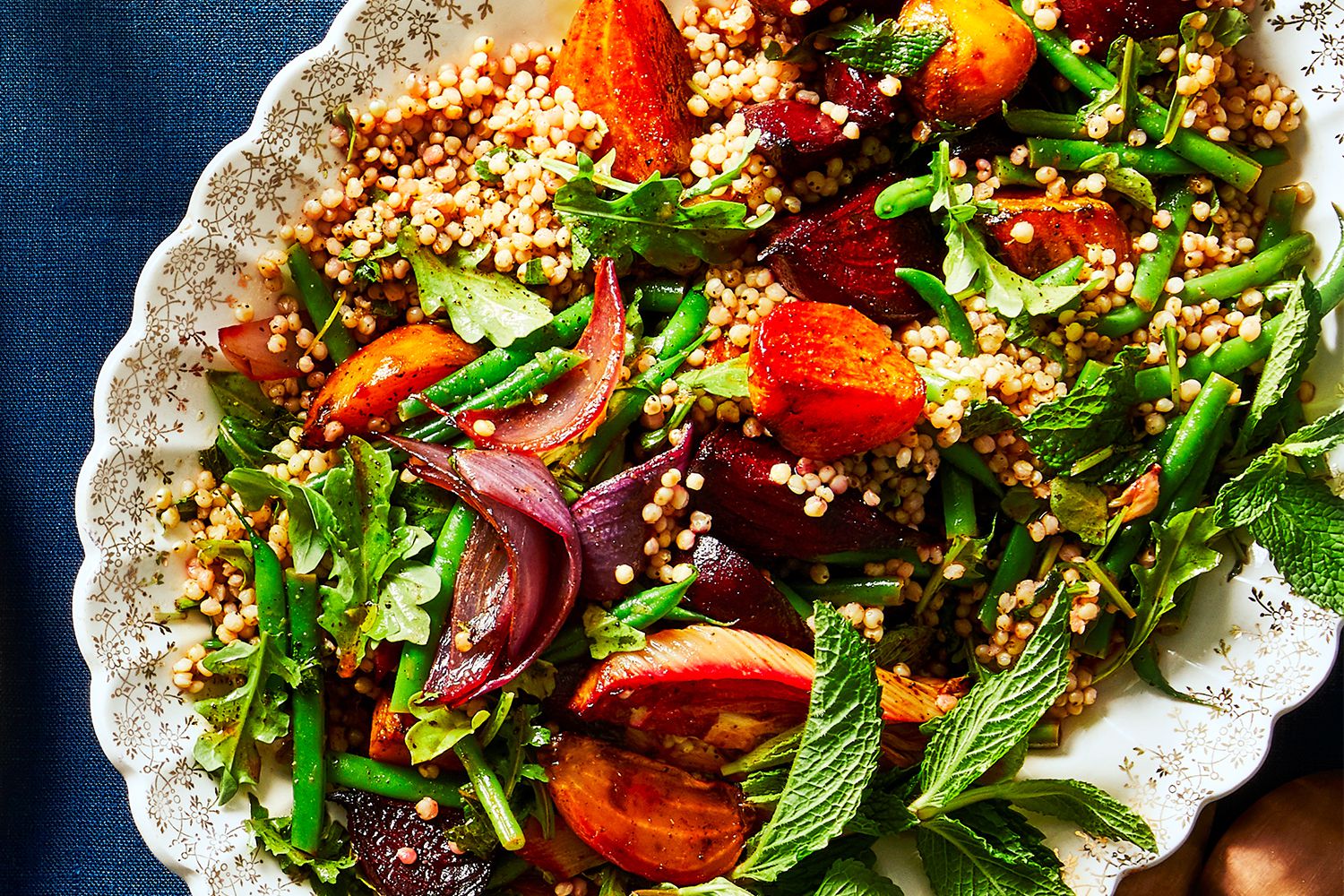

If your idea of “eating more whole grains” starts and ends with a lonely bowl of brown rice, this article is here to stage a delicious intervention. Whole grains are not just a side dishthey can carry breakfast, lunch, dinner, snacks, and even dessert without making your meals feel like a health lecture. The trick is variety, texture, and a little kitchen swagger.
This guide rounds up 27 creative whole grain recipes for every meal of the day, built around grains like oats, quinoa, barley, farro, bulgur, brown rice, buckwheat, millet, sorghum, and whole wheat. You’ll get practical ideas, flavor pairings, meal-prep tips, and smart swaps that make whole-grain cooking feel easy, not intimidating. In other words: fewer sad “healthy” meals, more bowls and bakes you’ll actually crave.
Why Whole Grains Deserve a Spot in Every Meal
Whole grains keep the full kernelbran, germ, and endospermwhich means they bring more fiber, vitamins, minerals, and texture than refined grains. That extra fiber is a big deal for fullness, digestion, and heart-friendly eating patterns. They also add a nutty, chewy, satisfying bite that turns basic meals into “wait… this is really good” meals.
Another reason to love them: they’re flexible. Oats can go savory. Quinoa can become breakfast or taco night. Barley can be cozy in soup or cool in a salad. Farro plays nicely with roasted vegetables. Whole wheat flour can sneak into muffins and snack cakes. Whole grains are basically the overachievers of the pantry.
Smart Whole-Grain Cooking Tips Before You Start
1) Batch-cook like your future self is depending on it
Cook a few cups of grains at once and refrigerate them for quick meals. A container of cooked farro or brown rice can become a lunch bowl, soup add-in, or stir-fry base in minutes. This is one of the easiest ways to make healthy eating feel realistic on a busy week.
2) Toast grains for better flavor
Before simmering, toast dry grains like farro, quinoa, rice, or bulgur in a hot pan for a minute or two. It deepens the flavor and gives everything a warmer, nuttier aroma. Tiny step, big “wow, what did you do to this?” energy.
3) Read labels like a grain detective
Look for “100% whole grain” or ingredient names like whole wheat, whole oats, or brown rice near the top of the list. Products can sound wholesome while being mostly refined, so the ingredient list is your best friend.
4) Use whole grains in familiar meals first
Start with easy swaps: whole-wheat pasta, brown rice instead of white rice, or oats in muffins. You do not need to become a “sprouted rye berry person” overnight. Unless you want to. In that case, welcome.
Breakfast Whole Grain Recipes
1. Apple-Cinnamon Steel-Cut Oat Bowls
Cook steel-cut oats until creamy, then stir in sautéed apples, cinnamon, vanilla, and a pinch of salt. Top with walnuts and a spoonful of yogurt for a breakfast that tastes like apple pie but won’t send your morning into a sugar crash.
2. Savory Mushroom and Scallion Oats
Yes, savory oats are a thingand a very good one. Simmer old-fashioned oats in broth, then top with sautéed mushrooms, scallions, sesame seeds, and a jammy egg. It’s cozy, quick, and oddly elegant for a weekday breakfast.
3. Quinoa Breakfast Bake with Berries
Combine cooked quinoa, eggs, milk, cinnamon, berries, and a touch of maple syrup, then bake until set. Slice into squares for a meal-prep-friendly breakfast that travels well and tastes great cold, warm, or eaten in the car while pretending you’re not late.
4. Creamy Millet Porridge with Pears
Millet turns soft and almost polenta-like when cooked longer with extra liquid. Add diced pears, nutmeg, and a drizzle of honey for a gentle, comforting breakfast that feels a little different from standard oatmeal.
5. Buckwheat Banana Pancakes
Buckwheat flour adds earthy flavor and a hearty texture to pancakes. Mix with mashed banana, eggs, and a little whole-wheat flour for balance, then serve with berries and nut butter. Weekend brunch just got smarter.
6. Overnight Oat-and-Rye Muesli
Stir rolled oats with rye flakes (or extra oats), chia seeds, yogurt, milk, grated apple, and raisins. Let it chill overnight and wake up to a breakfast that’s creamy, chewy, and ready before your coffee even finishes brewing.
7. Farro Breakfast Parfait with Yogurt and Fruit
Leftover cooked farro works beautifully in a breakfast parfait. Layer it with Greek yogurt, fresh fruit, and a sprinkle of toasted nuts for a chewy-crunchy-creamy combo that feels fancy enough for guests and easy enough for Tuesday.
Lunch Whole Grain Recipes
8. Mediterranean Bulgur and Chickpea Tabbouleh Bowls
Use bulgur as the base, then pile on chickpeas, cucumber, tomato, parsley, lemon, and olive oil. Add feta if you want a salty finish. It’s bright, filling, and ideal for make-ahead lunches because the flavors get better as they sit.
9. Wild Rice Chicken Salad with Cranberries and Pecans
Toss cooked wild rice with shredded chicken, dried cranberries, chopped pecans, celery, and a light mustard-yogurt dressing. The wild rice adds a nutty chew that makes this feel more satisfying than your average desk lunch.
10. Brown Rice Sushi-Inspired Bowls
Build bowls with brown rice, cucumber, avocado, carrots, edamame, and either salmon or tofu. Drizzle with soy-ginger dressing and finish with sesame seeds. All the sushi vibes, no rolling mat required.
11. Lemony Barley and Vegetable Soup Jars
Barley holds its texture beautifully in soup, making it perfect for meal prep. Simmer with carrots, onions, white beans, and greens, then brighten it up with lemon juice right before serving. It’s wholesome without tasting like punishment.
12. Freekeh Roasted Veggie Grain Salad
Freekeh has a smoky, slightly chewy bite that pairs well with roasted cauliflower, peppers, and red onion. Toss with tahini-lemon dressing and herbs for a lunch salad that’s hearty enough to keep you full all afternoon.
13. Whole-Wheat Hummus Crunch Wrap
Fill a whole-wheat tortilla with hummus, shredded lettuce, grated carrots, cucumbers, sprouts, and leftover cooked quinoa or brown rice. Roll it tight and slice in half. It’s crunchy, portable, and shockingly satisfying.
14. Quinoa and Black Bean Stuffed Peppers
Mix quinoa with black beans, corn, salsa, spices, and a little cheese, then stuff into bell peppers and bake. This lunch is colorful, freezer-friendly, and makes excellent leftovers. Also: it looks impressive with minimal effort, which is the best kind of cooking.
Dinner Whole Grain Recipes
15. Lemon-Herb Farro Bowls with Roasted Salmon
Toss cooked farro with lemon zest, olive oil, parsley, and dill, then top with roasted salmon and asparagus. The farro’s chewy texture makes the bowl feel substantial, while the herbs keep it fresh and bright.
16. Mushroom Barley Skillet “Risotto”
Pearl barley makes a fantastic risotto-style dinner with less fuss than arborio rice. Cook it slowly with broth, mushrooms, onion, and garlic until creamy, then finish with parmesan. It’s cozy, rich, and weeknight-friendly.
17. Whole-Wheat Pasta Primavera
Whole-wheat pasta brings extra body and a nuttier flavor to a vegetable-loaded primavera. Toss with zucchini, peas, cherry tomatoes, garlic, olive oil, and a squeeze of lemon. Add grilled chicken or white beans if you want more protein.
18. Better-Than-Takeout Brown Rice Fried Rice
Use chilled brown rice for the best texture, then stir-fry with eggs, frozen peas, carrots, scallions, and your favorite protein. Brown rice adds fiber and a pleasant chew, and the whole dish comes together faster than delivery on a lucky night.
19. Sorghum Taco Bowls
Sorghum is a fantastic whole grain for bowls because it stays pleasantly firm. Serve it with seasoned ground turkey or lentils, black beans, salsa, avocado, and crunchy cabbage. Taco night meets grain bowl night, and everybody wins.
20. Bulgur Meatballs in Tomato Sauce
Add cooked bulgur to a meatball mixture (or a lentil-walnut version) for extra texture and tenderness. Simmer in tomato sauce and serve over whole-wheat spaghetti or with roasted vegetables. It’s a smart way to stretch ingredients without sacrificing flavor.
21. Wheat Berry Salad with Roasted Vegetables and Feta
Wheat berries have a hearty, chewy bite that stands up to roasted squash, Brussels sprouts, and red onion. Toss with a tangy vinaigrette and feta for a dinner salad that actually feels like dinner.
22. Quinoa-Stuffed Acorn Squash
Roast acorn squash halves until tender, then fill with quinoa, chopped kale, cranberries, and toasted pecans. A little goat cheese on top makes it extra good. This one looks holiday-level pretty but works any night you want a cozy meal.
23. Wild Rice Chicken and Broccoli Bake
Turn wild rice into a lighter casserole with chicken, broccoli, mushrooms, and a creamy-but-not-heavy sauce. It’s comforting, family-friendly, and perfect for nights when you want something warm and scoopable.
Snacks and Sweets with Whole Grains
24. Popcorn Trail Mix Clusters
Popcorn counts as a whole grain, and it deserves more respect than movie theater butter baths. Toss lightly salted popcorn with nuts, seeds, and a small drizzle of melted dark chocolate, then let it set into snack clusters.
25. Oat, Flax, and Peanut Butter Breakfast Bars
These bars combine rolled oats, ground flaxseed, peanut butter, mashed banana, and a few chocolate chips for a not-too-sweet snack. Bake a batch on Sunday and enjoy them all week. They’re great for breakfast, post-school snacks, or emergency “I forgot lunch” situations.
26. Whole-Grain Blueberry Cocoa Snack Cake
Use a mix of whole-wheat flour and oats for a tender snack cake with blueberries and cocoa. It’s not a “diet dessert,” and that’s the pointit’s just a better-balanced treat that still tastes like dessert.
27. Toasted Buckwheat Yogurt Parfait Cups
Toasted buckwheat groats (kasha) make an amazing crunchy topping. Layer them with yogurt, fruit, and a drizzle of honey in small cups for a snack or light dessert with serious texture and very little effort.
How to Build Your Own Whole Grain Meals Without a Recipe
If you don’t want to follow recipes every day, use this formula: whole grain + protein + produce + crunch + sauce. Start with a grain like quinoa, farro, barley, or brown rice. Add protein (beans, eggs, chicken, tofu, fish), then pile on vegetables or fruit. Finish with something crunchy (nuts, seeds, crispy chickpeas) and a punchy sauce or dressing.
This formula works for every meal. Breakfast? Oats + yogurt + berries + walnuts + cinnamon. Lunch? Bulgur + chickpeas + cucumber + herbs + lemon dressing. Dinner? Farro + salmon + roasted broccoli + pumpkin seeds + tahini sauce. Once you get the rhythm, whole-grain meals become less “recipe hunting” and more “look what I made.”
of Real-World Whole Grain Cooking Experiences
One of the most common experiences people have when they start cooking more whole grain recipes is surprisespecifically, surprise that the food is more filling and more flavorful than expected. A lot of us grow up thinking grains are just background ingredients, the plain part of the plate that sits under the “real” food. But once whole grains become the center of the meal, the texture changes everything. The chew of farro, the pop of quinoa, the softness of oats, and the nutty bite of barley make meals feel layered in a way refined grains often don’t. It’s the difference between “I ate” and “I actually enjoyed eating.”
Another common experience is the learning curve with timing. Whole grains are easy, but they are not all the same. Brown rice takes longer than quinoa. Barley and wheat berries can need more simmer time. Millet can go fluffy or creamy depending on the liquid. The first few attempts may feel a little chaoticone pot bubbling, another pan toasting grains, someone asking what’s for dinner every seven minutes. But after two or three rounds, most home cooks settle into a rhythm. Batch-cooking becomes second nature. A pot of grains on Sunday starts to feel like a gift to the rest of the week.
There’s also a fun “pantry confidence” effect. Once whole grains are in the house, leftovers start looking more useful. A half bell pepper, some roasted carrots, a spoonful of hummus, and a cup of cooked quinoa suddenly become lunch instead of random refrigerator clutter. Whole grains are excellent at turning odds and ends into actual meals. That’s especially helpful for families, students, and anyone trying to save money without eating the same thing every day.
People also notice that whole grain recipes travel well. Grain salads hold up better than delicate lettuce salads, which means lunch containers stay good longer and don’t turn into a soggy science project. Brown rice bowls and barley soups reheat beautifully. Oat bars and whole-grain muffins survive backpacks, commutes, and busy mornings. In practical terms, whole grains support consistency, and consistency is what makes healthy habits stick.
Taste-wise, one of the best discoveries is how well whole grains pair with bold flavors. Lemon, herbs, roasted garlic, soy sauce, tahini, chili crisp, feta, toasted nuts, and citrus dressings all shine when paired with hearty grains. Toasting grains before cooking is another “why didn’t I do this sooner?” moment. It takes only a minute or two, but the aroma gets richer and the finished dish tastes more complete. It’s a small technique that makes home cooking feel much more intentional.
Finally, there’s the experience of flexibility. Whole grain cooking isn’t about chasing one perfect “superfood” recipe. It’s about building a reliable system: keep a few grains on hand, cook them well, and mix them into meals you already love. Tacos become sorghum bowls. Fried rice becomes brown rice fried rice. Desserts get oats or whole-wheat flour. Breakfast gets more interesting than toast every day. That flexibility is what makes whole grain eating sustainableand honestly, a lot more fun.
Conclusion
Whole grain recipes don’t have to be complicated, bland, or “for people who enjoy reading nutrition labels for fun.” They can be comforting, colorful, fast, and genuinely craveable. With a mix of breakfast bowls, lunch salads, hearty dinners, and better-for-you snacks, you can work whole grains into every meal without making your kitchen life harder.
Start with one or two grains you already recognizeoats, brown rice, or quinoathen branch out to farro, barley, bulgur, millet, or sorghum as your confidence grows. Keep cooked grains in the fridge, build meals with bold flavors, and don’t be afraid to experiment. Your meals will be more satisfying, your leftovers will be more useful, and your pantry will suddenly feel like it has options.
SEO Tags