
A chenille sofa is basically the living room equivalent of a fancy sweater: soft, cozy, textured, and just a little dramatic when it gets dirty. One day it looks plush and elegant. The next day it is collecting crumbs, pet hair, mystery smudges, and that one suspicious stain nobody wants to claim. If that sounds familiar, welcome. You are among friends.
The tricky part is that chenille is not just any upholstery fabric. Its soft, fuzzy surface has a nap, which means the fibers reflect light differently depending on the direction they are brushed. That is why chenille can look darker in one spot, lighter in another, and mildly offended if you scrub it too hard. Clean it the wrong way, and you can flatten the pile, create water rings, or turn one small spill into a much larger personality problem.
The good news is that cleaning a chenille sofa is absolutely doable when you use the right method. In most cases, there are three smart ways to clean it: dry cleaning for routine dirt and dust, careful spot-cleaning for water-safe chenille, and solvent-based or professional treatment for stubborn stains or fabrics with stricter cleaning codes.
In this guide, you will learn exactly how to clean a chenille sofa without ruining the texture, color, or comfort. We will also cover what to check before you start, which cleaning products to avoid, and how to keep your sofa looking fresh long after the stain drama ends.
Before You Clean: Check the Sofa’s Cleaning Code First
Before you grab a spray bottle and start scrubbing like you are in a home makeover montage, check the manufacturer’s care tag. On most upholstered furniture, the tag is tucked under a seat cushion or attached beneath the sofa. That tag matters more than enthusiasm.
Most chenille sofas will have one of these upholstery cleaning codes:
- W: Use water-based cleaners only.
- S: Use solvent-based cleaners only. No water.
- WS or SW: You can use either water-based or solvent-based cleaners.
- X: Vacuum or light brushing only.
That tiny letter code is the difference between “clean sofa” and “why does the armrest look like a storm cloud now?” If your chenille sofa is marked X, stick to vacuuming and brushing or hire a professional. If it is marked S, skip the DIY soap-and-water routine. If it is marked W or WS, you have more flexibility, but you still need to use a light touch.
One more thing: always test any cleaner in a hidden spot first. Even a mild product can leave spotting, flatten the nap, or shift the color on textured upholstery. Chenille likes to keep you humble.
Way 1: Vacuum and Dry-Clean Your Chenille Sofa for Everyday Dirt
If your sofa is dusty, covered in lint, or just looking a little tired from daily life, this is the safest place to start. Dry cleaning in this case does not necessarily mean taking the whole couch to a cleaner like it is a giant pair of pants. It means removing loose soil, dry debris, and surface mess without soaking the fabric.
What You Need
- Vacuum with an upholstery attachment
- Crevice tool
- Soft lint brush or upholstery brush
- Dry white microfiber cloth
- Fabric shaver or lint remover for pilling, if needed
How to Do It
- Remove cushions if possible. Vacuum the seat, arms, back, and the space under and between cushions. Chenille loves hiding crumbs like it is being paid for it.
- Use the upholstery attachment gently. Do not grind the vacuum head into the fabric. Slow, light passes work better and reduce abrasion.
- Get into seams and crevices. Use the crevice tool where dust, pet hair, and snack evidence collect.
- Brush with the nap. If the chenille looks crushed or uneven, lightly brush the fibers in one direction to restore the texture.
- Address lint or pills carefully. If your sofa has light pilling, use a fabric shaver or lint remover gently. Do not attack it like you are sanding a deck.
Why This Method Works
Dry cleaning is ideal for routine chenille sofa maintenance because it removes dirt before it becomes embedded in the fibers. That matters with chenille, since trapped dust and grit can make the fabric look dull and wear it down faster. Regular vacuuming also helps reduce pilling, musty odors, and that fuzzy-but-somehow-grimy look older upholstered pieces can develop.
Best For
- Dust
- Crumbs
- Pet hair
- Light dirt
- X-code chenille sofas
- Weekly or biweekly upkeep
If your sofa looks better after this step, congratulations. You may have avoided a deeper cleaning session entirely, and that is always a win.
Way 2: Spot-Clean Water-Safe Chenille With Minimal Moisture
If your chenille sofa has a W or WS code, you can usually spot-clean stains with a mild water-based solution. The key phrase here is minimal moisture. Chenille does not want a bath. It wants a careful, respectful dab-and-blot situation.
What You Need
- Distilled water
- Mild dish soap or upholstery shampoo
- Two clean white microfiber cloths
- Small bowl
- Soft brush with nonmetallic bristles
- Fan for faster drying
How to Make a Gentle Cleaning Solution
For water-safe upholstery, a simple cleaning mix often works well: add a very small amount of mild dish soap to distilled water. You do not need a bubbly potion worthy of a science fair. A little goes a long way. The cloth should be damp, not dripping.
How to Spot-Clean a Chenille Sofa
- Blot the spill first. If the stain is fresh, press a dry white cloth onto it to absorb as much liquid as possible.
- Test a hidden area. Try your cleaning solution on a spot under the cushion or behind the sofa skirt. Let it dry fully before judging the result.
- Apply foam or a lightly damp cloth. Do not pour water directly onto the chenille. Apply a small amount of cleaner to the cloth, then blot the stain from the outside inward.
- Do not scrub. Rubbing can rough up the pile, spread the stain, and create a matted patch that will annoy you every time you walk into the room.
- Blot again with a clean damp cloth. This helps lift residue without over-wetting the fabric.
- Air-dry quickly. Use a fan if needed. Faster drying reduces the chance of water marks or mildew.
- Brush the nap once dry. Lightly brush the fibers in one direction to restore the chenille’s soft, even look.
Best Stains for This Method
- Coffee drips
- Tea spills
- Juice splashes
- Light food smudges
- Everyday grime on arms or headrests
Important Water-Cleaning Tips
Use distilled water rather than tap water when possible. It is a small upgrade that can help reduce mineral residue and water spotting. Also, clean one small section at a time and avoid soaking the filling underneath. A soaking-wet sofa is not a “deep clean.” It is a regret with cushions.
Unless the manufacturer specifically says otherwise, do not assume steam cleaning is safe for chenille. Some pile fabrics do not respond well to hot water extraction or aggressive steam, especially when the nap is delicate.
Way 3: Use Solvent-Based Cleaning or Call a Professional for Tough Stains
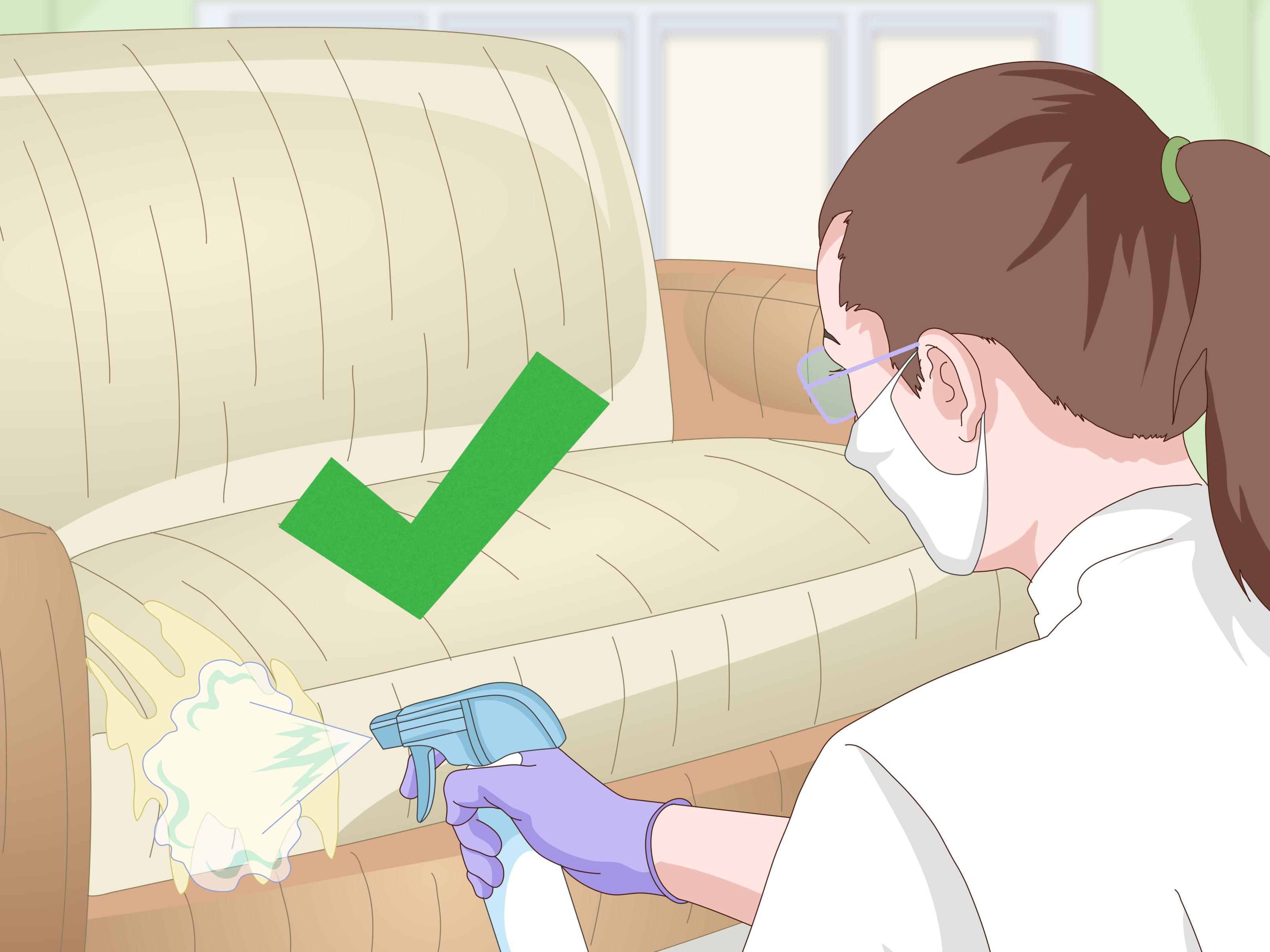
Some chenille sofas are labeled S or WS, which means a solvent-based upholstery cleaner may be the better option, especially for oily stains, old stains, or fabrics that do not tolerate water well. This is also the smartest route when the stain is large, set in, or suspiciously sticky.
What You Need
- A solvent-based upholstery cleaner approved for your sofa’s cleaning code
- Clean white cloths
- Good ventilation
- Soft brush for restoring the pile after drying
How to Use a Solvent Cleaner Safely
- Read the product label completely. Upholstery solvent is not the time for freestyle improvisation.
- Test in a hidden spot. Always.
- Apply to the cloth, not the sofa. Use a small amount and blot the stained area gently.
- Work from the outside in. This helps prevent the stain from spreading.
- Allow the area to dry fully. Keep the room ventilated.
- Brush the fabric lightly. Once dry, restore the chenille’s texture with a soft brush.
When to Skip DIY and Hire a Professional
Sometimes the best cleaning move is knowing when to stop. Professional upholstery cleaning is often the safest option when:
- The sofa has an X code
- The stain is large or deeply set
- The entire seat looks dingy, not just one spot
- You notice rings, shading, or pile distortion after testing
- The chenille is vintage, delicate, or expensive enough to make you nervous
Professional cleaners inspect the fabric first, choose a method based on the material, and aim for even results across the whole piece. That can be especially helpful with chenille, where spot-cleaning one patch can sometimes make the rest of the sofa look like it is quietly holding a grudge.
Common Mistakes to Avoid When Cleaning a Chenille Sofa
- Ignoring the cleaning code: This is the biggest mistake and the fastest route to damage.
- Using too much water: Over-wetting can lead to rings, slow drying, and flattened texture.
- Scrubbing hard: Chenille’s pile can distort easily.
- Using colored towels: Dye transfer is not a fun surprise.
- Skipping the patch test: Always test first.
- Assuming zippered covers are washable: Many upholstered cushion covers should stay put unless the manufacturer says otherwise.
- Using harsh chemicals: Strong cleaners can discolor or weaken the fabric.
How to Keep a Chenille Sofa Clean Longer
Cleaning is helpful. Cleaning less often because your sofa stays nicer is even better. A few habits make a big difference:
- Vacuum regularly to remove dust before it settles deep into the fibers.
- Blot spills immediately instead of letting them “soak for a minute.” That minute is never your friend.
- Rotate and fluff cushions to spread out wear.
- Keep the sofa out of direct sunlight to reduce fading.
- Use throws or washable covers in high-traffic zones if kids, pets, or snack enthusiasts are frequent visitors.
- Clean body-oil areas like armrests and headrests before they become obvious dark patches.
Real-Life Experiences and Lessons From Cleaning a Chenille Sofa
People tend to learn the rules of chenille sofa cleaning in one of two ways: by reading the care label first, or by confidently skipping the care label and then staring at a damp water ring like it personally betrayed them. Most homeowners eventually become accidental chenille experts because the fabric is gorgeous, comfortable, and just fussy enough to teach humility.
One common experience starts with a harmless-looking spill. Maybe it is coffee on a Monday morning, juice during movie night, or a splash of pasta sauce because somebody talks with their hands like a Broadway understudy. The natural instinct is to rub fast and rub hard. That is usually the exact wrong move. What many people discover is that chenille responds better to patience than panic. Blotting feels too gentle at first, almost suspiciously gentle, but it is often what actually prevents the spill from spreading.
Another frequent lesson comes from overconfidence with water. A lot of sofa owners assume fabric is fabric, so more soap and more water must mean a better clean. Then the cushion takes forever to dry, the stain outline becomes more visible, and the once-soft nap starts looking flattened in one patch and fluffy in another. After that, most people become firm believers in the “less is more” method. Damp cloth? Yes. Saturated cushion? Absolutely not.
Pet owners often have their own chenille stories. Fur works its way into the texture, muddy paw prints appear at the worst possible times, and oily pet smells can linger in favorite corners. What tends to work best in real life is not one dramatic deep-cleaning marathon. It is consistent maintenance: vacuuming, quick blotting, brushing the nap back into place, and dealing with small messes before they become legends.
Homes with children add another layer of experience, usually involving crayons, cookies, or the mysterious stickiness of a toddler hand. In those spaces, chenille can still work beautifully, but owners usually figure out fast that prevention counts. Throws, arm covers, and “please do not eat neon-orange snacks on the couch” become part of the cleaning strategy. Not always successful, but still part of the strategy.
Perhaps the biggest real-world takeaway is that chenille rewards gentle care. It is not the fabric for aggressive scrubbing, random internet hacks, or cleaning products that smell like they could remove driveway paint. When people get good results, it is usually because they slowed down, checked the code, tested first, and treated the sofa like upholstery instead of a kitchen counter. That may not be flashy, but it works. And honestly, a clean chenille sofa that still feels soft and looks even is far more satisfying than any viral shortcut.
Final Thoughts
If you want to clean a chenille sofa the right way, think in stages. First, remove dry dirt and dust with gentle vacuuming. Second, use minimal-moisture spot-cleaning only if the care code allows it. Third, reach for solvent-safe products or professional upholstery cleaning when stains are stubborn or the fabric is delicate.
Chenille may be high-maintenance compared with some tougher performance fabrics, but it also delivers a soft, cozy look that is hard to beat. Treat it with a little caution, a little patience, and a lot less scrubbing than your instincts suggest. Your sofa will thank you by staying plush, comfortable, and much less embarrassing when guests sit down.