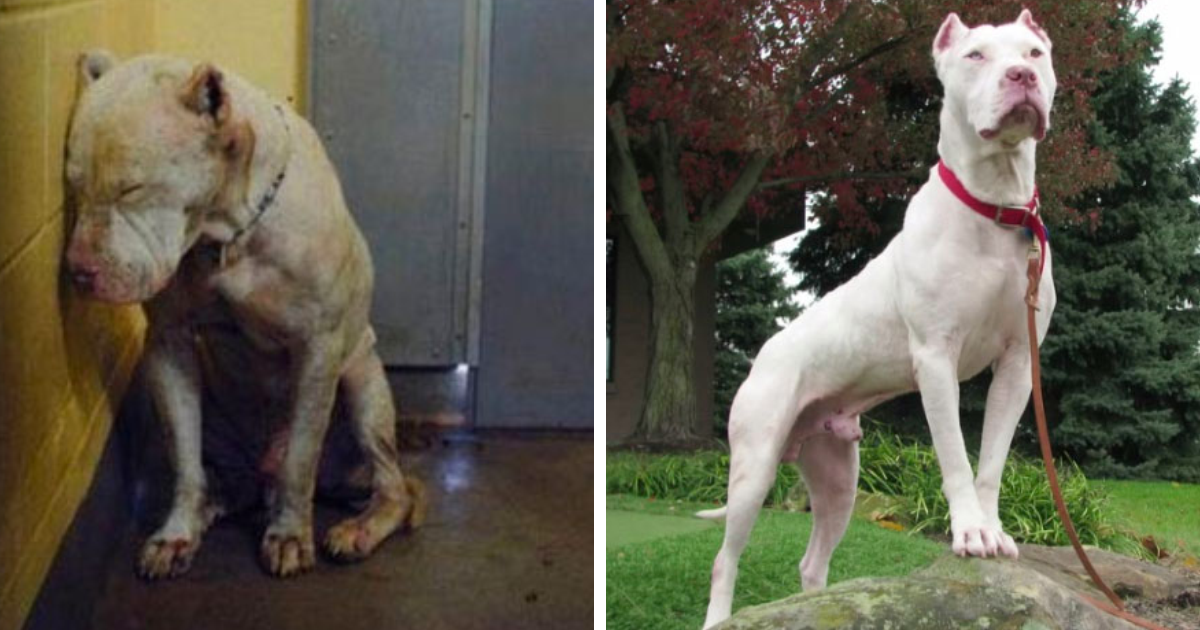

Some photographs capture a smile. Others capture a sunrise, a wedding, or the exact second someone realizes they left the oven on. Then there are dog adoption before-and-after photosimages that somehow squeeze an entire rescue story into two frames.
In the first picture, a shelter dog may appear tense, exhausted, underweight, uncertain, or simply overwhelmed by an unfamiliar environment. In the second, that same dog is sprawled across a couch like a furry landlord who has just increased the rent. The ears are relaxed. The eyes look brighter. The coat appears healthier. Most importantly, the dog finally seems to understand one beautiful fact: this place is home.
These transformations matter far beyond social media. In 2025, approximately 4.2 million dogs and cats were adopted in the United States, while the dog adoption rate increased to about 57% of shelter intake. Every successful adoption also creates space and resources for another animal that needs help.
The 30 rescue dog transformations below represent the kinds of moments commonly documented by shelters, foster families, and adopters. They remind us that recovery is not always instant or perfectly photogenicbut patience, veterinary care, consistency, and affection can produce changes worth celebrating.
Why Rescue Dog Before-and-After Photos Feel So Powerful
Dogs communicate constantly through posture, facial tension, ear position, movement, and proximity. A frightened dog may crouch, freeze, avoid eye contact, tuck its tail, or keep its body rigid. As trust develops, the same dog may begin sleeping deeply, approaching people voluntarily, playing with toys, stretching out in open spaces, and displaying a looser, more comfortable posture.
That is why a rescue dog transformation can seem almost unbelievable. The dog has not merely received a bath and better lighting. The animal has gained predictability. Meals arrive regularly. Doors no longer slam without warning. A familiar person returns after leaving. The couch remains suspiciously available for unauthorized occupation.
Many animal-welfare professionals use the “3-3-3” guideline to help adopters set realistic expectations: roughly three days for initial decompression, three weeks for learning a household routine, and three months for becoming more settled. It is a flexible guideline, not a stopwatch. Some dogs adjust quickly, while others need considerably more time.
30 Heart-Melting Dog Adoption Before-and-After Moments
1. From the Kennel Corner to the Center of the Bed
The “before” photo shows a small dog pressed against the back of a kennel. The “after” image features the same pup stretched diagonally across a queen-size bed, generously leaving the adopter approximately seven inches of mattress.
2. The Senior Dog Who Learned to Smile Again
Gray around the muzzle and tired around the eyes, this older dog initially looked as though life had handed him one bill too many. Months later, his relaxed grin proves that senior dogs still have plenty of happiness to collect.
3. From Matted Fur to Magnificent Floof
In the first image, tangled hair hides the dog’s face and body. After grooming, nutrition, and patient care, a bright-eyed cloud emergesapparently shocked to discover that he has legs.
4. The Puppy Who Finally Slept Without Fear
The early photo captures a puppy curled tightly into a protective ball. The later image shows the same pup sleeping belly-up, paws in the air, broadcasting the universal canine message: “I feel safe, and I have abandoned all dignity.”
5. From Underweight to Unapologetically Chunky
Visible ribs and a hollow expression define the first frame. In the second, the dog has reached a healthier condition and is staring intensely at the kitchen, where dinner is reportedly three minutes late.
6. The One-Eared Wonder
This dog arrived with scars and a damaged ear. Adoption did not erase the past, but it gave him a future filled with soft blankets, neighborhood walks, and strangers constantly telling him how handsome he is.
7. From Concrete Floor to Custom Pillow Collection
The “before” setting is cold and bare. The “after” scene includes three beds, five blankets, and a decorative pillow that no human is now permitted to touch.
8. The Dog Who Was Afraid of Hands
At first, the dog leaned away whenever someone reached toward her. In the later photograph, she rests her chin inside her adopter’s palm, showing how consent, patience, and gentle handling can build trust.
9. From Shelter Silence to Backyard Zoomies
The first image captures a withdrawn dog standing motionless. The second is gloriously blurred because he is racing around a fenced yard at a speed normally associated with small aircraft.
10. The Pit Bull Mix in Matching Pajamas
He once waited in a shelter while potential adopters passed by. Now he owns seasonal pajamas, a birthday bandana, and a social calendar more active than most adults.
11. From Mange to a Shining Coat
Hair loss and irritated skin made this dog’s condition look especially heartbreaking. Veterinary treatment and responsible home care gradually revealed a smooth coatand an impressive talent for covering furniture with it.
12. The Shy Hound Who Found Her Voice
Initially, she remained quiet and kept her distance. Her “after” photo catches her mid-howl, likely announcing the arrival of a delivery driver, a squirrel, or one extremely suspicious leaf.
13. From Chained Outside to Chief Sofa Officer
The first photograph shows a dog living outdoors with limited comfort. The second shows him indoors, asleep beneath an air-conditioning vent, enjoying the executive benefits package.
14. The Blind Dog Who Mapped His New World
Although he cannot see his surroundings, this adopted dog learned the location of his bed, water, toys, yard, and favorite people. His confident posture reveals adaptation that a single photograph could never fully explain.
15. From Trembling to Tail-Wagging
Her shelter portrait shows a tucked tail and tense muscles. In the later image, her entire rear half appears to be wagging, proving that some dogs do not merely express joythey become briefly boneless.
16. The Giant Dog Who Waited Longer
Large dogs can remain in shelters longer than smaller dogs, even when they would make suitable companions. This oversized pup eventually found adopters who understood that “too big” often means “excellent full-body hugging dimensions.”
17. From Dirty Paws to Hiking Boots
The before-and-after difference is not just physical. Once inactive and uncertain, this dog now explores trails with an adopter who brings water, snacks, safety gear, and approximately 400 unnecessary photographs.
18. The Dog Who Adopted the Family Cat
The first frame shows a cautious introduction at a distance. The second shows dog and cat sleeping together, although the cat’s expression suggests the arrangement remains under formal review.
19. From a Number to a Name
At intake, the dog was identified by paperwork and kennel information. At home, she received a name, nicknames, songs containing those nicknames, and several titles that make absolutely no grammatical sense.
20. The Tripod Dog Who Refused to Slow Down
After losing a leg, this dog faced a major adjustment. His adoption photo shows him charging through the yard, reminding viewers that disability does not automatically prevent dogs from enjoying active, fulfilling lives.
21. From Transport Crate to Road-Trip Copilot
Some shelter dogs are relocated from crowded regions to communities where adoption demand is higher. This traveler’s “after” photo shows him riding beside his new family, ears flapping and navigation skills unverified.
22. The Dog Who Discovered Toys
Initially, she did not understand balls, ropes, or squeakers. Weeks later, the living room resembles the aftermath of a toy-store weather event, and every squeaker has been professionally removed.
23. From Nervous Eater to Breakfast Supervisor
Stress once reduced his appetite. In his new home, he follows every step of meal preparation and conducts quality-control inspections whenever cheese is opened.
24. The Foster Dog Who Never Left
The first photo was meant for an adoption profile. The second was taken after the foster family realized they had already rearranged their lives, furniture, and vacation plans around him.
25. From Scarred to Celebrated
The dog’s scars remain visible after adoption, but the emotional meaning of the image has changed. They are no longer the entire story; they are simply part of a dog now surrounded by comfort.
26. The Anxious Dog Who Found a Routine
Regular meals, predictable walks, calm departures, and low-pressure training helped this dog settle. Consistent routines can make a new environment easier to understand, especially during the first weeks after adoption.
27. From Shelter Birthday to Family Party
His first known birthday passed in a kennel. The next included a dog-safe treat, a paper hat tolerated for four seconds, and humans singing badly but enthusiastically.
28. The Pair Who Refused to Be Separated
These bonded dogs entered rescue together and eventually found a home together. Their “after” photograph shows them sharing a bed despite having two beds, because canine logic considers unused furniture emotionally important.
29. From Fearful Eyes to a Playful Bow
The dog’s original portrait shows uncertainty. The later photograph captures a play bowfront legs lowered, rear end raised, and every muscle prepared for nonsense.
30. The Ordinary Photo That Means Everything
The final transformation is not dramatic. It simply shows an adopted dog asleep near the family during an ordinary evening. No costumes, no scenic background, no cinematic lightingjust belonging. Sometimes that is the most powerful “after” of all.
What These Rescue Dog Transformations Do Not Show
A pair of photographs can reveal a remarkable change, but it cannot show every veterinary appointment, midnight potty break, chewed shoe, training session, setback, or small breakthrough behind the transformation.
Newly adopted dogs may experience digestive issues, house-training accidents, fear, overexcitement, separation-related distress, or difficulty around unfamiliar people and animals. Responsible adopters introduce new experiences gradually, supervise interactions, watch body language, and seek qualified help when necessary. Best Friends and Humane World for Animals both emphasize calm transitions, safe spaces, consistency, and carefully managed introductions.
Successful adoption also depends on realistic expectations. Research into returned shelter dogs has found that adopter expectations, behavior concerns, and access to post-adoption assistance can influence whether a placement succeeds. Asking the shelter for support is not failure; it is responsible pet care.
How to Help Create More Happy Adoption Photos
Adopt for Compatibility, Not Just Appearance
A dramatic photograph may capture attention, but energy level, temperament, health needs, size, housing rules, and household routine determine whether a dog is a good match. Both mixed-breed and purebred dogs can be found through shelters and rescue organizations.
Consider Fostering
Foster homes give dogs a break from the shelter and provide valuable information about their behavior in a household. Fostering can be especially useful for shy animals, energetic dogs, seniors, and pets recovering from medical treatment.
Give the Dog Time to Decompress
A newly adopted dog does not need a welcome parade involving twelve relatives and the neighbor’s enthusiastic toddler. Begin with a quiet space, a predictable routine, short walks, and controlled introductions.
Use Reward-Based Training
Rewarding desired behavior helps dogs understand what works in their new environment. Training should build communication and confidence rather than relying on fear, intimidation, or physical punishment.
Support Local Shelters
People who cannot adopt can still volunteer, donate supplies, sponsor medical care, share adoption profiles, transport animals, or participate in dog-day-out programs. Even one community outing can give a shelter better photographs and useful information about how a dog behaves away from the kennel.
The Real Adoption Experience: What Happens After the “After” Photo
Bringing home a rescue dog often begins with a surprisingly quiet car ride. The adopter has prepared a bed, bowls, identification tag, leash, toys, and enough treats to negotiate a minor international treaty. The dog, meanwhile, has no idea whether this is a permanent home or simply another unfamiliar stop.
During the first day, some dogs explore every room. Others choose one corner and remain there. A dog that seems unusually calm may actually be overwhelmed. This is why experienced adopters avoid forcing affection. They provide water, a comfortable resting area, regular bathroom opportunities, and enough personal space for the dog to observe safely.
The first night can be emotional. The dog may pace, whine, sleep lightly, or wake whenever someone moves. Adopters often discover that the expensive orthopedic bed is less appealing than an old towel beside the bedroom door. The goal is not perfection. The goal is to make the environment predictable.
Over the next several days, personality begins appearing in small flashes. The dog may wag when breakfast arrives, follow someone into another room, or cautiously pick up a toy. These moments do not look dramatic to outsiders, but they can feel enormous to a family that has watched the dog remain guarded.
The first few weeks usually include practical challenges. There may be accidents on the floor, barking at ordinary noises, leash pulling, food guarding, or nervousness when left alone. Adopters sometimes wonder whether they have made a mistake. In many cases, they are simply meeting a dog whose behavior is changing as the animal becomes less inhibited and more aware of the household.
Routine becomes the quiet hero of the story. Breakfast arrives at a consistent time. Walks follow familiar routes. Training sessions stay brief and positive. The dog learns where to rest and which door leads outside. Equally important, the dog learns that family members leaveand then come back.
Progress rarely follows a straight line. A dog may confidently greet visitors one day and hide from a delivery box the next. A thunderstorm, veterinary visit, unfamiliar dog, or sudden household change can trigger old fears. Patient adopters respond by reducing pressure and returning to familiar routines rather than treating one difficult day as a total failure.
Then, often without anyone noticing the exact moment, the household changes. The dog stops feeling like a guest. A leash appears beside the front door. Hair becomes a permanent ingredient in every outfit. Family members automatically check the floor before moving a chair. The dog begins waiting by the window at the time someone usually comes home.
The famous “after” photograph may happen months later. Perhaps the dog is lying upside down, wearing a birthday hat, hiking beside the family, or sleeping with a child. The visible transformation is moving, but the deeper change is built from hundreds of ordinary experiences: meals served, promises kept, boundaries respected, and mornings that begin in the same safe place.
That is the real magic of shelter dog adoption. The family does not erase the dog’s past. Instead, everyone works together to make the future larger than it.
Conclusion: One Adoption Can Change More Than One Life
These 30 dog adoption before-and-after moments are funny, touching, and occasionally suspiciously fluffy. More importantly, they show what can happen when vulnerable animals receive appropriate care, time, stability, and a home suited to their needs.
Adoption is not a magical filter that instantly fixes fear, illness, or behavior concerns. It is a commitment to helping a dog feel secure one ordinary day at a time. The reward may eventually appear in a beautiful photographbut it is experienced in daily routines, quiet companionship, ridiculous nicknames, muddy footprints, and the unmistakable sound of a dog sleeping peacefully nearby.
Note: The scenes in this article represent commonly documented adoption experiences rather than medical assessments of individual dogs. Every animal adjusts at a different pace, and health or serious behavior concerns should be discussed with a veterinarian or qualified behavior professional.