
Phlebotomy sounds like something taught at wizard school, but it is one of healthcare’s most familiar procedures. It means collecting or removing blood, usually from a vein. The blood may be tested to diagnose illness, monitor treatment, support research, or help a patient through donation. In a few medical conditions, removing blood is the treatment itself.
Today’s blood draw is generally quick, controlled, and performed with sterile, single-use equipment. Its history, however, is far more dramatic. Here is what phlebotomy involves, why it is done, how to prepare, and what to expect before the bandage goes on.
What Is Phlebotomy?
Phlebotomy is the practice of drawing blood from the body. Most routine phlebotomy uses venipuncture: a needle enters a vein, often near the inner elbow, and blood flows into labeled tubes.
The terms overlap but are not identical. Phlebotomy is the broader practice of obtaining or removing blood; venipuncture specifically describes accessing a vein. Small samples may instead come from capillaries through a finger stick or an infant heel stick.
A specialist trained to collect blood is a phlebotomist. Nurses, physicians, medical assistants, and other qualified professionals may also perform blood draws.
Why Is Phlebotomy Performed?
Diagnostic Testing and Monitoring
Blood contains cells, proteins, hormones, electrolytes, nutrients, antibodies, medications, and waste products. Laboratory testing can help check blood cell counts, glucose, cholesterol, kidney or liver function, infection, inflammation, anemia, clotting, medication levels, and treatment response.
Bloodwork rarely tells the whole story alone. Clinicians interpret results alongside symptoms, medical history, physical findings, and other tests. Blood can be informative, but it is not known for providing footnotes.
Blood Donation
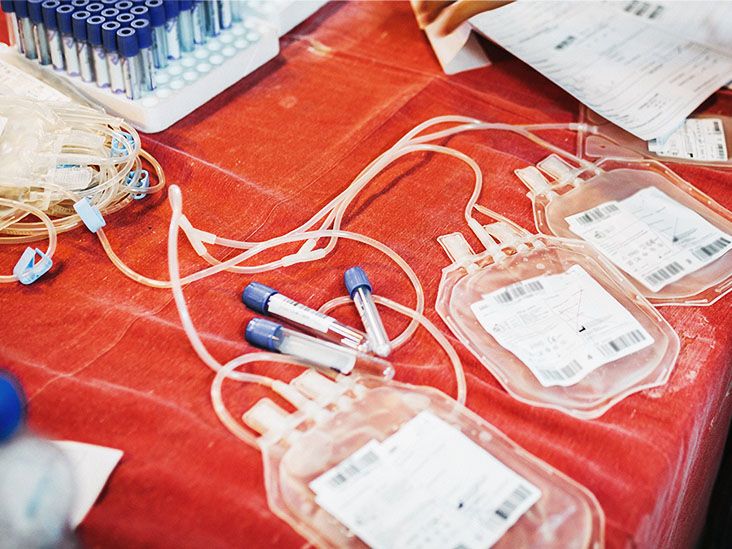
Phlebotomy also collects blood for transfusion. A whole-blood donation removes about a pintmuch more than routine laboratory testingand includes screening, collection, and a short recovery period. In apheresis, a machine separates a component such as platelets or plasma and returns the remaining components to the donor.
Therapeutic Phlebotomy
Here, blood removal is a prescribed treatment. It may be used for hereditary hemochromatosis, which can cause harmful iron buildup, or polycythemia vera, which can produce too many blood cells and unusually thick blood. The amount and schedule depend on the diagnosis, test results, and treatment plan. Therapeutic phlebotomy belongs under medical supervision, not in the “strange wellness hacks” folder.
A Brief History of Phlebotomy
Ancient Bloodletting and the Four Humors
The word phlebotomy comes from roots associated with a vein and cutting. Historically, it referred to bloodlettingdeliberately removing blood to prevent or treat disease.
Ancient Greek and Roman medicine often explained health through four humors: blood, phlegm, yellow bile, and black bile. Disease was blamed on imbalance, so removing blood seemed reasonable within that theory. Galen, an influential Roman-era physician, helped establish bloodletting as a major treatment.
Barber-Surgeons, Lancets, and Leeches
For centuries, physicians and barber-surgeons used lancets, cups, and leeches to treat conditions from fever to headache. Barbers already handled sharp instruments, so medicine apparently added “minor surgery” to the service menu. Bloodletting remained common despite limited evidence that it helped most patients.
The Shift to Modern Practice
During the 19th century, growing knowledge of circulation, anatomy, infection, and clinical outcomes weakened routine bloodletting. Modern phlebotomy developed with laboratory medicine. Blood is now collected mainly for testing, donation, research, and a small number of evidence-based treatments. Sterile needles, precise labels, and quality controls have replaced humors and guesswork.
What Does a Phlebotomist Do?
A phlebotomist confirms identity, reviews the test order, chooses the correct tubes, explains the procedure, follows infection-control precautions, collects the specimen, stops bleeding, labels each tube, and arranges transport. Accurate labeling is as important as a smooth needle insertion; a perfect sample attached to the wrong patient is not perfect at all.
Common Blood Collection Methods
Venipuncture
This is the standard method for most laboratory tests. Blood from an arm vein enters one or more tubes selected for the ordered analyses.
Capillary Sampling
A finger stick provides a small amount of capillary blood for tests such as point-of-care glucose measurements. Heel sticks are commonly used when infants need a small sample.
Arterial Sampling
An arterial sample may be used for an arterial blood gas, which assesses oxygen, carbon dioxide, and acid-base balance. It differs from routine venipuncture and is often performed by specially trained clinicians.
How to Prepare for a Blood Draw
Preparation depends on the tests. Many require no special steps; others require fasting for a set number of hours. Do not automatically skip breakfast unless your healthcare team instructed you to do so.
- Follow the exact directions: Confirm rules for food, water, exercise, smoking, and morning medications.
- Hydrate when allowed: Fluids may make veins easier to access, but follow any medical fluid restriction.
- Wear accessible sleeves: Choose clothing that rolls comfortably above the elbow.
- Bring required documents: You may need identification, insurance information, or a laboratory order.
- Speak up: Mention fainting, difficult draws, bleeding problems, blood-thinning medicine, or adhesive or latex sensitivity.
Never stop a prescribed medication unless the clinician who ordered the testing tells you to do so.
What to Expect During Phlebotomy
- Identity check: Your information is matched with the order and labels.
- Positioning: You sit in a collection chair or lie down if fainting is a concern.
- Vein selection: A tourniquet helps make a vein easier to locate.
- Cleaning: The skin is cleaned with antiseptic and allowed to dry.
- Collection: A sterile needle enters the vein, and the required tubes fill.
- Finishing: The needle and tourniquet are removed, and you hold gauze over the site.
- Labeling: Tubes are identified and prepared for laboratory transport.
Routine collection often takes only a few minutes. Registration, special handling, multiple tests, or hard-to-find veins may make the visit longer.
Does Phlebotomy Hurt?
Most people feel a quick pinch or sting followed by mild pressure. Sensation varies with needle sensitivity, anxiety, hydration, vein location, and the number of attempts. Relaxing the arm usually helps. Tell the collector immediately about sharp, electric, or worsening pain.
Possible Risks and Side Effects
Routine phlebotomy is generally low risk. Temporary soreness, a small bruise, or slight bleeding is common. Some people become dizzy or faint because of anxiety, fasting, pain, or a vasovagal response. Less common problems include a larger hematoma, prolonged bleeding, nerve irritation, or infection.
Seek medical guidance for bleeding that continues despite sustained firm pressure, severe pain, increasing swelling, persistent numbness, spreading redness, warmth, drainage, or fever. Urgent symptoms such as trouble breathing or fainting that does not quickly resolve require prompt help.
Tips for Needle Anxiety or Difficult Veins
Tell the phlebotomist early if needles make you anxious, you have fainted, or previous draws were difficult. When permitted, drink water, stay warm, look away, relax your shoulders, and breathe slowly. Lying down may help people prone to fainting. For severe needle fear, ask a healthcare professional in advance about behavioral support or an approved topical numbing product.
What Happens After the Blood Is Drawn?
The laboratory may spin the sample in a centrifuge, separate its components, examine cells, run automated analysis, culture microorganisms, or send it to a specialty facility. Results may take minutes, days, or longer. A cliniciannot usually the phlebotomistinterprets them. An out-of-range number does not automatically prove disease because timing, medications, hydration, activity, and other factors can affect results.
Real-World Phlebotomy Experiences: What Patients Often Notice
The following examples are representative composites designed to illustrate common experiences, not accounts of specific individuals.
The First Routine Blood Draw
A first-time patient often arrives expecting a long, theatrical needle scene and is surprised by how quickly the collection ends. The longest part may be checking in. Once seated, the patient confirms a name and birth date, watches the phlebotomist arrange the tubes, and decides that the ceiling tile is suddenly fascinating. There is a pinch, a few seconds of stillness, and then gauze appears. The most common reaction is not “That was painless,” but “That was much faster than I imagined.”
The Fasting Morning Appointment
A patient scheduled for fasting bloodwork may feel more bothered by an empty stomach than by the needle. Booking early can make the restriction easier. The patient brings a snack for afterward, follows instructions about water and medications, and avoids treating the parking lot like a competitive sprint. After the draw, a few minutes of sitting, drinking, and eating can feel surprisingly luxurious. Preparation often shapes the experience more than the puncture itself.
The Person With Hard-to-Find Veins
Some patients know the routine: veins that hide, roll, or seem to have accepted secret employment elsewhere. A helpful patient explains which arm has worked before without demanding a particular spot. The professional may warm the arm, adjust positioning, choose another device, or seek a colleague after an unsuccessful attempt. The best experience comes from teamwork and honest communication, not from pretending the situation is easy.
The Patient Who Becomes Lightheaded
Another patient feels warm, sweaty, nauseated, or dizzy at the sight of the equipment. Saying this before the draw allows staff to recline the chair or have the patient lie down. The patient looks away, breathes slowly, and remains seated afterward. There is no medal for standing too quickly. A calm recovery is more impressive than trying to prove gravity is optional.
The Therapeutic Phlebotomy Visit
Therapeutic phlebotomy feels closer to blood donation because a larger volume may be removed. A patient may attend repeated sessions while the care team monitors blood counts, iron measures, symptoms, and treatment targets. Hydration, vital signs, and recovery instructions become familiar. Some sessions proceed normally; others are adjusted because of blood pressure, hemoglobin, symptoms, or vein access. The defining difference is purpose: removal is part of an individualized medical plan.
The Takeaway From These Experiences
Most visits are brief, but no two people experience them identically. Anxiety, fasting, vein anatomy, health conditions, previous experiences, and communication all matter. Patients can help by following instructions and speaking up early. Phlebotomists help by combining safe technique with patience and clear explanations. The needle may be small, but the human interaction around it can make a large difference.
Conclusion
Phlebotomy is the collection or controlled removal of blood for testing, donation, research, or treatment. Modern practice has moved far beyond historical bloodletting and now relies on sterile technique, accurate identification, correct specimen handling, and evidence-based care.
For most people, a routine draw means a short pinch and minimal aftercare. Following test-specific instructions and discussing anxiety or previous difficulties can make it smoother. Therapeutic phlebotomy requires a clinician-directed plan.