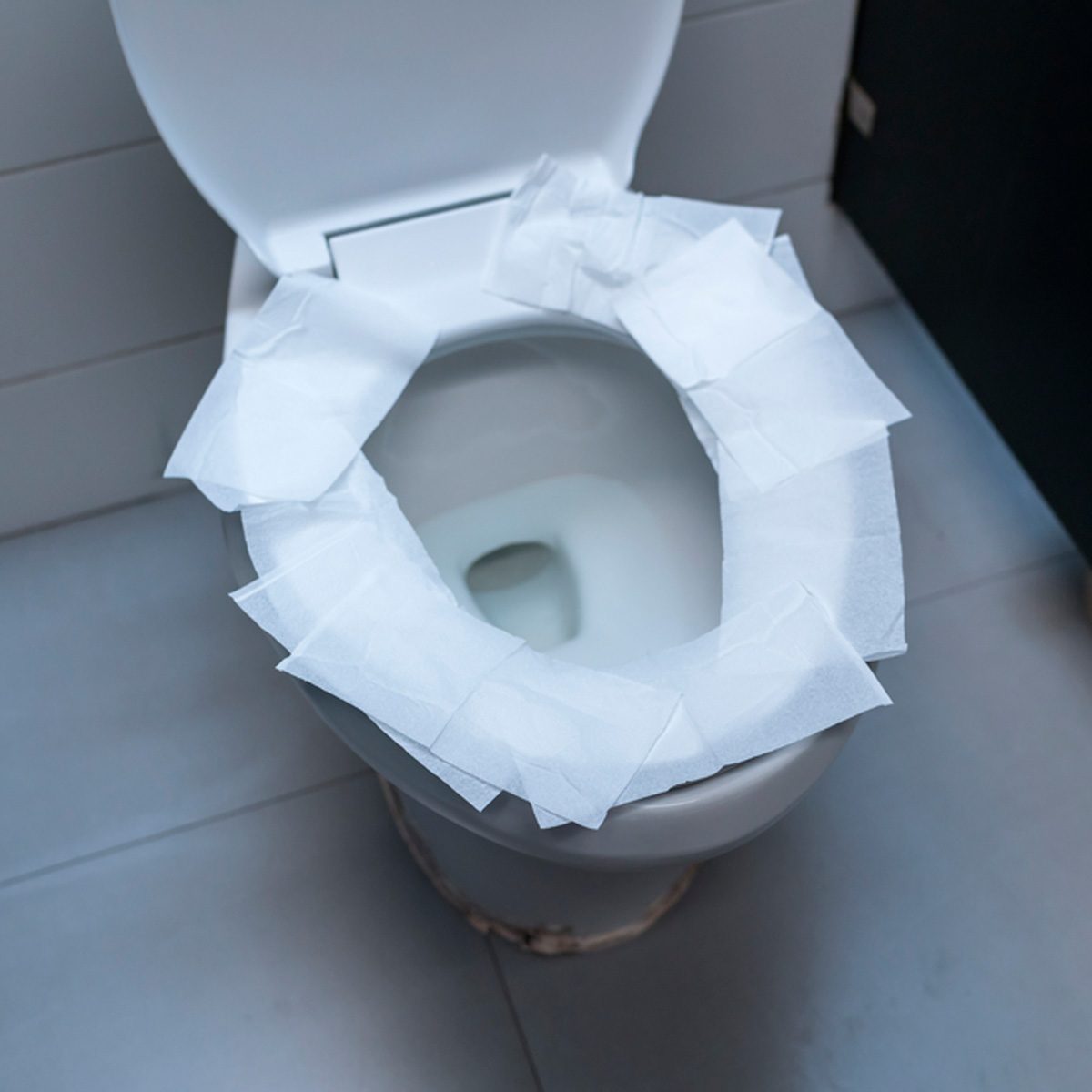

Let’s begin with a bathroom truth bomb: the biggest modern toilet myth is not that low-flow toilets are weak, or that you need half a roll of toilet paper to feel “safe.” It is this: if a product says “flushable,” it must be safe to flush. That myth has survived for years because the word sounds reassuring, the package looks confident, and the toilet does not usually object right away. It swallows the wipe, gives a polite gurgle, and sends you on your way. Case closed, right? Not exactly.
In reality, many products labeled “flushable” can still create problems inside household plumbing, septic systems, and municipal sewer lines. A wipe going down the bowl is not proof that it disappears the way toilet paper does. It just means gravity had a nice moment. What happens after that can involve clogs, backups, pump damage, expensive plumber visits, and a truly humbling conversation that begins with, “So… what exactly have you been flushing?”
If you want a simple rule, here it is: your toilet is not a tiny magical portal to another dimension. It is a plumbing fixture with limits, preferences, and a deep dislike of being treated like a trash can with water. The smartest homeowners, renters, landlords, and long-suffering plumbers all learn the same lesson sooner or later. The toilet wants only the basics. Everything else is drama.
The Toilet Myth Everyone Needs to Stop Believing
The myth: If it says “flushable,” it is fine for your pipes, sewer line, and septic system.
The reality: “Flushable” and “safe to flush” are not always the same thing in real-life plumbing. Many wipes can make it through the bowl and trap but still remain intact long enough to catch on rough pipe walls, snag at joints, twist around tree roots in older sewer lines, or combine with grease and other debris farther down the system. Toilet paper, by contrast, is designed to break down much faster in water.
That difference matters more than most people realize. Plumbing systems are not grading items on effort. A wipe does not get partial credit because it made it past the bowl. If it stays strong, stretches, tangles, or collects with other debris, it can become part of a clog that grows quietly for days, weeks, or months. In other words, the problem is not the first flush. The problem is the pileup.
Why This Myth Is So Easy to Believe
1. The product disappears, so people assume the danger is gone
The average flush is misleading. A wipe vanishes from sight, and your brain says, “Great, mystery solved.” But plumbing is a long game. The wipe you flushed on Monday may meet a paper towel from Tuesday, dental floss from Wednesday, and a heroic blob of kitchen grease from Thursday. By the weekend, your sewer line has built itself a disgusting little team project.
2. The packaging sounds more trustworthy than your plumber
Words like “gentle,” “septic-safe,” and “flushable” sound comforting. Meanwhile, the plumber is standing there in work boots telling you the bathroom equivalent of hard truths: don’t flush wipes, don’t flush paper towels, and no, the toilet is not impressed by your confidence. Marketing is smooth. Plumbing is blunt. Plumbing is also usually right.
3. People confuse “can be flushed” with “should be flushed”
A golf ball can fit in a toilet, but that does not make it a plumbing strategy. The same logic applies to wipes. The fact that something goes down the drain does not mean it breaks down properly, moves safely through the system, or leaves your home without causing trouble. Toilets are remarkably tolerant in the short term and wonderfully petty in the long term.
What Actually Happens After You Flush a Wipe
Inside the toilet and drain line
Toilet paper is made to soften, shred, and disperse quickly. Wipes are designed to stay durable while wet. That strength may feel luxurious in your hand, but it becomes a problem in a pipe. A sturdy wipe can fold, stretch, and cling to rough surfaces. In homes with older plumbing, minor buildup, or small shifts in the line, that is often enough to start a blockage.
And clogs are not always dramatic right away. Sometimes the warning signs are subtle: slower flushing, a toilet that burps like it has opinions, a shower drain that gurgles, or a smell that suggests your bathroom has entered a dark new chapter. Those little clues are often the plumbing equivalent of a throat clear before a screaming match.
Inside the sewer system
Once wipes leave your house, they do not suddenly become more cooperative. Municipal sewer systems deal with all the things people wishfully flush: wipes, paper towels, hygiene products, cotton swabs, floss, grease, and other classics from the “It’ll probably be fine” genre. Wipes can knot together, catch on equipment, and help form larger blockages sometimes called fatbergs. The name is weirdly adorable for something so foul.
These blockages do not merely annoy maintenance crews. They can slow wastewater flow, damage pumps, contribute to sewer backups, and force utilities to spend time and money clearing material that never should have been flushed in the first place. The bill eventually lands somewhere, and that “somewhere” tends to be homeowners, renters, cities, and ratepayers.
Inside septic systems
If your home uses a septic system, the myth gets even riskier. Septic systems depend on a delicate balance and are not designed to process random bathroom trash. Wipes, even when marketed as flushable, can accumulate, contribute to blockages, interfere with normal system function, and increase the likelihood of backups or expensive service calls. Septic problems are the kind of homeownership lesson no one wants twice.
The Real Difference Between Toilet Paper and Wipes
This is the part people skip, and it is the whole story. Toilet paper is engineered for fast breakup in water. That is literally its job. It is supposed to do its work and then gracefully fall apart like a soap-opera villain at the end of season three.
Wipes are engineered for strength, moisture, and durability. Again, that is their job. If a wipe fell apart instantly in your hand, you would be horrified. But the qualities that make wipes useful before flushing are the same qualities that make them risky after flushing. Strong while wet sounds wonderful in a package and terrible in a sewer line.
That is why so many plumbing professionals and wastewater utilities repeat the same rule: flush human waste and toilet paper only. It is not because they hate convenience. It is because they have seen what convenience looks like after it travels 40 feet and gets stuck in a bend with a paper towel and some grease.
Other “Innocent” Things People Wrongly Flush
Once people believe the flushable wipes myth, they often start believing a whole extended cinematic universe of bathroom myths. That is when trouble multiplies. Common offenders include:
- Paper towels and tissues
- Baby wipes and cleaning wipes
- Feminine hygiene products
- Cotton swabs and cotton pads
- Dental floss
- Cat litter
- Hair
- Medication
- Grease or oily substances washed into connected plumbing
If the item belongs in a trash can, medicine take-back program, or another disposal method, the toilet should not become its surprise second home. Toilets have one talent. We should respect that talent and not assign side quests.
How to Protect Your Toilet, Pipes, and Wallet
Keep a lined trash can in every bathroom
This is the easiest fix and the least glamorous, which is exactly why it works. If wipes, tissues, or personal care products have a clean, obvious place to go, they are far less likely to take an unnecessary swim. Add a lid if you want a cleaner look. Add a liner if you enjoy your own sanity.
Teach the household one simple rule
Use the “toilet paper and human waste only” rule. Some utilities make it even easier with the memorable bathroom version of minimalism: the toilet accepts pee, poop, puke, and toilet paper. That is it. Not “kind of flushable” wipes. Not “just this once” tissues. Not “but the box said.” The toilet does not read packaging.
Consider a bidet or bidet attachment
If your household likes wipes because they feel cleaner or more comfortable, a bidet can be a smarter long-term solution. Many homeowners switch and find they use less toilet paper, create less bathroom waste, and dramatically reduce the temptation to flush wipes. It is a rare bathroom upgrade that can make life cleaner and plumbing less dramatic.
Pay attention to warning signs early
If your toilet flushes slowly, bubbles strangely, backs up easily, or makes nearby drains gurgle, do not wait for a full bathroom disaster. A minor clog caught early is annoying. A main line backup during a weekend with houseguests is the sort of event that gets remembered at future holidays.
Why This Myth Costs So Much
The money loss is what finally convinces many people. One pack of wipes may seem harmless, but repeated flushing can lead to service calls, drain cleaning, damaged pumps, septic issues, water cleanup, flooring damage, drywall problems, and all the other little joys that appear when wastewater decides to reverse course.
There is also the public cost. Utilities and maintenance crews spend real time removing wipes and related debris from equipment and sewer lines. That effort means money, labor, and repairs that could have been avoided with better disposal habits at home. The flushable wipes myth feels personal when your own toilet clogs, but it becomes community-wide when sewer systems are strained by the same habit over and over again.
The Smarter Bathroom Habit
If you remember nothing else, remember this: successful flushing is not the same as safe flushing. The bowl is only the beginning of the journey, not the final review. A product that disappears from sight may still remain intact where it matters most.
The better habit is beautifully boring. Use toilet paper. Put wipes in the trash. Keep bathroom rules simple. Treat your toilet like a plumbing fixture, not a wishing well for things you hope will become someone else’s problem. Because eventually, very often, they become your problem again.
And that is the toilet myth worth retiring immediately. Your pipes, your plumber, your city sewer crew, and your future self would all like a word. The word is: thanks.
Real-Life Experiences Related to the “Flushable” Wipes Myth
One of the most common experiences people have starts innocently: a family buys wipes because they feel cleaner, softer, or more convenient than plain toilet paper. For weeks, nothing happens. The toilet flushes normally, and everyone assumes the package told the truth. Then one day the bowl rises a little too high, pauses like it is considering revenge, and slowly drains. That is usually when the household enters the first stage of plumbing grief: denial. “It must be a one-time thing,” someone says. It is rarely a one-time thing.
Another familiar experience happens in older homes. A renter or homeowner may live for months with no obvious issue, then suddenly notice a strange pattern. The upstairs toilet seems fine, but the downstairs shower starts gurgling. A sink bubbles. There is an odor nobody wants to identify out loud. Eventually a plumber runs a camera or clears the line and finds the usual suspects: wipes mixed with sludge and other debris. The surprise is always the same. People think the wipes vanished. The pipes know better.
Households with children often learn this lesson faster than they would like. Parents keep wipes in the bathroom because they are useful, then assume the “flushable” label means problem solved. But kids are enthusiastic flushers. They are not doing plumbing math. They are not calculating pipe diameter, dispersibility, or septic load. They are flushing with optimism. That optimism can become expensive when a toilet clogs during a busy morning and turns school drop-off into a frantic mop-and-plunger situation. It is a very efficient way to ruin everyone’s mood before 8 a.m.
Guests create another classic experience. Many hosts forget that visitors do not know the house rules, especially during holidays, parties, or long weekends. Someone uses a wipe, sees a toilet, and follows the path of least resistance. A few hours later, the bathroom starts acting suspicious. By the next day, the host is in a hardware store buying a plunger, rubber gloves, and the expression of a person rethinking every life decision that led to this moment. This is why quiet little bathroom signs and visible trash cans are underrated acts of hospitality.
Then there is the septic-system version of the story, which is even less fun. People on septic often assume “flushable” means “safe for septic” because the wording sounds close enough. It is not. A septic problem tends to announce itself in the worst possible way: slow drains, unpleasant smells, wet spots outside, or backups that make the bathroom feel like it has betrayed the family personally. Homeowners who go through that once usually become bathroom-rule evangelists forever. They will explain proper flushing to guests with the intensity of someone who has seen things.
Perhaps the most relatable experience is the embarrassed conversation after the plumber arrives. The plumber asks what has been going down the toilet. There is a pause. Someone says, “Just toilet paper… and maybe some flushable wipes.” The plumber gives That Look. Not a cruel look. Not even a surprised look. Just the look of a person who has heard this exact sentence hundreds of times before. That moment alone has probably saved more households from future wipe flushing than any product label ever has.
The good news is that people do change their habits once they connect the myth to real inconvenience. After one clog, one backup, one septic scare, or one awkward emergency visit, the bathroom setup usually changes fast. A trash can appears. Wipes stay available but no longer get flushed. Some families install a bidet. Others simplify everything and go back to plain toilet paper. The lesson is practical, memorable, and slightly annoying: the myth sounds convenient, but real-life experience says otherwise.
Conclusion
Stop believing the toilet myth that “flushable” automatically means harmless. In real homes and real plumbing systems, that assumption causes clogs, sewer trouble, septic headaches, and repair bills that nobody wants. The smarter rule is simple: flush human waste and toilet paper only, and put wipes in the trash. It may not sound exciting, but boring bathroom habits are often the cheapest ones.