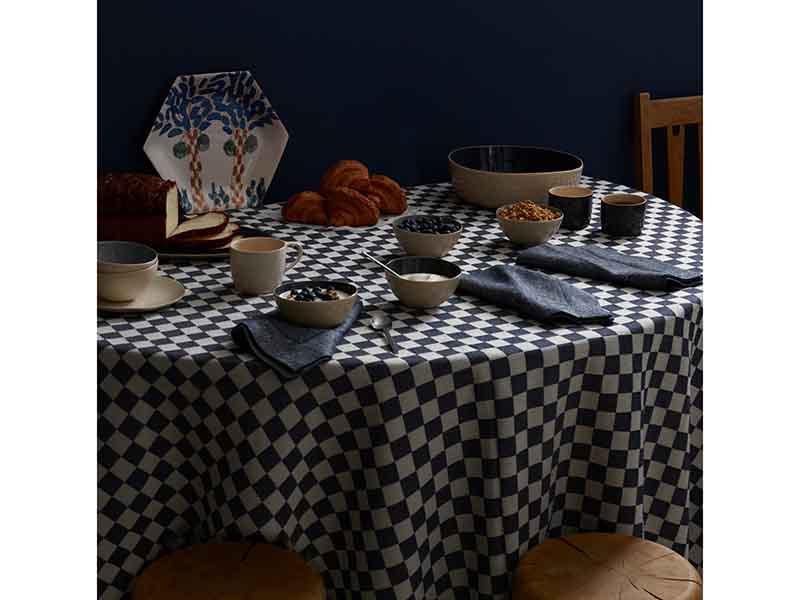

A navy check tablecloth has a rare decorating superpower: it can make a table feel polished without making dinner feel like a diplomatic banquet. The deep blue brings sophistication, while the check pattern keeps the mood approachable. Add white plates and a bowl of lemons, and you have breezy coastal style. Pair it with stoneware and wildflowers, and suddenly your dining room resembles a charming country inn where the bread is always warm.
Also described as a navy gingham tablecloth, blue check tablecloth, or navy plaid table covering, this versatile linen works for weekday breakfasts, backyard cookouts, birthday parties, holiday meals, and formal dinners with the right accessories. The secret is choosing the appropriate material, check scale, size, and styling details.
This guide explains how to choose a navy check tablecloth, calculate the correct dimensions, coordinate it with dinnerware, remove common stains, and use it throughout the year without making every meal look like the same picnic.
Why a Navy Check Tablecloth Works in So Many Rooms
Navy is dark enough to feel substantial but softer than black. It pairs naturally with white, cream, tan, gray, natural wood, brass, silver, green, yellow, and many shades of red. Meanwhile, a regular check pattern gives the eye an orderly visual rhythm. Together, the color and pattern create a table covering that is decorative but not difficult.
A navy and white check tablecloth can support several decorating styles:
- Coastal: White dishes, woven chargers, clear glassware, shells, and pale blue napkins.
- Farmhouse: Cream stoneware, wood serving boards, mason jars, and seasonal flowers.
- Traditional: White china, polished flatware, tailored napkins, and a symmetrical centerpiece.
- Modern: Matte black utensils, sculptural dishes, and a simple arrangement of greenery.
- Patriotic: Red napkins, white dinnerware, and understated star-shaped accents.
- Cottage-inspired: Floral plates, scalloped placemats, candles, and mixed vintage glassware.
The cloth can also disguise minor crumbs and small marks more effectively than a solid white tablecloth. This does not mean it possesses magical self-cleaning powers. It simply gives you a little breathing room when someone attacks a dinner roll with excessive enthusiasm.
Gingham, Check, or Plaid: What Is the Difference?
These terms are often used interchangeably in product descriptions, but they do not always describe the same pattern.
Gingham
Gingham typically uses white and one additional color in a uniform grid. The horizontal and vertical bands are evenly spaced, producing three visible tones: white, the main color, and a darker area where the colored bands overlap. A classic navy gingham tablecloth is therefore orderly, balanced, and easy to coordinate.
Check
“Check” is the broader term. It can describe gingham, windowpane, graph, buffalo check, or other patterns built from repeating squares. A navy check tablecloth may have tiny squares, broad blocks, fine lines, or an irregular hand-drawn appearance.
Plaid
Plaid usually contains multiple colors or stripes of different widths. It tends to look busier and more layered than gingham. A navy plaid tablecloth might include green, burgundy, gold, or gray in addition to blue and white.
For maximum decorating flexibility, choose a simple two-color check. It is easier to pair with patterned plates, floral napkins, and seasonal centerpieces than a multicolored plaid.
Choosing the Best Material
The pattern attracts attention, but the fabric determines how the tablecloth feels, hangs, washes, and survives family dinner. Before buying, consider how frequently you will use it and how much maintenance you are willing to tolerate.
Cotton
Cotton is an excellent everyday option. It feels soft, absorbs spills, and generally washes well. A cotton navy check tablecloth creates a relaxed, familiar look that suits kitchens, breakfast rooms, and casual dining spaces.
Pure cotton may shrink or wrinkle, especially when exposed to high heat. Check the care label, use a moderate drying temperature, and remove the cloth promptly rather than allowing it to spend an afternoon becoming one with the dryer drum.
Linen
A linen navy check tablecloth offers an elegant drape and visible natural texture. It is particularly effective for summer entertaining, formal lunches, and sophisticated farmhouse tables. Linen’s relaxed creases are often considered part of its charm, although people who demand military-level smoothness may want to keep an iron nearby.
Linen can require gentler washing and careful drying. It may also cost more than cotton or polyester, but high-quality linen tends to become softer with repeated use.
Cotton-Linen Blends
A blended tablecloth offers a practical compromise. Cotton contributes softness and washability, while linen adds texture and a refined drape. These blends work well for homeowners who want a premium appearance without treating the tablecloth like a museum artifact.
Polyester
Polyester is popular for parties, restaurants, outdoor events, and busy households because it usually resists wrinkles and dries quickly. Printed polyester can produce a crisp, consistent check pattern. It may not feel as natural as cotton or linen, but it is convenient and often budget-friendly.
Coated and Wipe-Clean Fabrics
For households with young children, craft projects, or famously enthusiastic sauce users, a coated cotton or wipe-clean tablecloth may be the smartest choice. These coverings preserve the decorative look of fabric while allowing many spills to be wiped away before they penetrate the fibers.
How to Select the Right Check Size
The scale of the pattern changes the personality of the tablecloth.
- Small checks: Neat, subtle, and suitable for traditional or compact dining spaces.
- Medium checks: The most versatile option for everyday tables and seasonal entertaining.
- Large checks: Bold, casual, and especially effective for picnics, patios, and farmhouse-style rooms.
- Windowpane checks: Cleaner and more contemporary, with thin navy lines over a light background.
Large-scale checks make a strong statement, so they look best with mostly solid dinnerware. Smaller checks behave almost like texture and can be layered with florals, stripes, and decorative plates.
How to Measure for a Navy Check Tablecloth
A beautiful pattern cannot rescue a tablecloth that looks like it borrowed its younger sibling’s clothing. Accurate measurements matter.
Measure the Table
For a rectangular table, measure the length and width. For a round table, measure the diameter through the center. If the table extends, take measurements with and without the leaves in place.
Choose the Desired Drop
The “drop” is the amount of fabric hanging below the tabletop. A drop of approximately 6 to 10 inches usually creates a comfortable casual look. A longer drop of about 12 to 15 inches appears more formal. Floor-length cloths may be used for buffets, weddings, or display tables.
Use the Tablecloth Formula
For rectangular tables:
Tablecloth length = table length + twice the desired drop
Tablecloth width = table width + twice the desired drop
For round tables:
Tablecloth diameter = table diameter + twice the desired drop
| Table Size | Desired Drop | Suggested Tablecloth Size |
|---|---|---|
| 36 × 60 inches | 9 inches | 54 × 78 inches |
| 40 × 72 inches | 10 inches | 60 × 92 inches |
| 42 × 84 inches | 12 inches | 66 × 108 inches |
| 48-inch round | 9 inches | 66-inch round |
| 60-inch round | 12 inches | 84-inch round |
Exact retail dimensions vary, so choosing the closest larger standard size is usually better than selecting a cloth that is too short. An extra inch or two looks generous. A cloth hovering awkwardly above the chair seats looks as though it reconsidered its commitment halfway down.
How to Style a Navy Check Tablecloth
Begin With White Dinnerware
White plates are the simplest partner for navy checks. They create contrast, prevent the table from feeling visually crowded, and allow food to remain the star. Cream dishes provide a warmer, softer variation, especially when combined with natural wood.
Add Texture With Placemats and Chargers
Woven rattan, seagrass, jute, or cane chargers bring warmth to a navy-and-white palette. For a polished indoor table, try silver, brass, or dark wood chargers. Use placemats only when they create a clear border around each place setting; undersized mats can disappear into a strong check pattern.
Choose Napkins That Create Balance
Solid white napkins create a classic look. Pale blue feels coastal, mustard adds warmth, sage green introduces a natural note, and red makes the arrangement festive. Patterned napkins can work, but their design should differ in scale. For example, pair a medium check tablecloth with a small floral napkin rather than another medium check competing for attention.
Keep the Centerpiece Simple
A navy check tablecloth already provides movement, so the centerpiece does not need to resemble a botanical parade float. Try one of these easy arrangements:
- A white ceramic pitcher filled with hydrangeas
- A wooden bowl containing lemons or green apples
- Three small glass vases with seasonal flowers
- A row of low candles in clear or brass holders
- A shallow bowl with pinecones, greenery, or ornaments
- Potted herbs for an informal kitchen table
Low arrangements are generally easier for dining because guests can see one another. Conversation is already complicated enough without negotiating around a three-foot eucalyptus tower.
Seasonal Decorating Ideas
Spring
Pair the tablecloth with blush pink napkins, tulips, pale green glassware, and white ceramic dishes. The navy provides structure while the pastels keep the table fresh.
Summer
Use woven chargers, clear tumblers, lemons, daisies, and striped napkins. For outdoor meals, add white enamelware and simple glass jars. Navy checks feel naturally at home during barbecues, seafood dinners, and Fourth of July celebrations.
Fall
Introduce burnt orange, caramel, wheat, brass, and dark green. Small pumpkins and warm wood serving pieces transform the blue pattern into an autumn foundation without requiring a tablecloth change.
Winter
Combine navy checks with silver, evergreen branches, white candles, and deep red accents. The result feels festive but more distinctive than the usual explosion of red-and-green plaid.
Using Navy Checks for Special Occasions
A navy check tablecloth is not limited to everyday dining. With intentional accessories, it can anchor many events.
Baby Showers and Birthday Parties
Pair navy checks with pale blue, white, yellow, or mint decorations. Use solid-colored plates and repeat the check pattern sparingly on ribbons or favor tags.
Backyard Cookouts
Choose washable cotton, polyester, or a coated fabric. Add melamine plates, galvanized containers, wooden serving boards, and condiment bottles arranged on a tray. The check pattern creates a picnic atmosphere even when the party is happening six feet from the kitchen door.
Brunches
Style the cloth with white dishes, glass pitchers, fresh fruit, pastries, and small flower arrangements. Yellow accents are especially cheerful against navy.
Formal Dinners
Select a fine check in linen or a cotton-linen blend. Add pressed napkins, polished flatware, stemmed glassware, candles, and restrained floral arrangements. A sophisticated fabric and a longer drop can make a familiar pattern feel surprisingly elegant.
How to Care for a Navy Check Tablecloth
Always begin with the manufacturer’s care label. Two tablecloths that look identical may have different fibers, dyes, finishes, or washing requirements.
Before the First Use
If the label permits washing, launder the tablecloth before its first major event. This removes packaging creases and reveals whether the fabric shrinks. Testing before Thanksgiving dinner is preferable to discovering afterward that your eight-seat tablecloth now prefers intimate dinners for four.
Routine Washing
Shake out crumbs before placing the cloth in the washer. Wash dark or strongly colored linens with similar colors, using a gentle detergent and the temperature specified on the care label. Avoid overloading the machine because a large tablecloth needs room to move and rinse properly.
Remove the cloth promptly after washing and drying. Leaving damp fabric bunched in the machine encourages deep wrinkles and may create unpleasant odors.
Protecting the Navy Color
Turn the tablecloth inside out when practical, use a gentle cycle, and avoid unnecessarily high heat. Do not use chlorine bleach on navy sections. When a stain treatment is required, test it on a hidden area first to check for color loss.
Ironing
Iron cotton or linen while it is slightly damp if the care label permits. Work from the reverse side to reduce the risk of creating shine on dark fabric. For a relaxed setting, smoothing the cloth by hand and accepting a few natural creases may be perfectly appropriate.
Storage
Make sure the tablecloth is completely clean and dry before storing it. Old food marks can darken over time, and moisture may encourage mildew. Fold the cloth loosely or roll it around an acid-free tube to minimize hard creases. Store it in a cool, dry cabinet rather than a humid basement or hot attic.
Removing Common Food Stains
Act quickly, but do not panic and scrub as though the stain insulted your family. Aggressive rubbing can spread a spill and damage the fibers.
Grease and Butter
Blot excess oil with a clean cloth. Apply a small amount of clear dishwashing liquid or suitable laundry detergent, let it work briefly, and wash according to the care label. Do not machine-dry the tablecloth until the stain has disappeared because dryer heat may make the mark harder to remove.
Coffee and Tea
Blot the liquid, rinse the affected area with cool water, and pretreat it with a fabric-safe stain remover. Work from the back of the stain when possible so the liquid is pushed out rather than deeper into the fibers.
Tomato Sauce
Lift away solid residue with a spoon or dull utensil. Rinse from the reverse side, pretreat the area, and wash. Inspect the cloth before drying.
Red Wine
Blot immediately with a clean absorbent cloth. Follow the product instructions for a color-safe stain treatment suitable for the tablecloth’s fiber. Avoid improvising with harsh chemicals, especially on navy-and-white fabric where uneven fading can be more noticeable than the original spill.
Candle Wax
Allow the wax to harden, then gently lift off as much as possible without pulling the threads. Treatment methods vary by fiber and dye, so consult the care label before using heat, solvents, or stain removers.
Common Decorating Mistakes to Avoid
- Using too many competing patterns: Let the navy check serve as the main pattern and limit additional prints.
- Ignoring the pattern alignment: Center the cloth so the checks run evenly along the tabletop.
- Choosing the wrong drop: A short drop can appear undersized, while an extremely long drop may interfere with chairs.
- Overloading the centerpiece: Preserve enough open space for plates, serving bowls, and human elbows.
- Mixing incompatible navy tones: Compare accessories in natural light because some navy shades lean purple while others lean green or gray.
- Skipping the care instructions: A beautiful tablecloth is less useful after an unauthorized encounter with hot water and maximum dryer heat.
What to Look for When Buying
Before ordering a navy check tablecloth, review the product description carefully. Focus on practical details rather than relying only on the styled photograph.
- Exact dimensions and table shape
- Fabric composition
- Machine-wash or hand-wash instructions
- Expected shrinkage
- Check scale and color contrast
- Hem quality and corner construction
- Whether the pattern is woven or printed
- Stain-resistant or water-resistant finishes
- Customer photos showing the actual navy color
A woven check may look richer from both sides because the pattern is created through colored yarns. A printed check can be more affordable and may offer sharper or more varied designs. Neither method is automatically superior; durability depends on the fabric quality, dyeing process, construction, and care.
Experiences With a Navy Check Tablecloth
The first lesson learned from using a navy check tablecloth regularly is that it changes dramatically depending on what is placed around it. During its first appearance, it was paired with white dinner plates, woven chargers, and yellow napkins for a casual summer lunch. The result looked cheerful and intentional, even though the centerpiece was merely a grocery-store bouquet divided among three drinking glasses. The table appeared decorated, but nobody was afraid to set down a bowl of potato salad.
The same cloth later served as the foundation for a fall dinner. The yellow napkins were replaced with rust-colored ones, and a wooden board filled with small pumpkins, pears, and candles ran down the center. Navy proved surprisingly compatible with autumn colors. It prevented the orange decorations from becoming too theme-park festive and gave the table a richer, more grounded appearance.
Pattern scale made a bigger difference than expected. A large navy check looked lively outdoors but dominated a small indoor breakfast table. On the compact table, the plates seemed to float over giant blue squares. A smaller gingham pattern felt better proportioned and allowed patterned coffee cups to join the setting without creating visual chaos.
Measuring the table also prevented an expensive mistake. One cloth that looked large enough in its folded package produced only a four-inch drop along the long sides. It technically covered the table, in the same way a hand towel technically covers a person. Replacing it with a size that provided an eight-inch drop immediately made the arrangement look more finished.
Cotton became the preferred material for ordinary use because it felt natural and improved after washing. It did wrinkle, but removing it from the dryer while slightly damp reduced the problem. Linen delivered the most elegant appearance for special meals, although ironing a large linen tablecloth required patience, space, and a temporary suspension of all other life goals.
The most useful stain lesson arrived courtesy of a spoonful of tomato sauce. Blotting, rinsing, and pretreating the mark before washing removed it successfully. The cloth was air-dried first so the stain could be inspected. That extra step mattered; putting a questionable stain directly into a hot dryer would have been a gamble with terrible odds.
Layering also required experimentation. Navy check paired beautifully with natural woven chargers and solid napkins. Adding striped placemats, floral dishes, patterned glasses, and decorative napkin rings at the same time made the table resemble a fabric sample convention. Removing two patterns restored balance immediately. The most reliable formula became one dominant pattern, one small supporting print, and several solid surfaces.
Outdoor use revealed another advantage: the checks disguised ordinary crumbs and tiny splashes during the meal. The cloth continued to look presentable through burgers, corn, lemonade, and a dessert served by children. Clips were essential on windy days, however. A stylish tablecloth becomes considerably less charming when it attempts to leave the party before the guests.
After several seasons, the navy check tablecloth proved most valuable not because it created one perfect look, but because it adapted. It supported patriotic summer meals without requiring stars on every object. It worked with pumpkins in October, evergreen branches in December, tulips in spring, and plain white dishes on uneventful Tuesdays.
The overall experience suggests that a medium-scale navy-and-white check in washable cotton or a cotton-linen blend is the most versatile choice for many homes. It is casual enough for breakfast, polished enough for guests, and forgiving enough for real life. Most importantly, it makes the table look prepared even when dinner itself is still sending smoke signals from the kitchen.
Conclusion
A navy check tablecloth combines classic color, approachable pattern, and impressive versatility. The right version can brighten a kitchen, soften a formal dining room, or turn an ordinary patio table into the center of a memorable gathering.
Choose the fabric according to your lifestyle, measure the table instead of guessing, and coordinate the checks with solid dinnerware and restrained accessories. Cotton offers everyday convenience, linen provides a graceful drape, polyester simplifies party cleanup, and blends balance appearance with practicality.
With thoughtful care and a few seasonal changes, one navy gingham tablecloth can support dozens of different tablescapes. It is dependable, stylish, and far less demanding than most dinner guests.
Note: Fabric treatments, dyes, and construction methods vary by manufacturer. Always follow the sewn-in care label and test stain-removal products on an inconspicuous area before treating the visible surface.