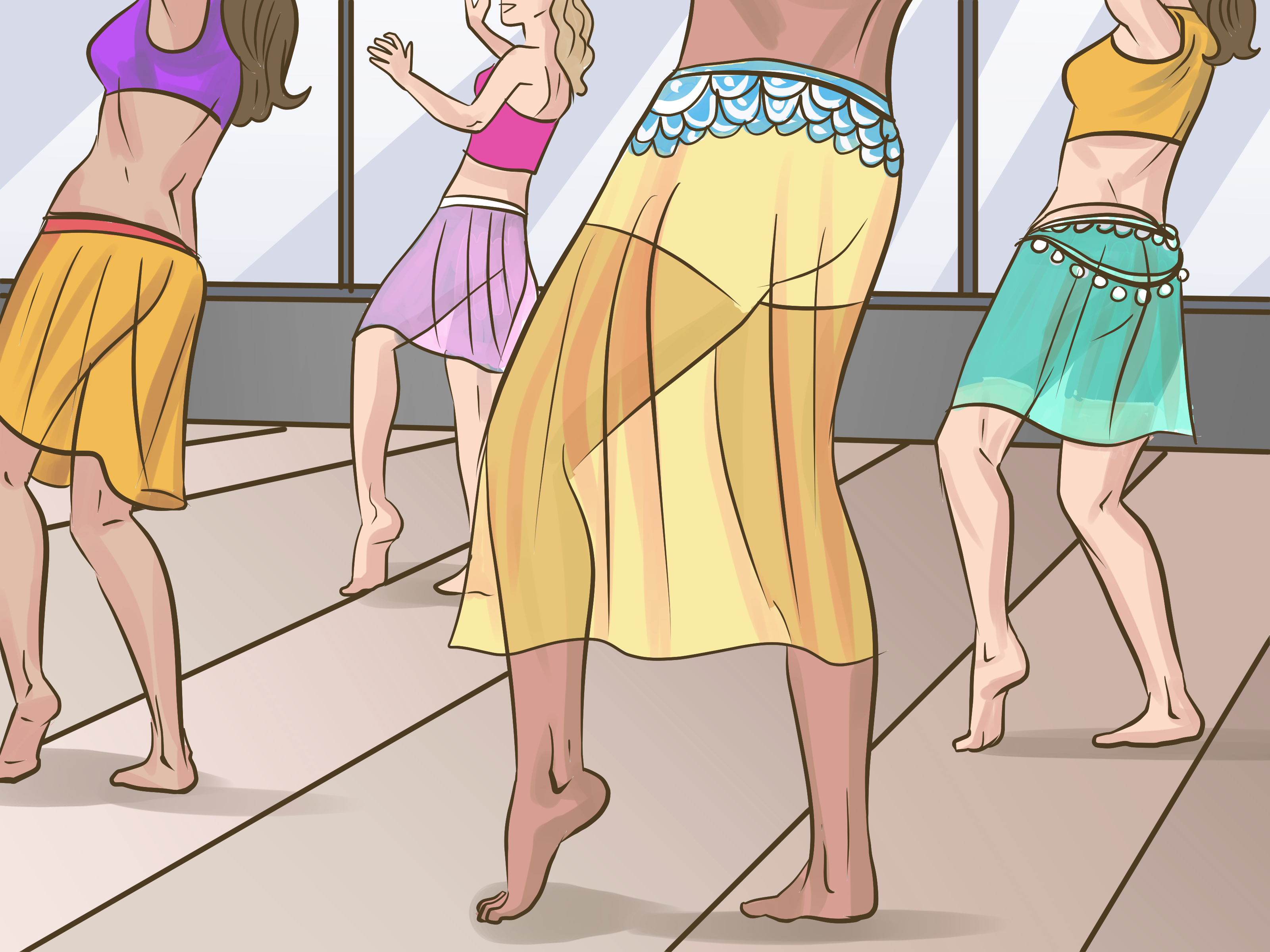

Want to learn how to bellydance like Shakira? First, let’s make one thing clear: no one becomes Shakira overnight. If hips could lie, mine would claim they already have a Grammy. But the good news is that Shakira’s signature style is built from learnable ingredients: belly dance isolations, Latin rhythm, strong posture, playful confidence, and musical expression.
Shakira’s dancing is famous because it blends cultures beautifully. Her Colombian roots bring Latin flavor, while her Lebanese heritage helped shape her love of Middle Eastern-inspired movement. The result is not just “shaking your hips.” It is controlled, musical, grounded, and full of personality. This guide breaks the process into 13 beginner-friendly steps so you can practice safely, build confidence, and develop a Shakira-inspired belly dance style without turning your living room into a chiropractic emergency.
What Makes Shakira’s Belly Dance Style Unique?
Shakira’s dance style is not traditional belly dance alone. It is a fusion of belly dance, Latin pop performance, Afro-Colombian energy, stage choreography, and expressive storytelling. Her most recognizable movements include hip circles, figure eights, chest isolations, shimmies, hair movement, dramatic arms, sharp accents, and smooth transitions between fast and slow rhythms.
To bellydance like Shakira, focus less on copying every move exactly and more on learning the foundation behind the magic. The goal is to move with control, rhythm, and charisma. Think of your hips as the drum, your torso as the melody, and your face as the part that says, “Yes, I absolutely meant to do that.”
How to Bellydance Like Shakira: 13 Steps
1. Start With a Proper Warm-Up
Before you attempt hip drops, shimmies, or any dramatic “Hips Don’t Lie” moment, warm up your body. Belly dance uses the core, hips, knees, back, shoulders, and feet. A cold body is stiff, and a stiff body does not create fluid movement.
Begin with 5 to 10 minutes of gentle movement. Roll your shoulders, circle your neck slowly, loosen your wrists, march in place, and do easy hip circles. Add light dynamic stretches such as side reaches, torso twists, ankle rolls, and gentle knee bends. The goal is not to exhaust yourself before the dance starts. The goal is to tell your muscles, “Good morning, team. We have choreography.”
2. Build the Right Belly Dance Posture
Shakira’s movement looks effortless because her posture is strong. Stand with your feet about hip-width apart. Keep your knees soft, not locked. Lengthen your spine, relax your shoulders, and gently engage your lower belly. Your chest should feel lifted but not stiff.
Avoid arching your lower back too much. Many beginners push the hips back and the ribs forward, which can strain the spine. Instead, imagine your pelvis is a bowl of water. Keep it balanced so the water does not spill forward or backward. This neutral posture gives you more control for belly dance moves like hip lifts, drops, circles, and undulations.
3. Learn Hip Isolations First
Hip isolations are the secret sauce of belly dance. An isolation means moving one body part while keeping the rest relatively still. To practice, stand in front of a mirror and shift one hip up, then down. Then move one hip forward and back. Keep your upper body calm while your hips do the talking.
Start slowly. Speed comes later. If your shoulders are bouncing, your knees are panicking, and your face looks like you are solving algebra, slow down. Clean movement is more important than big movement. Shakira’s hips look powerful because they are precise, not random.
4. Practice the Classic Hip Circle
The hip circle is one of the easiest belly dance moves to recognize and one of the most useful for a Shakira-inspired routine. Stand with bent knees and imagine drawing a circle with your hips. Push the hips to the right, forward, left, and back. Then reverse the direction.
Keep your chest lifted and your feet grounded. Make the circle smooth, like stirring thick honey. For a stage-ready look, add relaxed arms overhead or frame your face with your hands. Once you feel comfortable, try smaller circles, larger circles, and circles that match different tempos of music.
5. Master the Figure Eight
The figure eight creates that fluid, snake-like hip motion often associated with belly dance. There are several variations, but beginners can start with the horizontal figure eight. Imagine your hips drawing the number eight sideways on the floor.
Push your right hip forward and around, then your left hip forward and around. Keep the knees soft and the upper body steady. This move builds control and gives your dancing a hypnotic flow. Shakira often uses figure-eight-style motion to make transitions look seamless instead of choppy.
6. Add Hip Drops and Hip Lifts
Hip drops and hip lifts add accents to your dancing. To practice a hip lift, shift your weight slightly to one leg and lift the opposite hip using your side waist muscles. For a hip drop, release that same hip downward with control. The movement should be crisp, not floppy.
Try repeating: lift, drop, lift, drop. Then add music. Use hip drops to mark drum beats or strong accents in a song. Shakira’s choreography often plays with musical punctuation, so these small movements help you look connected to the rhythm instead of simply decorating the beat.
7. Work on Your Shimmy
The shimmy is where many beginners either fall in love with belly dance or question all their life choices. A basic knee shimmy comes from quickly bending and straightening the knees so the hips vibrate. The key is relaxation. If you tense everything, the movement gets stuck.
Stand with feet hip-width apart. Bend both knees slightly. Alternate the knees forward and back in a tiny, quick motion. Let the hips respond naturally. Do not force the shake from your lower back. Start for 10 seconds, rest, then repeat. Over time, your shimmy will become smoother, faster, and less like a washing machine trying to escape the laundry room.
8. Train Chest and Rib Cage Isolations
Shakira’s belly dance style is not only about hips. Her chest and rib cage control add elegance and drama. Practice sliding your rib cage right and left while keeping your hips still. Then move the ribs forward and back. Finally, combine these directions into a chest circle.
Keep your shoulders relaxed. Many beginners accidentally turn rib isolations into shoulder shrugging. The movement should come from the torso, not from lifting your shoulders to your ears. Chest isolations are excellent for slow music, transitions, and expressive moments where the dance needs softness.
9. Learn the Belly Roll or Undulation
The belly roll and body undulation are signature movements in Shakira-inspired dancing. A full belly roll takes practice because it requires deep abdominal control. Beginners can start with a body wave. Lift the chest, soften the ribs, engage the upper belly, then release through the lower belly and pelvis.
Think of the movement as a wave traveling down the front of the body. Do not worry if it looks subtle at first. In belly dance, subtle often means sophisticated. With time, you can make the undulation larger, smoother, and more dramatic. This move is perfect for slow introductions or sensual musical breaks.
10. Use Your Arms Like a Performer
Arms can make belly dance look polished, or they can make you look like you are trying to direct airport traffic. Shakira often uses arms to frame the torso, emphasize the hips, and create stage presence. Keep your arms soft, long, and intentional.
Practice three basic arm positions: arms overhead, arms out to the sides, and one arm overhead while the other frames the hip. Keep wrists relaxed and fingers elegant. Avoid stiff “robot hands.” Your arms should support the movement, not compete with it. When in doubt, move them slowly and confidently.
11. Add Latin Flavor and Footwork
What makes Shakira’s belly dance style pop-friendly is the fusion. She blends Middle Eastern-inspired isolations with Latin footwork, hair movement, and stage attitude. Add simple steps such as side-together-side, step-touch, and small traveling steps.
Try combining a hip circle with a side step. Then add a shoulder accent or a hair toss. Keep the movement musical rather than frantic. You do not need complicated footwork to look good. In fact, clean beginner steps with excellent rhythm often look better than advanced steps performed like a caffeinated octopus.
12. Practice With Shakira-Style Music Choices
To capture the feeling, practice with songs that have strong percussion, Latin grooves, or Middle Eastern-inspired accents. Shakira songs such as “Ojos Así,” “Whenever, Wherever,” “Hips Don’t Lie,” and “She Wolf” offer different rhythms and moods. Use slower sections to practice arms and undulations. Use stronger beats for shimmies, hip drops, and traveling steps.
Listen before you dance. Count the rhythm. Notice where the beat drops, where the vocals stretch, and where the percussion gets sharper. Great dancers do not just move on top of the music; they move inside it.
13. Put It Together in a Simple Routine
Once you know the basics, build a short routine. Keep it simple and repeatable. Here is a beginner-friendly Shakira-inspired combination:
- Start with two slow hip circles to the right.
- Reverse with two hip circles to the left.
- Add four hip drops on the right side.
- Perform a horizontal figure eight for two counts of eight.
- Add a chest circle and arm sweep.
- Finish with a knee shimmy and strong pose.
Practice this combination slowly first, then gradually increase speed. Record yourself if possible. Video feedback can feel humbling, but it is useful. You may discover that your “dramatic stage face” looks more like you smelled suspicious leftovers. That is normal. Performance grows with practice.
Common Mistakes Beginners Should Avoid
Forcing the Hips
Belly dance should feel controlled, not painful. Do not yank your hips or twist aggressively. Most movement comes from the knees, glutes, obliques, and deep core muscles working together. If something hurts, stop and adjust.
Locking the Knees
Locked knees make hip movement stiff and can increase strain. Keep your knees soft so your hips can move freely. Soft knees are the shock absorbers of belly dance.
Ignoring the Upper Body
If your hips are moving but your arms, chest, and face look forgotten, the dance feels incomplete. Shakira’s style is full-body performance. Train expression, posture, and arms along with hip technique.
Trying to Be Too Sexy Too Soon
Confidence is great. Forced performance is awkward. Focus on rhythm, technique, and musicality first. The charisma will grow naturally. Real stage presence comes from comfort, not from making “music video eyes” at your houseplants.
How Often Should You Practice?
For beginners, 15 to 25 minutes of practice, three to five times per week, is better than one exhausting session on the weekend. Belly dance uses small muscles that need repetition. Short, consistent practice helps your nervous system understand the movements.
A simple weekly plan could look like this: one day for hip isolations, one day for shimmies, one day for chest and arms, one day for combinations, and one day for freestyle dancing. Freestyle is important because it teaches you to respond to music instead of memorizing movements like a dance robot with Wi-Fi problems.
What to Wear When Practicing Belly Dance
You do not need a fancy costume to begin. Wear comfortable clothing that lets you see your hips and torso. Leggings, a fitted top, and a scarf tied around the hips work well. A hip scarf with coins can help you hear the rhythm of your movements, but it is optional.
Practice barefoot or in dance shoes that allow safe movement. Avoid slippery socks on smooth floors unless your goal is to invent a new dance called “Emergency Split.” Keep your practice area clear of furniture, pets, and coffee tables with a personal vendetta against toes.
Respect the Cultural Roots of Belly Dance
Learning how to bellydance like Shakira should include respect for the dance’s cultural roots. Belly dance is connected to Middle Eastern, North African, Mediterranean, and social dance traditions, with many regional styles and histories. Shakira’s version is a pop-stage fusion, not the entire tradition.
If you enjoy this style, explore traditional teachers, music, rhythms, and terminology. Learn about raqs sharqi, baladi, drum solos, veil work, and regional dance influences. Respect turns imitation into appreciation and gives your dancing more depth.
of Real Practice Experience: What It Feels Like to Learn Shakira-Style Belly Dance
The first experience many beginners have with Shakira-inspired belly dance is surprise. From the outside, her movements look spontaneous, as if her hips simply received a private message from the universe. But once you try the steps, you quickly realize that the “effortless” look is built on serious control. A hip circle seems easy until your ribs join the party, your knees forget their assignment, and your arms hover in the air like confused flamingos.
One of the most useful experiences is practicing in front of a mirror. At first, the mirror may feel like a brutally honest dance partner. You think you are doing a smooth figure eight, but the mirror reports that you are mostly shifting your weight and making a determined face. Do not be discouraged. This is part of the process. The mirror helps you separate imagination from technique. Over time, you begin to see small improvements: a cleaner hip drop, a smoother chest circle, a shimmy that lasts longer than three heroic seconds.
Another important lesson is that smaller movements often look better. Beginners usually try to make everything big because they want drama. But Shakira’s dancing works because she controls tiny accents as well as large movements. A small hip lift on the beat can look sharper than a giant uncontrolled swing. A slow arm sweep can look more elegant than throwing both arms around and hoping for glamour. The body learns best when the movement is clear.
Music also changes everything. Practicing without music is helpful for technique, but dancing with music teaches personality. When you play a song like “Ojos Así,” the rhythm almost asks for sharper hip accents and mysterious arms. When you play “Hips Don’t Lie,” the mood becomes brighter, bouncier, and more playful. The same hip circle can feel completely different depending on the beat. This is where dancing becomes fun instead of just exercise.
A common experience is feeling awkward during arm practice. Many beginners focus so much on hips that the arms become stiff decorations. One simple trick is to imagine your arms moving through water. This keeps them soft and continuous. Another trick is to let the hands frame the movement. If your right hip drops, your right hand can hover near the hip. If your chest circles, your arms can open slowly to draw attention to the torso. The arms become a spotlight.
Confidence usually arrives after consistency, not before it. You may not feel confident on day one, and that is fine. Confidence grows when your body starts recognizing the patterns. After a few weeks, the warm-up feels familiar, the shimmy becomes less chaotic, and your hips respond faster to rhythm. You stop thinking about every single muscle and start enjoying the music.
The best experience is the moment you stop trying to “be Shakira” and start dancing as yourself with Shakira-inspired energy. That is when the movement becomes authentic. You borrow the sparkle, the rhythm, and the fusion style, but your personality fills in the rest. And honestly, that is the real secret. The hips may not lie, but they definitely appreciate practice.
Final Thoughts: Dance With Control, Joy, and Personality
Learning how to bellydance like Shakira is not about copying a celebrity move for move. It is about understanding the foundation behind her style: strong posture, hip isolations, shimmies, chest control, fluid arms, Latin rhythm, cultural appreciation, and fearless performance energy.
Start slowly, respect your body, and practice consistently. Celebrate small wins, laugh at awkward moments, and let the music guide you. With time, your movements will become smoother, your confidence will grow, and your hips may finally start telling the truth in full rhythm.
Note: This article is an original, web-ready educational piece synthesized from reputable dance, fitness, and Shakira-related public information. It is designed for general learning and entertainment, not as medical advice. If you have injuries, chronic pain, pregnancy concerns, or mobility limitations, consult a qualified health or dance professional before beginning a new dance routine.