
Plain drywall is reliable, hardworking, and about as emotionally thrilling as a bowl of unseasoned oatmeal. That is exactly why planked walls have become one of the easiest ways to give a home texture, warmth, and actual personality without moving walls, replacing floors, or suddenly pretending you enjoy demolition dust.
Whether you love crisp white shiplap, cozy reclaimed wood, beachy beadboard, dramatic black slats, or a modern vertical plank wall that whispers “boutique hotel” instead of “weekend project gone rogue,” the right planked wall look can transform a room fast. It can make a bedroom feel layered, a bathroom feel charming, a living room feel custom, and an entryway feel like it finally got invited to the design party.
The beauty of planked wall ideas is their flexibility. They can be rustic or refined, farmhouse or modern, budget-friendly or luxury-level polished. The secret is choosing the right style, scale, color, and placement for your home instead of installing boards everywhere and hoping your house develops a charming personality through sheer lumber volume.
Why Planked Walls Work So Well
Planked walls add something paint alone usually cannot: dimension. A flat wall can look clean, but a planked wall catches light, creates shadow lines, and gives the eye a reason to linger. Even when painted the same color as the surrounding walls, planks introduce subtle texture that makes a room feel finished.
They are also surprisingly versatile. In a small powder room, vertical planks can make the ceiling feel taller. In a narrow hallway, horizontal boards can visually stretch the space. In a large living room, a wood planked accent wall can break up blank expanses and create a natural focal point around a fireplace, sofa, or media console.
Planked wall treatments also fit many budgets. Real wood boards, MDF panels, plywood strips, PVC panels, reclaimed boards, and peel-and-stick planks all create different effects. Some are weekend-DIY friendly, while others are better handled by a professional, especially when outlets, moisture, uneven walls, or built-ins are involved.
1. Classic White Shiplap for a Clean, Timeless Look
Shiplap is the celebrity of planked walls. It had its farmhouse era, got invited into coastal homes, showed up in modern cottages, and somehow still has enough range to look fresh when used thoughtfully. Traditional shiplap uses boards with overlapping edges or grooves that create those familiar horizontal shadow lines.
For a timeless look, paint shiplap warm white, soft cream, or a gentle greige. This keeps the texture visible without making the wall too busy. A white shiplap wall behind a bed can act like a built-in headboard. Around a fireplace, it can make the entire wall feel intentional and architectural.
Best rooms for white shiplap
White shiplap works beautifully in bedrooms, living rooms, mudrooms, breakfast nooks, and bathrooms with proper moisture-resistant materials. It is especially useful when you want a cozy look that still feels bright and clean.
Design tip
Avoid using white shiplap on every wall unless the room truly supports it. One feature wall often feels stylish; four walls can start to feel like you accidentally moved into a very enthusiastic beach rental.
2. Vertical Planks for Height and Modern Style
If horizontal shiplap feels too familiar, turn the boards upright. Vertical planked walls are one of the best ways to make a room feel taller and more contemporary. The long lines pull the eye upward, which is especially helpful in small bedrooms, powder rooms, entryways, and homes with standard ceiling heights.
Vertical planks can look clean and minimal when painted the same color as the wall trim. They can also feel warm and organic when finished in oak, pine, walnut, or another natural wood tone. In modern interiors, narrow vertical boards create a sleek rhythm that pairs well with simple furniture, linen textures, stone accents, and matte black hardware.
Best rooms for vertical planks
Use vertical plank walls in entryways, bedrooms, stair landings, bathrooms, and dining areas. They are especially effective behind vanities, beds, benches, and console tables.
Design tip
Keep board spacing consistent. Tiny irregularities become surprisingly noticeable once painted. Your wall should say “custom detail,” not “measuring tape betrayal.”
3. Beadboard for Cottage Charm
Beadboard is a classic planked wall treatment made with narrow vertical grooves and rounded bead details. It has a lighter, more delicate look than wide planks, which makes it ideal for bathrooms, laundry rooms, kitchens, mudrooms, and cozy cottage-style spaces.
One of the most popular ways to use beadboard is as wainscoting on the lower half or lower third of a wall. Add a chair rail or cap trim on top, paint it white or a soft color, and suddenly the room looks like it has always had character. Beadboard is also a practical choice in hardworking rooms because it adds visual interest while helping protect walls from scuffs.
Best rooms for beadboard
Try beadboard in powder rooms, kids’ bathrooms, breakfast areas, laundry rooms, mudrooms, and casual kitchens. It can also soften a hallway or add charm to a built-in bench nook.
Design tip
For a fresh update, paint beadboard a color other than white. Sage green, dusty blue, mushroom beige, charcoal, or muted navy can make beadboard feel less predictable and more designed.
4. Board-and-Batten for Architectural Drama
Board-and-batten is not always a “planked wall” in the narrowest sense, but it belongs in the conversation because it uses vertical boards or strips to create strong architectural lines. Wide panels are framed by narrower battens, giving the wall depth and structure.
This look works well in farmhouse, Craftsman, traditional, transitional, and modern homes. It can be installed full-height for drama or used as lower-wall wainscoting for a tailored look. In a dining room, board-and-batten can make the space feel more formal. In a bedroom, it adds texture without needing much art. In an entryway, it creates a natural place for hooks, benches, and storage.
Best rooms for board-and-batten
Use board-and-batten in dining rooms, bedrooms, nurseries, hallways, staircases, home offices, and mudrooms. It is especially helpful when a room needs structure but not a busy pattern.
Design tip
Plan the layout around outlets, windows, and corners before cutting anything. A slightly adjusted spacing plan can save you from ending with one awkward tiny panel that looks like it lost a fight with geometry.
5. Natural Wood Planks for Warmth
Natural wood planked walls bring instant warmth to a room. Light oak, maple, ash, and pine can make a space feel relaxed and Scandinavian-inspired. Dark walnut or stained wood can create a rich, moody, library-like atmosphere. The key is balancing wood tones with the rest of the room.
A natural wood plank wall looks beautiful behind a bed, in a home office, around a fireplace, or behind floating shelves. It also pairs well with white walls, stone, black metal, leather, wool, woven baskets, and indoor plants. Basically, if your room needs warmth but you do not want to add another throw blanket that no one is allowed to actually use, wood planks are a strong choice.
Best rooms for natural wood planks
Try natural wood in living rooms, bedrooms, offices, dens, reading corners, and dining rooms. Use moisture-appropriate materials if installing in bathrooms or basements.
Design tip
Do not mix too many competing wood tones in one room. If your floors are warm oak, choose wall planks that complement rather than clash. Repeating a similar undertone helps the room feel cohesive.
6. Reclaimed Wood for Rustic Character
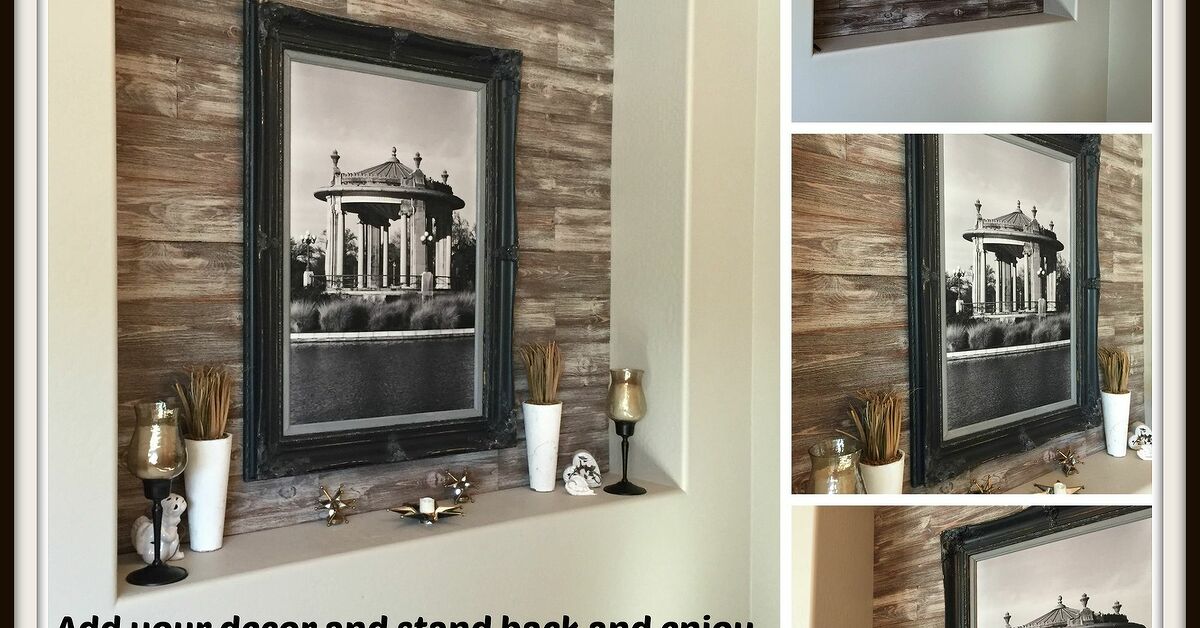
Reclaimed wood planked walls are perfect when you want texture, history, and a little beautiful imperfection. Weathered boards can bring farmhouse, cabin, industrial, or rustic charm to a space. Each plank has its own color variation, knots, nail marks, and grain pattern, which means the finished wall feels collected rather than manufactured.
Because reclaimed wood can be visually strong, it usually works best as an accent wall rather than a full-room treatment. A reclaimed wood wall behind a media console, bar area, bed, or dining table can become the room’s main feature.
Best rooms for reclaimed wood
Use reclaimed wood in dens, basements, game rooms, rustic kitchens, bedrooms, and living rooms. It is also great for small zones like reading nooks or built-in shelving backs.
Design tip
Pair rustic boards with cleaner furniture lines to keep the look current. Too many distressed finishes in one room can make the space feel less “curated home” and more “abandoned barn gift shop.”
7. Black or Charcoal Planked Walls for a Bold Statement
Dark planked walls are dramatic in the best way. Black, charcoal, espresso, and deep navy planks create a sophisticated backdrop that can make art, brass lighting, warm wood furniture, and crisp bedding stand out beautifully.
A dark planked wall works especially well in bedrooms, dining rooms, home offices, and media rooms. The texture prevents the color from feeling flat, while the deep shade adds mood and contrast. This is a smart choice when you want a room to feel cozy, polished, and a little daring.
Best rooms for dark planked walls
Try dark planks behind a bed, around a fireplace, in a study, or on a dining room feature wall. In smaller spaces, balance the dark wall with lighter floors, mirrors, good lighting, and simple decor.
Design tip
Use a satin or eggshell finish instead of high gloss for most dark planked walls. A softer sheen hides minor imperfections better and gives the wall a richer look.
8. Fluted and Slatted Wood Walls for a Modern Upgrade
Fluted and slatted wall panels are ideal for homeowners who want texture with a modern edge. Instead of wide planks, these treatments use narrow vertical strips or grooves to create a refined linear pattern. The result feels upscale, warm, and architectural.
Slatted wood walls are especially popular behind TVs, in entryways, along staircases, and in home offices. They can also help visually separate spaces in open floor plans. Some acoustic-style slat panels may even soften sound, making them useful in media rooms and work-from-home spaces.
Best rooms for fluted or slatted walls
Use this look in living rooms, offices, bedrooms, dining rooms, and entryways. It pairs well with minimalist furniture, stone surfaces, modern lighting, and neutral palettes.
Design tip
Keep surrounding decor simple. Slatted walls already have a strong rhythm, so they do not need a crowd of competing patterns yelling for attention.
9. Painted Plank Walls for Color and Personality
One of the easiest ways to personalize a planked wall is with paint. White is classic, but color can make the treatment feel custom. Soft green planks can bring a calming garden-room mood. Blue-gray planks feel coastal without needing seashells to file a formal appearance. Terracotta, clay, or warm beige creates earthy comfort. Deep green or navy adds drama without overwhelming the room.
Painting the planks, trim, and surrounding wall in the same color creates a seamless, built-in look. Painting the planked wall a contrasting color makes it a clear focal point. Both options can work; the right choice depends on how bold you want the room to feel.
Best rooms for painted planks
Painted planked walls work almost anywhere: bedrooms, playrooms, bathrooms, dining rooms, laundry rooms, offices, and living rooms.
Design tip
Test paint colors on the actual wall before committing. Plank grooves create shadows, which can make colors appear deeper than they look on a flat sample card.
10. Half-Wall Planking for Subtle Texture
If a full planked wall feels like too much, try a half-wall treatment. Planking the lower portion of a wall adds character while leaving space above for paint, wallpaper, mirrors, or art. This is a great way to get texture without visually shrinking the room.
Half-wall planking is especially useful in bathrooms, hallways, dining rooms, and mudrooms. It can also protect high-traffic areas from scuffs, backpacks, pet chaos, and the mysterious wall marks that appear in homes as if drywall has a secret nightlife.
Best rooms for half-wall planking
Use it in powder rooms, breakfast nooks, stairways, mudrooms, laundry rooms, and kids’ spaces.
Design tip
Finish the top edge with clean cap molding. That little detail makes the project look intentional instead of unfinished.
How to Choose the Right Planked Wall Look
Before choosing a planked wall style, think about the room’s purpose, natural light, ceiling height, and existing finishes. A dark slatted wall may look stunning in a bright office but too heavy in a tiny hallway with no windows. White beadboard may be perfect in a cottage bathroom but too sweet for a sleek modern loft.
Also consider maintenance. Grooves and seams can collect dust, especially in kitchens and bathrooms. Smooth painted planks are easier to wipe down than rough reclaimed wood. In moisture-prone spaces, choose materials designed to handle humidity, such as PVC, treated wood, or properly sealed panels.
Scale matters too. Wide boards feel relaxed and bold. Narrow boards feel classic and detailed. Vertical lines add height. Horizontal lines add width. Natural wood warms up a room. Painted planks blend better with existing architecture. Reclaimed boards add character, while fluted panels add polish.
Installation Details That Make a Big Difference
A beautiful planked wall depends on planning. Measure carefully, locate studs, check whether the wall is level, and decide how the boards will meet corners, trim, ceilings, outlets, and baseboards. Even small details like caulking seams, filling nail holes, sanding edges, and using the right primer can change the final result.
For DIY projects, pre-primed MDF or panel sheets can be easier than individual boards. Peel-and-stick planks can work for renters or quick makeovers, though they may not have the same durability as nailed or glued wood. For bathrooms, basements, or exterior-adjacent walls, moisture resistance should be a top priority.
When in doubt, start with one accent wall. It gives you the impact of planking without committing the entire room to a design decision that might later feel like it joined a cult of boards.
Real-World Experience: What Planked Walls Teach You After the Excitement Wears Off
Planked walls look simple in photos, but the real experience of living with them teaches you a few practical lessons. First, lighting changes everything. A wall that looks soft and subtle in morning light may show every groove and shadow by evening. This is not a bad thing; it is part of the charm. But it means you should look at samples throughout the day before choosing a paint color, stain, or plank direction.
Second, trim matters more than beginners expect. The boards themselves may get all the attention, but the edges decide whether the wall looks professional. Clean transitions around windows, doors, baseboards, and ceilings make the difference between “custom millwork” and “we had three coffees and a nail gun.” A simple piece of corner trim or cap molding can rescue a project from looking unfinished.
Third, planked walls make decorating easier, but not automatic. A textured wall already has movement, so you may need less art than you think. Large simple pieces often look better than a busy gallery wall on top of strong plank lines. In bedrooms, one oversized print or a pair of sconces can be enough. In living rooms, floating shelves should be styled lightly so the wall can breathe.
Fourth, dust is real. Planked walls with grooves, beads, or slats can collect a fine line of dust over time. It is not dramatic, but it does exist. A microfiber cloth, vacuum brush attachment, or gentle duster solves the problem quickly. If you are choosing a wall treatment for a kitchen, bathroom, or laundry room, smoother painted surfaces will usually be easier to clean than rough reclaimed boards.
Fifth, the best planked wall looks are the ones that match the house instead of fighting it. A 1920s cottage may love beadboard. A new-build home may benefit from board-and-batten that adds architectural bones. A modern condo may look amazing with vertical oak slats. A casual family room may feel warmer with painted shiplap around the fireplace. When the style feels connected to the home, the wall looks timeless rather than trendy.
Finally, planked walls remind you that transformation does not always require a massive remodel. Sometimes one carefully planned wall can change the mood of an entire room. It can make a basic bedroom feel layered, a hallway feel designed, or a bathroom feel like it belongs in a charming inn where the towels are magically fluffy. That is the real power of planked walls: they create atmosphere, not just decoration.
Conclusion: The Right Planked Wall Can Redefine a Room
The best planked wall looks are not about blindly following trends. They are about using texture, color, direction, and material to improve how a room feels. Classic white shiplap adds brightness and charm. Vertical planks create height. Beadboard brings cottage character. Board-and-batten adds structure. Natural wood warms up modern spaces. Reclaimed boards tell a rustic story. Dark planks create drama. Slatted panels deliver clean, contemporary style.
Choose the look that supports your home’s architecture, your lifestyle, and the mood you want the room to have. Plan the details carefully, use materials suited to the space, and remember that one great planked wall is often more powerful than covering every surface in sight. Done well, a planked wall does not just decorate a room; it transforms it.