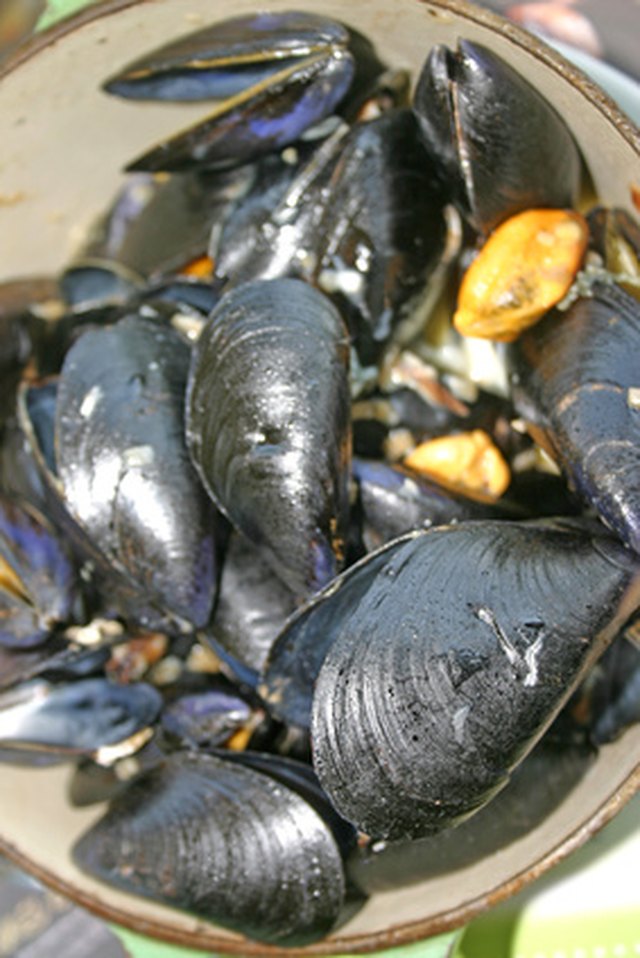

Fresh mussels can turn an ordinary dinner into something that feels suspiciously close to a waterfront vacation. They are quick to cook, excellent with garlic and wine, and affordable enough that you do not need to refinance the kitchen. The catch is that live mussels are not a pantry ingredient. They are living shellfish, and storing them overnight requires a little more care than tossing a bag of potatoes into a cabinet and hoping for the best.
The good news is that learning how to store mussels overnight is easy. Keep them cold, keep them lightly moist, give them air, and never leave them sitting in water. Done correctly, live mussels purchased in good condition should remain suitable for cooking the next day. Done incorrectly, they may suffocate, dry out, or spoil before the garlic even reaches the cutting board.
The Best Way to Store Mussels Overnight
Place the live mussels in a shallow bowl, tray, or colander set inside a bowl. Cover them loosely with a clean, damp kitchen towel or damp paper towels, then refrigerate them immediately. Keep the refrigerator at 40°F or below, ideally in a reliably cold area rather than in the door. Do not seal the mussels in an airtight container, and do not submerge them in fresh water, salt water, or melted ice. Live shellfish need ventilation, while standing water can kill them. U.S. food-safety and extension guidance consistently recommends cold, moist, well-ventilated storage for live mussels.
What You Need
- A shallow bowl, rimmed tray, or colander
- A larger bowl or tray to catch drips if using a colander
- A clean kitchen towel or several paper towels
- Enough refrigerator space to keep the mussels separate from ready-to-eat foods
- Optional: a refrigerator thermometer
Step-by-Step Overnight Storage Method
- Inspect the mussels before storing them. Remove mussels with badly cracked or broken shells. If a shell is slightly open, tap it or gently press it closed. A live mussel should respond by closing. Discard any that remain open and unresponsive.
- Remove restrictive packaging. If the mussels came in a mesh bag, you may leave them loosely in the mesh and place the bag in a bowl. If they came in a tightly closed plastic bag, open or remove the bag so the mussels can breathe.
- Choose a draining container. A colander nested over a bowl works especially well because liquid can drain away. A shallow bowl is also acceptable, provided no puddle collects around the mussels.
- Cover, but do not seal. Lay a dampnot dripping wettowel or damp paper towels over the top. The covering reduces drying without blocking airflow.
- Refrigerate promptly. Put the container on a low refrigerator shelf where it will stay cold and where drips cannot contaminate produce, cooked food, or leftovers.
- Cook the mussels the next day. Although official storage charts differ on the maximum refrigerated life of live shellfish, overnight storage is a short, conservative window. For the best flavor, texture, and safety margin, use them as soon as practical.
Why Mussels Need Air in the Refrigerator
Mussels are bivalve mollusks, and the ones sold live are still breathing. Airtight plastic containers and tightly knotted bags can reduce available oxygen and trap moisture. That combination may suffocate the mussels and create an unpleasant, stagnant environment.
The solution is not to leave them completely uncovered until they resemble decorative gravel. A loose damp covering provides a practical balance: enough humidity to prevent excessive drying and enough airflow to help keep them alive.
This is why a sealed food-storage box, though wonderfully useful for leftover chili, is a poor hotel for live mussels. Think “cool coastal breeze,” not “plastic submarine.” Extension specialists specifically advise using well-ventilated containers and warn against airtight storage.
Should You Store Mussels in Water?
No. Do not store live mussels overnight in tap water. Fresh water can kill saltwater mussels, and homemade salt water is not a safe substitute for their natural environment. Even storing them in salt water can shorten their shelf life, according to extension guidance. A bowl of water may look marine and comforting, but to the mussels it is less luxury spa and more administrative error.
Do not let them sit in melted ice either. If you use ice to keep seafood cold during transportation, keep the mussels above the meltwater in a draining container. Once home, move them promptly to the refrigerator using the damp-towel method.
What Refrigerator Temperature Is Best?
Your refrigerator should hold food at 40°F or below. Several seafood-handling guides recommend a colder range around 32°F to 38°F for fresh seafood, provided the mussels do not freeze. A refrigerator thermometer is useful because the dial marked “cold” is not a scientific instrument, no matter how confidently it clicks.
Place mussels toward the back of a lower shelf, where temperatures are usually more stable than in the refrigerator door. Keep them away from foods that will be eaten without cooking. Raw seafood juices should never drip onto salad greens, fruit, prepared sauces, or last night’s cheesecake. Federal guidance also emphasizes prompt chilling and separation of raw seafood from cooked or ready-to-eat foods.
How Long Can Live Mussels Stay in the Fridge?
For an overnight plan, the practical answer is simple: buy them fresh, refrigerate them correctly, and cook them the next day. Broader official recommendations vary. Some U.S. food-storage charts list several days for live molluscan shellfish, while other seafood guidance urges consumers to use raw fish and shellfish within one or two days.
These differences may reflect the species, packaging, initial freshness, commercial handling, and whether a chart is written for general storage or peak eating quality.
Do not treat the longest published number as a challenge. Mussels may already have spent time in harvesting, processing, transportation, and retail display before reaching your refrigerator. Follow the package date and seller’s instructions, retain any shellfish identification tag until the mussels are used, and choose the shorter storage window when uncertain.
Overnight is reasonable. “I found these behind the yogurt and vaguely remember buying them last week” is not.
Should Mussels Be Cleaned Before Overnight Storage?
It is usually better to wait until shortly before cooking to scrub and debeard mussels. Heavy rinsing or prolonged handling before storage can stress them, and soaking is unnecessary. When you are ready to cook, rinse the shells under cold running water, scrub off visible debris, and pull away the fibrous beard with a firm tug toward the shell’s hinge.
Do not soak mussels for hours in a bowl of water in an attempt to make them “purge.” Commercially sold mussels are generally prepared for market, and extended soaking can do more harm than good. A quick rinse during final preparation is enough for most recipes.
How to Tell Whether Mussels Are Still Good
Check the Shells
Before cooking, discard mussels with severely cracked, smashed, or broken shells. Closed shells are a good sign. Slightly open shells are not automatically bad, but they should close when tapped or gently squeezed. Mussels that remain open and show no response are likely dead and should be discarded. Live-shellfish guidance from university extension programs uses this response test as a basic freshness check.
Use Your Nose
Fresh mussels should smell clean, briny, and ocean-like. A strong sour, rotten, sewage-like, or sharply fishy odor is a reason to discard the batch. Do not taste a questionable mussel to investigate. Your mouth is not a laboratory, and food poisoning is a truly terrible tasting menu.
Consider the Storage Conditions
If the mussels were left at room temperature for more than two hoursor more than one hour in temperatures above 90°Fdiscard them. Seafood should be chilled promptly after purchase. Time spent in a warm car, on a porch, or beside a stove counts, even if the mussels had an excellent view.
Common Mussel Storage Mistakes
Sealing Them in Plastic
Airtight storage can suffocate live mussels. Open the retail bag and transfer them to a ventilated setup.
Submerging Them in Water
Fresh water can kill them, and salt water prepared at home does not recreate safe commercial wet storage. Keep them moist with a towel, not immersed.
Letting Them Sit in Melted Ice
Ice is useful for transportation, but meltwater is still standing water. Use a container with drainage and prevent direct soaking.
Storing Them in the Refrigerator Door
The refrigerator door experiences frequent temperature changes. A lower interior shelf is colder, steadier, and less likely to rain shellfish liquid onto other food.
Cleaning Too Early
Scrubbing and debearding the night before adds handling and may reduce quality. Store the mussels first, then clean them immediately before cooking.
Relying Only on the Calendar
A date cannot rescue mussels that smell bad, have broken shells, or were stored too warm. Use the date, source, shell response, odor, and storage history together.
How to Store Cooked Mussels Overnight
Cooked mussels are stored differently from live ones. Remove them from the cooking pot once the meal is over and refrigerate them within two hours. Place the mussels and a small amount of their cooking liquid in a shallow, covered container.
Cooked seafood leftovers can generally remain refrigerated for three to four days at 40°F or below, although eating mussels the following day usually produces better flavor and texture.
Do not store cooked mussels under the same damp towel used for live mussels. They no longer need airflow; they need clean, covered refrigeration. Reheat them gently until steaming hot, or remove the meat from the shells and use it in a properly chilled preparation.
Discard cooked mussels that were left out too long or developed an off odor, slimy texture, or unusual appearance. Reheating cannot reliably correct poor storage.
Can You Freeze Live Mussels?
Freezing live mussels in their shells is generally not the recommended home-storage method. Freezing kills them and may damage their texture. If your plans change, cooking the mussels first is usually the more practical choice.
After cooking, remove the meat from the shells if desired, place it in a freezer-safe container with some strained cooking liquid, and freeze promptly. Label the container with the date. Thaw frozen cooked mussels in the refrigerator rather than on the kitchen counter.
If the mussels were sold commercially frozen, follow the package directions. Commercial freezing processes and packaging are different from placing a bag of live mussels into a crowded home freezer beside the peas.
Food-Safety Considerations Before Cooking
Purchase mussels from a reputable retailer and avoid shellfish collected from unapproved waters. Molluscan shellfish are filter feeders, so they can concentrate microorganisms or marine toxins from their environment. Cooking can destroy many disease-causing organisms, but it does not reliably eliminate every naturally occurring marine toxin. Harvest closures, recalls, and local advisories therefore matter.
People who are pregnant, older, very young, immunocompromised, or living with certain chronic conditions should be especially careful with raw or undercooked seafood. Cook mussels thoroughly. Federal guidance for higher-risk groups advises cooking seafood to 145°F and cooking clams, mussels, and oysters until their shells open.
Wash your hands, utensils, sink, and work surfaces after handling raw mussels. Keep the raw shellfish and their juices away from bread, salads, cooked food, and other items that will not receive additional cooking.
Practical Experiences and Lessons from Storing Mussels Overnight
Home cooks tend to learn the same mussel lessons, usually in the ten minutes between unpacking groceries and discovering that the refrigerator contains seventeen condiments but no obvious place for a bowl of shellfish.
The first lesson is that the package from the store is designed mainly for transportation. A mesh bag is breathable, but it still needs a bowl beneath it. A plastic bag may hold drips neatly, but if it is tied shut, it also holds the mussels in a damp, low-air pocket. Opening the bag, transferring the mussels to a shallow container, and adding a damp towel often makes the difference between responsive shells the next evening and a disappointing pile that fails the tap test.
Another common experience involves water. Many first-time cooks assume seafood should be stored in water because seafood comes from water. The logic is understandable and also wrong in a wonderfully efficient way. Tap water can kill saltwater mussels, while a bowl of salted tap water lacks the controlled conditions of professional shellfish systems. People who try this may discover open, unresponsive shells the following day. The more reliable approach feels less dramatic: no aquarium, no improvised ocean, just a draining bowl and a damp towel.
Timing is the third lesson. Mussels are easiest to manage when purchased as close as possible to the meal. Buying them late in the day for dinner the following evening is generally a better plan than buying them several days early because the seafood counter happened to look inspiring.
A short storage period helps preserve their clean aroma, firm texture, and flavorful natural liquid. It also reduces the amount of detective work required before cooking. Dinner should involve chopping parsley, not reconstructing the mussels’ travel history like a culinary crime documentary.
Home cooks also discover that “damp” and “soaked” are not synonyms. A towel that has been wrung out until merely moist provides humidity without creating puddles. A dripping towel can send water to the bottom of the bowl during the night. Using a colander nested in a larger bowl solves this problem neatly. Any liquid drains below the shellfish, while the towel above keeps their environment from becoming excessively dry.
Refrigerator placement creates another practical lesson. Setting the mussels on a high shelf above uncovered food is an invitation to cross-contamination. Placing them in a protected tray on the lowest suitable shelf keeps accidental drips contained. It also prevents someone from balancing a carton of milk on top of them and turning dinner into shellfish gravel.
Experienced cooks prepare for the following day before going to bed. They confirm that the refrigerator is cold, clear a protected lower-shelf space, and avoid stacking heavy groceries on the mussels. Before cooking, they inspect every shell, rinse and scrub the batch, remove the beards, and discard questionable mussels without negotiation.
Losing a few mussels is cheaper than losing a weekend to foodborne illness. The overall habit is refreshingly uncomplicated: buy carefully, chill quickly, store loosely covered, cook promptly, and let common sense have the final vote.
Frequently Asked Questions
Can I Leave Mussels in the Mesh Bag Overnight?
Yes, provided the mesh bag remains open and is placed in a bowl or tray that catches drips. Cover the bag loosely with a damp towel and refrigerate it. Do not wrap the mesh bag tightly in plastic.
Can I Put Mussels Directly on Ice?
It is better to keep them in a draining container above the ice so they cannot sit in meltwater. Direct contact with melting ice can create the same problems as storing them in a bowl of water.
Why Did Some Mussels Open Overnight?
Live mussels sometimes relax and gape slightly. Tap the shell or gently press it closed. If it closes, the mussel is still responsive. If it remains open, discard it.
Should the Towel Be Wet or Damp?
The towel should be damp. Wet it with cold water and wring it out thoroughly. It should provide moisture without dripping into the container.
Can I Cook Mussels That Smell Strongly Fishy?
No. Fresh mussels should have a mild, clean, briny smell. A sour, rotten, or aggressively fishy odor suggests spoilage. Cooking is not a repair service for spoiled seafood.
Conclusion
To store mussels overnight, place them in a shallow, ventilated container, cover them loosely with a clean damp towel, and refrigerate them at 40°F or below. Keep them out of standing water, do not seal them in plastic, and cook them the next day whenever possible.
Before cooking, discard badly broken shells and any open mussels that do not close when tapped. Clean and debeard the remaining mussels shortly before they enter the pot. After cooking, refrigerate leftovers promptly in a covered container rather than using the damp-towel storage method intended for live shellfish.
Note: This guidance assumes commercially purchased mussels from an approved source. Product labels, shellfish tags, recalls, harvest closures, and advice from local public-health authorities take priority over general storage recommendations.