
Getting lost in the woods sounds like the beginning of either an adventure movie or a deeply regrettable group text. One minute you are admiring the trees, breathing in that fresh pine-scented confidence, and the next minute every tree looks exactly like the last tree. Congratulations: nature has changed the password and logged you out.
The good news? Wilderness survival is less about wrestling bears, building a mansion from twigs, or becoming best friends with a raccoon named Steve. It is mostly about staying calm, making smart decisions, protecting your body from exposure, finding safe water, signaling for help, and not turning a manageable problem into a dramatic documentary episode.
This guide explains how to survive in the woods using practical, field-tested principles: planning before you go, what to do when you realize you are lost, how to build emergency shelter, how to find and treat water, how to use fire safely, how to handle wildlife, and how to make yourself easier to find. Pack your common sense. It weighs nothing and has excellent battery life.
Before You Go: Survival Starts at Home
The easiest survival situation is the one you prevent. Before heading into the woods, tell someone where you are going, what route you plan to take, who is with you, and when you expect to return. This simple “trip plan” can make search and rescue faster if you do not come back on schedule.
Do not rely only on your phone. Phones are wonderful for photos, maps, and proving you saw a weird mushroom. They are less wonderful when the battery dies, the screen cracks, or the forest politely refuses to provide signal. Carry a paper map, compass, and a basic understanding of how to use both.
Pack the Ten Essentials
A smart woods survival kit does not need to look like a military supply closet. It should cover the major systems your body needs: navigation, light, insulation, first aid, fire, repairs, food, water, emergency shelter, and sun or insect protection.
- Map, compass, and GPS or downloaded offline map
- Headlamp or flashlight with extra batteries
- Extra warm layers and rain protection
- First aid kit and personal medications
- Waterproof matches, lighter, and fire starter
- Knife or multi-tool plus repair tape
- High-energy snacks that require no cooking
- Water bottle and treatment method
- Emergency blanket, bivy, tarp, or poncho
- Whistle, signal mirror, sunscreen, and insect repellent
That may sound like a lot, but most of it fits in a small daypack. The goal is not luxury. The goal is to avoid spending the night shivering under a fern while negotiating with mosquitoes.
Step One When Lost: STOP
If you realize you are lost, stop moving. Panic is a terrible navigator. Running downhill, following random animal trails, or “just pushing through” can move you farther from your original route and make rescue harder.
Use the classic STOP method:
- Stop: Pause immediately. Sit down if needed. Take slow breaths.
- Think: When did you last know your location? What landmarks did you pass?
- Observe: Check weather, daylight, injuries, water, gear, and terrain.
- Plan: Decide whether to stay put, signal, shelter, or carefully retrace a short distance.
In many cases, staying in one place is the safest choice, especially if people know your route or darkness is near. A moving target is harder to find. Search teams prefer you not to become a wandering mystery with hiking boots.
Check for Immediate Dangers
Before building anything or searching for water, check your body and surroundings. Are you bleeding? Is someone injured? Are you too hot, too cold, dehydrated, or confused? Are you near a cliff, fast river, dead tree, or exposed ridge?
Move only as much as necessary to get away from obvious hazards. A good emergency campsite should be dry, visible from the air or trail if possible, away from falling branches, above flood zones, and protected from wind. Avoid camping in dry streambeds, steep gullies, or under lonely tall trees during stormy weather.
Build or Improve Shelter First
Exposure can become dangerous faster than hunger. Cold rain, wind, snow, extreme heat, and wet clothing can drain your body’s energy quickly. Shelter is your first big project because it helps you stay warm, dry, visible, and mentally steady.
Use What You Brought
If you packed an emergency blanket, tarp, poncho, bivy sack, or even a large trash bag, use it. Modern emergency gear is wonderfully boring, and boring is exactly what you want when the alternative is improvising architecture from sticks while your teeth play percussion.
Choose a Smart Shelter Spot
Look for natural windbreaks such as boulders, thick trees, or low ridges. Keep your shelter away from widowmakers, which are dead branches or trees that can fall without sending a calendar invite. Stay off wet ground by using leaves, pine needles, spruce boughs, or spare clothing as insulation beneath you.
Simple Emergency Shelter Ideas
A lean-to can be made by placing a sturdy branch between two supports and leaning smaller branches against it, then layering leaves or evergreen boughs over the frame. A debris hut is smaller and warmer: build a low frame, cover it heavily with leaves and forest debris, and crawl inside. It will not win design awards, but neither will hypothermia.
Keep shelters compact. A tiny shelter traps body heat better than a roomy one. Think “cozy survival burrito,” not “open-concept woodland loft.”
Signal for Help Early and Often
Signaling is not an afterthought. It is how you turn your problem into someone else’s successful rescue mission. Use a whistle instead of yelling. Three whistle blasts, three mirror flashes, or three repeated signals are commonly understood as distress signals.
If you have cell service, call 911. Send a text too, because texts may go through when calls fail. Give your last known location, direction of travel, landmarks, injuries, clothing colors, and what gear you have. Then conserve battery by dimming the screen, closing apps, and keeping the phone warm in cold weather.
Make Yourself Visible
Lay out bright clothing, a reflective blanket, or gear in an open area. Create large ground symbols with rocks, logs, or branches. If aircraft might pass overhead, open spaces are your friend. A signal mirror can flash sunlight a long distance, and it never needs charging, which makes it smarter than many modern gadgets.
Find and Treat Water
Water matters more than food. Dehydration affects judgment, strength, and mood. In other words, without water, you become tired, cranky, and more likely to make decisions your future self will roast you for.
Look for streams, springs, rainwater, snow, or water collecting in rock depressions. Follow low terrain carefully, but do not descend steep slopes blindly. In dense woods, animal tracks may lead toward water, but animals also enjoy mud, cliffs, and terrible life choices, so do not follow them without thinking.
Always Treat Natural Water
Clear water is not automatically safe water. Streams can contain bacteria, viruses, parasites, or contamination from animals and people upstream. If you have a filter, purifier, or chemical tablets, use them according to the instructions.
If boiling is your method, filter cloudy water through cloth first if possible. Bring clear water to a rolling boil for one minute. At elevations above 6,500 feet, boil it for three minutes. Let it cool before drinking, because burning your mouth in a survival situation is nature’s version of adding insult to injury.
Do Not Drink These
Avoid stagnant water, water with chemical sheen, water near old mines or industrial areas, and saltwater. Do not drink urine. That old myth needs to wander into the woods and stay lost.
Use Fire Safely
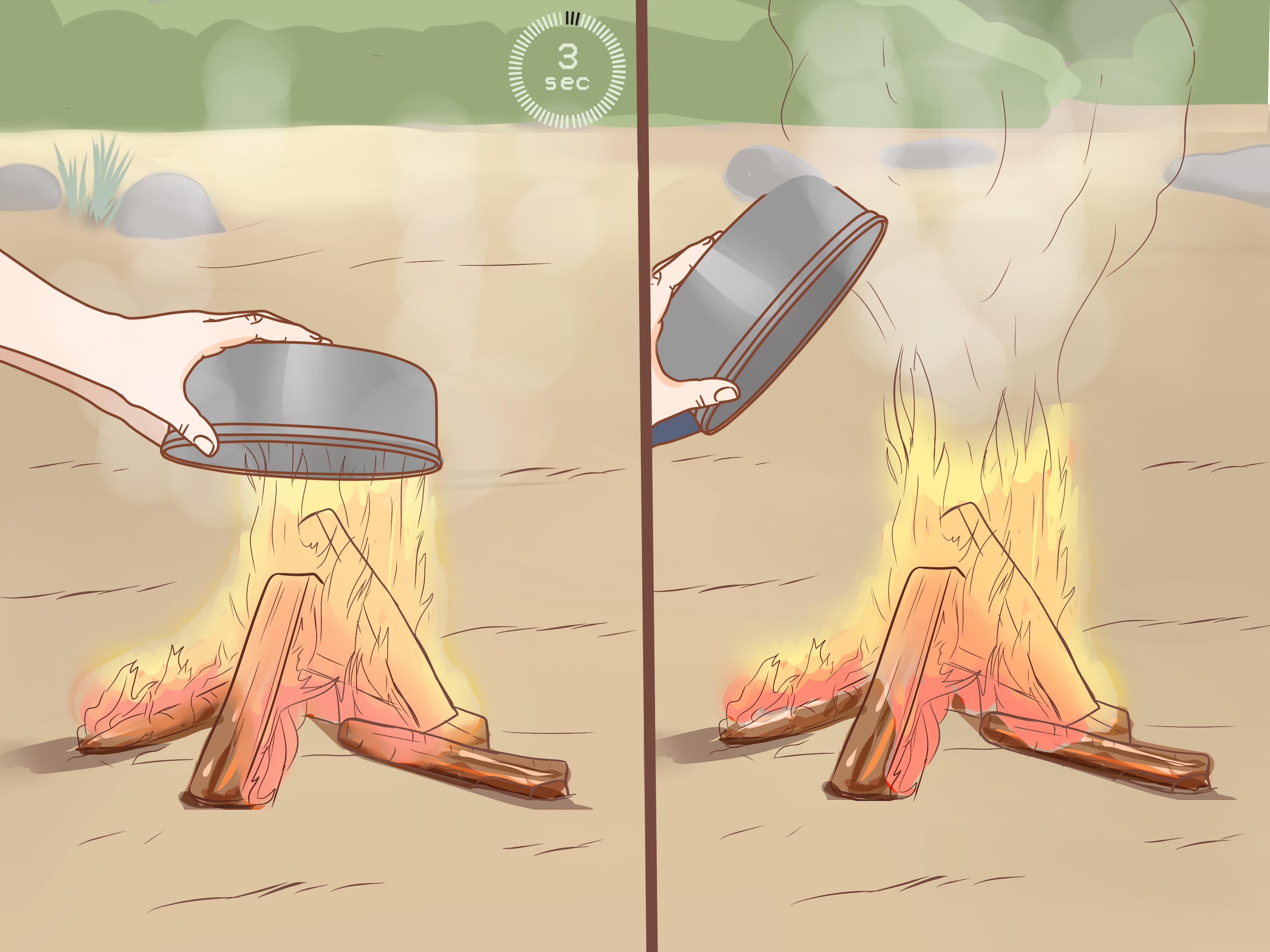
Fire can provide warmth, comfort, a way to boil water, light, and a signal. It can also become a wildfire if you treat it like a campfire-themed science experiment. Before starting a fire, consider local rules, drought conditions, wind, and whether you can safely control it.
Choose a bare patch of mineral soil, rock, or an established fire ring if available. Clear dry grass, leaves, and needles from the area. Keep the fire small. Use dead and downed sticks that can be broken by hand. Never leave flames unattended, and drown the fire completely when done. Stir the ashes and make sure everything is cold to the touch.
Fire Starter Tips
Carry waterproof matches, a lighter, and a backup fire starter. Natural tinder may include dry grass, birch bark, shredded bark, resin-rich wood, or dry inner bark. In wet weather, look for dry material under logs, inside standing dead wood, or beneath dense evergreen branches.
If you cannot safely build a fire, do not force it. Shelter, dry insulation, movement, and staying out of wind may be safer than struggling with smoky twigs while rain laughs from above.
Food Is Usually Not the First Priority
People worry about food quickly, but most healthy adults can survive for a while without eating. You will be uncomfortable, hungry, and possibly dramatic, but lack of food is usually less urgent than cold, heat, injury, water, or being found.
Eat the snacks you brought in small portions. Choose high-energy foods like nuts, jerky, granola bars, dried fruit, or peanut butter packets. Avoid experimenting with wild plants, berries, or mushrooms unless you are truly trained in identification. The forest is not a buffet, and “it looked edible on a video” is not a survival strategy.
Navigation: Move Only With a Reason
If you are confident you can retrace your steps a short distance to a known trail or landmark, do so carefully and mark your path with sticks, rocks, or biodegradable signs. But if you are unsure, injured, tired, or losing daylight, stay put.
Use terrain wisely. Trails, rivers, ridgelines, and power lines can help with orientation, but following water downhill can lead to cliffs, waterfalls, thick brush, or dangerous crossings. Never cross fast water unless absolutely necessary. Wet feet, a fall, and a cold night are a miserable trio.
Use a Map and Compass
If you have a map and compass, identify landmarks around you: peaks, valleys, streams, roads, ridges, or trail intersections. Orient the map to north. Compare visible terrain with the map before moving. Slow, boring navigation is far better than energetic confusion.
Weather Can Change the Rules
Weather is one of the biggest wilderness survival factors. Heat, cold, rain, snow, wind, and lightning all require different decisions. Check the forecast before your trip, but prepare for surprises because mountains and forests enjoy plot twists.
Cold and Hypothermia
Hypothermia happens when the body loses heat faster than it can produce it. It can occur even above freezing, especially when a person is wet, tired, hungry, or exposed to wind. Warning signs include shivering, clumsiness, confusion, slurred speech, and unusual behavior.
Get dry, add insulation, block wind, drink warm fluids if available, and share body heat if needed. Remove wet clothing when you can replace it with dry layers or wrap yourself in an emergency blanket. Do not ignore confusion; it is a red flag, not a personality quirk.
Heat Illness
In hot weather, rest in shade, drink water regularly, loosen clothing, and avoid hard travel during the hottest part of the day. Heat exhaustion can bring dizziness, heavy sweating, nausea, weakness, headache, and rapid pulse. Heat stroke is an emergency and may include confusion, fainting, or very high body temperature.
Lightning
If thunder is close enough to hear, lightning is close enough to be dangerous. Avoid exposed ridges, open fields, isolated trees, water, and metal objects. The safest places are substantial buildings or hard-topped vehicles. In deep woods, choose a lower area with smaller trees rather than standing near the tallest tree like a human lightning invitation.
Wildlife: Respect the Locals
Most animals want nothing to do with you. That is fair; you probably smell like stress and trail mix. Give wildlife space, never feed animals, and keep food, trash, and scented items stored securely. In bear country, follow local rules for bear canisters, food lockers, or proper hanging methods.
Keep a clean camp. Store toothpaste, deodorant, food wrappers, cookware, and trash with the same seriousness as your snacks. Animals have excellent noses and very poor respect for personal property.
Insects, Ticks, and Small Problems That Become Big Problems
Ticks can spread diseases in the United States, so check your body, clothing, and gear after moving through grass, brush, or leaf litter. Use insect repellent, tuck pants into socks when practical, and remove ticks promptly with fine-tipped tweezers by pulling steadily upward.
Small cuts and blisters matter too. Clean wounds, cover them, and keep feet as dry as possible. A tiny blister can become a transportation crisis when walking is your only vehicle.
First Aid Priorities
In the woods, first aid is about stabilizing the problem until help arrives or until you can safely self-rescue. Stop bleeding with direct pressure. Protect sprains with rest, compression, and support. Clean wounds with treated water if available. Keep an injured person warm, calm, and still.
If someone has a possible head, neck, or spine injury, avoid unnecessary movement. If a person has severe bleeding, trouble breathing, chest pain, signs of stroke, anaphylaxis, heat stroke, severe hypothermia, or altered mental status, treat it as an emergency and call for help as soon as possible.
Mindset: The Survival Tool Between Your Ears
Your mindset can help you survive or help you make everything worse with impressive speed. Fear is normal. Panic is optional. Give yourself jobs: gather dry insulation, set up shelter, signal every few minutes, treat water, inventory gear, and improve visibility.
Break the situation into small tasks. Do not think, “I am lost forever.” Think, “I need to stay warm for the next hour.” Then, “I need to make a better signal.” Then, “I need to drink water.” Survival is often a series of small, sensible choices stacked on top of one another.
Common Woods Survival Mistakes
- Walking randomly: It usually makes you harder to find.
- Waiting too long to signal: Signal early, before you are exhausted.
- Ignoring weather: A mild afternoon can become a cold, wet night.
- Drinking untreated water: Getting sick makes every problem worse.
- Eating mystery plants: Hunger is bad; poisoning is worse.
- Trusting the phone completely: Batteries die. Paper maps do not.
- Building a huge fire: Small and controlled beats dramatic and dangerous.
A Simple Overnight Survival Plan
If you must spend a night in the woods, focus on a simple plan. First, stop moving before dark. Choose a safe site. Put on dry layers if you have them. Build or improve shelter. Insulate yourself from the ground. Create visible signals. Treat or ration water responsibly. Use fire only if safe and legal. Keep your whistle, light, and phone within reach.
During the night, avoid wandering. It is easy to trip, get turned around, or step into hazards in the dark. If you hear searchers, use your whistle, light, voice, or reflective gear. Three blasts. Pause. Repeat. Try to sound calm and clear, even if your inner monologue is wearing tap shoes.
Real-World Experiences and Lessons About Surviving in the Woods
One of the most useful experiences anyone can have before facing a real survival situation is a simple practice hike with a loaded daypack. Walk a local trail with your water filter, emergency blanket, map, compass, headlamp, snacks, and rain layer. You will quickly learn what is easy to reach, what is buried under six unnecessary items, and what you forgot at home. Survival gear is only helpful if you can find it before dark without unpacking your entire life into the mud.
Another practical lesson is that shelter always takes longer than expected. In theory, a debris shelter sounds easy: collect sticks, pile leaves, crawl inside. In reality, it requires patience, energy, and a shocking amount of insulation. A thin layer of leaves is decoration, not shelter. People who practice once in safe conditions often discover that the ground steals heat quickly and that wind finds every lazy gap. The experience teaches a valuable rule: start shelter early, improve it constantly, and make it smaller than you think it should be.
Water treatment is another skill worth testing before an emergency. Filters clog, tablets require waiting time, and boiling needs fuel and a container. A person who has practiced filtering muddy water through cloth, then treating it properly, is far calmer than someone reading tiny instructions by headlamp while mosquitoes host a family reunion on their forehead. Practice also teaches you to carry backup methods. A filter plus purification tablets weighs little and gives you options.
Navigation practice can be humbling in the best possible way. Many beginners discover that following a trail is easy until the trail fades, splits, or gets covered by leaves. Learning to stop at intersections, look backward to recognize the return view, and mark key landmarks can prevent trouble. A map and compass are not magic objects. They are tools, and tools require practice. The woods reward people who pay attention before they are lost.
People who have spent unexpected nights outdoors often describe the mental challenge as much as the physical one. The forest gets louder after sunset. Normal sounds become suspicious. A squirrel can sound like a bear wearing boots. This is where routine helps. Collect insulation. Check signals. Sip water. Keep gear organized. Review the plan. These small tasks keep fear from taking over the steering wheel.
Experience also proves that bright colors matter. A dark jacket blends beautifully with logs, shadows, and regret. A blaze-orange hat, reflective blanket, or bright rain shell can make you visible from a distance. If you are traveling with children, beginners, or anyone who tends to wander, dress them like friendly traffic cones. Fashion can recover later.
Finally, the most underrated survival experience is learning to turn back. Many emergencies begin with a sentence like, “We can probably make it.” Bad weather, fading daylight, sore ankles, and low water are not personal insults. They are information. Turning around early is not failure. It is advanced wilderness wisdom wearing sensible shoes.
Conclusion: Surviving the Woods Is About Priorities
Learning how to survive in the woods is not about becoming fearless. It is about becoming prepared enough to make fear manageable. The priorities are simple: plan before you go, stop when lost, protect yourself from exposure, signal for help, treat your water, use fire responsibly, avoid risky food experiments, respect wildlife, and keep your mind busy with useful tasks.
The woods are beautiful, generous, and occasionally very bad at giving directions. Treat them with respect. Carry the right gear. Practice basic skills before you need them. And if you ever find yourself lost, remember: calm people make better decisions, visible people get found faster, and nobody has ever regretted packing extra socks.