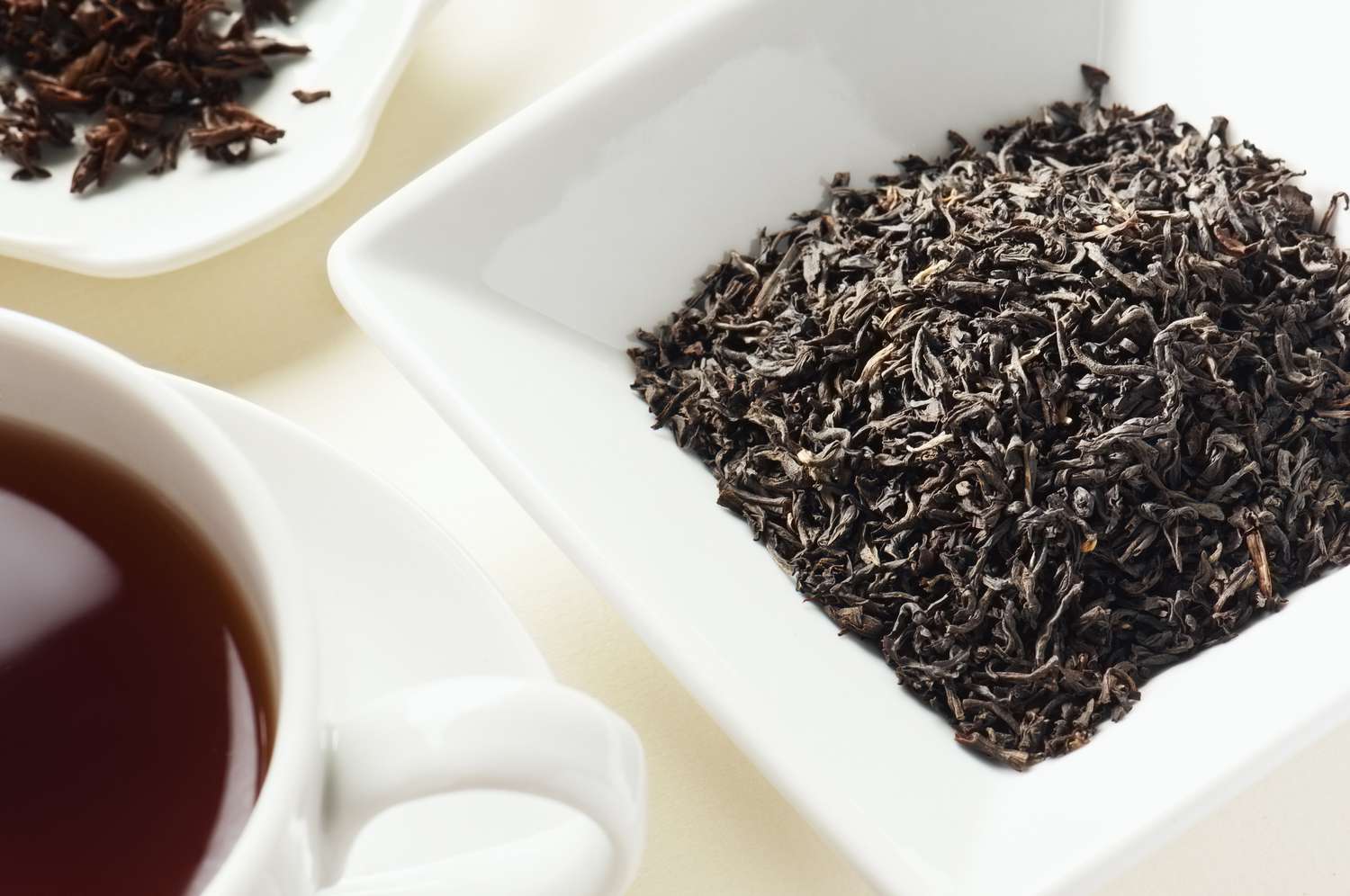

Assam tea is the bold friend in the tea worldthe one who shows up on time, speaks clearly, and makes weak coffee look nervous. If you’ve ever enjoyed a hearty breakfast tea with milk and thought, “Wow, this cup means business,” there’s a good chance Assam tea was in the mix.
This guide explains what Assam tea is, where it comes from, why it tastes so wonderfully malty, how it’s processed, and how to brew it without turning your mug into a bitter life lesson. We’ll also cover Assam tea caffeine, flavor differences between CTC and orthodox styles, and practical tasting tips for everyday tea drinkers.
What Is Assam Tea, Exactly?
Assam tea is a type of black tea grown in the Assam region of northeastern India. It is made from the tea plant Camellia sinensis, specifically the large-leaf variety commonly called Camellia sinensis var. assamica. In plain English: same tea plant family, different variety, different growing conditions, very different personality in the cup.
Assam is famous for producing a brew that is full-bodied, brisk, dark, and malty. It’s the backbone of many popular breakfast tea blends, including English Breakfast and Irish Breakfast. It’s also commonly used in masala chai because it can stand up to milk, sugar, and spices without disappearing into the background like a shy extra in a movie.
Where Assam Tea Comes From and Why That Matters
Assam tea is grown in the low-lying plains around the Brahmaputra River system in India. Tea educators and tea merchants often describe the region as hot, humid, rainy, and tropicalbasically the kind of place where tea plants can grow with confidence and dramatic flair.
Those environmental conditions shape Assam tea’s signature profile. Compared with high-altitude teas (like many Darjeelings), Assam teas are generally heavier, thicker, and more robust. This is one of the reasons people love Assam for morning drinking: it tastes substantial, not delicate. You sip it and it actually feels like something happened.
The Plant Behind the Cup
The assamica variety has broader, larger leaves than the smaller-leaf sinensis variety. Tea experts often point out that assamica is especially suited to tropical climates and rainy plains. When processed into black tea, it produces a darker, stronger liquor with excellent bodygreat news if you like a tea that can handle milk or a generous breakfast plate.
What Assam Tea Tastes Like
The classic Assam tea flavor is often described as malty, brisk, and full-bodied. Depending on the estate, harvest season, and processing style, you may also notice notes like:
- Barley or toasted grain
- Molasses or dates
- Honey-like sweetness
- Earthy woodiness
- A pleasant astringent finish
Some Assam teas are bold and “workhorse” stylestrong, direct, and perfect with milk. Others, especially carefully made orthodox lots, can be surprisingly nuanced with floral, fruity, or honeyed notes. In other words, Assam tea is not just “strong tea.” It can be strong and elegant when the leaf quality is high.
Assam Tea in Breakfast Blends and Chai
If Assam tea had a résumé, “breakfast blends” would be in giant bold letters. Assam is widely used in English Breakfast, Irish Breakfast, and other morning blends because of its body and color. It brings structure, depth, and that satisfying “tea taste” many people expect from a classic black tea.
Assam is also a popular choice for masala chai. Why? Because the flavor doesn’t get lost when you add milk, ginger, cardamom, cinnamon, cloves, or black pepper. A more delicate tea can vanish under spices. Assam says, “Nice spices. I’m still here.”
CTC vs. Orthodox Assam Tea
One of the most useful things to know when buying Assam tea is whether it’s CTC or orthodox.
CTC Assam Tea
CTC stands for Crush, Tear, Curl, a machine processing method used for many black teas. It creates small, uniform leaf particles that brew quickly and consistently. CTC Assam is common in tea bags and everyday breakfast blends. It tends to produce a deep, ruby-colored cup with a strong flavor, and it’s excellent for milk tea and chai.
Orthodox Assam Tea
Orthodox processing is generally more traditional and usually preserves larger leaf shapes. Orthodox Assam can range from rugged and hearty to refined and aromatic, depending on the estate and harvest. Many tea lovers prefer orthodox Assam when they want to taste more detail in the cup instead of just raw strength.
If you’re new to Assam, try both. CTC is great for practical daily brewing; orthodox is where the tea nerd fun begins.
What Do Tea Grades Mean on Assam Tea?
Assam tea labels can look like someone leaned on the keyboard: OP, BOP, TGFOP1, and so on. These are leaf grade terms, and they mainly describe leaf size and sortingnot a guaranteed flavor score.
- OP (Orange Pekoe): larger leaf particles / whole-leaf style grades
- BOP (Broken Orange Pekoe): a finer, smaller broken grade
- TGFOP1 and similar: specialty orthodox grade terminology often seen on premium teas
Finer particles usually steep faster, which is one reason bagged breakfast teas can get strong quickly. Larger orthodox leaves often brew a bit more slowly and may reveal more layered flavor. Think of grades as useful clues, not a magic ranking system.
First Flush vs. Second Flush Assam
Assam tea also changes by harvest season (often called “flush”). A common rule of thumb:
- First Flush Assam: spring harvest, often more aromatic and lively
- Second Flush Assam: summer harvest, often richer, maltier, and more prized in orthodox styles
Many tea sellers specifically highlight second flush Assam because it can produce that classic deep, satisfying malt character people chase in premium Assam tea. If a label mentions estate name + flush + grade, you’re looking at tea sold with more origin detail (which is usually a good sign).
How Much Caffeine Is in Assam Tea?
Assam tea is a black tea, so it usually has a moderate-to-high caffeine level compared with other teas. The exact amount varies by leaf grade, brewing time, water temperature, and serving size.
As a practical reference, U.S. health sources often list brewed black tea at around 48 mg of caffeine per 8-ounce cup, while the FDA’s 12-ounce estimate for black tea is about 71 mg. That’s typically less than coffee, but enough for a noticeable boost.
In real life, your cup may land higher or lower. A strong CTC Assam steeped longer in near-boiling water can feel very punchy. A lighter orthodox Assam brewed briefly may feel gentler. If caffeine sensitivity is your issue, start with a shorter steep and avoid the “one more mug at 10:30 p.m.” experiment.
How to Brew Assam Tea for the Best Flavor
Assam is forgiving, but it still rewards good technique. You don’t need a tea laboratoryjust decent water, the right temperature, and a timer (or at least a reliable sense of “that’s probably been long enough”).
Basic Assam Tea Brewing Guide
- Water temperature: 212°F (boiling), or just off a rolling boil
- Steep time: 3–5 minutes
- Leaf amount: About 1 teaspoon per cup (adjust to taste)
- Water quality: Fresh, filtered or good-tasting water makes a noticeable difference
For many Assam teas, 3 minutes gives a brisk, lively cup; 4 minutes brings more body and malt; 5 minutes can work if the tea is built for itbut some batches will get bitter. Start in the middle and tune your method like a playlist.
How to Serve Assam Tea
Assam tea is delicious:
- Plain (for tasting the tea itself)
- With milk (classic breakfast style)
- With milk and sugar (comfort mode activated)
- As masala chai (with spices)
- As a strong base for iced black tea
If you’re pairing food, Assam plays especially well with toast, buttered pastries, eggs, oatmeal, spicy snacks, and anything caramelized. It’s a “bring me breakfast” tea, but it also works with afternoon sweets.
Is Assam Tea Good for You?
Assam tea is not a miracle potion, but it is a real tea with real compounds. Tea (including black tea) contains polyphenols and naturally occurring caffeine, along with other plant compounds that contribute to aroma, flavor, and potential health effects.
Large observational studies suggest tea drinking may be associated with certain health benefits, but nutrition experts also note that human evidence is still evolving and not every claim is equally strong. So yes, Assam tea can absolutely be part of a healthy routinejust keep expectations realistic and your sugar levels civilized.
A Few Smart Notes
- Caffeine sensitivity: Assam may cause jitters or sleep issues if you’re sensitive
- Very hot tea: Let it cool a bit before drinking to avoid “lava mouth” and reduce risk from overly hot beverages
- Herbal vs. true tea: Assam is a true tea from Camellia sinensis; herbal infusions are different beverages
How to Buy Good Assam Tea
When shopping for Assam tea online or in stores, here’s what to look for:
1) Decide Your Goal
- Daily milk tea / chai: Choose a reliable CTC Assam or breakfast blend
- Sipping and tasting: Look for orthodox Assam with estate and flush details
2) Read the Label for Clues
- Estate name (more traceability)
- Flush/harvest season (first flush, second flush)
- Leaf grade (OP, BOP, TGFOP1, etc.)
- Brewing instructions (good vendors usually provide these)
3) Don’t Panic About Fancy Descriptors
Tea descriptions like “molasses,” “barley,” or “stone fruit” are useful, but they’re not a final exam. Your tongue is the boss. If you taste “warm toast and happiness,” that counts.
Common Assam Tea Mistakes to Avoid
- Oversteeping everything: More time does not always mean more flavorsometimes it just means bitterness
- Using bad water: If your water tastes odd, your tea will too
- Treating all Assam the same: CTC and orthodox Assam brew differently
- Ignoring caffeine timing: Morning Assam is glorious; midnight Assam may become a poor decision
- Buying without context: A little label reading goes a long way
Final Thoughts on Assam Tea
So, what is Assam tea? It’s one of the world’s most beloved black teas: bold, malty, brisk, and deeply practical. It can anchor breakfast blends, carry a proper masala chai, or deliver a surprisingly complex cup when made in premium orthodox styles.
If you’re new to loose leaf tea, Assam is a fantastic starting point because it’s flavorful and forgiving. If you’re already a tea fan, Assam offers plenty to exploreflushes, grades, estates, and brewing techniques can all change the experience. Either way, Assam is the kind of tea that earns permanent shelf space after the first good cup.
Assam Tea Experiences: of Real-World Sipping Scenarios
The easiest way to understand Assam tea is not by memorizing terminology, but by noticing how it behaves in everyday moments. A strong Assam brewed at breakfast feels different from an Assam served as afternoon tea, and both are very different from a spiced Assam chai on a rainy evening. The tea changes with the context, which is part of the fun.
In a classic breakfast setting, Assam tea often delivers its best first impression. Imagine a hot mug poured beside buttered toast, eggs, or oatmeal. The aroma rises quicklywarm, malty, almost like toasted grainand the first sip feels broad and sturdy. This is where Assam shines: it has enough body to stand next to food instead of disappearing behind it. Add a little milk, and the cup becomes softer and rounder, while still keeping that signature black tea backbone.
A second common experience is the “midday reset” cup. This is where many people discover the value of brewing Assam a little shorter, around three minutes, especially if they want clarity without too much intensity. In this style, Assam can taste brisk and clean, with a pleasant astringency that feels refreshing rather than heavy. It works well when the day is busy and you want something more serious than flavored drinks but less intense than another coffee. It’s the tea equivalent of rolling up your sleeves.
Then there is the cozy version: Assam as masala chai. This is less about subtle tasting notes and more about comfort and depth. Assam’s strength gives spices a stage to perform on. Cardamom lifts the aroma, ginger adds heat, cinnamon adds sweetness, and black pepper brings a tiny edge. Milk ties everything together. A weaker tea can taste washed out in this setup, but Assam usually holds firm. The result is a cup that feels like a blanket with a caffeine plan.
Another interesting experience comes from comparing two Assam teas side by sideone CTC, one orthodox. The CTC version often brews darker and faster, with a direct, punchy taste that says “good morning” in bold letters. The orthodox version may look lighter at first, but then opens up with more layered aromas: malt, honey, wood, maybe a hint of dried fruit depending on the tea. This side-by-side test teaches more in ten minutes than reading twenty product descriptions.
Finally, Assam tea becomes especially memorable when you start adjusting small variables: water quality, steeping time, amount of leaf, and whether you add milk. The same tea can taste brisk and lively one day, then rich and mellow the next. That’s not inconsistencyit’s part of tea culture. Assam rewards attention, but it doesn’t demand perfection. It’s welcoming, adaptable, and honest in the cup. For many people, that’s exactly why Assam tea goes from “interesting” to “essential.”