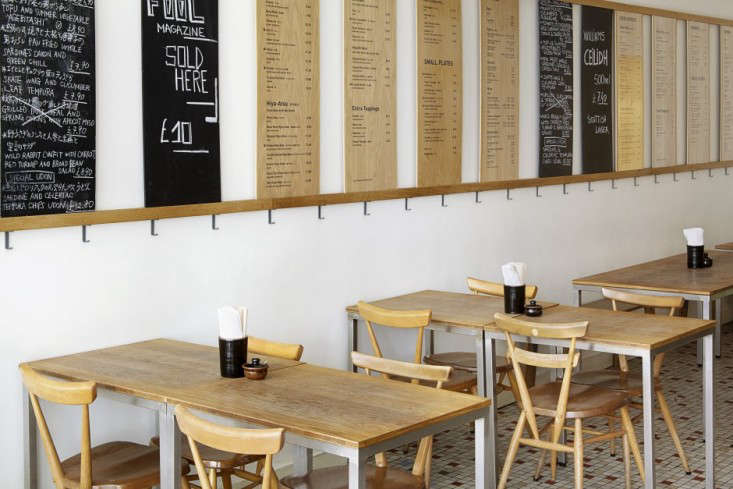

There is something deeply satisfying about a restaurant that does not try to be a theme park. No neon samurai swords. No menu the size of a legal document. No 47-item cocktail lim, a steaming bowl of udon, a few sturdy chairs, and the quiet confidence to let noodles do the talking.
That is the charm of a tiny Japanese udon bar with a British twist. It is not about forcing fish and chips into broth or putting a Union Jack on a noren curtain. The best version is subtler: Japanese technique, British materials, seasonal local ingredients, practical design, and a sense of hospitality that feels warm without becoming theatrical.
Think handmade udon noodles served in a clear dashi broth beneath the soft glow of simple pendant lights. Think oak tables, chalkboard specials, slightly mismatched chairs, and hooks for rainy-day coats. Think Tokyo noodle-shop discipline meeting the calm, weathered comfort of a British neighborhood café.
It is small-scale dining with a big personalityand it works because both Japanese and British food cultures understand the power of restraint.
Why the Tiny Udon Bar Format Works
Udon is not a food that needs a fireworks display. These thick wheat noodles are at their best when the texture is just right: smooth, springy, chewy, and comforting without being heavy. A proper bowl has balance. The broth should be savory but not loud. The toppings should support the noodles rather than pile on like they are auditioning for a reality show.
A small udon bar gives that balance room to shine. With a focused menu, the kitchen can pay attention to the details that matter most: the temperature of the broth, the bounce of the noodles, the freshness of scallions, and the crispness of tempura.
In a compact restaurant, every decision becomes visible. Guests can often watch noodles being cooked, bowls being assembled, and broth being poured. That sense of openness turns dinner into a small performance, but it is a practical performance. Nobody is juggling flaming bottles. Someone is simply making dinner properly.
That is one reason udon bars have such lasting appeal. They are fast enough for lunch, comforting enough for a rainy evening, and interesting enough for people who believe a good noodle bowl can solve at least 60 percent of life’s problems.
Japanese Simplicity Meets British Practicality
The “Brit style” part of this idea is less about novelty and more about atmosphere. British interiors often excel at making modest spaces feel lived-in. There is beauty in oak, painted wood, brushed metal, chalkboard paint, and furniture that looks like it has survived several decades of lively conversation.
A tiny Japanese udon bar can borrow that practicality while respecting Japanese food culture. The result is not a fake Tokyo alleyway built for selfies. It is a clean, useful, welcoming room where every object earns its place.
Oak, Chalkboards, and Honest Materials
Warm wood is a natural bridge between Japanese and British design. Japanese interiors often celebrate natural materials and visual calm, while British cafés and pubs have long relied on timber for warmth and durability. Oak tables, pale wood shelving, and simple stools create a room that feels grounded rather than over-designed.
Chalkboard menus are another smart touch. They make seasonal changes easy, encourage experimentation, and give a small restaurant flexibility without printing a new menu every other Tuesday. A chalkboard can announce a special bowl of smoked mackerel udon, a cold sesame noodle dish, or a limited curry udon with roasted squash.
It also adds personality. A handwritten daily special feels human. It says, “We made this today,” which is much more charming than, “Our corporate menu committee has approved the following laminated option.”
Comfort Without Clutter
Small restaurants can become crowded quickly, especially when diners arrive carrying coats, backpacks, umbrellas, tote bags, and the emotional baggage of a delayed train. Smart design solves this quietly. Wall hooks, narrow ledges, under-counter storage, and compact seating keep the room functional.
A great tiny udon bar does not need much decoration because the bowls themselves provide color: green scallions, amber broth, golden tempura, red shichimi pepper, dark seaweed, and glossy soy-marinated eggs. Let food be part of the visual design.
The Udon: A Bowl Built on Texture
Udon noodles may look simple, but they are not casual noodles. They are made from wheat flour, water, and salt, yet their personality changes dramatically depending on kneading, resting, rolling, cutting, and cooking. Great udon should have chew without toughness and softness without turning mushy.
That texture is often described as bounce, spring, or chew. In Japan, many udon lovers care deeply about this quality, and rightly so. A broth can be delicious, but if the noodles have the texture of damp shoelaces, the bowl is having a difficult day.
Fresh noodles are ideal for a small bar because they create a sense of immediacy. Customers can see that the restaurant is built around the product, not around an endless menu of unrelated dishes. Frozen udon can also be excellent when handled well, but a restaurant that makes noodles in-house gives guests something memorable: a bowl with a distinct identity.
The Role of Dashi
Dashi is the quiet engine behind many Japanese noodle dishes. Traditionally made with ingredients such as kombu seaweed and bonito flakes, it brings depth without heaviness. It does not shout. It does not need to. It walks into the room wearing a good coat and lets everyone else notice eventually.
A British-style udon bar can keep dashi at the center while using local seasonal ingredients around it. The broth should remain recognizably Japanese in spirit. The creative choices can appear in toppings, side dishes, and specials.
For vegetarian diners, mushroom and kombu dashi can offer plenty of depth. Dried shiitake mushrooms, roasted onions, and seaweed create a savory broth that feels substantial without relying on meat. That makes the menu more welcoming without treating plant-based diners as an afterthought.
What “Brit Style” Tastes Like in an Udon Bowl
The smartest fusion food does not toss random ingredients into a bowl and hope for applause. It begins with a familiar structure and introduces a local ingredient that makes sense. Udon is flexible enough to welcome British flavors when they are used carefully.
Smoked Fish and Sea Greens
Smoked mackerel is one of the most natural bridges between Japanese and British food traditions. Britain has a long relationship with smoked fish, while Japanese cuisine values seafood, smoke, broth, and clean seasoning. A bowl of udon with smoked mackerel, tender greens, scallions, and a light dashi can feel both comforting and surprisingly elegant.
The trick is restraint. The fish should add richness, not turn the broth into a foghorn. A squeeze of lemon or a little grated daikon can brighten the bowl and keep the flavors balanced.
English Breakfast Udon, Done Carefully
An English breakfast udon can sound like a culinary prank, but it can work when handled with care. A soft egg, crisp bacon, sautéed mushrooms, and a subtle soy-based seasoning can fit beautifully with udon. The goal is not to dump an entire fry-up into soup. Nobody needs a floating hash brown taking a scenic tour through dashi.
Instead, use the spirit of breakfast: savory mushrooms, egg yolk, a little cured pork, perhaps wilted greens. The result is familiar enough for British diners and still respectful of the noodle bowl’s structure.
Seasonal British Vegetables
Seasonality is where a British udon bar can become especially exciting. Spring peas, watercress, leeks, roasted carrots, squash, mushrooms, cabbage, and tender greens all work beautifully with udon.
A winter bowl might feature roasted squash, miso butter, crispy shallots, and chili oil. A spring bowl could pair fresh peas with a lemony dashi and soft egg. In autumn, mushrooms and walnut miso can create a rich, earthy dish that feels like a wool sweater in edible form.
A Small Menu Is a Strong Menu
One of the biggest strengths of a tiny Japanese udon bar is the ability to say no. A focused restaurant does not need sushi, ramen, teriyaki, Korean fried chicken, burgers, poke bowls, and thirteen types of bubble tea all competing for attention.
A stronger menu might include six to eight udon bowls, several tempura options, a few small plates, simple desserts, and a concise drinks list. That is enough. More than enough, actually. A restaurant should not make diners feel like they are filling out a tax return.
An Ideal Tiny Udon Bar Menu
- Classic hot kake udon with scallions and shichimi pepper
- Beef udon with thinly sliced beef, ginger, and sweet onion
- Cold sesame udon with cucumber, herbs, and chili oil
- Smoked mackerel udon with greens and lemon
- Mushroom and walnut miso udon for vegetarians
- Seasonal curry udon with British root vegetables
- Vegetable tempura, shrimp tempura, and crispy tofu
- One or two rotating blackboard specials
This format allows a kitchen to prep efficiently, reduce waste, and maintain quality. It also gives regular customers a reason to return. The classics stay dependable, while the specials create curiosity.
The Service Style: Fast, Calm, and Human
Tiny udon bars work best when service is relaxed but purposeful. Guests should not feel rushed, but they should understand that the room is designed for eating rather than camping out with one cup of tea until the next solar eclipse.
Counter seats are especially useful. They make solo diners feel welcome, create visual energy, and let customers see the kitchen at work. Tables can be close together without feeling cramped when the room is thoughtfully arranged and staff move with confidence.
The British influence can appear in the tone of service: friendly, low-key, slightly witty, and never overly scripted. A server does not need to deliver a five-minute monologue about the emotional journey of the scallion. They just need to know the food, offer useful guidance, and make guests feel comfortable.
Why This Concept Feels Right Now
People are increasingly drawn to restaurants that feel specific. They want something more memorable than a generic “Asian fusion” menu and more approachable than a formal tasting experience. A tiny udon bar offers both personality and accessibility.
It also fits modern dining habits. A bowl of noodles can be quick, satisfying, and customizable. It can work for lunch, dinner, solo dining, casual dates, and rainy weekends when the only reasonable plan is to eat something warm and stare happily into a bowl.
Most importantly, the concept proves that small spaces do not require small ideas. A few seats, a focused menu, great broth, and good design can create a place people talk about long after they have finished the last noodle.
Extended Experience: Spending an Evening at a Tiny Japanese Udon Bar, Brit Style
Imagine stepping in from a damp city street just as evening settles in. The windows are slightly fogged from the kitchen heat, and the soft clatter of bowls and chopsticks reaches you before you even open the door. Inside, the room is narrow but calm. A row of wooden stools lines the counter. A few oak tables sit against the wall beneath handwritten chalkboard menus. Coats hang from simple hooks, umbrellas drip politely near the entrance, and the whole place smells faintly of toasted sesame, soy, and broth.
You are greeted with a quick smile and directed to a counter seat. It is the best seat in the house because it lets you watch the small choreography of the kitchen. Noodles disappear into boiling water, broth is ladled into ceramic bowls, tempura emerges golden and crackly, and someone carefully scatters scallions over a bowl as if they are adding the final brushstrokes to a painting.
The menu is reassuringly short. There is classic udon, beef udon, a vegetarian mushroom bowl, a cold sesame version, and a couple of specials written in chalk. One catches your eye: smoked mackerel udon with wilted greens, ginger, lemon, and a soft egg. It sounds like Japan met a British fishmonger and decided to become friends.
You order it along with a small plate of vegetable tempura. The server asks whether you would like extra chili. This is the kind of question that feels deeply personal, but in a good way. You say yes, because confidence is important, and because you have forgotten how aggressively chili oil behaves.
The tempura arrives first. It is light, crisp, and not remotely greasy. A piece of sweet potato has the texture of a tiny cloud wearing a crunchy jacket. The dipping sauce is savory and clean, and before you know it, the plate is empty except for a few heroic crumbs.
Then the udon appears.
The bowl is generous without being absurd. The broth is clear and amber, the noodles curled beneath the surface like soft white ribbons. Smoked mackerel rests on top with bright green leaves, scallions, and a soft egg that looks almost too perfect to disturb. Almost.
The first sip of broth is warm, salty, savory, and gentle. The smoked fish gives it a British coastal note, while the dashi keeps the bowl firmly rooted in Japanese comfort food. A little lemon lifts everything. The egg yolk adds richness. The chili gives a slow, polite burn that becomes less polite after several bites.
The noodles are the real reason you are there. They are thick, slippery, and satisfyingly chewy. Each bite has enough spring to remind you that someone cared about the dough. You begin eating more slowly, partly because the bowl deserves it and partly because you do not want the experience to end too quickly.
At the next stool, a solo diner reads a paperback while eating curry udon. Across the room, two friends share tempura and debate whether cold noodles are better than hot ones. They are both wrong and both right, which is the beautiful thing about udon.
By the time you finish, the rain outside has eased. The room is still busy, but not frantic. You leave warm, full, and mildly convinced that every neighborhood deserves a small noodle bar with good broth, sensible chairs, and enough hooks for everyone’s coat.
That is the magic of a tiny Japanese udon bar, Brit style. It does not need to be flashy. It simply needs to be thoughtful. When the noodles are excellent, the broth is balanced, the room is welcoming, and the menu knows when to stop, even a very small restaurant can feel like a destination.
Conclusion
A tiny Japanese udon bar with British character is proof that good restaurant ideas do not need to be loud. The strongest version combines Japanese noodle craft, carefully prepared dashi, seasonal ingredients, practical design, and low-key hospitality. It celebrates both cultures without turning either into a costume.
From oak tables and chalkboard specials to smoked fish udon and vegetarian mushroom broth, the concept works because it feels honest. It is warm, focused, and built around the kind of meal people crave on ordinary days: a satisfying bowl of noodles made with real care.
Note: This article is written as original editorial content for web publication and does not reproduce source text.