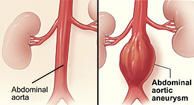

An abdominal aortic aneurysm can grow quietly for years without producius. The condition affects the aorta, the body’s largest artery, where it travels through the abdomen. When part of this vessel wall weakens and expands, it may eventually rupture and cause life-threatening internal bleeding.
The good news is that an abdominal aortic aneurysm, commonly shortened to AAA, can often be detected with a simple ultrasound. Smaller aneurysms may be monitored safely, while larger or rapidly growing aneurysms can be repaired before they burst. Understanding your risk factors, screening eligibility, treatment options, and prevention strategies can turn a silent threat into a manageable medical condition. t Is an Abdominal Aortic Aneurysm?
The aorta begins at the heart and carries oxygen-rich blood throughout the body. After passing through the chest, it enters the abdomen and eventually divides into arteries that supply the pelvis and legs. An abdominal aortic aneurysm forms when a weakened section of the abdominal aorta stretches outward like a bulge in an aging garden hoseexcept this is one hose you definitely do not want springing a leak.
Clinicians generally define an abdominal aortic aneurysm as an abdominal aorta measuring at least 3 centimeters in diameter. Most AAAs develop below the arteries that supply the kidneys. The aneurysm may be fusiform, meaning the vessel expands around its entire circumference, or saccular, meaning a pouch develops on one side. Its shape, location, size, growth rate, and associated symptoms all influence treatment decisions. an Abdominal Aortic Aneurysm Is Dangerous
The primary danger is rupture. As an aneurysm becomes larger, the pressure on its weakened wall generally increases. If the wall tears open, blood can escape rapidly into the abdomen. Without immediate emergency treatment, the resulting blood loss can be fatal.
An aneurysm may also form blood clots along its inner surface. Pieces of a clot can occasionally break loose and travel into arteries supplying the legs or feet, reducing blood flow. However, many AAAs cause no symptoms or complications until they have grown substantially. That is why screening matters for people at elevated risk. mon Abdominal Aortic Aneurysm Causes
AAA usually does not have one neat, single cause. It develops through a combination of biological aging, inflammation, inherited susceptibility, arterial damage, and lifestyle-related risk factors. Over time, structural proteins in the aortic wall can weaken, making the vessel less able to withstand the pressure of circulating blood.
Smoking and Tobacco Exposure
Smoking is among the strongest preventable risk factors for abdominal aortic aneurysm. Tobacco chemicals damage blood vessels, accelerate inflammation, and contribute to the breakdown of supportive tissue in the aortic wall. The risk rises with cumulative exposure, and former smokers may remain at increased risk for years.
Quitting still matters. Smoking cessation may slow aneurysm growth, lower rupture risk, and improve heart, lung, and surgical health. In other words, quitting does not erase yesterday, but it can make tomorrow substantially less dramatic. and Biological Sex
AAA becomes more common with age, especially after age 65. Men develop abdominal aortic aneurysms more frequently than women. Women, however, may experience rupture at a smaller aneurysm diameter, which is one reason modern clinical guidance sometimes uses different surveillance and repair thresholds for men and women. ily History and Genetics
A first-degree relativea parent, sibling, or childwith an abdominal aortic aneurysm increases a person’s risk. Genetic influences can affect the strength and repair mechanisms of arterial tissue. A family history is especially important when more than one relative has had an aneurysm or when the condition appeared at an unusually young age.
Some inherited connective tissue disorders can also weaken major arteries, although these conditions are more commonly associated with aneurysms in other sections of the aorta. Patients should tell their healthcare professionals about any known family history of aneurysm, sudden unexplained death, aortic dissection, or major vascular surgery. erosclerosis and Cardiovascular Risk
Atherosclerosisthe accumulation of plaque and inflammatory material in artery wallsis closely associated with AAA. High blood pressure, high cholesterol, coronary artery disease, peripheral artery disease, and chronic vascular inflammation may contribute to arterial injury or identify people with broader cardiovascular risk.
High blood pressure does not necessarily act alone as the direct cause of every aneurysm, but uncontrolled pressure places additional mechanical stress on an already weakened aorta. Managing blood pressure is therefore an important part of long-term care. s Common Causes
Less commonly, aneurysms may be associated with infection, blood vessel inflammation, trauma, or complications from previous vascular procedures. These cases can behave differently from typical degenerative AAAs and may require specialized evaluation. ominal Aortic Aneurysm Symptoms
Most small abdominal aortic aneurysms are silent. They are frequently discovered during an ultrasound, CT scan, or MRI performed for an unrelated reason. A person may enter a clinic because of kidney stones and leave with an appointment for a vascular specialistmedicine occasionally enjoys an unexpected subplot.
When symptoms occur, they may include:
- A deep, persistent pain in the abdomen or side
- Back pain that does not have an obvious muscular cause
- A pulsing or throbbing sensation near the belly button
- Abdominal tenderness
- Unexplained pain extending toward the groin, buttocks, or legs
These symptoms do not automatically mean someone has an aneurysm. Many more common conditions can cause abdominal or back pain. However, new or persistent symptoms deserve medical evaluation, particularly in an older adult with a smoking history or family history of AAA. ning Signs of a Ruptured AAA
A ruptured abdominal aortic aneurysm is a medical emergency. Warning signs may include sudden, severe abdominal or back pain, dizziness, fainting, weakness, a rapid heartbeat, clammy skin, confusion, or signs of shock. Some people describe the pain as tearing or unlike anything they have felt before.
Call 911 immediately if rupture is suspected. Do not drive yourself to the hospital, wait for the pain to pass, or attempt to solve the mystery with an internet symptom quiz. Minutes matter when major internal bleeding is possible. AAA Is Diagnosed
Abdominal Ultrasound
Ultrasound is the standard screening test for abdominal aortic aneurysm. It is noninvasive, widely available, relatively quick, and does not expose the patient to ionizing radiation. A technician places a probe over the abdomen to measure the diameter of the aorta.
Ultrasound is also commonly used to monitor an existing aneurysm. The test may be more difficult in people with certain body types or substantial intestinal gas, but it remains the preferred first-line examination for routine screening and surveillance. Angiography and MRI
CT angiography produces detailed images of the aneurysm, nearby branches, blood clots, vessel shape, and surrounding anatomy. It is often used when symptoms suggest a complication or when clinicians are planning surgical or endovascular repair. Because CT angiography generally involves radiation and iodinated contrast, kidney function and contrast allergies must be considered.
MRI or magnetic resonance angiography may be used in selected situations, particularly when avoiding radiation or iodinated contrast is important. The most appropriate imaging method depends on the clinical question and the patient’s health. Should Be Screened for Abdominal Aortic Aneurysm?
The U.S. Preventive Services Task Force recommends one-time ultrasound screening for men ages 65 to 75 who have ever smoked, generally defined as smoking at least 100 cigarettes during their lifetime. For men in this age group who have never smoked, screening may be offered selectively after considering family history, other medical risks, and personal preferences.
The USPSTF recommends against routine screening for women who have never smoked and have no family history of AAA. It has found insufficient evidence to determine the balance of benefits and harms for women ages 65 to 75 who have ever smoked or have a family history. Other professional cardiovascular guidelines may support screening additional high-risk groups, including older adults with first-degree relatives who have had AAA.
Because recommendations differ somewhat among organizations, the practical next step is simple: discuss personal risk with a healthcare professional rather than assuming that one screening rule fits everyone. ominal Aortic Aneurysm Treatment
The goal of treatment is to prevent rupture while avoiding unnecessary procedures. A vascular specialist considers the aneurysm’s diameter, growth rate, shape, symptoms, anatomy, and the patient’s age, life expectancy, kidney function, heart and lung health, and preferences.
Monitoring a Small Aneurysm
A small, symptom-free AAA often does not require immediate repair. Instead, the patient undergoes surveillance imaging. Under 2022 American College of Cardiology and American Heart Association guidance, surveillance is generally recommended every three years for an AAA measuring 3.0 to 3.9 centimeters.
Annual imaging is generally recommended for men with an aneurysm measuring 4.0 to 4.9 centimeters and women with one measuring 4.0 to 4.4 centimeters. Imaging about every six months is generally recommended for men at or above 5.0 centimeters and women at or above 4.5 centimeters. Individual schedules may differ because aneurysm growth is not governed by a kitchen timer. ical and Lifestyle Management
No standard medication reliably shrinks a typical abdominal aortic aneurysm. Medical care instead focuses on lowering overall cardiovascular risk and reducing stress on the aorta. Treatment may include blood pressure medication, cholesterol-lowering therapy, diabetes management when appropriate, smoking cessation, regular physical activity, and a heart-healthy eating pattern.
Patients should take medications exactly as prescribed and discuss exercise limits with their clinician. Most people with a stable small aneurysm can remain active, but exceptionally heavy lifting or straining may be discouraged in some cases. The safest plan depends on aneurysm size, blood pressure control, symptoms, and general fitness. n Repair Is Recommended
Repair is commonly recommended when an aneurysm causes symptoms, grows rapidly, develops concerning anatomical features, or reaches a diameter at which rupture risk outweighs the risks of intervention. Current ACC/AHA guidance recommends repair for asymptomatic AAAs measuring at least 5.5 centimeters in men or at least 5.0 centimeters in women. These are general thresholds, not do-it-yourself decision rules.
A smaller aneurysm may still require repair if it causes pain attributable to the aneurysm, expands unusually quickly, has a saccular shape, or presents other high-risk features. Referral to a vascular surgeon at the time of diagnosis can help establish an appropriate monitoring and treatment plan. n Surgical Repair
During open repair, a surgeon makes an incision in the abdomen, temporarily controls blood flow through the aorta, opens the affected section, and sews a durable synthetic graft into place. Blood then flows through the graft instead of pressing against the weakened aneurysm wall.
Open repair is a major operation with a longer hospital stay and recovery period than minimally invasive treatment. It may nevertheless be the best choice for younger or healthier patients, people whose anatomy is unsuitable for a stent graft, or cases requiring a particularly durable reconstruction. ovascular Aneurysm Repair
Endovascular aneurysm repair, or EVAR, is performed through arteries in the groin. A vascular surgeon guides a compressed stent graft into the aorta using catheters and imaging. Once positioned, the graft expands and creates a new channel for blood, reducing pressure on the aneurysm wall.
EVAR usually involves smaller incisions, a shorter hospital stay, and a faster initial recovery than open surgery. However, it is not suitable for every anatomy. Patients also require lifelong imaging because the device can shift, leak around its edges, become blocked, or require another procedure. The choice between EVAR and open repair should be made through shared decision-making with an experienced vascular team. to Reduce the Risk of AAA and Its Complications
Stop Smoking
Quitting smoking is the most important modifiable step for people at risk for AAA and those already diagnosed. Counseling, nicotine-replacement products, prescription medications, support groups, and quitlines can substantially improve the chance of success. Needing assistance is not a lack of willpower; nicotine dependence is a medical condition, not a personality flaw.
Control Blood Pressure and Cholesterol
Follow the treatment plan recommended for high blood pressure and unhealthy cholesterol levels. Home blood pressure readings can help, but the cuff must fit correctly and measurements should be taken after several quiet minutesnot immediately after an argument, a sprint upstairs, or reading the comments section.
Build a Heart-Healthy Routine
A diet emphasizing vegetables, fruit, whole grains, legumes, fish, unsalted nuts, and minimally processed foods supports vascular health. Limit excess sodium, heavily processed meats, trans fats, and foods high in added sugar. Combine this eating pattern with regular activity approved by a healthcare professional.
Keep Every Imaging Appointment
An aneurysm that caused no symptoms last year can still grow. Surveillance scans allow clinicians to identify changes before they become emergencies. Keep a written record of aneurysm measurements, imaging dates, medications, and upcoming appointments. It is much easier than trying to reconstruct five years of medical history from a collection of appointment reminder texts.
Share Your Family History
When one person is diagnosed with AAA, close relatives may need to discuss screening with their healthcare professionals. Sharing the information can feel awkward, but it may help someone detect an aneurysm before symptoms appear. ing With an Abdominal Aortic Aneurysm
A diagnosis often creates anxiety because patients know an aneurysm is present but may be told that immediate surgery would create more risk than careful monitoring. That tension is understandable. The answer is not to ignore the condition or spend every afternoon checking for an abdominal pulse. The answer is a specific care plan.
Ask your clinician how large the aneurysm is, how quickly it has changed, when the next scan is due, which symptoms require urgent care, and whether any activities should be modified. Seek medical advice promptly for new abdominal or back pain. Seek emergency help for sudden severe pain, fainting, weakness, or signs of shock.
Patients should also continue receiving routine preventive care. AAA often appears alongside other cardiovascular conditions, so controlling smoking, blood pressure, cholesterol, physical inactivity, and other risks may protect far more than the aorta. clusion
An abdominal aortic aneurysm is serious, but serious does not mean hopeless. Many aneurysms are discovered before rupture, monitored with ultrasound, and repaired when the balance of risk favors treatment. Screening is especially important for older men with a history of smoking, while individualized assessment may identify other people who could benefit.
The most useful prevention steps are refreshingly unglamorous: do not smoke, control blood pressure and cholesterol, remain appropriately active, attend follow-up scans, and discuss family history. The aorta does not award bonus points for dramatic gestures. It prefers steady, evidence-based maintenance.
Experiences Along the AAA Care Journey
The following composite experiences illustrate common situations patients and families may encounter. They are educational examples rather than accounts of specific individuals.
Experience One: The Incidental Discovery
Imagine a 69-year-old former smoker having an abdominal scan because of recurring kidney stones. The stones are annoying but treatable. The surprise is a 3.6-centimeter abdominal aortic aneurysm found on the same scan. He feels fine and cannot understand how a potentially serious condition could exist without symptoms.
His first reaction is often fear: “Is this about to burst?” The vascular specialist explains that a small aneurysm generally has a low immediate rupture risk and does not automatically require surgery. A follow-up ultrasound is scheduled, smoking history and blood pressure are reviewed, and cholesterol treatment is optimized.
The practical lesson is that monitoring is active treatment, not medical procrastination. The patient leaves with exact measurements, an imaging schedule, and clear emergency symptoms. Once the plan becomes specific, the diagnosis usually feels less like a ticking clock and more like a condition being responsibly managed.
Experience Two: Years of Surveillance
Now consider a patient whose aneurysm increases from 4.1 centimeters to 4.3 centimeters over a year. She may feel frustrated when the clinician recommends another scan instead of immediate repair. Family members might ask why doctors are “just watching it.”
The answer is that repair carries its own risks, including bleeding, heart complications, kidney injury, infection, and the possibility of additional procedures. When an aneurysm is relatively small and stable, the risks of intervention may exceed the near-term rupture risk. Surveillance allows the medical team to choose a safer moment for action if the aneurysm grows.
During this period, many patients benefit from keeping a simple health folder. It can contain imaging reports, current medications, blood pressure readings, clinician contact information, and the date of the next ultrasound. This reduces uncertainty and helps every member of the care team work from the same information.
Emotionally, surveillance can be the hardest stage. Patients may notice every twinge in the abdomen and wonder whether it is significant. A written symptom plan helps distinguish discomfort that should prompt a routine call from sudden severe pain that requires 911. Clear instructions are much more calming than vague reassurance.
Experience Three: Preparing for Repair
A third common experience begins when an aneurysm reaches a repair threshold or starts growing more quickly. The patient may undergo CT angiography so surgeons can evaluate the vessel’s shape and determine whether EVAR or open repair is appropriate.
Someone eligible for EVAR may focus on its smaller incisions and faster early recovery. The care team also explains the tradeoff: regular imaging remains necessary after the procedure, and some patients eventually need another intervention. Someone advised to undergo open repair may worry about a larger incision and longer recovery, but the surgeon may recommend it because of anatomy, durability, age, or device limitations.
The best experience usually comes from shared decision-making rather than simply being told, “This is what we do.” Useful questions include how many similar procedures the center performs, why one approach is recommended, what complications are most relevant, how long recovery may take, and what help will be needed at home.
Family preparation matters too. Patients may need transportation, medication assistance, meal support, and help following lifting restrictions. After discharge, fever, worsening pain, leg changes, wound problems, chest symptoms, or sudden weakness should be reported according to the surgical team’s instructions.
Across all three experiences, information changes the emotional landscape. The aneurysm itself may not disappear, but uncertainty can shrink. Knowing the measurement, next step, warning signs, and responsible clinician gives patients something concrete to doand that is often the beginning of feeling in control again.
Medical note: This article provides general educational information and is not a diagnosis or individualized treatment plan. Contact a qualified healthcare professional for personal guidance. Call 911 for sudden severe abdominal or back pain, fainting, weakness, confusion, or suspected aneurysm rupture.