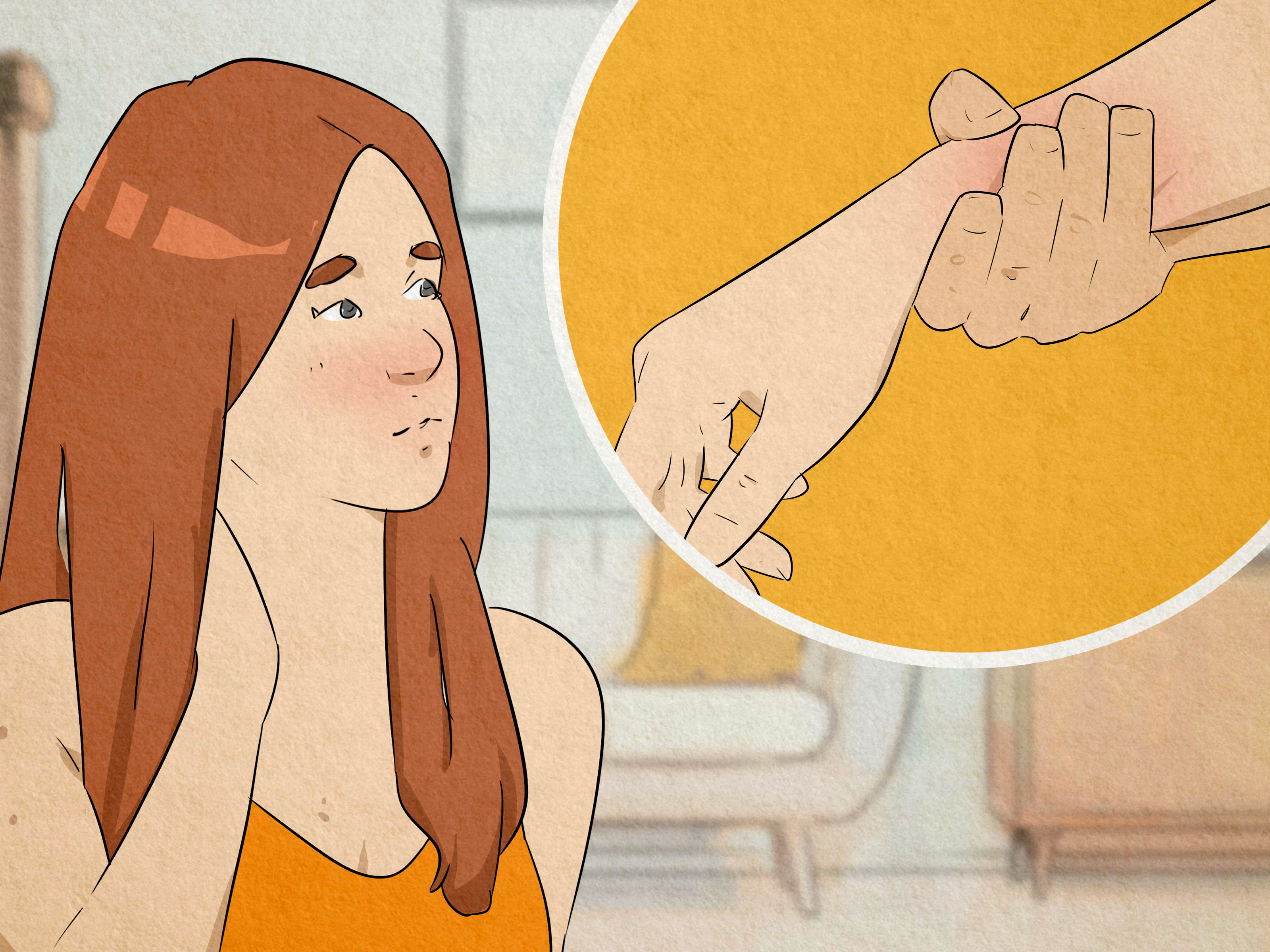
Depression can make even ordinary tasks feel as if someone secretly replaced gravity with industrial-strength glue. Getting out of bed becomes an achievement, answering a text feels like paperwork, and “just cheer up” remains spectacularly unhelpful advice.
Standard depression treatmentsincluding psychotherapy, antidepressant medication, and, in some cases, brain-stimulation therapieshelp many people. Still, symptoms may not disappear completely, side effects can be frustrating, and some patients want additional non-drug options. That is where acupuncture for depression often enters the conversation.
Research suggests that acupuncture may modestly reduce depressive symptoms, particularly when it is added to conventional treatment. However, the evidence is not strong enough to declare acupuncture a replacement for therapy, medication, or psychiatric care. Think of it as a possible supporting actor, not the lead performer who suddenly fires the rest of the cast.
Medical note: This article is for general education and does not diagnose or treat depression. Anyone experiencing severe symptoms, thoughts of self-harm, suicidal thoughts, hallucinations, mania, or an inability to care for themselves should seek immediate professional or emergency help.
What Is Acupuncture?
Acupuncture is a traditional Chinese medicine practice in which a trained practitioner inserts extremely thin needles into selected locations called acupuncture points, or acupoints. The needles may be gently moved by hand, left in place for several minutes, or connected to a device that delivers a mild electrical current. The last method is known as electroacupuncture.
Traditional explanations describe acupuncture as a way to regulate the movement of qi, or vital energy, through pathways called meridians. Modern researchers usually examine the practice through a different lens, studying possible effects on the nervous system, connective tissue, pain pathways, stress responses, neurotransmitters, and patient expectations.
Scientists have not established one complete biological explanation for acupuncture. Its effects may come from several ingredients at once: physical stimulation from the needles, changes in nervous-system activity, the relaxing treatment environment, interactions with the practitioner, and nonspecific or placebo-related effects. In other words, the answer is probably more complicated than “needle goes in, sadness comes out.”
Is Acupuncture Effective for Depression?
What systematic reviews have found
Systematic reviews and meta-analyses have often found improvements in depression-rating scores among participants receiving acupuncture. Some studies report benefits when acupuncture is compared with no treatment, usual care, sham acupuncture, or antidepressant medication. Other studies suggest that combining acupuncture with antidepressants may produce better short-term results than medication alone.
That sounds encouraging, but several caveats matter. Many trials have been relatively small. Treatment schedules, acupuncture points, depression diagnoses, comparison groups, and measurement methods vary substantially. Some studies also have a high risk of bias, meaning their design may make the treatment appear more effective than it really is.
Sham acupuncture creates another research headache. A sham procedure may use superficial needling, nonpenetrating devices, or points considered unrelated to the target condition. Yet even light skin stimulation and a convincing treatment ritual may produce physiological or psychological effects. As a result, sham acupuncture may not be a truly inactive placebo.
The National Center for Complementary and Integrative Health summarizes the evidence cautiously: acupuncture may provide a modest reduction in depression symptoms, but comparisons with medication and psychotherapy remain uncertain because the available evidence is not consistently high quality.
Acupuncture as an add-on treatment
The strongest practical argument for acupuncture is usually not that it should replace conventional care, but that it may complement it. Someone taking an antidepressant might use acupuncture while continuing medication management. Another person may combine it with cognitive behavioral therapy, exercise, better sleep habits, and structured social support.
This integrated approach is important because depression is not a single malfunction with one universal repair button. Symptoms may involve mood, sleep, appetite, concentration, pain, motivation, anxiety, fatigue, and relationships. A treatment that improves sleep or reduces chronic pain may indirectly make depression easier to manage, even when it does not directly eliminate every symptom.
Psychotherapy and medication remain the most common evidence-based treatments. People with moderate or severe depression are often advised to include medication in their initial treatment plan, while milder depression may sometimes be treated first with psychotherapy. Treatment decisions should be made with a qualified mental health professional.
How Might Acupuncture Affect Depression?
Researchers have proposed several possible mechanisms, although none has been proved to explain the entire effect.
Nervous-system regulation
Needle stimulation may influence sensory nerves and brain networks involved in mood, stress, pain, and emotional regulation. Imaging and laboratory studies suggest that acupuncture can affect nervous-system activity, although findings do not yet translate into a simple clinical formula.
Stress-response pathways
Depression can be accompanied by an overactive or poorly regulated stress response. Researchers are studying whether acupuncture affects the hypothalamic-pituitary-adrenal axis, autonomic nervous system, heart-rate variability, and stress-related hormones. These findings are interesting, but many come from small human studies or animal research.
Neurotransmitters and natural chemicals
Acupuncture may influence endorphins and signaling chemicals involved in nerve communication. Proposed targets include serotonin, dopamine, norepinephrine, and gamma-aminobutyric acid. It would be an exaggeration, however, to say that acupuncture has been proved to “balance brain chemicals.” Human mood biology is not a mixing bowl, and serotonin does not come with a convenient dipstick.
Sleep and pain improvement
Insomnia, chronic pain, headaches, muscle tension, and fatigue commonly overlap with depression. Because acupuncture is frequently used for pain and stress management, symptom relief in these areas may improve daily functioning and emotional well-being. The benefit may therefore be direct, indirect, or a blend of both.
Context and expectation
The treatment setting itself may contribute to results. A quiet appointment, regular human contact, relaxation, positive expectations, and the feeling of actively participating in recovery can influence symptom perception. These contextual effects are not imaginary, but they make it harder to isolate the precise contribution of needle placement.
Common Acupuncture Points for Depression
There is no universally accepted set of acupuncture points that works for every person with depression. Practitioners typically select points after considering mood symptoms, sleep, digestion, pain, energy level, menstrual symptoms, anxiety, medical history, and the treatment system they use.
The following points commonly appear in clinical studies and traditional treatment plans. Their inclusion does not prove that each point has an independent antidepressant effect.
GV20, or Baihui
GV20 is located near the top of the head. It is frequently included in research protocols for depression, anxiety, insomnia, post-stroke depression, and cognitive symptoms. Traditional practitioners associate it with calming the spirit and improving mental clarity.
EX-HN3, Yintang, or GV29
Yintang lies between the eyebrows and is sometimes nicknamed the “third-eye point.” It is commonly selected for restlessness, anxiety, sleep problems, headaches, and emotional tension. Many patients find this area relaxing, although that is not a guarantee that one forehead needle will settle an entire month’s worth of problems.
HT7, or Shenmen
HT7 is located near the wrist crease on the little-finger side. It appears in protocols addressing depression, anxiety, insomnia, agitation, and emotional distress. Its traditional name is often translated as “Spirit Gate.”
PC6, or Neiguan
PC6 is found on the inner forearm. It is well known for its use in nausea treatment and is also included in some protocols for anxiety, sleep disruption, chest tightness, palpitations, and mood symptoms.
SP6, or Sanyinjiao
SP6 is located above the inner ankle. Studies and traditional treatment plans may include it for sleep difficulties, fatigue, digestive complaints, menstrual symptoms, anxiety, and depression. Because this point may be avoided or used cautiously during pregnancy, patients should always tell the practitioner if they are pregnant or may be pregnant.
LR3, or Taichong
LR3 is situated on the top of the foot between the first and second toes. Traditional acupuncture commonly uses it for irritability, emotional tension, headaches, and stress-related symptoms.
ST36, or Zusanli
ST36 is located below the knee. It is often selected when depression is accompanied by fatigue, poor appetite, weakness, digestive symptoms, or reduced stamina.
Auricular Shenmen
Auricular acupuncture stimulates points on the outer ear. Ear Shenmen is used in some treatment systems for stress, anxiety, sleep problems, and emotional regulation. Research protocols vary considerably in their point locations and stimulation techniques.
Reviews of acupuncture research frequently identify GV20, HT7, SP6, PC6, Yintang, and related points, but no high-quality evidence shows that one fixed combination is best for depression. Acupuncture needles should never be inserted by an untrained person. A point chart is not a do-it-yourself instruction manual.
What Happens During an Acupuncture Session?
A first appointment usually begins with questions about symptoms, sleep, appetite, digestion, medications, medical conditions, stressors, and treatment goals. Some traditional practitioners may also examine the tongue or check the pulse at the wrists.
The patient then lies or sits in a comfortable position while sterile, single-use needles are inserted. A treatment may involve several points on the head, ears, arms, hands, legs, feet, abdomen, or back. Needles are commonly left in place for approximately 10 to 30 minutes.
Sensations can include a brief pinch, tingling, heaviness, warmth, or a dull ache. Sharp or intense pain should be reported immediately. Some people feel deeply relaxed afterward; others feel energized, sleepy, or essentially the same as beforeexcept now they have completed an unusually pointy appointment.
How Many Treatments Are Needed?
There is no standardized acupuncture schedule for depression. Research trials have used anything from a few weeks of treatment to several months, often with one to three sessions per week at the beginning.
A reasonable plan should include a defined trial period and measurable goals. Rather than relying on “I think I might feel sort of different,” patients can track sleep duration, panic episodes, energy, missed workdays, social activity, and standardized depression scores such as the PHQ-9.
If there is no meaningful improvement after an agreed period, continuing indefinitely may not be worthwhile. Acupuncture should not become a subscription service that survives entirely on optimism and automatic credit-card charges.
Who Might Consider Acupuncture?
Acupuncture may be worth discussing with a healthcare professional when a person:
- Has mild or moderate depressive symptoms and wants an additional supportive treatment.
- Is already receiving psychotherapy or medication but still has residual sleep, stress, pain, or fatigue symptoms.
- Experiences medication side effects and wants to explore complementary symptom management without stopping medication abruptly.
- Has chronic pain or headaches that appear to worsen mood.
- Prefers structured, in-person mind-body care and can attend appointments consistently.
Acupuncture is less appropriate as a stand-alone strategy for severe depression, psychosis, mania, catatonia, active suicidal thinking, or rapidly worsening symptoms. These situations require prompt medical and psychiatric evaluation.
Safety, Side Effects, and Precautions
Acupuncture is generally considered safe when performed correctly by an appropriately trained practitioner using sterile, disposable needles. Common temporary effects include minor bleeding, bruising, soreness, lightheadedness, fatigue, and brief symptom flare-ups.
Serious complications are rare but may include infection, nerve injury, punctured organs, or a collapsed lung when needles are inserted improperly. The FDA regulates acupuncture needles as medical devices and requires them to be sterile and labeled for single use.
Before treatment, tell the practitioner about:
- Pregnancy or the possibility of pregnancy.
- Bleeding disorders or blood-thinning medications.
- A pacemaker or implanted electrical device, especially before electroacupuncture.
- A weakened immune system or elevated infection risk.
- Skin infections, open wounds, or severe dermatologic conditions.
- Breast implants, surgical hardware, or other implanted devices.
- Fainting with needles or significant needle anxiety.
Patients should also disclose all medications, supplements, and mental health treatments. Antidepressants should not be reduced or stopped because an acupuncture session felt relaxing. Sudden medication changes can cause withdrawal symptoms, relapse, or other complications.
How to Choose a Qualified Acupuncturist
Licensing requirements differ among U.S. states, so patients should verify local credentials rather than trusting a wall certificate featuring an impressive gold border.
Ask the practitioner:
- Are you licensed to practice acupuncture in this state?
- What training and national certifications do you hold?
- How often do you work with people receiving mental health treatment?
- Do you use sterile, single-use needles?
- How will progress be measured?
- Will you coordinate with my physician, therapist, or psychiatrist?
- What will the proposed schedule cost, and does insurance cover any part of it?
A responsible acupuncturist should not promise a cure, discourage psychotherapy, tell patients to stop prescribed medication, or claim that every illness comes from one mysterious energy blockage. Good complementary care works with medical treatment rather than trying to win a turf war against it.
Experiences With Acupuncture for Depression
The following examples are fictional composites based on commonly reported treatment situations. They are not testimonials, predictions, or substitutes for medical advice.
Experience 1: Relaxation without a dramatic mood shift
Jordan began acupuncture while attending therapy for mild depression related to work stress and a difficult breakup. The first appointment involved points on the scalp, forehead, wrists, legs, and feet. Jordan expected either instant enlightenment or mild torture and was surprised to experience neither.
During the first two weeks, the most noticeable change was improved relaxation on treatment days. Falling asleep became slightly easier, and jaw tension decreased. Overall mood, however, remained inconsistent. After six weeks, Jordan’s depression score had improved modestly, but therapy and regular exercise seemed to be doing much of the heavy lifting.
Jordan continued acupuncture twice a month because the sessions supported stress management. The benefit was useful but not magical: less “my life has transformed” and more “I stopped clenching my teeth through every staff meeting.”
Experience 2: Helpful alongside medication
Maria had moderate major depression and had been taking an antidepressant for several months. Her mood had improved, but insomnia, headaches, and afternoon fatigue remained. Her psychiatrist supported trying acupuncture as long as she continued medication and therapy.
After several sessions, Maria noticed fewer tension headaches and somewhat steadier sleep. That made mornings easier and helped her participate more consistently in therapy. She did not view acupuncture as the treatment that cured her depression. Instead, it reduced two symptoms that had been draining her limited energy.
When Maria became tempted to lower her medication dose on her own, both the acupuncturist and psychiatrist advised against it. Her dose was later adjusted gradually under medical supervision. The coordinated approach prevented acupuncture from becoming an excuse for unsafe medication changes.
Experience 3: No meaningful benefit
Chris tried eight acupuncture sessions for persistent low mood and poor concentration. The clinic was comfortable, the practitioner was professional, and the needles were less painful than expected. Unfortunately, the treatment produced no clear change in sleep, energy, motivation, or mood.
Rather than continuing automatically, Chris reviewed the original goals with the practitioner and stopped treatment. The money and time were redirected toward structured cognitive behavioral therapy. This experience was not a failure. It was a properly evaluated treatment trial that did not deliver enough benefit.
Experience 4: Needle anxiety required a slower approach
Alex wanted to try acupuncture but had a history of fainting during blood draws. The practitioner began with only a few needles while Alex remained reclined. The session was shortened, and electroacupuncture was avoided.
Alex eventually tolerated treatment, but the anxiety surrounding appointments canceled out much of the relaxation. After four visits, Alex decided that massage, breathing exercises, and therapy were better fits. A complementary treatment should reduce the overall burden of care, not become a weekly obstacle course.
What these experiences illustrate
Responses to acupuncture vary. One person may notice better sleep, another may experience reduced pain, and another may notice no meaningful difference. Expectations should therefore be specific and realistic. “I want to fall asleep within 45 minutes” is measurable. “I want every problem in my life to disappear while I lie quietly under a blanket” is ambitious, even by wellness-industry standards.
The most useful experiences tend to involve coordinated care, qualified practitioners, defined goals, and regular reassessment. Acupuncture may contribute to recovery, but it should not delay treatments with stronger evidence or urgent mental health intervention.
Conclusion
Acupuncture for depression is a promising complementary treatment, particularly for people who want additional help with stress, pain, insomnia, fatigue, or lingering mood symptoms. Research suggests modest benefits, and some studies report stronger outcomes when acupuncture is combined with antidepressant medication.
Nevertheless, the evidence remains mixed, treatment protocols are inconsistent, and many studies have methodological limitations. No acupuncture point or needle combination has been proved to cure depression. Psychotherapy, medication, and appropriate psychiatric care remain the foundation of treatment for many patients.
Anyone considering acupuncture should choose a properly licensed practitioner, confirm the use of sterile single-use needles, keep their medical and mental health professionals informed, and evaluate progress using clear goals. The best treatment plan is not the one with the most fashionable ingredients. It is the one that is safe, evidence-informed, personally acceptable, and genuinely helps a person function and feel better.