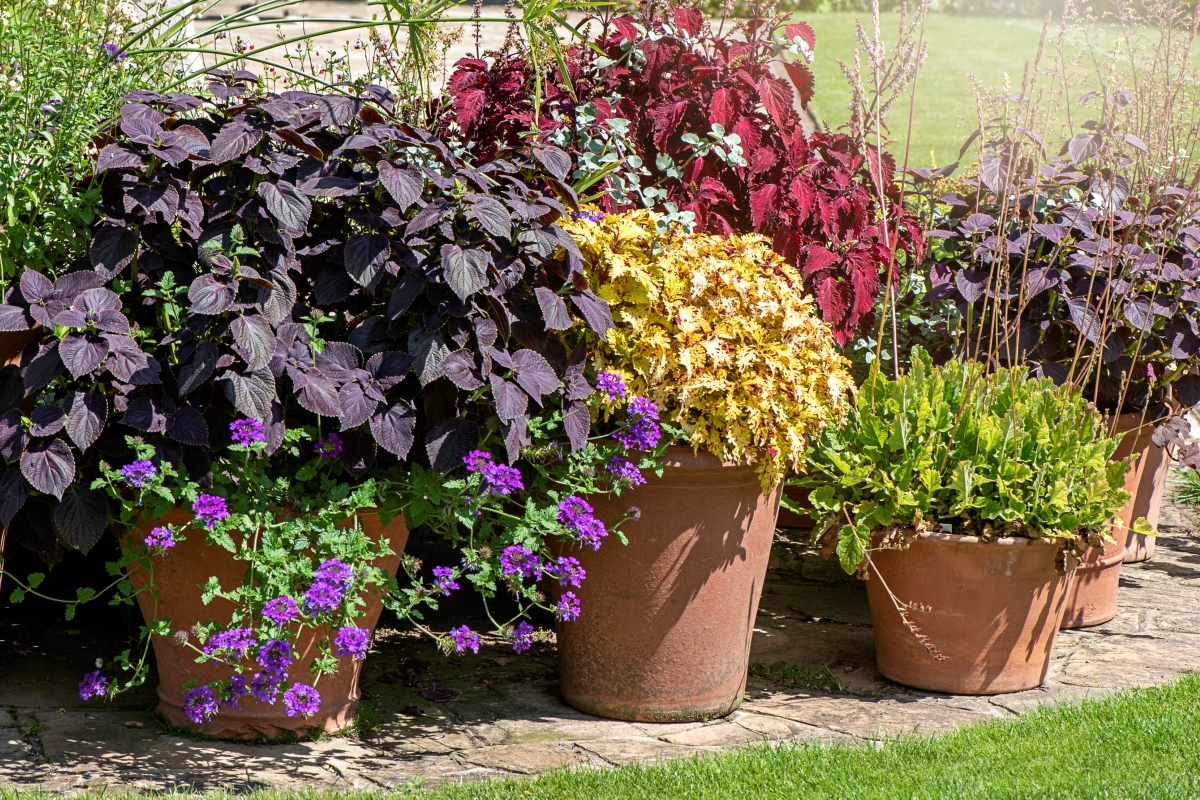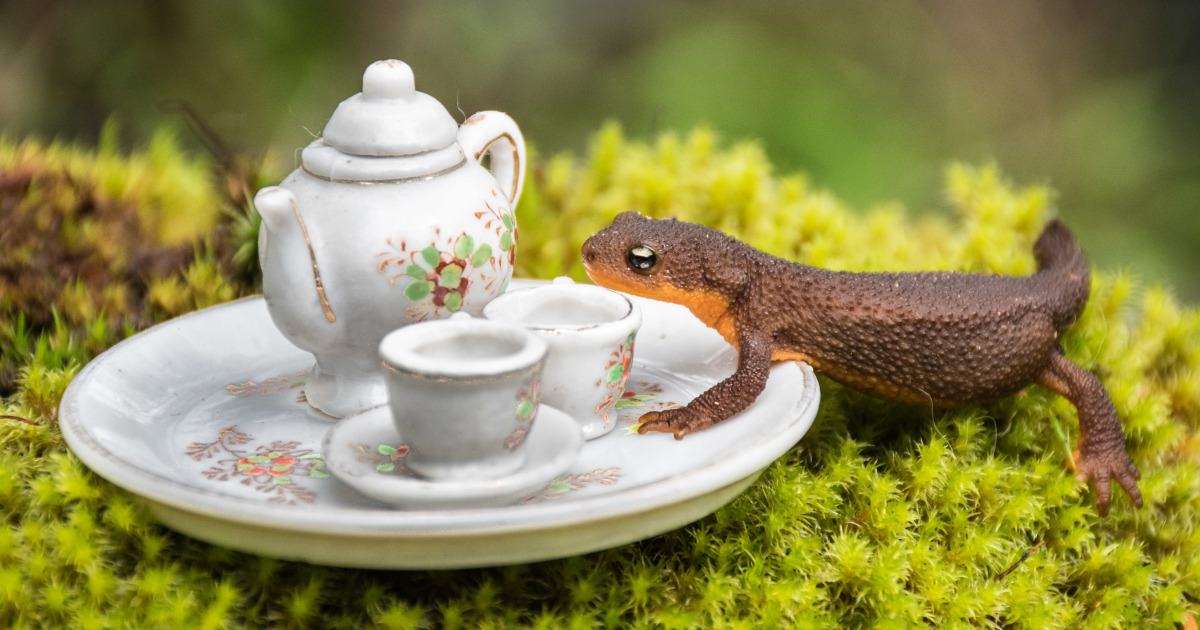

Some parties come with chandeliers, polished silver, and a suspicious number of tiny forks. This one comes with birdsong, dappled light, and a squirrel who behaves like he owns the place. Honestly, he might. An unusual tea party with my forest friends is less about pretending the woods are a fancy dining room and more about discovering that nature already knows how to host. The breeze handles ambiance, moss does a decent impression of luxury carpet, and the trees stand around like quiet but judgmental uncles.
Still, a forest tea party is not just a cute idea for photos or a whimsical excuse to wear a cardigan dramatic enough to deserve its own zip code. It can also be a thoughtful way to slow down, reconnect with nature, and enjoy the ritual of tea in a setting that naturally encourages attention, calm, and conversation. When done right, it blends woodland charm with real-world common sense: respect wildlife, leave plants where they are, pack out every crumb, and remember that “forest friends” are companions in spirit, not guests who should be offered muffins.
That is where this idea becomes more than a Pinterest daydream. A woodland tea gathering can borrow from the social comfort of tea culture, the restorative power of time outdoors, and the best practices of low-impact recreation. It can be beautiful without being messy, imaginative without being fake, and memorable without turning the local ecosystem into a buffet line.
Why a Forest Tea Party Feels So Magical
Tea has always carried more than flavor. It carries ceremony. Whether you brew black tea, green tea, or a fragrant herbal blend, the act itself asks you to pause. You heat water, wait, steep, inhale, sip, and suddenly your day stops acting like a shopping cart with one broken wheel. Tea invites rhythm. The forest does too.
Put those two together and you get something surprisingly powerful: a social ritual in a place that naturally rewards quiet observation. In a world where every phone buzzes like it has a personal grudge against your peace, a forest tea party feels almost rebellious. You are choosing slowness on purpose. You are replacing background noise with wind in the leaves. You are allowing your attention span to put its shoes back on and rejoin civilized society.
That matters more than it sounds. Time in nature has been associated with lower stress, improved mood, restored attention, and a greater sense of well-being. Add tea to that scene, and the experience becomes part comfort, part sensory reset. The steam rising from a cup, the smell of pine or damp earth, the distant tapping of a woodpecker, the way sunlight flickers across a picnic cloth like nature hired its own lighting designerit all works together.
In other words, the unusual part is not that the party happens in the forest. The unusual part is how quickly the forest reminds you that you were never meant to be in a hurry all the time.
Set the Table Without Bullying the Woods
Choose a durable spot
A real forest tea party begins with one glamorous principle: do not trample the living room. Set up on a durable surface such as an established picnic area, a flat patch of bare ground, or a site already designed for visitors. This is not the day to march into a bed of wildflowers and declare yourself a woodland duchess. Flowers, moss, roots, and fragile understory plants are busy holding the ecosystem together. They did not sign up to be crushed under decorative enthusiasm.
If you want the setting to look charming, let the setting stay intact. The best woodland aesthetic is usually the one you did not rearrange. Fallen logs, filtered light, and native greenery already know what they are doing. Your job is to arrive politely.
Bring beauty in, and take every bit of it out
Use reusable cups, cloth napkins, and containers that close securely. A forest tea party should not end with a breadcrumb scandal. Even organic scraps can attract animals, change their behavior, and create problems for both wildlife and people. That means no tossing apple cores, crusts, cookies, or tea bags into the bushes like you are “giving back to nature.” Nature would prefer you stop helping.
Decor can be simple: a blanket, a thermos, a basket, maybe a small vase brought from home if you want the scene to look extra storybook. But skip cutting wildflowers, snapping branches, or gathering “just a few” leaves from the site. The woods are not a free craft store. Leave what you find so the next visitor can enjoy the same sense of discovery you did.
Keep the soundtrack natural
The forest already has a playlist. It includes chickadees, rustling leaves, insects, and the occasional twig snap that makes everybody suddenly remember bears exist. You do not need a speaker. A quiet gathering is better for wildlife, better for other visitors, and honestly better for the mood. Tea and thumping bass go together about as well as porcelain and dodgeball.
Tea Choices That Fit the Mood
If the party has a heart, it is the teapot. Or the thermos, if we are being realistic and practical like grown-ups who enjoy hot beverages away from kitchen infrastructure.
For a classic mood, black tea works beautifully. It has depth, warmth, and the kind of sturdy personality that says, “Yes, I can absolutely handle a cool morning under the trees.” Green tea brings a lighter, grassy freshness that feels especially right in spring. Herbal teas are the peacemakers of the group: mint, chamomile, lemon balm, or other caffeine-free blends can make the gathering feel softer and more inclusive.
That said, a little realism belongs in the teacup. Caffeine can be pleasant and energizing, but too much can make a peaceful afternoon feel like your internal narrator switched to fast-forward. Tea also deserves to be served at a comfortable drinking temperature. A sip should feel soothing, not like a dragon internship. Bring plain water too, especially if the day is warm or the walk to your spot is longer than expected.
Snacks should match the spirit of the day: simple, portable, and not ridiculously messy. Think tea sandwiches, sliced fruit packed securely, sturdy biscuits, scones, or muffins that do not explode into a confetti storm of crumbs. The forest appreciates guests who do not shed.
Who Are the “Forest Friends”?
This is where imagination needs a firm but friendly manager. Your forest friends may include chickadees, robins, squirrels, rabbits, butterflies, bees, and towering trees that seem wiser than half the internet. But they are not party guests in the human sense. They are neighbors. You admire them. You do not feed them, chase them, lure them closer, or attempt to bribe them into a group photo with a blueberry scone.
Watching wildlife from a respectful distance is part of the joy. A bird hopping through leaf litter can become the afternoon’s best entertainment. A squirrel spiraling up a trunk can turn into a one-act comedy. Pollinators moving from bloom to bloom bring motion, purpose, and an excellent reminder that the forest is full of lives happening independently of yours. That realization is oddly comforting. It helps the day feel shared rather than staged.
Distance matters, especially around larger wildlife. If you are in an area where deer, elk, bears, or other sizable animals may be present, admiration should come with space and common sense. Wildlife is wild even when it looks fluffy, elegant, or insultingly photogenic. Let animals stay relaxed, and let yourself stay uncharged, unbitten, and out of local headlines.
How to Make the Gathering Feel Special
Use the five senses
A memorable outdoor tea party is not built by buying more stuff. It is built by noticing more things. Ask everyone to name one sound they can hear that they would have missed indoors. Notice the temperature of the cup against your hands, the smell of leaves after shade or rain, the color differences between bark, fern, stone, and sky. Suddenly the gathering becomes less about “content” and more about experience. Remarkable concept, I know.
Bring gentle activities
Nature journaling, sketching, reading a poem aloud, or sharing a short story can make the tea party feel thoughtfully curated without turning it into a corporate retreat disguised as leisure. A small field guide can also be fun, especially for identifying birds, trees, or flowers without touching anything. Curiosity is the best party game in a forest.
Dress for practicality, not fantasy-induced suffering
A romantic woodland outfit is delightful until your shoes cannot handle roots and your sleeves collect half the understory. Wear layers, choose comfortable footwear, and plan for insects, shade, or shifting temperatures. Looking charming is nice. Being able to stand up from a blanket without reenacting a Victorian collapse is nicer.
If Children Are Part of the Party
A forest tea party can be fantastic for kids because it combines ritual, imagination, and outdoor exploration. The trick is setting the tone early. Explain that the animals are not there to be fed, the flowers are not there to be picked, and every wrapper goes home with you. Frame those rules positively: “We are visiting the forest kindly.” Children usually understand stewardship better when it sounds like belonging instead of prohibition.
You can hand out simple roles: tea pourer, bird spotter, crumb inspector, blanket captain, or official listener for mysterious rustling. Suddenly everyone has a job, and the gathering feels playful without becoming chaotic. The goal is not to make the woods feel like an indoor tea room. The goal is to let children discover that the outdoors can be both gentle and exciting at the same time.
The Real Secret: The Forest Is the Host
The most successful woodland tea gatherings happen when you stop trying to dominate the scene. The forest does not need a makeover. It needs courtesy. Once you understand that, everything gets easier. Your planning becomes lighter. Your attention becomes sharper. Your expectations become healthier.
You stop asking, “How can I decorate this place?” and start asking, “How can I enjoy this place without changing it?” That question improves almost every outdoor experience. It makes the tea taste better, somehow. It also turns a cute outing into a meaningful one.
Because in the end, an unusual tea party with forest friends is not really about pretending the woods are magical. It is about realizing they already are. The magic is not in forcing a fantasy. It is in noticing what was there all along: the rhythm of birds, the dignity of old trees, the calming effect of being somewhere that does not care about your inbox, and the small, human comfort of sipping tea while the world continues around you.
My Experience: A Longer Afternoon With My Forest Friends
The best forest tea party I ever had began with a ridiculous amount of confidence and one slightly overambitious basket. I had packed cups, a thermos of black tea, a tin of shortbread, napkins, sliced pears, and a blanket large enough to suggest I was either deeply prepared or one emotional setback away from moving into the woods permanently. The trail was quiet that morning, and the light came through the trees in long golden pieces, like the forest had decided to dress up a little for the occasion.
I chose a small, established clearing near a fallen log and spread out the blanket with all the seriousness of a person opening a royal ceremony. Within minutes, the forest began doing what it does best: ignoring my plans and improving them. A chickadee landed nearby and made a sound so cheerful it felt almost rude. Somewhere farther off, I heard leaves shifting under something small and quick. Bees moved lazily through the edge of the sunny patch, busy with flowers I had the good sense not to touch. Nothing in that scene needed me, and oddly enough, that made me feel welcome.
I poured the tea and watched steam rise into the cool air. It changed the whole pace of the afternoon. I did not gulp. I did not scroll. I did not think in bullet points. I just sat there, hands wrapped around the cup, while the forest continued its endless, patient business. A squirrel appeared on a stump like a suspicious landlord doing an inspection. He looked at the blanket, looked at me, and seemed to conclude that I was temporary and mildly incompetent. Fair assessment.
What made the experience memorable was not some dramatic fairytale moment where a fox arrived carrying jam. Frankly, that would have raised several ecological and emotional concerns. It was the accumulation of small details. The smell of tea mixing with damp bark. The relief of hearing wind instead of traffic. The way the shortbread tasted better simply because I was not eating it while standing over a kitchen counter making life choices. Even the silence felt companionable rather than empty.
I noticed more because the setting asked more of my attention. I could tell when the sun shifted. I could hear different birds taking turns. I became aware of how much movement there was in a place that first looked still. The trees were not “doing nothing.” Insects were working, birds were foraging, plants were holding their ground, and the whole place was engaged in a conversation too old and too complex for me to interrupt with litter or noise. That realization changed the mood from cute to humbling in the best possible way.
When it was time to leave, I packed every crumb, folded the blanket, checked the ground twice, and stood for another minute before walking away. I remember thinking that I had come for a themed little outing and left with something better: a sense of proportion. The forest had made room for me without rearranging itself. It had offered calm without performance. It had reminded me that friendship with nature is not possession, and it is definitely not feeding wildlife half a scone because you are feeling sentimental.
Since then, that has become my model for every outdoor tea party. Bring warmth. Bring gratitude. Bring enough snacks for humans and exactly zero for raccoons. Let the birds keep their distance, let the flowers remain where they bloom, and let the forest host in its own quiet style. It turns out that is more than enough for an unforgettable afternoon.
Conclusion
An unusual tea party with my forest friends works best when whimsy and respect share the same blanket. Tea brings ritual. The forest brings calm. Good outdoor manners make sure both can happen without harming the place you came to enjoy. Keep the gathering simple, keep wildlife wild, leave every plant where it grows, and carry out everything you brought in. Do that, and your woodland tea party becomes more than a charming idea. It becomes a small act of attention, care, and joy.