
Note: This article is based on real public information about art historian and creator Mary McGillivray, her viral art-history videos, and established museum-backed art education concepts. It is rewritten in an original, natural style for web publication.
The Internet Finally Found a Fun Way to Talk About Art
For years, art history had a reputation problem. Not a “the frame is crooked” problem, but a “please do not make me stand in a marble room pretending I understand chiaroscuro” problem. Then along came a wave of smart, funny creators who proved that learning about paintings does not have to feel like being trapped inside a dusty textbook with a very judgmental docent.
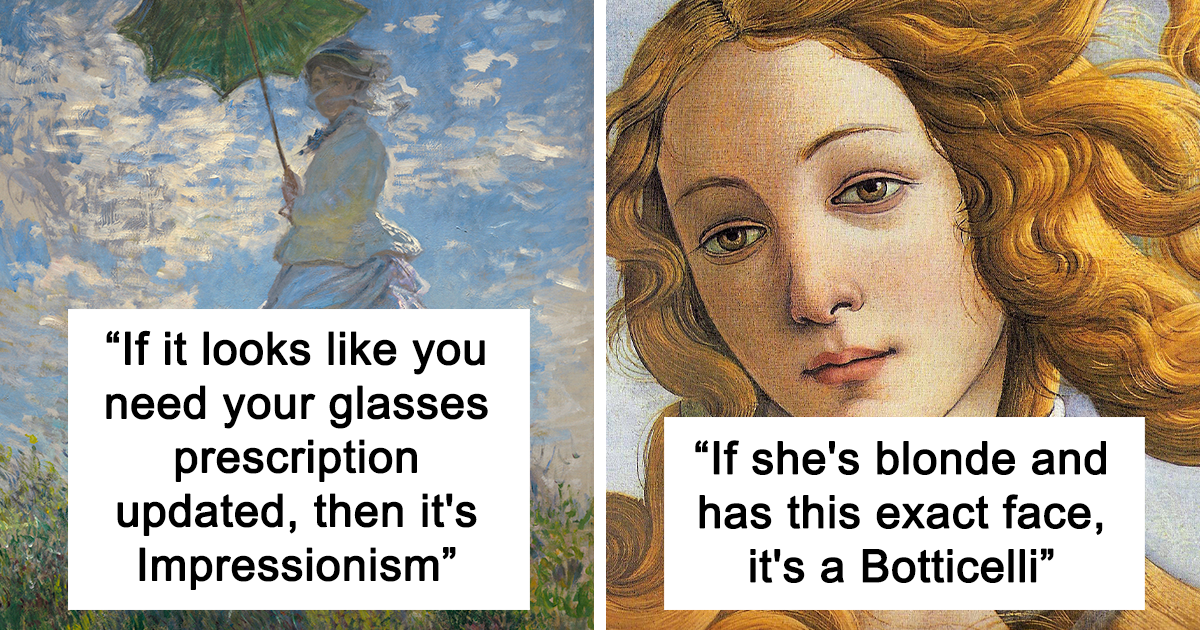
One of the most memorable examples is Australian art historian and visual culture communicator Mary McGillivray, widely known online as The Iconoclass. Her viral videos offered quick, witty, surprisingly practical tips for identifying artists and art movements. Instead of beginning with a 40-minute lecture on patronage systems in Renaissance Italy, she gave viewers punchy visual shortcuts: if everyone looks suspiciously muscular, think Michelangelo; if the image feels like your glasses prescription has betrayed you, think Impressionism; if it looks like dramatic people losing power during a blackout, welcome to Caravaggio country.
The result was internet gold: funny enough to share, smart enough to teach, and short enough for people who opened TikTok “for five minutes” and somehow resurfaced during dinner.
Who Is Mary McGillivray?
Mary McGillivray is an Australian art historian, content creator, writer, presenter, and visual culture communicator. She became widely recognized for making art history accessible to younger digital audiences through short-form videos. Her online style mixes academic knowledge with meme-friendly humor, which is a much-needed public service for anyone who has ever stared at a museum wall label and wondered whether “oil on canvas” was supposed to be the exciting part.
Her project, The Iconoclass, gained traction during the pandemic era, when many people were stuck at home, scrolling through social media, and rediscovering interests they had previously filed under “maybe someday.” McGillivray used her art history background and video-editing skills to create quick lessons on artists, movements, symbols, and visual culture. The videos were not just funny; they were built around real art-historical observation.
That combination explains why her work traveled so well online. A good joke makes people stop scrolling. A useful insight makes them remember. A painting joke that also helps someone identify Baroque lighting? That is basically educational sorcery.
Why Her “Art Expert” Tips Went Viral
The brilliance of McGillivray’s tips is that they do not pretend art history is simple. Instead, they make the first step less intimidating. Most people do not avoid art because they dislike beauty, drama, color, scandal, power, religion, fashion, mythology, or gossip. In other words, most people do not avoid art because art is boring. They avoid it because they think they are supposed to know the correct answer before they are allowed to have an opinion.
McGillivray’s humor knocks that fear off its pedestal. Her jokes give beginners permission to notice obvious things first: muscles, lighting, babies, rich people lounging outdoors, fragmented shapes, strange proportions, and faces that look like they know a secret. Once viewers notice those details, they can connect them to bigger ideas: Renaissance anatomy, Baroque drama, Rococo leisure, Cubist structure, Impressionist light, or Surrealist dream logic.
She Turns Visual Clues Into Memory Hooks
Art history depends heavily on visual recognition. Scholars spend years learning how style, technique, subject matter, materials, and historical context interact. Beginners, however, need a doorway. A funny rule of thumb can be that doorway.
For example, calling Cubism “a Tupperware drawer” is not a formal academic definition, but it points viewers toward a real visual feature: broken planes, rearranged forms, multiple viewpoints, and compressed space. Comparing Impressionism to needing a new glasses prescription is playful, but it still gestures toward loose brushwork, atmospheric color, and the attempt to capture fleeting light rather than hard-edged detail.
That is why the humor works. It is not random. It is observational comedy with a syllabus hiding underneath.
The Secret Formula: Comedy Plus Confidence
People love “how to become an expert” content because expertise feels powerful. But real expertise can be slow, humbling, and occasionally full of footnotes that reproduce in the night. McGillivray’s videos offer something more approachable: not instant mastery, but instant entry.
She gives viewers the confidence to start a conversation. Instead of standing silently in front of a painting and whispering, “Yes, very historic,” a viewer might say, “Look at the lighting. This feels Baroque,” or “Those figures are stretched like fancy spaghetti; maybe Mannerism?” Is that a complete dissertation? No. Is it better than pretending to receive an urgent text near the gift shop? Absolutely.
The best educational content does not make people feel small. It makes them feel invited. That is exactly why these viral art-history tips resonated.
How To Become an “Art Expert” Without Actually Faking It
The phrase “art expert” is funny because it sounds like something you become by wearing a black turtleneck, nodding slowly, and saying “interesting use of negative space” while looking at a sandwich. But genuine art appreciation is not about sounding superior. It is about learning how to look.
Start With What You See
Before reading the wall label, spend a moment describing the artwork in plain language. Who is in it? What are they doing? Where is the light coming from? Are the colors soft, loud, muddy, glowing, or aggressively beige? Are the people calm, dramatic, wealthy, saintly, miserable, or dressed like they lost a bet at a toga party?
This simple exercise trains your eye. Art historians often begin with formal analysis: line, color, composition, scale, texture, space, and movement. You do not need fancy vocabulary at first. You just need attention.
Learn the Big Movements by Their Vibes
Once you have the basics, connect them to major styles. Renaissance art often values proportion, anatomy, balance, and classical inspiration. Baroque art loves drama, emotion, theatrical lighting, and bodies caught at the most intense moment possible. Rococo art tends to be elegant, playful, decorative, and full of wealthy people enjoying leisure as if rent had not been invented.
Impressionism focuses on light, atmosphere, everyday life, loose brushwork, and the sensation of a passing moment. Cubism breaks forms apart and reassembles them from multiple viewpoints. Surrealism wanders into dreams, symbols, impossible spaces, and objects behaving like they read philosophy at 3 a.m. Dada questions whether art has to make sense at all, which is convenient because sometimes modern life does not either.
Use Artist Clues Like a Detective
Some artists have recognizable habits. Michelangelo’s figures often look sculptural and intensely muscular, as if everyone in heaven has a personal trainer. Botticelli’s women often have delicate faces, flowing hair, and a dreamlike elegance. Caravaggio is famous for dramatic light and shadow, emotional realism, and scenes that feel like sacred drama staged in a very dangerous basement.
Vermeer often gives us quiet interiors, soft light, and figures absorbed in ordinary tasks. Rembrandt’s portraits carry psychological depth, warm shadows, and a sense that the sitter has lived through something. Georgia O’Keeffe is associated with enlarged flowers, desert forms, bones, and abstracted natural shapes. Mondrian reduced painting to grids, primary colors, and a level of visual order that would make a spreadsheet blush.
Why Humor Belongs in Art History
There is a persistent myth that serious subjects must be discussed seriously at all times. This is nonsense, and not even elegant nonsense. Humor can make difficult subjects approachable without making them shallow. In fact, jokes often sharpen observation.
When McGillivray points out that certain art styles look like specific modern experiences, she builds a bridge between past and present. A viewer who knows nothing about seventeenth-century Italy might understand “one emergency light in a dark room.” A viewer who has never studied Cubism might understand “a chaotic drawer of plastic containers.” The joke lowers the drawbridge. The lesson walks across it.
Museums and educators increasingly recognize that audiences want access, not intimidation. Digital learning, short videos, podcasts, social posts, and online collections have changed how people encounter art. A person might discover Caravaggio on TikTok, look up a museum collection online, then visit a gallery in person. The path may begin with a meme, but it can end with genuine curiosity.
The Viral Tips Are Funny Because They Are True Enough
The best part of McGillivray’s “art expert” tips is that they are not meant to replace real study. They are playful approximations. They work because they are true enough to help beginners recognize patterns, but exaggerated enough to be memorable.
For example, “ugly babies” as a medieval art clue is a classic internet favorite. It is not a complete explanation of medieval theology, iconography, workshop practice, devotional function, or changing ideals of naturalism. But it does point to something real: medieval artists were often less concerned with infant realism than with symbolic meaning, spiritual hierarchy, and sacred identity. The baby Jesus was not always painted to look like a baby from a diaper commercial. Sometimes he looked like a tiny, serious adult who was already worried about church administration.
Likewise, joking that Baroque art has “cute babies” points toward putti, cherubs, fleshy forms, movement, and decorative religious or mythological imagery. It is a shortcut, not the whole road. But shortcuts are useful when you are just learning the map.
What This Says About Modern Art Education
The success of viral art-history content shows that people are hungry for culture when it is presented with warmth. The old gatekeeping model says, “Learn the canon before you speak.” The new model says, “Start looking, start asking, start laughing, and then keep going.”
This matters because art is not only for specialists. Paintings, sculptures, buildings, prints, photographs, films, advertisements, fashion, memes, and music videos all belong to visual culture. Learning how to read images helps people understand history, power, identity, beauty, propaganda, religion, commerce, and emotion. In a world overflowing with images, visual literacy is not a luxury. It is a survival skill with better lighting.
McGillivray’s work succeeds because it treats the audience as intelligent but busy. Her videos do not water down art history; they compress the invitation. Once someone knows the doorway exists, they can choose how far to enter.
A Beginner’s Cheat Sheet for Sounding Smarter at a Gallery
If you want to borrow the spirit of these viral tips, try this simple gallery method. First, pick one artwork and spend at least one full minute looking before reading the label. This will feel longer than expected, because modern attention spans have been trained by apps to panic after eight seconds. Stay strong.
Second, describe the artwork like you are explaining it to a friend who cannot see it. Third, notice the mood. Is it peaceful, tense, romantic, weird, holy, chaotic, expensive-looking, or emotionally suspicious? Fourth, identify one visual feature: dramatic light, loose brushstrokes, geometric shapes, delicate lines, distorted bodies, or intense realism.
Finally, make a guess. You do not have to be correct. Guessing is how pattern recognition develops. If the label proves you wrong, congratulations: you learned something. If the label proves you right, congratulations: you may now nod like a mysterious gallery person.
Experience Section: What Happens When You Actually Try These Tips
Trying these humorous art-history tips in real life changes the museum experience almost immediately. Instead of walking into a gallery like a nervous guest at a very old party, you start scanning paintings for clues. Suddenly, the room becomes less like a test and more like a visual detective game. You notice the lighting first. Is one face glowing while everyone else is swallowed by shadow? That painting may be trying to drag you into Baroque drama. Are the people arranged with calm balance, classical bodies, and heavenly confidence? You may be in Renaissance territory. Are wealthy people lounging in gardens as if their main problem is choosing the right pastel ribbon? Rococo has entered the chat.
The biggest experience shift is emotional. Humor removes the fear of being wrong. Many beginners assume museums are places where everyone else knows a secret code. In reality, half the visitors are wondering where the restroom is, and the other half are pretending they did not just mispronounce “chiaroscuro.” A funny memory hook gives you permission to participate. You can point to a painting and say, “This feels like rich people frolicking,” then check the label and discover you are standing in front of an eighteenth-century French scene. That little moment of recognition feels fantastic.
Another useful experience is how these tips help groups talk. Museum visits can become strangely silent because people worry their comments are not smart enough. But a playful prompt opens the conversation. One person notices the dramatic shadows. Another notices the weird baby. Someone else notices that a saint appears to be making direct eye contact like a character in a mockumentary. Before long, the group is discussing composition, symbolism, style, and mood without realizing they have wandered into actual art analysis.
The method works online too. Scroll through a digital museum collection and challenge yourself to identify a movement before reading the caption. Impressionist works often reveal themselves through light and broken brushwork. Cubist images announce themselves with fractured forms and multiple angles. Surrealist paintings feel like dreams that refused to file paperwork. This kind of practice builds pattern recognition slowly, and it is far more enjoyable than memorizing dates in isolation.
Of course, the humorous shortcut should not be the final destination. Once a painting catches your attention, go deeper. Read about the artist. Learn who paid for the work. Ask what was happening politically, religiously, or socially when it was made. Look at the materials. Compare it to another artwork from the same period. The joke gets you through the door, but curiosity gives you the tour.
The most satisfying experience is realizing that art expertise is not a magical personality trait. It is a habit of looking carefully, asking better questions, and connecting visual details to context. You do not need to become the person who corners strangers at dinner to explain Flemish symbolism. Please do not become that person unless the stranger has clearly consented. But you can become someone who enjoys art more deeply, recognizes patterns, and feels confident enough to have an opinion.
Conclusion: The Best Art Experts Are Curious, Not Pretentious
Mary McGillivray’s viral “art expert” tips became popular because they solved a real problem: art history often feels intimidating from the outside. Her comedy gave viewers an easy way in. By turning style into a set of memorable visual jokes, she showed that art appreciation can be smart, silly, and genuinely useful at the same time.
The deeper lesson is not that you can master centuries of art history in a few short videos. You cannot, and anyone who says otherwise probably also claims to understand every museum map on the first try. The real lesson is better: you can start anywhere. Start with the muscles, the lighting, the weird babies, the rich people in gardens, the Tupperware shapes, the dreamy landscapes, or the suspiciously intense eye contact. Then keep looking.
Art does not belong only to scholars, collectors, or people who say “juxtaposition” before breakfast. It belongs to anyone willing to pay attention. If a hilarious TikTok can help someone walk into a gallery with less fear and more curiosity, that is not the death of art history. That is art history doing what it has always done best: finding new ways to stay alive.