
“`
Awake brain surgery sounds like something a screenwriter invented after too much coffee: “Let’s keep the patient awake while we operate on the brain!” But in real life, this highly planned neurosurgical technique is not a stunt, a dare, or a medical magic trick. It is a careful, team-based procedure designed to help surgeons protect the parts of the brain that control speech, movement, sensation, vision, and other essential functions.
Also called an awake craniotomy or awake brain mapping surgery, this procedure is most often used when a brain tumor, seizure focus, or other abnormal tissue sits near an “eloquent” area of the brain. That word does not mean your brain is writing poetry in therealthough, honestly, it might be. In medicine, eloquent brain areas are regions responsible for important everyday abilities, such as talking, understanding language, moving an arm, feeling touch, reading, counting, or seeing clearly.
The goal of awake brain surgery is simple but powerful: remove or treat the problem while reducing the risk of harming critical brain function. By having you awake and responsive during part of the operation, your care team can test your abilities in real time. If a tiny electrical stimulation makes speech pause, a hand twitch, or a task become difficult, the surgeon knows that area matters and can work around it.
This article explains what awake brain surgery is, why it is done, how to prepare, what happens during the procedure, what recovery may feel like, and what real-world patient experiences often include. It is educational only and should never replace advice from your neurosurgeon, neurologist, anesthesiologist, or medical team.
What Is Awake Brain Surgery?
Awake brain surgery is a type of brain operation in which the patient is awake for a specific part of the procedure. You are not necessarily awake from beginning to end. Many awake craniotomies use an “asleep-awake-asleep” approach. In that setup, you are sedated or asleep while the surgeon opens the skull, awakened for brain mapping and testing, and then sedated again while the surgeon closes the incision.
The procedure is called a craniotomy because the neurosurgeon temporarily removes a small piece of skull bone, called a bone flap, to access the brain. After the operation, the bone is usually put back in place and secured. The word “awake” refers to the mapping and monitoring portion, not to a requirement that you heroically stare at the ceiling for the entire surgery like you are waiting for a slow Wi-Fi connection.
Why Would Someone Need Awake Brain Surgery?
Doctors may recommend awake brain surgery when the area needing treatment is close to brain regions that control vital functions. The most common reasons include:
- Brain tumors, especially gliomas or other tumors near language, movement, or sensory areas
- Epilepsy surgery, when surgeons need to identify and avoid important brain tissue before removing seizure-causing tissue
- Lesions or abnormal tissue located near functional brain areas
- Brain mapping needs when imaging alone cannot show exactly where critical functions are located
Even advanced scans cannot always tell the whole story. Two people can have slightly different brain organization, especially if a tumor has grown slowly and the brain has adapted over time. Awake mapping allows the team to create a personalized “do not disturb” map during surgery.
Who Is a Good Candidate?
Not everyone needs or qualifies for awake brain surgery. A good candidate is usually someone whose brain condition is near an important functional area and who can safely cooperate during the awake portion. The team will consider your overall health, anxiety level, ability to follow instructions, airway safety, seizure history, tumor location, and the type of tasks needed during mapping.
Some people worry, “What if I panic?” That is exactly why the care team evaluates emotional readiness before surgery. Patients are not expected to be fearless superheroes. They are expected to be prepared, supported, and able to communicate. If awake surgery is not the safest choice, the team may recommend a different approach.
How to Prepare Before Awake Brain Surgery
Medical testing and brain mapping
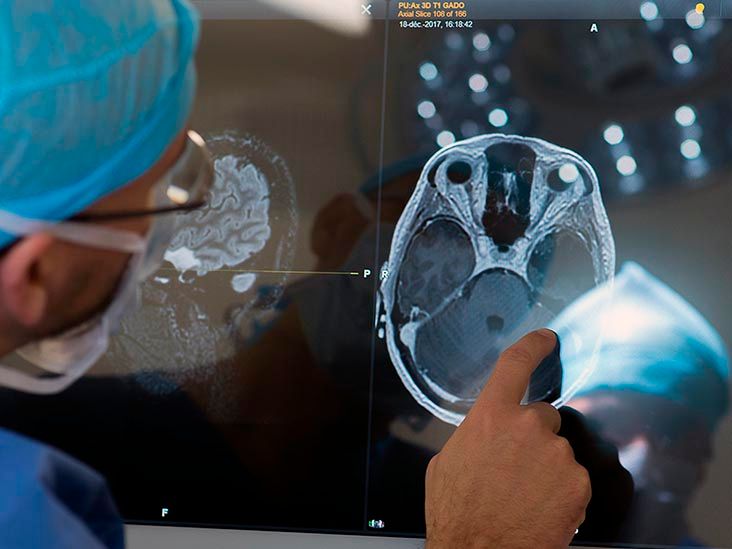
Before surgery, you may have MRI scans, functional MRI, CT scans, EEG testing, neurological exams, blood work, and sometimes speech or cognitive testing. These tests help the team understand where the tumor or abnormal tissue is located and what brain functions may be nearby.
Meeting the surgical team
You may meet with a neurosurgeon, anesthesiologist, neurologist, neuropsychologist, speech-language specialist, nurse, and other team members. They will explain the plan, review your medications, answer questions, and describe what you may be asked to do while awake.
Practicing the tasks
Depending on the area being mapped, you may practice naming pictures, counting, reading words, moving your fingers, lifting a leg, repeating sentences, identifying objects, or answering simple questions. Some patients with special skills may be asked to perform a familiar activity, such as playing an instrument or speaking multiple languages, if that ability needs protection.
Medication and fasting instructions
Your team will tell you which medications to take or avoid before surgery. Do not stop seizure medications, blood thinners, supplements, or other prescriptions unless your medical team gives specific instructions. You will likely be told when to stop eating and drinking before the procedure.
What Happens During Awake Brain Surgery?
Step 1: Arrival and setup
On surgery day, you will check in, change into a hospital gown, have an IV placed, and meet members of the operating room team. Your head may be positioned carefully, and monitors will track your heart rate, oxygen level, blood pressure, breathing, and brain-related responses.
Step 2: Sedation and numbing medicine
You will receive sedation to help you relax or sleep during the early part of surgery. The scalp is numbed with local anesthetic because the scalp and skull can feel pain. The brain itself does not feel pain in the same way, but the surrounding tissues must be carefully numbed and managed.
Step 3: Opening the skull
The neurosurgeon makes an incision in the scalp and temporarily removes a small section of skull to reach the brain. During this part, many patients are sedated and do not remember much. You may hear or feel vibration or pressure at certain points, but sharp pain should not be part of the experience. If you feel discomfort, you can tell the team.
Step 4: Waking for brain mapping
When the team is ready to map brain function, sedation is reduced or paused. You become awake enough to talk, listen, move, and perform simple tasks. A specialist may show you pictures, ask you to read words, count backward, move your hand, or describe what you see.
Step 5: Electrical stimulation and testing
The neurosurgeon uses gentle electrical stimulation on small areas of the brain while you perform tasks. If stimulation temporarily interrupts speech, movement, or sensation, the team marks that area as important. This is not a failure; it is the entire point of the mapping. Your brain is basically saying, “Please do not remodel this room.”
Step 6: Removing or treating the target tissue
Once important areas are identified, the surgeon removes as much of the tumor or abnormal tissue as safely possible. Throughout this stage, the team may continue asking questions or repeating tasks to make sure key functions remain intact.
Step 7: Closing the incision
After mapping and treatment are complete, you may receive more sedation. The bone flap is usually replaced and secured, and the scalp is closed with sutures or staples. You are then moved to a recovery area or intensive care unit for close monitoring.
Will Awake Brain Surgery Hurt?
Most patients do not describe awake brain surgery as painful during the brain mapping portion. They may feel pressure, tugging, vibration, cool fluid, or general discomfort from staying in one position. The head and scalp are numbed, and sedation is carefully managed by a neuroanesthesia team.
That said, every patient is different. Some people feel tired, emotional, thirsty, or slightly confused. Others are surprised by how ordinary parts of the conversation feel. You might be asked to name a picture of a banana while a neurosurgeon is operating on your brain. Medicine is amazing, and also occasionally very weird.
Possible Risks and Side Effects
Awake brain surgery is performed to reduce certain risks, but it is still brain surgery. Possible risks include:
- Bleeding
- Infection
- Brain swelling
- Seizures during or after surgery
- Temporary or permanent speech problems
- Weakness, numbness, or coordination changes
- Memory, mood, or thinking changes
- Headache or incision pain
- Reaction to anesthesia or medications
- Need for additional treatment, such as radiation, chemotherapy, or another surgery
Your personal risk depends on the condition being treated, the location of the abnormal tissue, your health history, and how much tissue can be safely removed. Ask your surgeon what risks apply most to your case.
Recovery After Awake Brain Surgery
After surgery, you will be monitored closely. Nurses and doctors may repeatedly ask your name, check your pupils, test your grip strength, ask you to move your legs, or evaluate your speech. This can feel repetitive, but it helps the team spot changes early.
You may have a headache, swelling, scalp tenderness, nausea, fatigue, or jaw discomfort. Some patients notice temporary word-finding trouble, slower thinking, or mood swings. These symptoms may improve as swelling decreases, but any sudden or worsening symptoms should be reported immediately.
Hospital stays vary. Some patients go home within a few days, while others need longer monitoring or rehabilitation. Your team may prescribe pain medicine, anti-seizure medicine, steroids to reduce swelling, antibiotics, or other medications. Follow-up imaging may be done to check the surgical area.
Life at Home: What to Expect
At home, recovery is usually a gradual process. You may be told to avoid heavy lifting, driving, alcohol, swimming, strenuous exercise, or returning to work until cleared. Keep the incision clean and dry according to your discharge instructions. Attend all follow-up visits, even if you feel good enough to reorganize your closet at midnight. Feeling energetic for one hour does not mean your brain has approved a full comeback tour.
Call your medical team right away if you develop fever, worsening headache, new weakness, confusion, seizure, drainage from the incision, severe vomiting, worsening speech trouble, vision changes, or unusual sleepiness.
Questions to Ask Your Surgeon
- Why is awake brain surgery recommended in my case?
- Which brain functions are near the area being treated?
- What tasks will I perform during mapping?
- What happens if I become anxious or uncomfortable?
- How much tissue do you expect to remove safely?
- What symptoms are normal after surgery, and what symptoms are urgent?
- Will I need rehabilitation, seizure medication, radiation, chemotherapy, or follow-up scans?
Emotional Preparation: The Part People Forget
It is normal to feel nervous before awake brain surgery. Many people worry about being awake, saying the wrong thing, moving accidentally, or feeling pain. The good news is that you are not expected to manage the experience alone. The team talks you through the process, watches your comfort level, and can adjust medication when needed.
Helpful preparation may include breathing exercises, guided imagery, asking detailed questions, bringing a trusted support person to appointments, and writing down concerns before meeting your doctors. Some patients feel better after learning exactly what they will see, hear, and be asked to do. Others prefer only the essential details. Both approaches are human.
Patient-Style Experiences: What Awake Brain Surgery Can Feel Like
The following experiences are realistic, composite examples based on common themes patients report. They are not the story of one specific person, and your experience may be different.
Experience 1: “I was awake, but not alone.”
One common surprise is how many people are focused on the patient’s comfort. A person may enter the operating room expecting cold, silent drama and instead find a calm team explaining each stage. The anesthesiologist may say, “You’re doing great,” while another specialist gives simple prompts. The patient may remember lights, voices, and short tasks more than the actual surgery. Rather than feeling abandoned, many people feel closely coached.
Experience 2: “The tasks felt simple, but important.”
During mapping, patients may name pictures, count, repeat phrases, read words, move fingers, or answer questions. These tasks can feel strangely basicalmost like a school worksheet wandered into an operating room. But each answer gives the surgeon valuable information. If a patient suddenly cannot name a picture during stimulation, the team learns that area is involved in language and should be protected.
Experience 3: “I felt pressure, not sharp pain.”
Many patients describe pressure, vibration, or tugging rather than pain. The scalp is numbed, and sedation is adjusted throughout the procedure. Some people feel tired from staying still. Others notice a dry mouth or a strong desire for the whole thing to be finished. That does not mean something is wrong; it means the body is having a very long and unusual day.
Experience 4: “My emotions showed up at odd times.”
Even calm patients may cry, laugh, or feel shaky. Brain surgery is a major event, and emotions do not always wait politely until visiting hours. A patient might feel brave during mapping and then overwhelmed in recovery. Another might joke during surgery and become quiet afterward. Emotional ups and downs can be part of the process, especially when steroids, anesthesia, sleep disruption, and fear are all in the mix.
Experience 5: “Recovery was not a straight line.”
Some people expect recovery to improve neatly every day. Real life is messier. A patient may feel stronger on Monday, exhausted on Tuesday, and clearer again by Friday. Word-finding may be slower when tired. Headaches may come and go. Short walks may feel like athletic events at first. Progress often happens in small wins: climbing stairs safely, reading a page, holding a conversation, sleeping better, or going a whole afternoon without needing a nap.
Experience 6: “Support mattered more than I expected.”
Patients often need help with rides, medication schedules, meals, childcare, wound checks, and follow-up appointments. A notebook or phone note can help track symptoms and questions. Friends may say, “Let me know if you need anything,” which is kind but vague. Specific requests work better: “Can you bring dinner Thursday?” or “Can you drive me to my MRI?” Recovery is not the time to win a gold medal in independence.
Experience 7: “I became more patient with my brain.”
After awake brain surgery, some people become deeply aware of how much the brain does quietly all day. Speaking, walking, remembering names, reading a text message, and making coffee all require complex coordination. Recovery can teach patience. The brain may need rest, therapy, medication, and time. That can be frustrating, but it can also be a reminder that healing is workeven when it looks like sitting on the couch in sweatpants.
Final Thoughts
Awake brain surgery is one of the most remarkable examples of modern neurosurgery: highly technical, deeply personal, and designed around preserving what makes daily life possible. It allows surgeons to communicate with patients during critical moments, map brain function in real time, and make safer decisions when operating near areas responsible for speech, movement, sensation, and vision.
If your doctor recommends an awake craniotomy, it does not mean your case is hopeless or that you must be unusually brave. It means your team is considering a strategy that may help protect important brain functions while treating a serious condition. Ask questions, understand the plan, prepare for recovery, and remember that the goal is not just removing abnormal tissue. The goal is helping you return to life with as much function, independence, and confidence as possible.
Medical note: This article is for general education only. Always follow the advice of your own healthcare professionals, because your diagnosis, brain anatomy, treatment plan, and recovery needs are unique.