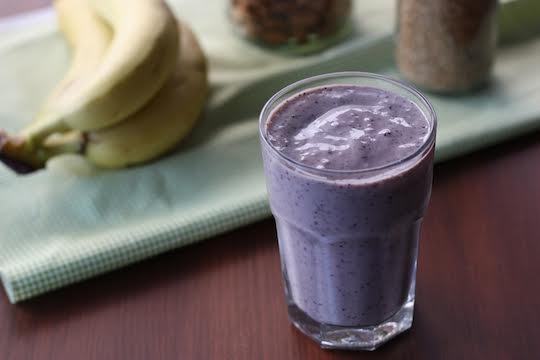

A banana blueberry smoothie is what happens when breakfast decides to stop being complicated. There is no pan to scrub, no batter to flip and no need to negotiate with a toaster that has chosen violence. Add fruit, yogurt and milk to a blender, press a button, and breakfast is ready before the coffee finishes brewing.
This smoothie combines the mellow sweetness of ripe banana with the bright, slightly tart flavor of blueberries. The banana creates a naturally creamy texture, while blueberries bring color, fiber and plant compounds, including the anthocyanin pigments responsible for their deep blue-purple shade. Blending whole fruit retains its pulp and fiber, unlike juicing, which removes much of the solid portion.
The basic recipe takes about five minutes and can be adjusted for breakfast, a post-workout snack, a light dessert or a smoothie bowl. It is naturally sweet enough that honey, syrup and other added sweeteners are usually unnecessary. In other words, the fruit has already handled the dessert department. There is no need to send maple syrup in as backup.
Why Banana and Blueberry Work So Well Together
Some smoothie combinations look promising but taste like somebody emptied a produce drawer into a cement mixer. Banana and blueberry are different. Their flavors and textures complement each other without requiring a long supporting cast of ingredients.
Banana Provides Sweetness and Creaminess
A ripe banana functions as both a sweetener and a thickening ingredient. As bananas ripen, their flavor becomes sweeter and more aromatic. Their soft flesh blends smoothly, helping create a milkshake-like consistency without ice cream, heavy cream or spoonfuls of sugar.
For the thickest texture, freeze the banana first. Peel it, slice it into chunks and store the pieces in a freezer-safe container. Frozen banana makes the smoothie cold and creamy without diluting the flavor with a mountain of ice.
Blueberries Add Freshness and Color
Blueberries prevent the banana from dominating the drink. Their mild tartness balances the banana’s sweetness, while their skins create a purple color that ranges from lavender to deep violet depending on the type of berries and dairy used.
Blueberries provide dietary fiber, vitamins and naturally occurring plant compounds. USDA information identifies blueberries as a source of vitamins C and K, manganese, fiber and flavonoids. However, one smoothie is not a magical force field against every health problem. It is simply a convenient, enjoyable way to include fruit in an overall balanced eating pattern.
Fresh and Frozen Fruit Both Work
Fresh blueberries produce a lighter, more drinkable smoothie. Frozen blueberries create a colder, thicker result and are especially convenient when berries are not in season. Unsweetened frozen fruit can also be economical and is often frozen near peak ripeness. Check the package to make sure sugar or syrup has not been added.
Easy Banana Blueberry Smoothie Recipe
This recipe makes two snack-size servings or one large breakfast smoothie. Use frozen banana, frozen blueberries or both if you prefer an extra-thick drink.
Ingredients
- 1 medium ripe banana, preferably sliced and frozen
- 1 cup fresh or frozen blueberries
- 3/4 cup plain Greek yogurt
- 3/4 cup milk or an unsweetened milk alternative
- 1/2 teaspoon vanilla extract
- 1 small pinch ground cinnamon
- 2 to 4 ice cubes, optional
The vanilla and cinnamon are optional, but both make the fruit taste more aromatic without adding meaningful sweetness. If the banana is heavily spotted and fully ripe, the smoothie should not need honey or another sweetener.
Instructions
- Pour the milk into the blender first.
- Add the Greek yogurt, vanilla and cinnamon.
- Add the banana and blueberries.
- Blend on low speed for about 10 seconds, then gradually increase to high.
- Continue blending for 30 to 60 seconds, or until completely smooth.
- Check the consistency. Add a splash of milk if it is too thick or a few more frozen berries if it is too thin.
- Pour into glasses and serve immediately.
Adding liquid first helps the blender blades move more freely. Dense frozen fruit added at the bottom can occasionally create an air pocket, leaving the blades spinning dramatically while accomplishing almost nothing.
How to Make the Smoothie Thick and Creamy
A good banana blueberry smoothie should be creamy enough to feel satisfying but loose enough to drink through a straw. The final consistency depends on fruit temperature, yogurt thickness, blender strength and the amount of liquid.
Use at Least One Frozen Fruit
Frozen banana generally produces the creamiest result. Frozen blueberries also thicken the mixture, although using both fruits frozen may create a consistency closer to soft-serve. That is excellent for a smoothie bowl but may require additional milk for drinking.
Start With Less Liquid
It is easy to add more milk, but retrieving excess milk from a blended smoothie requires either sorcery or a very tiny fishing net. Begin with 1/2 to 3/4 cup and add more a tablespoon at a time.
Choose the Right Yogurt
Greek yogurt and skyr are thicker than conventional yogurt and typically contribute more protein. Plain varieties allow the fruit to control the sweetness, while flavored yogurts can introduce a surprising amount of added sugar. Johns Hopkins Medicine recommends checking yogurt labels and choosing lower-added-sugar options when building a smoothie.
Blend Long Enough
A smoothie may look finished before the blueberry skins and banana fibers are fully blended. Give the blender another 15 to 20 seconds after the mixture first appears smooth. A brief final blend usually creates a silkier texture.
Is a Banana Blueberry Smoothie Healthy?
It can be. The answer depends on the ingredients, portion and purpose of the drink. A smoothie made from whole fruit, plain yogurt and unsweetened milk is very different from an oversized commercial drink containing fruit concentrate, sweetened yogurt, sherbet and several pumps of syrup.
Because this recipe blends whole banana and blueberries, their edible fiber remains in the drink. Harvard’s Nutrition Source notes that smoothies made with the whole fruit, including its pulp and flesh, retain the fruit’s nutrients and fiber. That does not mean portion size becomes irrelevant, but it does distinguish a whole-fruit smoothie from strained juice.
It Contains Naturally Occurring Carbohydrates
Bananas, blueberries and milk naturally contain carbohydrates and sugars. These are not the same as spooning table sugar into the blender, but they still contribute to the drink’s total carbohydrate content. Anyone who monitors carbohydrate intake should consider the serving size and discuss individualized needs with a qualified healthcare professional.
Protein Makes It More Satisfying
Fruit alone can make a refreshing smoothie, but it may not provide enough staying power to serve as a complete breakfast. Greek yogurt, dairy milk, fortified soy milk, nut butter or an appropriate protein powder can make it more substantial.
Greek yogurt is an easy addition because it improves both texture and protein content. Nut and seed butters contribute fat and some protein, which can make a smoothie more filling. Cleveland Clinic smoothie recipes similarly pair fruit with ingredients such as almond butter, flaxseed and seeds to give the finished meal greater staying power.
Added Sugar Is Usually Unnecessary
Taste the smoothie before adding honey, agave or maple syrup. A ripe banana often supplies all the sweetness needed. The American Heart Association advises checking bottled smoothies and similar drinks for added sugars because products that appear nutritious may contain syrups, concentrated juice or multiple servings in one container. Homemade smoothies make that easier to control.
Approximate Nutrition
When made with one medium banana, one cup of blueberries, plain nonfat Greek yogurt and reduced-fat milk, the recipe provides approximately two small servings. Each serving will generally contain about 190 to 230 calories, 10 to 15 grams of protein and several grams of fiber.
Actual values vary significantly according to the milk, yogurt, serving size and optional ingredients. Coconut milk, nut butter, oats, protein powder and sweeteners can all change the final numbers. Estimates should therefore be calculated from the labels on the products actually used. USDA FoodData Central is a comprehensive source of food-composition data and can be used when more precise nutrient analysis is needed.
Banana Blueberry Smoothie Variations
The basic recipe is intentionally simple, but it is also forgiving. Once the fruit-to-liquid ratio is understood, the smoothie can be adapted without turning breakfast into a laboratory emergency.
Vegan Banana Blueberry Smoothie
Replace dairy yogurt with plain soy, almond, cashew or coconut yogurt. Use unsweetened soy milk for a higher-protein option or almond milk for a lighter drink. Read the labels because protein and added-sugar levels vary widely among plant-based products.
Blueberry Banana Protein Smoothie
Add a serving of unflavored or vanilla protein powder and begin with an extra 1/4 cup of milk. Protein powders absorb liquid differently, so adjust the consistency after blending. Peanut butter, almond butter or sunflower seed butter can also add richness and help the smoothie feel more substantial.
Banana Blueberry Oat Smoothie
Add 1/4 cup of rolled or quick oats. Let the finished smoothie stand for two minutes so the oats can absorb some moisture. Oats thicken a smoothie and can help turn it into a more substantial breakfast. The Academy of Nutrition and Dietetics also uses oats in fruit-and-yogurt smoothies for texture and greater staying power.
Green Banana Blueberry Smoothie
Add one loosely packed cup of baby spinach. Blueberry and banana flavors usually conceal most of the spinach taste, although the final color may resemble a thunderstorm occurring inside a swamp. The University of Maine Cooperative Extension features a banana blueberry smoothie using milk, blueberries, banana, spinach and optional cinnamon, showing how naturally these ingredients fit together.
Banana Blueberry Smoothie Bowl
Reduce the milk to about 1/3 cup and use both fruits frozen. Blend until very thick, adding additional liquid only when necessary. Spoon the mixture into a bowl and top it with sliced banana, fresh blueberries, oats, chopped nuts or seeds.
Remember that toppings count as ingredients, not decorative confetti. A modest spoonful of nuts is useful; half a jar of nut butter wearing a granola hat can turn a light breakfast into a much larger meal.
Dairy-Free Nut-Free Version
Use unsweetened oat milk or a suitable seed-based milk and choose a nut-free plant yogurt. For additional richness, add ground flaxseed, chia seeds or sunflower seed butter, provided these ingredients fit the individual’s dietary needs.
Common Smoothie Problems and Easy Fixes
The Smoothie Is Too Thick
Add milk one tablespoon at a time and blend briefly after each addition. Avoid pouring in half a cup at once unless blueberry-flavored soup was the original plan.
The Smoothie Is Too Thin
Add frozen banana slices, frozen blueberries, a spoonful of Greek yogurt or a small amount of oats. Ice will thicken it temporarily but can dilute the flavor as it melts.
It Tastes Too Tart
Use a riper banana or add another small piece of banana. Vanilla, cinnamon or a pinch of salt may also make the fruit taste sweeter without requiring much added sugar.
It Tastes Flat
Add a squeeze of lemon juice. A small amount of acidity can sharpen blueberry flavor, especially when the berries are mild. A tiny pinch of salt can also make the fruit taste more vivid, but the emphasis belongs on tiny.
The Blender Will Not Catch the Ingredients
Stop the blender, unplug it if necessary and use a tamper or spatula according to the manufacturer’s directions. Add another splash of liquid and restart at low speed. Never put a utensil into a running blender, even if breakfast is late and patience has left the building.
How to Store and Prepare Ingredients Ahead
Smoothies taste best immediately after blending, when the texture is cold and airy. A prepared smoothie can be refrigerated in a tightly covered container for a short period, but it may separate. Stir or shake it before drinking.
For better results, prepare freezer packs instead. Place one sliced banana and one cup of blueberries in a reusable freezer container. Add spinach, if desired. In the morning, empty the pack into the blender and add yogurt and milk.
Fruit can be frozen in a single layer on a tray before being transferred to a container. This prevents banana slices and berries from becoming one giant fruit asteroid. University of Minnesota Extension recommends washing and preparing fruit safely, freezing it promptly and using a tray-freezing method when separate unsweetened pieces are desired.
Food-Safety Tips
Wash fresh blueberries under running water before using them unless the package specifically identifies them as prewashed and ready to eat. Wash the outside of the banana before peeling if it will be handled and cut, especially when the knife could transfer material from the peel to the fruit.
The FDA recommends washing hands before preparing produce, rinsing fruits and vegetables under plain running water and avoiding soap, detergent or commercial produce washes. Damaged or moldy fruit should be discarded, and clean utensils and surfaces should be used to reduce cross-contamination.
When to Serve a Banana Blueberry Smoothie
This smoothie works as a quick breakfast when paired with enough protein and an appropriate serving size. It can also serve as an afternoon snack, a post-exercise drink or a simple dessert.
For children, serve a smaller portion and adjust the texture to suit their age and needs. For a sit-down breakfast, pour the smoothie into a bowl and add a modest amount of oats or seeds. For an on-the-go meal, keep it drinkable and use an insulated cup.
Final Thoughts
A banana blueberry smoothie succeeds because it does not need much help. Ripe banana supplies body and sweetness, blueberries contribute tartness and color, and plain yogurt creates a creamy base with useful protein. Frozen fruit improves the texture, while vanilla and cinnamon make the flavors seem more complete.
The best version is not necessarily the one with the longest ingredient list. Start with fruit, plain yogurt and milk. Blend, taste and adjust. Add oats, spinach, seeds or nut butter only when those ingredients support the purpose of the smoothie. Breakfast should be nourishing, but it should not require a packing checklist.
A Test-Kitchen Experience With Banana Blueberry Smoothies
Repeated home-kitchen batches reveal that the ripeness of the banana has a greater effect on the finished smoothie than almost any optional ingredient. A yellow banana with a green tip creates a thicker but noticeably less sweet drink. A heavily spotted banana blends more easily and provides enough natural sweetness to balance even fairly tart blueberries. When the fruit is properly ripe, adding honey often makes the smoothie taste less like breakfast and more like melted blueberry pie.
Temperature is the next major difference. A batch made with fresh banana and fresh blueberries is pleasant but relatively thin. It feels more like drinkable yogurt. Freezing the blueberries improves the chill and color, although their small icy skins may require slightly longer blending. Freezing the banana produces the most dramatic improvement. The drink becomes thicker, smoother and almost milkshake-like, even when low-fat yogurt and milk are used.
Using both fruits frozen creates an extremely thick mixture. A high-powered blender may handle it easily, but an ordinary household blender often needs more liquid and a few pauses. Starting with milk at the bottom helps, as does adding the yogurt before the frozen fruit. Throwing every frozen ingredient into the jar first tends to create the classic blender illusion: lots of noise, flashing blades and absolutely no movement above them.
Different liquids change the personality of the smoothie. Dairy milk creates a familiar creamy flavor. Unsweetened soy milk remains fairly rich and works well when more protein is desired. Almond milk produces a lighter result and allows the blueberry flavor to stand out, while oat milk adds subtle sweetness and body. Coconut milk can be delicious, but its flavor is noticeable and may pull the smoothie in a tropical direction.
Plain Greek yogurt consistently creates the most balanced texture for a breakfast smoothie. Conventional yogurt makes the drink thinner, while very thick skyr may require additional milk. Flavored blueberry or vanilla yogurt can seem like a convenient shortcut, but it may make the final drink sweeter than expected. Plain yogurt offers more control, especially when the banana is already very ripe.
Small additions work better than enthusiastic handfuls. A quarter teaspoon of cinnamon creates warmth without making the smoothie taste like potpourri. Vanilla rounds out the fruit flavors. A teaspoon of lemon juice brightens mild blueberries. Spinach is surprisingly discreet when limited to one loosely packed cup, although it can turn the color from purple to something best described as “mysterious forest.”
Oats, chia seeds and nut butter all make the smoothie more substantial, but each changes the texture. Oats thicken gradually and are best when the smoothie can rest for a minute. Chia seeds continue absorbing liquid, so a drink that is perfect at 8:00 may require a spoon by 8:20. Nut butter creates richness immediately, although more than a tablespoon can overpower the blueberries.
The most reliable everyday formula is therefore simple: one ripe frozen banana, one cup of blueberries, plain Greek yogurt and enough milk to keep the blades moving. Blend longer than seems necessary, taste before sweetening and serve immediately. It is fast, forgiving and colorful enough to make an ordinary weekday breakfast feel as though somebody made an efforteven when the blender did nearly all the work.