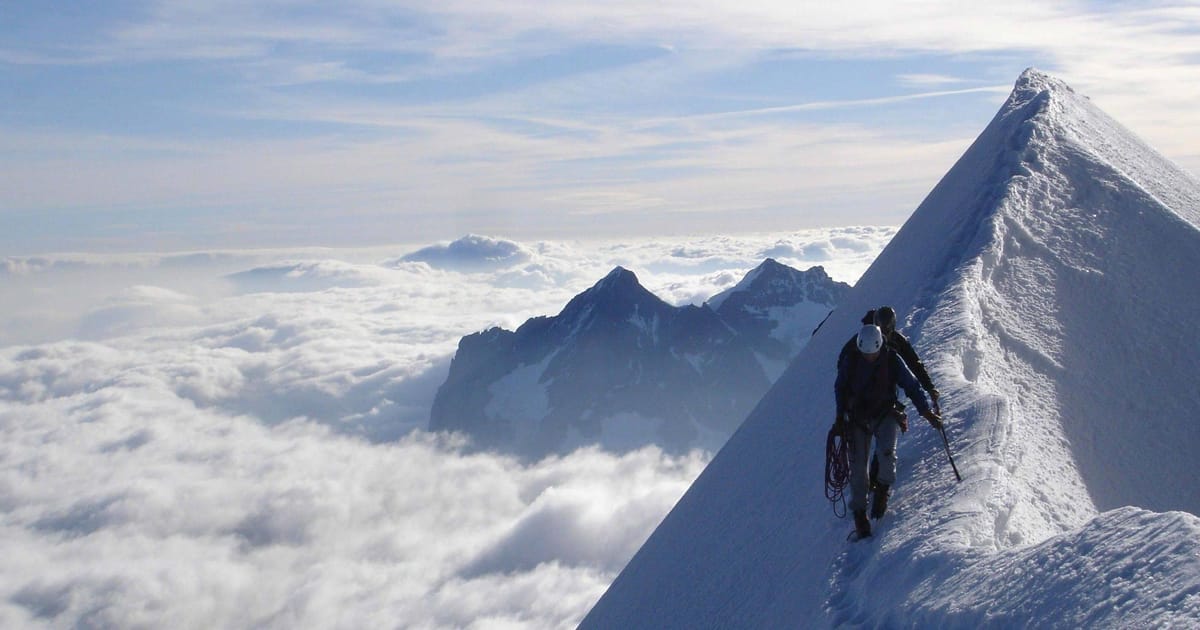

Some people choose vacations for beaches, buffets, and hotel pillows fluffy enough to cause emotional attachment. Hikers, on the other hand, often choose destinations by asking, “Where can I climb uphill for several hours, sweat through my shirt, question my life choices, and then call it the best day ever?” That is the magic of mountain hiking.
The best mountain ranges for hiking offer more than pretty views. They combine reliable trail systems, diverse terrain, memorable scenery, wildlife, seasonal variety, and routes for different experience levels. A great hiking range should welcome beginners with gentle lake loops and still challenge seasoned backpackers with high passes, exposed ridgelines, and enough elevation gain to make calves write complaint letters.
This guide explores some of the best mountain ranges for hiking in the United States and beyond, with practical examples, trail-style recommendations, and planning tips. Whether you want alpine lakes, old-growth forests, granite cliffs, wildflower meadows, dramatic ridges, or peaceful woodland paths, there is a mountain range ready to steal your breath in the scenic way, not the “forgot to train” way.
What Makes a Mountain Range Great for Hiking?
A mountain range earns “best hiking” status when it delivers a balanced mix of access, beauty, safety, trail variety, and unforgettable character. Not every mountain has to be huge. Some of the finest hikes in America happen below 6,000 feet, where misty forests, waterfalls, and rolling ridgelines create an experience as rewarding as any high-altitude summit.
Trail Variety
The best hiking destinations include short nature trails, moderate day hikes, long-distance routes, backpacking circuits, and strenuous summit climbs. This variety matters because not every hiker wants to spend the day negotiating with gravity. Families, beginners, photographers, endurance hikers, and backpackers should all be able to find a route that matches their goals.
Scenic Payoff
Great mountain ranges reward effort. That reward might be a glacier view, a high alpine lake, a sweeping valley overlook, a waterfall, a meadow full of wildflowers, or a quiet forest where the loudest thing is your snack wrapper crinkling like thunder.
Reliable Information and Responsible Access
Well-managed hiking areas usually provide trail maps, ranger guidance, seasonal alerts, permits when needed, and clear safety recommendations. Before hiking any mountain range, check current trail conditions, weather forecasts, wildfire updates, road access, and local regulations.
1. The Rocky Mountains: Best for Big Views and Classic Alpine Hiking
The Rocky Mountains are the blockbuster movie of North American hiking: dramatic, high-budget, full of scenery, and occasionally intense enough to make you whisper, “I should have brought more snacks.” Stretching through the western United States and Canada, the Rockies offer alpine lakes, rugged peaks, wildflower basins, elk-filled meadows, and trails that range from family-friendly strolls to serious high-elevation adventures.
Rocky Mountain National Park in Colorado is one of the most famous hiking gateways in the range. It offers hundreds of miles of trails, including routes to Bear Lake, Emerald Lake, Sky Pond, Chasm Lake, and Longs Peak. Beginners can enjoy lake loops and valley trails, while experienced hikers can take on steep climbs with thinner air and unpredictable weather.
The Rockies are especially good for hikers who want variety. One day can include a peaceful meadow walk; the next can involve switchbacks toward a glacier-carved basin. The scenery changes quickly with elevation, moving from pine forests to tundra-like landscapes where the wind appears to have a personal vendetta.
Best for: alpine lakes, wildlife viewing, high-elevation hiking, summer wildflowers, and iconic mountain photography.
2. The Appalachian Mountains: Best for Long-Distance Trails and Forest Hiking
The Appalachian Mountains may not have the sharp drama of the Rockies, but they have something equally powerful: soul. These ancient mountains roll through the eastern United States with deep forests, misty ridges, rocky overlooks, waterfalls, and one of the most famous footpaths on Earththe Appalachian Trail.
The Appalachian Trail runs from Georgia to Maine, following ridgelines, valleys, and mountain gaps through a huge range of landscapes. Hikers can attempt a thru-hike, section-hike over months or years, or simply enjoy a day hike on a small piece of the trail. That flexibility makes the Appalachians one of the best mountain ranges for hikers of all commitment levels.
Popular Appalachian hiking regions include the Great Smoky Mountains, Shenandoah National Park, the White Mountains, the Blue Ridge Mountains, and Maine’s rugged high country near Katahdin. The terrain can be surprisingly tough. The Appalachians may look rounded and friendly from a distance, but many trails go straight up, straight down, and then straight into your memory forever.
Best for: long-distance hiking, fall foliage, forest trails, waterfalls, historic routes, and accessible day hikes.
3. The Sierra Nevada: Best for Granite Peaks, Lakes, and Legendary Trails
The Sierra Nevada in California is a dream range for hikers who love granite cliffs, sparkling lakes, giant trees, and mountain passes that make you feel like you wandered into a painting. Yosemite National Park, Sequoia and Kings Canyon National Parks, Lake Tahoe, and the John Muir Trail all help make the Sierra Nevada one of the best hiking regions in the country.
Yosemite is the headline act, with hikes ranging from gentle valley walks to demanding routes near Half Dome, Glacier Point, and the high country of Tuolumne Meadows. The wider Sierra also offers backpacking routes through alpine basins, quiet lakes, and remote wilderness areas where the night sky looks professionally edited.
This range is ideal for hikers who enjoy dramatic geology. Granite domes, polished slabs, glacial valleys, and jagged ridges define the landscape. Summer and early fall are usually prime hiking seasons, though snow can linger in higher elevations. Permits are often required for popular wilderness routes, so planning ahead is not optionalit is the price of admission to mountain glory.
Best for: granite scenery, backpacking, alpine lakes, national park hiking, and bucket-list trails.
4. The Cascade Range: Best for Volcanoes, Glaciers, and Wildflower Meadows
The Cascade Range runs through the Pacific Northwest and delivers a hiking experience that feels wild, green, and wonderfully moody. This is the land of snow-capped volcanoes, thick forests, glacier-fed rivers, and summer meadows that explode with wildflowers as if nature finally found the saturation slider.
Mount Rainier National Park is one of the range’s finest hiking destinations, offering trails through old-growth forest, subalpine meadows, waterfalls, and viewpoints of the massive volcanic peak. North Cascades National Park, sometimes called one of the wildest mountain landscapes in the lower 48, is ideal for hikers who crave solitude, steep trails, and dramatic ridgelines.
The Cascades are not always gentle. Weather can shift quickly, snow can linger deep into summer, and trails may involve serious elevation gain. But for hikers who love glaciers, volcano views, and that unmistakable Pacific Northwest atmosphere, few mountain ranges feel more alive.
Best for: volcano views, glacier scenery, wildflowers, forest hikes, waterfalls, and rugged backcountry routes.
5. The Grand Tetons: Best for Dramatic Peaks in a Compact Area
The Teton Range in Wyoming does not waste time being subtle. The peaks rise sharply from the valley floor, creating one of the most recognizable mountain skylines in America. Grand Teton National Park is a compact but powerful hiking destination, where trails lead to lakes, canyons, high viewpoints, and close-up views of jagged peaks.
Popular hikes include Taggart Lake, Jenny Lake, Cascade Canyon, Amphitheater Lake, and Paintbrush Canyon. Some routes are approachable for casual hikers, while others involve steep climbs and alpine exposure. The combination of rugged terrain, wildlife, and sudden weather changes means hikers should prepare carefully, even for routes that look manageable on a map.
The Tetons are especially appealing because the scenery arrives quickly. You do not have to hike for days to feel surrounded by big mountain drama. Even shorter trails can deliver postcard-level views, which is great news for hikers and bad news for anyone trying to take “just one photo.”
Best for: dramatic peaks, lake hikes, canyon routes, wildlife, and high-impact scenery in a relatively small region.
6. The Great Smoky Mountains: Best for Biodiversity and Misty Forest Trails
The Great Smoky Mountains, part of the southern Appalachians, are famous for layered blue ridges, lush forests, waterfalls, and astonishing biodiversity. The range straddles Tennessee and North Carolina, creating a hiking experience that feels rich, green, and deeply atmospheric.
Great Smoky Mountains National Park offers trails to waterfalls, historic sites, ridgelines, and high peaks. Alum Cave Trail, Charlies Bunion, Andrews Bald, Chimney Tops, and sections of the Appalachian Trail are popular choices. The park’s trails can be steep and rocky, but they often reward hikers with forest tunnels, mossy streams, mountain laurel, and views that appear through the mist like a surprise gift.
The Smokies are a strong choice for hikers who enjoy nature beyond the summit photo. Salamanders, wildflowers, old-growth trees, black bears, and historic Appalachian landscapes all contribute to the experience. Just remember: admire wildlife from a safe distance. Bears are not trail mascots, no matter how photogenic they look.
Best for: biodiversity, waterfalls, spring wildflowers, misty mountain views, and forest hiking.
7. The White Mountains: Best for Rugged Eastern Hiking
The White Mountains of New Hampshire are proof that elevation numbers do not tell the whole story. These mountains are rugged, rocky, steep, and famous for fast-changing weather. Hikers who want a serious challenge in the eastern United States often end up here, sometimes voluntarily.
White Mountain National Forest includes famous routes such as Franconia Ridge, Mount Lafayette, Mount Washington, the Presidential Traverse, and many Appalachian Trail sections. The trails often climb aggressively through forest before reaching exposed ridgelines with wide views. Above-treeline conditions can be harsh, so preparation is essential.
For experienced hikers, the White Mountains offer a satisfying mix of difficulty and beauty. For beginners, there are still easier waterfalls, ponds, and lower-elevation trailsbut it is wise to choose carefully. The Whites have a way of humbling hikers who underestimate them, like a polite New England handshake followed by a stair workout.
Best for: challenging day hikes, rocky ridgelines, fall foliage, Appalachian Trail sections, and serious eastern mountain adventure.
8. The San Juan Mountains: Best for High-Altitude Colorado Adventure
The San Juan Mountains in southwestern Colorado are colorful, remote, and spectacular. Compared with some busier Rocky Mountain destinations, the San Juans often feel wilder and less polished, with mining history, alpine basins, rugged passes, and high-elevation scenery that looks almost unreal.
Popular hiking areas include Ice Lakes Basin, Blue Lakes, the Colorado Trail near Durango and Silverton, and routes around Telluride, Ouray, and the Weminuche Wilderness. Expect steep climbs, thin air, and weather that can change quickly in the afternoon. Early starts are a smart move, especially during summer thunderstorm season.
The San Juans are ideal for hikers who want beauty with a little grit. Trails may be rocky, remote, and demanding, but the payoff can be extraordinary: turquoise lakes, wildflowers, red and gold slopes, and sweeping views across some of Colorado’s most dramatic terrain.
Best for: alpine basins, high-altitude backpacking, wildflowers, remote trails, and colorful mountain scenery.
9. The Wasatch Range: Best for Easy Access to Big Mountain Trails
The Wasatch Range in Utah is one of the best mountain ranges for hikers who want serious scenery without spending half the day driving to the trailhead. Rising above Salt Lake City and surrounding communities, the Wasatch offers quick access to canyons, ridgelines, lakes, and peaks.
Hikers can explore areas like Big Cottonwood Canyon, Little Cottonwood Canyon, Millcreek Canyon, Mount Timpanogos, and the Alpine Loop region. Trails range from short family outings to demanding summit hikes with major elevation gain. In summer, wildflowers brighten the slopes; in fall, aspen groves turn gold; in winter and spring, snow conditions require extra caution.
The Wasatch is especially useful for travelers who want to combine city convenience with mountain adventure. You can eat breakfast in town, hike to a lake or ridge, and be back in time for dinnerthough your legs may vote for room service.
Best for: accessible trailheads, canyon hikes, wildflowers, quick mountain escapes, and varied difficulty levels.
10. The Alaska Range: Best for Wild, Remote Hiking
The Alaska Range is not a casual mountain destination, and that is exactly the appeal. Home to Denali, North America’s tallest peak, this range offers immense wilderness, tundra landscapes, glaciers, wildlife, and a scale that makes ordinary hiking vocabulary feel underqualified.
Denali National Park and Preserve offers some maintained trails near visitor areas, but it is also known for off-trail wilderness travel. That freedom can be thrilling, but it requires strong navigation skills, weather awareness, and respect for wildlife. This is not the place to “wing it” because you watched half a survival video once.
For hikers who want remote beauty, the Alaska Range is unforgettable. The experience is less about neatly marked summit routes and more about entering a vast landscape where mountains dominate the horizon and every decision matters.
Best for: wilderness hiking, tundra travel, wildlife viewing, solitude, and advanced backcountry experiences.
Best Mountain Ranges for Different Types of Hikers
Best for Beginners
The Appalachians, Smokies, Shenandoah area, and lower-elevation trails in the Rockies and Wasatch are excellent starting points. Look for short trails with clear signage, moderate elevation gain, and reliable access. Lake loops, waterfall hikes, and scenic overlooks are great first mountain hikes.
Best for Backpackers
The Sierra Nevada, Rockies, Cascades, San Juans, and Appalachian Trail corridor are outstanding for backpacking. These ranges offer longer routes, wilderness permits, established campsites in some areas, and enough scenery to make carrying instant oatmeal feel like a reasonable life choice.
Best for Photographers
The Tetons, Sierra Nevada, Mount Rainier region, North Cascades, and San Juans are especially photogenic. Sunrise and sunset can transform these landscapes, but always plan for safe travel in low light. A headlamp is less glamorous than a camera lens, but much more useful when the trail gets dark.
Best for Solitude
Try lesser-known areas of the San Juans, North Cascades, White Mountains outside peak weekends, or remote sections of the Appalachians. For true wilderness, the Alaska Range is in a category of its own.
How to Choose the Right Mountain Range for Your Trip
Choosing the best mountain range for hiking depends on season, fitness, experience, budget, travel distance, and comfort with risk. A beginner looking for a three-mile scenic walk should not plan the same trip as a backpacker preparing for a multi-day alpine route. That sounds obvious, but trailhead parking lots are full of people learning obvious things the hard way.
Match the Trail to Your Fitness
Distance matters, but elevation gain often matters more. A five-mile flat trail can feel easy, while a five-mile climb at altitude can feel like negotiating with your lungs. Check mileage, elevation gain, trail surface, exposure, and estimated time before choosing a route.
Check the Season
Mountain seasons are not the same as city seasons. A trail that feels like summer in town may still be snow-covered at higher elevations. In many western ranges, high mountain passes may not fully open until mid or late summer. In the East, fall foliage brings beauty and crowds. In desert-adjacent ranges, heat can be a serious factor.
Plan for Weather
Mountain weather changes quickly. Carry layers, rain protection, sun protection, and enough water. Start early when afternoon storms are common. If thunder begins or clouds build aggressively, turn around. The summit will not send a thank-you card for risky loyalty.
Bring the Right Essentials
For mountain hikes, carry navigation, water, food, weather layers, sun protection, a first-aid kit, illumination, emergency shelter, and a communication plan. Even on popular trails, cell service may disappear. Your phone is useful, but it should not be your only plan.
Respect the Land
Stay on durable surfaces, follow local regulations, pack out trash, give wildlife space, and avoid widening muddy trails. The best mountain ranges remain beautiful because hikers treat them like shared treasures, not outdoor shopping malls with better views.
Sample Hiking Experiences: What These Mountain Ranges Feel Like on the Trail
A hike in the Rocky Mountains often begins gently enough. The trail may start near a lake or meadow, with pine trees filtering the morning light and elk grazing in the distance. Then the path climbs, the air thins, and suddenly every switchback feels like a small personal interview with your cardio fitness. But the reward is enormous. When you reach an alpine lake surrounded by peaks, the water can look so clear and cold that it seems invented by a screensaver with excellent taste.
In the Appalachians, the experience is quieter and more intimate. Instead of huge exposed peaks appearing all at once, the trail often gives you layers: mossy rocks, rhododendron tunnels, birdsong, old stone steps, and sudden overlooks where blue ridges fade into the distance. The challenge is real, but it sneaks up on you. One minute you are enjoying a peaceful forest walk; the next you are climbing a rocky staircase built by someone who apparently had a complicated relationship with knees.
The Sierra Nevada feels grand and clean-edged. Granite dominates the experience. Trails may pass through forest, open into meadows, cross polished stone, and then arrive at lakes reflecting cliffs and sky. Backpacking here can feel almost cinematic, especially when evening light turns the rock golden and the temperature drops fast enough to remind you that mountains do not care about your outfit.
The Cascades bring a different personality. Trails can be damp, green, and mysterious at lower elevations, then suddenly open into wildflower meadows with volcanoes rising above the horizon. Hiking near Mount Rainier or in the North Cascades often feels like moving through several worlds in one day: forest, river, snowfield, meadow, ridge. It is the kind of place where waterproof gear earns its keep and every cloud looks dramatic enough to have a soundtrack.
The Tetons are pure visual impact. The mountains rise so sharply that even a moderate hike can feel epic. A trail to a lake or canyon may offer constant views of jagged peaks, and the wildlife adds another layer of excitement. The best approach here is to start early, carry bear-aware habits, and give yourself extra time. Not because the trails are always long, but because you will stop for photos approximately every twelve steps.
The Smokies offer a softer, richer kind of hiking. The air can feel humid, the forest dense, and the ridgelines smoky in the distance. Waterfalls, wildflowers, and historic paths make the trails feel layered with life. A Smokies hike is not just about reaching the top; it is about noticing the detailsthe smell of wet leaves, the sound of streams, the way fog moves through the trees like it knows where it is going.
In the White Mountains, the experience is more rugged than many first-time visitors expect. Trails can be steep, rocky, and direct. Weather above treeline can change quickly, and a sunny morning does not guarantee a friendly afternoon. But the rewards are huge: exposed ridges, sweeping views, and the satisfying feeling that you earned every inch of the hike. The Whites are not always gentle, but they are deeply rewarding for hikers who come prepared.
The San Juans feel remote and colorful. High basins, wildflower slopes, old mining roads, and dramatic passes create a sense of adventure. The trails can be demanding, especially at altitude, but the scenery is unforgettable. This is where hikers learn that “just one more viewpoint” is both a beautiful idea and a dangerous negotiation tactic with tired legs.
The Wasatch Range offers one of the best convenience-to-scenery ratios in American hiking. You can leave a city environment and quickly enter a canyon filled with aspens, wildflowers, cliffs, and mountain lakes. This makes the Wasatch especially appealing for travelers who want serious hiking without disappearing from civilization for a week.
The Alaska Range is something else entirely. Hiking there feels less like following a trail and more like entering a vast conversation with wilderness. The scale is enormous, the weather serious, and the sense of solitude powerful. It is best suited for experienced hikers or visitors who choose guided or well-planned routes. The reward is not convenience. The reward is awe.
Final Thoughts: The Best Mountain Range Is the One That Fits Your Adventure
The best mountain ranges for hiking are not all best in the same way. The Rockies deliver classic alpine drama. The Appalachians offer history, forests, and long-distance trail culture. The Sierra Nevada brings granite, lakes, and legendary backpacking. The Cascades combine volcanoes, glaciers, and lush landscapes. The Tetons specialize in jaw-dropping peaks. The Smokies overflow with biodiversity. The Whites challenge hikers with rugged eastern terrain. The San Juans provide high-altitude color and adventure. The Wasatch makes mountain access surprisingly easy. The Alaska Range offers wilderness on a scale that can make silence feel enormous.
Choose your mountain range based on your experience, season, fitness, and preferred style of adventure. Then prepare well, hike responsibly, and leave the trail better than you found it. Mountains do not need us to conquer them. They simply invite us to show up, pay attention, and maybe discover that the best view is even better when earned one step at a time.