
Editor’s note: This guide focuses on outdoor lighting products, features, and buying priorities that stood out in 2024. Individual models may change over timhas several jobs, and most fixtures are terrible at doing all of them simultaneously. A floodlight that makes a driveway feel secure may turn a patio into an interrogation room. A charming solar lantern may look wonderful beside the hydrangeas but contribute approximately three heroic photons to nighttime visibility.
The best outdoor lighting for 2024 therefore is not one magical fixture. It is a layered system combining functional path lighting, comfortable ambient light, carefully aimed accent fixtures, and motion-activated security lighting. LEDs dominate because they are efficient, long-lasting, and available in practically every brightness and color temperature imaginable. Solar products are easier to install than ever, while low-voltage wired systems remain the more reliable choice for consistent year-round performance. or Lighting Picks for 2024
Best Overall Security Light: Leonlite COB LED Security Light
The Leonlite COB LED Security Light was one of the most convincing all-around performers in 2024 product testing. Its appeal came from versatility rather than one flashy specification. It offered motion-activated, manual, and dusk-to-dawn operating modes, making it suitable for driveways, side yards, garages, and back entrances.
Adjustable heads help direct illumination toward the ground instead of sending half the output into bedroom windows or the night sky. That matters because effective security lighting is controlled lighting. The goal is to see a person approachingnot to notify the neighboring county that someone has entered your driveway.
Best for: Garages, driveways, side entrances, and larger yards.
Potential drawback: A hardwired security fixture may require professional installation, especially when replacing wiring or adding a new exterior electrical box. The Leonlite model was highlighted as a top performer in multiple outdoor-lighting tests conducted around the 2024 buying season. ative Solar Sconce: Better Homes & Gardens Solar Sconce
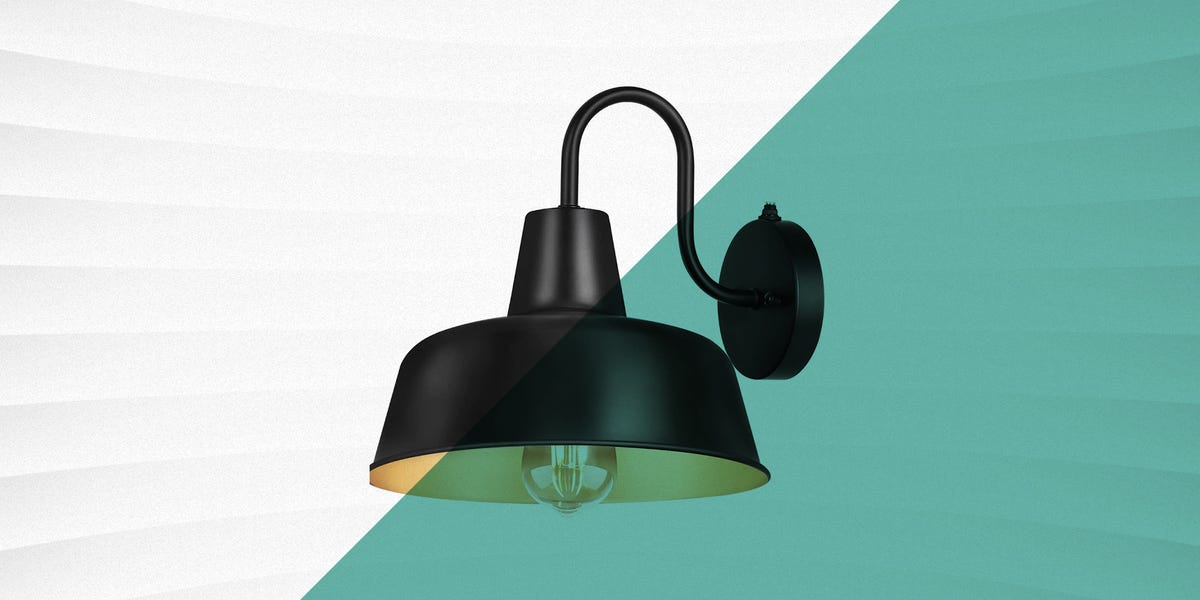
A decorative wall light should look intentional during the day and provide useful illumination after sunset. The Better Homes & Gardens Solar Dusk-to-Dawn Decorative Light achieved that balance without requiring hardwiring.
The tested 200-lumen sconce could be assembled quickly and used an adjustable head to direct light toward steps or an entry area. Its solar panel and automatic dusk-to-dawn operation made it especially convenient for renters, sheds, detached garages, and walls far from an outlet.
Best for: Porch steps, small entryways, fences, and detached structures.
Potential drawback: It is intended for localized illumination, not lighting an entire backyard. Solar performance also depends heavily on panel placement and daily sunlight. Spotlights: Urpower Outdoor Solar Lights
Urpower Outdoor Solar Lights earned strong marks in 2024 testing for their simple installation, automatic operation, durability, and useful directional output. Unlike purely decorative stake lights, solar spotlights can highlight trees, house numbers, statues, planting beds, and architectural details.
They are especially practical when trenching cable would be difficult or absurdly inconvenient. Place the solar panel where it receives direct sunlight, angle the light toward the feature, and let the sun handle the electrical bill.
Best for: Trees, shrubs, signs, columns, and garden accents.
Potential drawback: Output and runtime can drop during cloudy periods, short winter days, or when the panel is shaded by vegetation. People’s 2024 testing also identified Linkind StarRay and AloftSun models as notable alternatives for budget and motion-sensing applications. String Lights: Brightech Ambiance Pro
For patios, pergolas, and outdoor dining areas, the Brightech Ambiance Pro Solar String Lights were among the strongest 2024 choices. Their vintage-style bulbs created an inviting glow without needing a conveniently placed outlet.
These lights are designed primarily for atmosphere. They can make an ordinary patio feel like a restaurant where the appetizers cost $18, but they should not be treated as task lighting for grilling, food preparation, or navigating steep steps.
Best for: Pergolas, fences, balconies, gazebos, and outdoor dining areas.
Potential drawback: Solar string lights usually provide less brightness and shorter runtimes than plug-in alternatives. Real Simple selected the Brightech Ambiance Pro as a leading 2024 outdoor string-light option, while other testing also praised its style and ease of use. Path Light: Philips Hue Calla
The Philips Hue Calla was a premium choice for homeowners who wanted landscape lighting to participate in the smart-home ecosystem. It could provide conventional warm white illumination on ordinary evenings and switch to color scenes for holidays, parties, or the occasional dramatic Tuesday.
App controls, schedules, dimming, and automation make smart path lights more flexible than basic dusk-to-dawn fixtures. A connected system can brighten during arrival times, dim later in the evening, and turn off automatically when the yard is no longer being used.
Best for: Smart homes, modern landscapes, entertaining areas, and customizable pathway lighting.
Potential drawback: Premium smart systems cost more and may require a bridge, compatible accessories, or additional low-voltage equipment. Philips Hue Calla was among the standout smart outdoor options evaluated in major product testing. nent Accent Lighting: Govee Permanent Outdoor Lights Pro
Govee’s Permanent Outdoor Lights Pro represented one of 2024’s biggest outdoor-lighting trends: year-round architectural lighting that can change color for holidays without requiring homeowners to climb a ladder every December.
Mounted beneath eaves, the individual light segments can produce decorative pools of color across the facade. They work for subtle warm lighting, seasonal themes, game-day colors, and full rainbow mode when restraint has officially left the building.
Best for: Rooflines, holiday displays, parties, and customizable architectural accents.
Potential drawback: Careful spacing and cable management are essential. Poor installation can make an expensive system look like a glowing extension cord. WIRED’s 2024 smart-lighting coverage recognized Govee’s outdoor products for their customization and expanding feature set. ity Camera Light: Ring Floodlight Cam Wired Pro
The Ring Floodlight Cam Wired Pro combines broad exterior illumination with motion detection, video recording, two-way communication, and app-based alerts. It is useful for homeowners who want one device covering both lighting and surveillance duties.
Its strongest locations are driveways, garage doors, gates, and frequently used entrances. The camera adds context that a basic motion light cannot provide, helping the homeowner distinguish between a delivery driver, a raccoon, and a shrub having an unusually active evening.
Best for: Driveways, garages, gates, and connected home-security systems.
Potential drawback: Some features may depend on a subscription, a strong Wi-Fi signal, and the user’s willingness to manage another app. The Ring model was included among notable smart security-lighting products in 2024 outdoor-lighting testing. ose the Best Outdoor Lighting
Start With the Area’s Actual Purpose
Decide what each zone needs before choosing fixtures. Outdoor lighting generally serves four purposes: safe movement, security, task visibility, and atmosphere.
- Pathways and stairs: Use low, shielded fixtures that reveal changes in elevation without shining into people’s eyes.
- Doors and garages: Choose wall lights, motion fixtures, or controlled floodlights.
- Patios and decks: Combine ambient string lights with separate task lighting near grills and counters.
- Trees and architecture: Use spotlights, well lights, or wash lights to create depth.
Trying to illuminate everything with one giant floodlight usually produces glare, flat-looking landscaping, and neighbors who begin researching blackout curtains.
Compare Solar, Low-Voltage, and Line-Voltage Systems
Solar lighting is the easiest to install because it requires no cable or outlet. It works well for decorative paths, garden accents, sheds, and secondary areas. Its weaknesses are inconsistent charging, battery aging, and reduced winter performance.
Low-voltage lighting commonly operates through a transformer that reduces household power to approximately 12 volts. It is popular for paths, trees, planting beds, and architectural accents because fixtures can be repositioned and expanded more easily than conventional line-voltage lights.
Line-voltage lighting provides dependable output for wall fixtures, security lights, and large areas. However, installation is less DIY-friendly and may require permits or a licensed electrician. This Old House identifies modern low-voltage systems as a flexible standard for many residential landscape projects. ens, Not Just Watts
Watts describe energy consumption; lumens describe visible light output. Outdoor LED fixtures can produce substantial illumination while using relatively little electricity, so wattage alone is no longer a useful brightness comparison.
As a practical starting point, individual path lights often fall around 50 to 200 lumens, accent lights may range from roughly 50 to 300 lumens, and broad floodlights commonly begin around 700 lumens. Placement, beam angle, mounting height, surface color, and neighboring light sources can all change how bright a fixture appears. est output that accomplishes the job. Excessive brightness creates glare and can make dark areas beyond the beam more difficult to see.
Use Warm Color Temperatures
For most residential landscapes, LEDs around 2700K to 3000K create a warm, comfortable appearance. They flatter wood, brick, stone, plants, and human faces. Cooler white light can be useful in selected task or security areas, but it may feel harsh when spread across an entire yard.
DarkSky International recommends outdoor lighting that is useful, targeted, low-level, controlled, and warm-colored. Timers, dimmers, shielding, and motion sensors help reduce glare, wasted energy, light trespass, and unnecessary sky glow. her and Location Ratings
An outdoor fixture should be specifically rated for the environment in which it will be installed. A light beneath a covered porch faces different exposure than a spotlight sitting beside an irrigation head.
Review wet-location or damp-location listings, enclosure ratings, operating-temperature limits, and corrosion-resistant materials. Coastal properties should give extra consideration to brass, copper, stainless steel, and finishes designed for salt-air exposure.
An IP rating can help compare resistance to dust and water, but it should not replace the manufacturer’s installation instructions or an appropriate safety certification. Outdoor products still need correctly sealed connections and suitable mounting positions.
Do Not Ignore Electrical Safety
Plug-in outdoor lights should use outdoor-rated cords and GFCI-protected outlets. Inspect cords for cracks, exposed conductors, damaged plugs, and loose connections before use. Do not attach light strings with fasteners that can puncture their insulation.
Hire a qualified electrician when adding outlets, installing new line-voltage circuits, working near pools, or replacing questionable exterior wiring. Electricity and rain have never been known for their successful teamwork. ghting Design Tips That Produce Better Results
Layer the Light
A polished outdoor design usually combines several modest light sources instead of relying on one overpowering fixture. Use path lights for movement, downlights for general visibility, accent lights for plants or architecture, and wall fixtures for entrances.
The contrast between illuminated and darker areas creates depth. Lighting every square foot evenly can make a landscaped yard look more like a parking facility.
Hide the Source When Possible
People should notice what is illuminated before they notice the fixture. Place spotlights behind plants, use shielded path lights, and angle beams away from seated eye level. Downlighting from trees or structures can imitate moonlight and create softer shadows than upward-facing floodlights.
Avoid the Runway Effect
Path lights do not need to stand in identical pairs along every inch of a walkway. Staggering them and allowing gentle pools of light to overlap creates a more natural appearance. This Old House recommends planning fixture placement around the landscape rather than producing continuous illumination. tion Intelligently
Photocells are useful for automatic dusk-to-dawn operation, but leaving every exterior light at full brightness all night is rarely necessary. A better system may turn on accent lighting at sunset, dim it later, and reserve brighter security lights for motion events.
Smart controls are valuable when they reduce effort and energy use. They are less valuable when turning on the porch light requires opening three apps, downloading firmware, and negotiating with a voice assistant.
Experience-Based Lessons From Real Outdoor Spaces
The most common lesson from outdoor-lighting installations is that a fixture’s specification sheet never tells the entire story. A solar light advertised with a long runtime may perform beautifully in July and surrender before dinner in December. Before installing a large set, test one or two fixtures in the intended location for several nights. Observe direct sunlight, shadows from the house, tree coverage, sprinkler spray, and actual runtime.
Another recurring experience is that warm light usually looks better than expected, while very cool light looks brighter but less comfortable. Homeowners sometimes choose high color temperatures because the display fixture appears powerful in a brightly lit store. Once installed across a porch or garden, that same blue-white output can make the property feel institutional. Starting around 2700K provides a welcoming result, particularly near seating and entrances.
Motion sensors also require patience. A sensor aimed toward a public sidewalk may activate whenever someone walks past. A fixture facing moving branches can respond enthusiastically to the wind. Begin with moderate sensitivity and a short operating duration, then adjust the detection zone over several evenings. The best motion light activates early enough to be useful but not so often that the household begins cheering whenever it stays off.
String lights teach a structural lesson: the electrical cord should not always carry the physical load. Long runs can sag, pull on sockets, or strain attachment points. A supporting guide wire is often the better solution for permanent patio installations. Bulbs should also remain clear of branches, fabric canopies, and areas where doors or umbrellas might strike them.
Low-voltage landscape systems tend to reward planning. Fixtures installed without a map may look fine on the first night, but problems appear as plants grow and seasons change. A path light can disappear behind ornamental grass. An uplight that beautifully accents a young tree can eventually shine directly into the canopy or a second-story window. Check the system every few months, clean lenses, trim vegetation, and redirect fixtures as the landscape matures.
Finally, the most satisfying outdoor-lighting projects rarely begin with buying the maximum number of fixtures. They begin with one priority areaperhaps the path from the driveway to the doorand expand after the homeowner sees how the light behaves. This staged approach reduces unnecessary purchases and creates a more balanced design.
A successful yard should not be uniformly bright. It should guide movement, reveal attractive details, support outdoor activities, and allow darkness to remain part of the design. When guests can find the steps, admire the trees, and still see a few stars, the lighting is doing its job.
Final Verdict
The best outdoor lighting for 2024 combines warm LED illumination, weather-ready construction, focused beams, and practical controls. The Leonlite security fixture is a strong choice for functional coverage, while solar products from Urpower, Better Homes & Gardens, and Brightech simplify installation. Philips Hue Calla and Govee’s permanent outdoor lights provide deeper customization for smart homes, and Ring’s floodlight camera combines visibility with connected security.
Choose fixtures according to purpose rather than marketing claims. Use solar lights where convenience matters, low-voltage systems where dependable landscape illumination is required, and professionally installed line-voltage fixtures for major security or architectural applications. Above all, resist the temptation to make the yard visible from orbit. Thoughtful placement beats raw brightness every time.