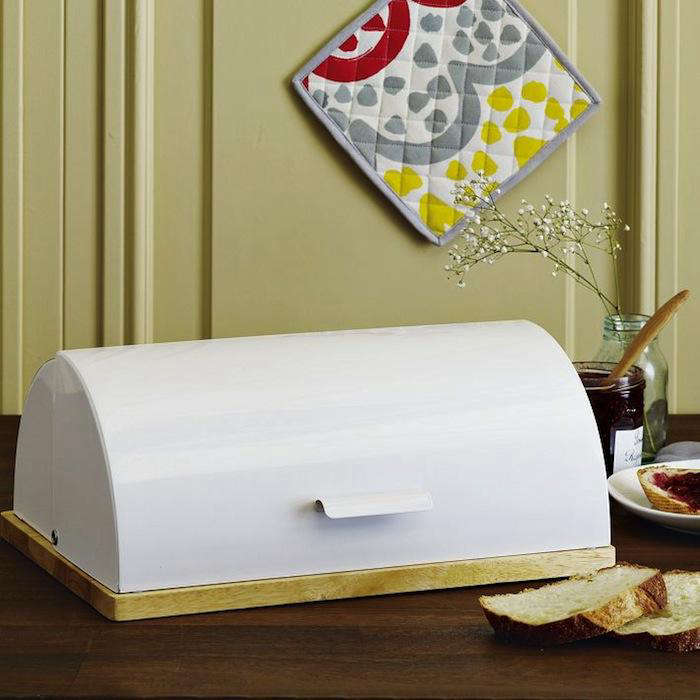

A bread bin from West Elm sounds like one of those small kitchen upgrades that should not matter muchuntil your countertop suddenly looks less like a carb crime scene and more like a thoughtfully styled breakfast nook. Bread, bagels, muffins, tortillas, and that heroic half-loaf of sourdough all need somewhere to live. Tossing them into a plastic bag near the toaster works, technically, but so does wearing socks with sandals. We can do better.
West Elm is known for modern home design, clean lines, warm materials, and kitchen accessories that look intentional rather than accidental. Its bread box selection has included design-forward options from brands such as Yamazaki, Brabantia, and BergHOFF, ranging from minimalist steel boxes to bamboo-accented containers and space-saving roll-top designs. In other words, this is not your grandma’s bread boxunless your grandma has excellent taste and a suspiciously organized pantry.
This guide explores what makes a bread bin from West Elm worth considering, how different designs compare, what materials matter, and how to use one properly so your bread stays fresher, tidier, and less likely to vanish behind the coffee grinder.
What Is a Bread Bin, Really?
A bread bin, also called a bread box, is a countertop storage container designed to hold bread and baked goods at room temperature. The goal is simple: protect bread from too much air, light, and kitchen chaos while allowing just enough airflow to avoid trapping excess moisture. It is not a magical anti-staling machine, sadly. If bread boxes could stop bread from aging forever, they would be guarded in museums next to the Hope Diamond.
Still, a good bread bin creates a balanced storage environment. It helps keep the crust from drying out too quickly while reducing the damp, sealed conditions that can encourage mold. That balance is especially useful for fresh bakery loaves, homemade sourdough, dinner rolls, bagels, and sandwich bread that gets opened and closed more times than a teenager’s bedroom door.
Why Choose a Bread Bin from West Elm?
The biggest appeal of a bread bin from West Elm is not just functionit is the combination of function and style. A bread box lives on the counter, which means it becomes part of your kitchen’s visual landscape. If it looks clunky, cheap, or overly retro in the wrong way, you will notice it every morning before coffee. Nobody needs that kind of emotional burden.
West Elm’s kitchen storage pieces typically lean modern, minimal, and design-conscious. The bread bins it carries or has carried often fit well with contemporary kitchens, Scandinavian-inspired spaces, mid-century modern decor, farmhouse-modern hybrids, and small apartments where every visible object must justify its rent.
Style That Earns Counter Space
Countertop space is prime real estate. A toaster, coffee maker, knife block, fruit bowl, and that mysterious charger nobody uses are already competing for territory. A bread bin needs to look good enough to stay out in the open. Many West Elm-style bread boxes use neutral finishes like white, black, bamboo, ash wood, or stainless steel, making them easier to pair with different cabinet colors and countertop materials.
Better Organization for Everyday Bread
A bread bin also solves a common kitchen problem: the bread pile. Without a proper home, loaves migrate. One day the bagels are beside the sink. The next day the English muffins are under a grocery receipt. By Friday, the tortillas have achieved legal independence. A bread box gathers everything into one clean storage zone, making the kitchen feel calmer and more functional.
Popular Bread Bin Styles Seen at West Elm
West Elm’s bread storage selection has included several types of modern bread boxes, each with different strengths. The best choice depends on how much bread you buy, how much counter space you have, and whether your kitchen personality is “minimalist gallery” or “snacks live here and they pay rent.”
Yamazaki Tosca Bread Box
The Yamazaki Tosca Bread Box is one of the most recognizable modern bread bins associated with West Elm. It typically features a clean white steel body with a warm wood handle, creating a soft Japanese-inspired look that feels tidy but not cold. Its front-opening door makes access easy, while the flat top can sometimes be used for light storage, depending on the model’s design and weight limits.
This style works especially well in kitchens that mix white surfaces, wood accents, open shelving, and simple ceramics. It is a strong choice if you want your bread bin to look like it belongs in a design magazine but still perform a humble job: hiding hamburger buns.
Yamazaki Tower Bread Box
The Yamazaki Tower Bread Box leans sleek and practical. The design often uses powder-coated steel and a minimalist rectangular profile. It is especially appealing for people who like clean edges, hidden storage, and a modern look that does not shout for attention. The Tower style is usually available in neutral colors such as white or black, which makes it easy to match appliances and cabinet hardware.
If your kitchen already features matte black fixtures, white quartz counters, or stainless steel appliances, this type of bread box can blend in beautifully. It is not flashy. It is the quiet friend who shows up on time, brings napkins, and somehow makes breakfast feel organized.
Yamazaki Wide Bread Box
The Yamazaki Wide Bread Box is built for households that take carbs seriously. If you often store more than one loaf, plus bagels, rolls, wraps, or pastries, a wider bread bin can make daily life easier. Instead of jamming everything into a small box and hoping the croissants survive, you get more horizontal room and better visibility.
This is a good option for families, home bakers, or anyone whose weekend grocery run includes “just one loaf” and somehow ends with ciabatta, brioche, and cinnamon raisin bread. No judgment. The bread understands.
Brabantia Roll Top Bread Box
West Elm has also carried Brabantia roll-top bread boxes. A roll-top design opens like a tiny garage door for your loaf, which is both useful and oddly satisfying. The main advantage is space efficiency: the lid rolls back into the body of the box instead of swinging up or down. That makes it useful when the bread bin sits under cabinets or in a tight corner.
Many roll-top bread boxes also have flat tops, allowing you to place small canisters or lightweight items above them. This is helpful in small kitchens where every inch counts and even the cinnamon jar needs a parking permit.
BergHOFF Leo Bamboo Bread Box with Cutting Board
The BergHOFF Leo Bamboo Bread Box & Cutting Board combines storage with prep space. The bamboo element can work as a lid or board, depending on the design, making it attractive for people who want multi-use kitchen accessories. Bamboo adds warmth and a natural texture, which looks especially nice in kitchens with butcher block, woven baskets, ceramic jars, or other organic materials.
This kind of bread bin is practical for smaller kitchens because it does more than one job. Store the loaf, remove the board, slice the bread, collect the crumbs, and pretend you are the calm, organized person you always meant to become.
Does a Bread Bin Actually Keep Bread Fresh?
Yes, but with realistic expectations. A bread bin helps manage airflow and humidity, which can slow down drying and reduce some conditions that encourage mold. It is best for short-term storage at room temperature, especially for bread you plan to eat within a few days.
However, a bread bin will not stop the natural staling process. Bread stales because starch molecules change after baking, causing the crumb to firm up over time. Refrigeration can make that texture problem worse for many breads, even though it may slow mold growth in some situations. For most fresh loaves, room temperature storage is better for short-term use, while freezing is the smarter move for long-term storage.
Best Breads to Store in a Bread Bin
A bread bin from West Elm is especially useful for fresh bakery loaves, homemade sandwich bread, sourdough, rolls, bagels, baguette pieces, English muffins, and breakfast pastries. Crusty artisan loaves may benefit from being placed cut-side down inside the box or wrapped loosely in paper before storage. Soft sandwich bread can often remain in its original bag, especially if it is store-bought and sliced.
When a Bread Bin Is Not Enough
If your kitchen is very humid, bread may still mold quickly. If your home is very dry, bread can still firm up fast. If you buy bread in bulk, freeze what you will not eat within a few days. A bread bin is a helper, not a superhero. Think of it as a stylish kitchen assistant, not a loaf-preserving wizard in a tiny steel cape.
How to Pick the Best Bread Bin from West Elm
Before choosing a bread bin, consider size, opening style, material, cleaning needs, and how it fits into your kitchen routine. The prettiest bread box in the world becomes annoying if it blocks cabinet doors or cannot hold your favorite loaf.
1. Measure Your Counter Space
Start with the spot where the bread bin will live. Measure width, depth, and height, especially if it will sit under upper cabinets. Front-opening and roll-top designs are often easier in tight spaces because they do not require much overhead clearance.
2. Match Capacity to Your Bread Habits
If you buy one sandwich loaf per week, a medium bread box may be plenty. If your household treats Saturday morning like a bakery tasting event, choose a wider design. Large boxes are useful, but they also take up more space, so do not buy a bread mansion when your loaf only needs an apartment.
3. Choose the Right Material
Steel bread boxes are durable, modern, and easy to wipe clean. Wood and bamboo add warmth but may need more careful cleaning and drying. Roll-top designs are convenient but may have tracks that collect crumbs. Ceramic and stoneware styles can look beautiful but are heavier and more breakable.
4. Look for Easy Cleaning
Crumbs happen. Mold can happen too, especially if bread is forgotten. Choose a bread bin with a smooth interior and accessible corners. Wipe it regularly with a dry or lightly damp cloth, then let it fully dry before adding bread again. Moisture trapped inside a closed bread box is not your friend; it is the villain wearing a crumb-covered cape.
5. Consider the Top Surface
Some bread boxes have flat tops that can hold small items. This is useful if your kitchen is short on storage. A flat-top bread bin can support tea tins, spice jars, or a small tray, depending on the product’s design. Just avoid stacking heavy appliances unless the manufacturer clearly says it is safe.
Design Ideas for Styling a West Elm Bread Bin
A bread bin from West Elm fits naturally into a curated countertop setup. Place it near the toaster for a breakfast station, beside coffee supplies for a morning routine zone, or near a cutting board and butter dish for easy sandwich prep. Keep the surrounding area simple so the bread box looks intentional rather than wedged into survival mode.
For a warm modern kitchen, pair a white steel bread bin with wood utensils, linen towels, and ceramic canisters. For a bold kitchen, a black bread box can echo dark cabinet pulls, matte fixtures, or black appliances. For a natural look, bamboo or wood-accented designs work well with woven baskets, glass jars, and plants.
Practical Bread Storage Tips
Let homemade bread cool completely before placing it in a bread bin. Warm bread releases steam, and steam trapped in a box can encourage condensation. Store sliced bread with the cut side facing down or wrapped lightly. Keep the bread bin away from direct sunlight, the stove, and other warm spots. Heat speeds up quality loss and can create an environment where bread gets sad faster.
Do not overload the box. Bread needs a little breathing room. If you cram three loaves, bagels, muffins, and a rogue croissant into one container, you are not storing breadyou are running a bakery-themed escape room.
Real-Life Experience: Living With a Bread Bin from West Elm
Using a bread bin from West Elm is one of those everyday changes that feels small at first and then quietly improves the rhythm of the kitchen. The first thing you notice is visual calm. Before the bread bin, bread may sit in a plastic bag on the counter, rolls may lean against the toaster, and bagels may occupy whatever space is not already claimed by coffee mugs. After adding a proper bread box, everything has a place. The counter looks cleaner in about ten seconds, which is faster than most home improvement projects and does not require a drill, a ladder, or emotional recovery.
The second benefit is convenience. A front-opening bread box, especially one like a Yamazaki-style design, makes breakfast smoother. Open the door, grab the loaf, make toast, close the door. No rustling through plastic bags. No knocking over the honey. No discovering that someone placed the bread under the bananas, which is how you get banana-shaped sandwich slices and family tension.
In daily use, capacity matters more than expected. A smaller bread bin looks adorable, but if it only fits one loaf and your household also buys bagels, it may become frustrating. A wider model is better for people who rotate between sandwich bread, sourdough, tortillas, and breakfast pastries. The storage feels more flexible, and flexible storage is the secret sauce of a happy kitchen.
Cleaning is also part of the experience. Bread boxes collect crumbs because bread is basically delicious confetti. A quick weekly wipe keeps the interior fresh. If a loaf has been forgotten too long, remove everything, clean the box, and let it dry fully before restocking. This habit takes less time than scrolling through five recipes for “easy weeknight dinner” and then ordering pizza anyway.
The style factor is real. A West Elm bread bin can make a kitchen feel more polished without changing cabinets or buying new appliances. It creates that subtle “someone here has their life together” impression, even if the junk drawer tells a different story. Guests may not comment directly on the bread box, but they will notice the counter feels organized and calm.
The main lesson from living with one is simple: buy for your habits, not just the photo. If you bake big round loaves, choose a roomy box with a wide opening. If you live in a small apartment, consider a roll-top or flat-top design. If you want warmth, choose wood or bamboo accents. If you want easy cleaning, steel is hard to beat. A bread bin should make bread easier to store, easier to find, and easier to enjoy. When it does all three, it earns its spot on the counter like a tiny, stylish landlord of carbs.
Final Thoughts
A bread bin from West Elm is a smart upgrade for anyone who wants better bread storage without sacrificing kitchen style. It helps organize the counter, protects bread from excess exposure, and gives baked goods a dedicated home. Whether you prefer the minimalist look of Yamazaki, the practical movement of a Brabantia roll top, or the natural warmth of bamboo, the best bread bin is the one that matches your space, habits, and loaf lifestyle.
Is it absolutely necessary? No. Bread survived for centuries without designer storage. But does it make the kitchen look better, function better, and feel a little more grown-up? Absolutely. And if a simple box can keep your sourdough from hiding behind the blender, that is a small domestic victory worth celebrating.