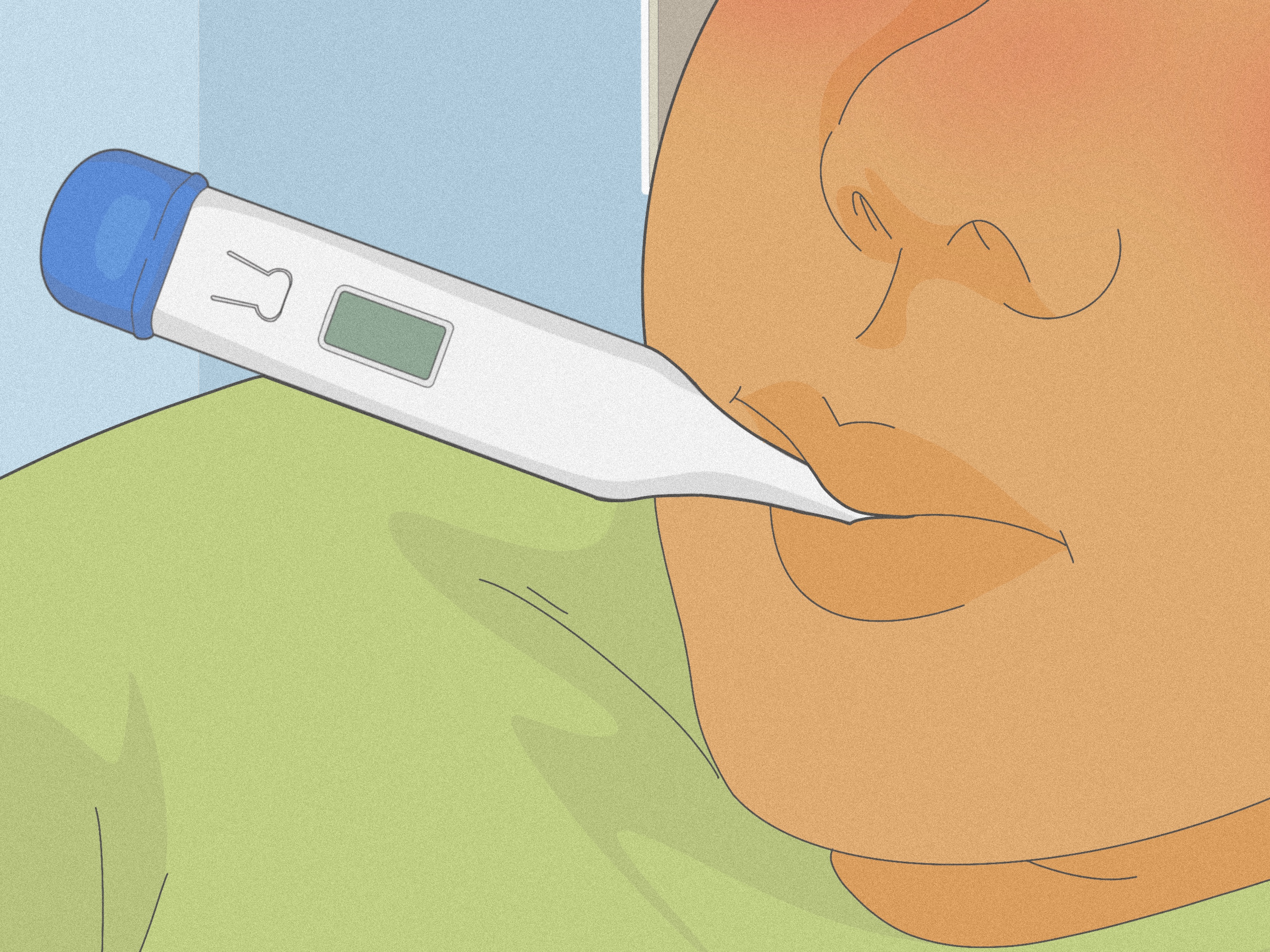
Bronchiolitis is one of those childhood illnesses that can feel like it shows up out of nowhere, turns your baby into a tiny, snorty dragon for a few days, and then
leaves you wondering if you’ll ever sleep again. The good news: most cases are mild and get better with supportive care at home. The not-so-fun news: because it affects
the smallest airways in the lungs, bronchiolitis can look and sound scaryespecially in babies and young toddlers.
This guide explains what bronchiolitis is, what causes it, the symptoms to watch for, which treatments actually help (and which usually don’t), and how to reduce the
risk next season. It’s written for everyday humansno medical dictionary required.
What Bronchiolitis Is (and What It Isn’t)
Bronchiolitis is an infection and inflammation of the bronchioles, the tiny air passages in the lungs. When these small airways swell and
fill with mucus, it becomes harder for air to move in and outleading to coughing, wheezing, and faster or more labored breathing.
It’s most common in infants and children under age 2, with the highest risk for more severe symptoms in very young babies (especially under 3 months),
premature infants, and children with certain heart or lung conditions.
Common mix-ups
-
Bronchiolitis vs. bronchitis: Bronchitis involves larger airways (bronchi) and is more common in older kids and adults. Bronchiolitis targets the tiny
airways and mostly affects babies and toddlers. -
Bronchiolitis vs. asthma: Both can cause wheezing. But bronchiolitis is usually triggered by a viral infection and has a typical “cold-then-chest”
pattern. Asthma is a chronic condition with recurring episodes and specific triggers. -
Bronchiolitis vs. “bronchiolitis obliterans”: They sound similar, but bronchiolitis obliterans is a rare, serious lung condition (often from severe
injury to the airways). When people say “bronchiolitis” in pediatrics, they usually mean the common viral illness described in this article.
Causes: Why It Happens and How It Spreads
Bronchiolitis is almost always caused by viruses. The top culprit is RSV (respiratory syncytial virus), but other viruses can do it too,
including influenza, parainfluenza, adenovirus, rhinovirus (common cold), and human metapneumovirus.
How the virus turns into “wheezing baby season”
Most cases start like a regular cold: runny nose, mild fever, sneezing, and a bit of fussiness. Then the virus moves deeper into the respiratory tract. Inflammation and
mucus build-up narrow those tiny bronchioles, which can cause:
- Wheezing (a whistling sound when breathing out)
- Rapid breathing
- Chest retractions (skin pulling in around ribs/neck with breaths)
- Trouble feeding because breathing takes priority
How it spreads
The viruses that cause bronchiolitis spread through respiratory droplets and contaminated surfacesthink coughing, sneezing, and the classic “my toddler licked the
shopping cart handle” scenario. Babies get infected easily because they’re often held, kissed, and exposed to siblings who bring home germs like they’re collecting them
as a hobby.
Risk factors for more severe illness
- Age under 12 weeks (especially under 3 months)
- Premature birth
- Chronic lung disease (including bronchopulmonary dysplasia)
- Congenital heart disease
- Weakened immune system
- Exposure to tobacco smoke or vaping aerosols
- Crowded living conditions or daycare exposure
Symptoms: What You’ll Notice (and What’s Typical)
Bronchiolitis usually follows a predictable arc: cold symptoms first, then a shift toward the chest.
Early symptoms (often day 1–3)
- Runny or stuffy nose
- Sneezing
- Mild cough
- Low-grade fever (not always)
- Reduced appetite or sleepiness
Later symptoms (often day 3–7, when it can peak)
- Worsening cough
- Wheezing or crackly breathing sounds
- Faster breathing than usual
- Working harder to breathe (retractions, flaring nostrils, grunting)
- Feeding difficulties (tires easily, pauses to breathe, drinks less)
- Fewer wet diapers (a dehydration clue)
Many children start improving after several days, but the timeline can vary. The intense “this sounds awful” phase often lasts a few days. A lingering cough can stick
around longersometimes a couple weeks or moreafter breathing improves.
When to Call the Doctor or Seek Emergency Care
Because babies have small airways and limited “reserve,” it’s smart to be cautious. Contact a clinician promptly if you’re worried, and seek urgent or emergency care if
you notice any of the following red flags.
Call your child’s clinician soon if:
- Your child is under 3 months and has cold symptoms or fever
- Breathing seems faster than usual or wheezing is new
- Your child is drinking much less than normal
- There are fewer wet diapers (especially fewer than usual for your child)
- Symptoms are worsening instead of leveling off
Seek emergency care right away if:
- Your child is struggling to breathe (significant retractions, grunting, severe flaring)
- There are pauses in breathing (apnea) or your baby is unusually limp or hard to wake
- Lips or face look bluish or grayish (sign of low oxygen)
- Your child can’t keep fluids down or shows signs of dehydration (very dry mouth, no tears, very few wet diapers)
If you’re in doubt, trust your gut. Parents are excellent at noticing when something is “off,” even if they can’t describe it in medical terms.
Diagnosis: How Clinicians Figure It Out
Bronchiolitis is usually a clinical diagnosis, meaning it’s identified through the pattern of symptoms plus a physical examlistening to the lungs,
checking breathing effort, and measuring oxygen levels.
Common exam findings
- Wheezing or crackles
- Fast breathing
- Signs of increased work of breathing (retractions, nasal flaring)
- Low oxygen saturation in some cases
In typical cases, extensive testing isn’t needed. Sometimes clinicians may do tests if the situation is severe, unusual, or if they need to rule out other problems (like
pneumonia). Viral testing may be used in certain settings (for example, infection-control decisions in a hospital), but it often doesn’t change at-home treatment.
Treatments: What Actually Helps
The main treatment for bronchiolitis is wonderfully boring: supportive care. That means helping your child breathe easier, stay hydrated, and remain as
comfortable as possible while the virus runs its course. (Viruses are rude houseguests: they don’t help clean up, and they leave when they feel like it.)
At-home care that makes a real difference
- Fluids, fluids, fluids: Offer smaller, more frequent feeds. If your baby tires quickly, short “snack feeds” can be easier than full meals.
- Nasal saline + gentle suction: A stuffy nose can make feeding miserable. Saline drops or spray plus gentle suction before feeds can help.
-
Fever comfort: Use fever reducers only as directed by your child’s clinician (and by age/weight). Fever is common with viral infections, and comfort
matters. - Cool-mist humidifier: Moist air can make breathing feel less scratchy. (Skip hot steam methodsburn risk is real, and nobody needs that plot twist.)
- Rest and calm: Crying can worsen shortness of breath. Extra cuddles and a quieter environment can help conserve energy.
- Smoke-free air: Tobacco smoke and vaping aerosols irritate airways and can worsen symptoms. Keep the environment as clean-air as possible.
Treatments that may be used in the hospital
If a baby needs hospital care, the goal is still supportivejust with more tools:
- Supplemental oxygen if oxygen levels are low
- High-flow nasal cannula (HFNC) to reduce breathing effort in moderate to severe cases
- IV fluids or feeding support if a child can’t drink enough safely
- Frequent suctioning to help clear mucus
- Careful monitoring of breathing and hydration
What usually doesn’t help (and why)
This is where bronchiolitis gets its own special “less is more” philosophy. Many medications that sound like they should work don’t consistently help typical viral
bronchiolitis.
- Antibiotics: Bronchiolitis is usually viral, and antibiotics don’t treat viruses. They may be used only if there’s concern for a bacterial infection.
-
Routine bronchodilators (like albuterol): Not recommended for most typical cases because they usually don’t improve outcomes. Some clinicians may try a
monitored dose in select situations, then stop if it doesn’t clearly help. - Steroids: Generally not helpful for typical bronchiolitis and not routinely recommended.
- Over-the-counter cough/cold meds for babies: Not recommended for infants and young children due to safety concerns and limited benefit.
If you’ve ever wondered why your pediatrician’s advice sounds like, “Hydrate, suction, watch closely, and call us if it gets worse,” it’s not because they’re out of
ideasit’s because evidence shows supportive care is the cornerstone.
Hospitalization: What It Can Look Like (If It’s Needed)
Most children won’t need hospitalization. But when they do, it’s typically for one (or a combination) of these reasons:
- Low oxygen levels
- Dehydration or inability to feed safely
- Significant work of breathing
- Apnea risk in very young infants
Hospital teams focus on breathing support and hydration, then discharge once the child is stablebreathing comfortably enough, maintaining safe oxygen levels, and taking
adequate fluids by mouth.
Prevention: How to Lower the Odds Next Time
You can’t sterilize the entire universe (and even if you could, toddlers would still find a way to share germs telepathically). But you can meaningfully reduce risk.
Everyday prevention strategies
- Handwashing before holding or feeding babies
- Limit close contact with sick people, especially for young infants
- Clean high-touch surfaces (phones, doorknobs, toys)
- Avoid tobacco smoke exposure
- Breastfeeding if possible, which may support infant immune defenses
- Ask visitors to skip kisses on baby’s face/hands during respiratory virus season (yes, it’s awkwardso is the ER)
RSV protection options in the U.S.
Because RSV is such a common cause of bronchiolitis, prevention has become a bigger part of the conversation in recent years. In the U.S., guidance has included:
-
Maternal RSV vaccination during pregnancy (given in a specific window late in pregnancy, timed to RSV season) to help protect newborns in the first
months of life. -
Long-acting monoclonal antibody protection for infants during RSV season (a preventive shot that helps reduce the risk of severe RSV disease).
Recommendations can vary by season, age, and risk factorsso it’s worth asking your pediatrician what’s advised for your child.
Important note: these strategies aim to prevent severe RSV disease. They are not treatments once bronchiolitis is already underway.
Recovery and Aftercare: The “Is This Cough Forever?” Phase
Bronchiolitis often improves over 1–2 weeks, but it’s common for cough to linger longereven after your child looks mostly like themselves again. As long as breathing is
comfortable, feeding is improving, and there are no red flags, this can be part of normal recovery.
Helpful recovery habits
- Keep up hydration and nasal care, especially before feeds and sleep.
- Prioritize restyour child’s lungs are doing extra work and deserve a break.
- Watch for setbacks: new fever after improvement, worsening breathing, or signs of dehydration.
Some children wheeze again with future colds. That doesn’t automatically mean asthmabut it’s a good reason to mention the history of bronchiolitis at future visits,
especially if wheezing becomes recurrent.
Quick FAQs
Is bronchiolitis contagious?
Yes. The viruses that cause bronchiolitis spread easily, especially in households with siblings or daycare exposure. Good hand hygiene and limiting contact with sick
people are the best defenses.
Can older kids or adults get bronchiolitis?
Older children and adults can catch the same viruses, but they usually experience a cold or mild bronchitis-like illness. The classic bronchiolitis pattern is most
commonand most riskyin infants and toddlers because their airways are small.
Should I use steam in the bathroom?
Warm, humid air can feel soothing, but avoid anything that risks burns. A cool-mist humidifier is generally safer. If you try “steam time,” keep your child away from
hot water and never leave them unattended.
Real-World Experiences: What Families Commonly Report (and What Helps)
Families dealing with bronchiolitis often describe it as a strange mix of “it started like a normal cold” and “why does my baby sound like a tiny accordion?” The first
couple of days can feel deceptively mildrunny nose, a little cough, a bit of fussiness. Then, almost overnight, the cough deepens and sleep gets choppy. Parents often
say the nights are the hardest: lying in the dark, listening to every breath like they’ve become an amateur respiratory therapist.
One of the most common frustrations is feeding. Babies who normally inhale bottles like a championship athlete may suddenly stop after an ounce, pull off to breathe, and
glare like you personally invented oxygen. Caregivers frequently find that smaller, more frequent feeds work better than trying to force a full bottle.
Some parents keep a simple log for 24 hourshow many ounces, how many wet diapersbecause it provides a calmer way to answer the terrifying question, “Are we sliding
toward dehydration?”
Nasal congestion is the other big villain. Many families say the single most helpful home routine is saline + gentle suction before feeds and sleep.
It’s not glamorous, and babies rarely clap afterward, but clearing the nose can noticeably improve feeding and comfort. Parents also mention that “gentle” is the key
wordover-suctioning can irritate the nose and make things worse. A common strategy is to do it on a schedule (before meals, before bedtime) rather than every time the
baby makes a noise.
Families whose children needed ER or hospital care often describe a wave of relief once oxygen support is startednot because the illness instantly disappears, but because
breathing becomes less of a struggle. Many parents say it’s the work of breathing that’s most alarming: the belly pumping, ribs pulling in, the “my baby
is trying so hard” feeling. In hospital settings, caregivers frequently mention how reassuring it is to have continuous monitoring and a team explaining what they’re
watching: oxygen levels, hydration status, and whether breathing effort is improving.
Another common experience is the “recovery whiplash.” A child may look better during the day and then seem worse at night, or improve for two days and then have a rough
patch. Parents often find it helpful to think in trends: Is breathing gradually easier? Is drinking slowly improving? Are wet diapers returning to normal? If the overall
trend is positive, a lingering cough can be annoying but not necessarily dangerous. Still, caregivers consistently say the best advice they received was simple:
watch the breathing and the drinking. Those two factorsmore than the sound of the coughoften predict whether a child is coping well.
Finally, families frequently talk about how bronchiolitis affects the whole household: missed sleep, worried siblings, and the emotional load of feeling responsible for
preventing germs (in a world where germs are apparently everywhere). Many parents find comfort in having a short “action plan” on the fridge:
- Comfort care at home: fluids, saline/suction, cool-mist humidifier, rest
- Call the clinician if: drinking drops sharply, wet diapers decrease, breathing worsens
- Emergency signs: pauses in breathing, bluish lips/face, severe struggle to breathe, extreme lethargy
If you’re currently in the thick of it: you’re not overreacting, bronchiolitis really can sound dramatic, and most kids do get through it with time and supportive care.
The goal isn’t to “cure it” overnightit’s to help your child breathe, hydrate, and recover safely until the virus packs up and leaves.