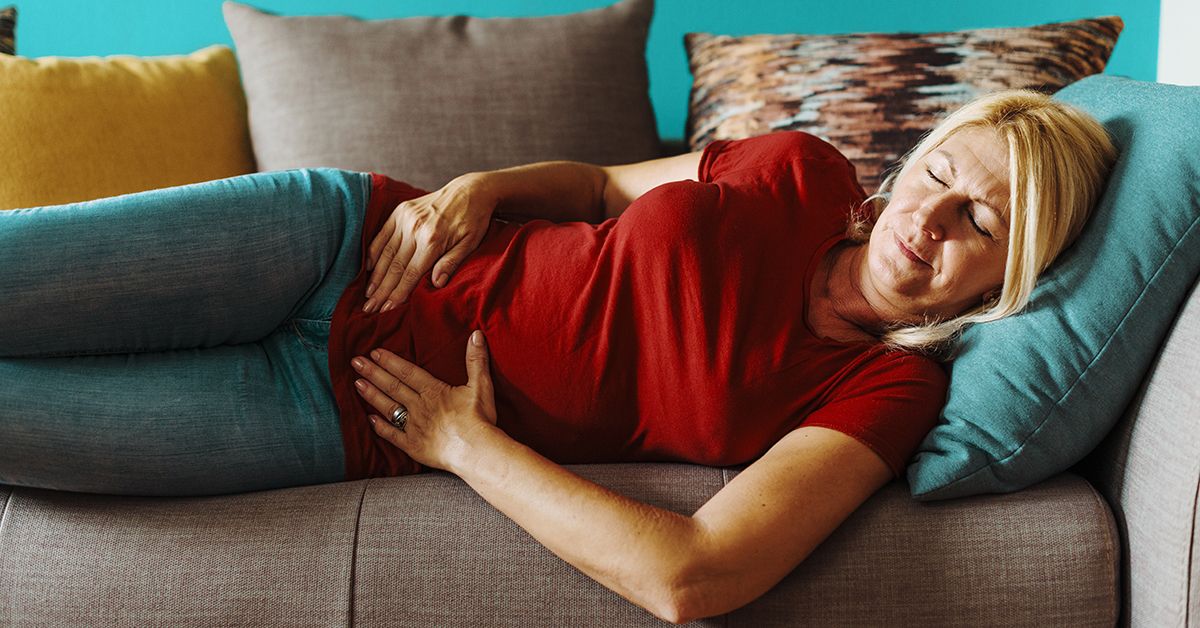

A bloated stomach can make you feel like you swallowed a beach ball, while prolapse can create a completely different kind of pressure lower in the pelvis. Put the two together, and it is understandable to wonder whether one is causing tan happen alongside a prolapse, but prolapse is not usually the direct cause of gas or abdominal swelling. Instead, certain types of prolapse can affect bowel movements, cause constipation, make it difficult to empty the rectum completely, or create pelvic pressure that feels a lot like stomach bloating.
That distinction matters. A prolapse may be part of the story, but bloating can also come from diet changes, constipation, irritable bowel syndrome, food intolerance, hormonal shifts, medications, infections, or other digestive and gynecologic conditions. In other words, the pelvis and the gut occasionally form an annoying little committee meeting without telling you.
This guide explains how prolapse and bloating can be connected, what symptoms deserve attention, and what may help you feel more comfortable while you seek proper medical guidance.
The Short Answer: Can Prolapse Cause a Bloated Stomach?
Pelvic organ prolapse does not typically cause bloating in the same way that gas, food intolerance, or indigestion does. However, prolapse can contribute to bowel problems that lead to abdominal fullness, pressure, constipation, and visible bloating.
This is especially common when the prolapse involves the rectum or small bowel. If stool becomes difficult to pass or remains in the rectum longer than usual, the abdomen can feel swollen, heavy, crampy, or uncomfortable. Some people describe it as a “full” feeling that does not improve until they have a bowel movement.
A person may also mistake pelvic pressure for stomach bloating. Pelvic organ prolapse can create a sensation of heaviness, pulling, fullness, or something “dropping” in the vagina or rectum. That sensation can be very real even if the abdomen itself is not significantly enlarged.
What Is Pelvic Organ Prolapse?
Pelvic organ prolapse happens when the muscles, ligaments, and connective tissues that support the pelvic organs become weakened or stretched. The pelvic floor works a bit like a hammock for the bladder, uterus, vagina, rectum, and bowel. When that hammock loses tension, one or more organs can shift downward.
Prolapse can range from mild to more noticeable. Some people have no symptoms at all, while others experience pelvic pressure, urinary changes, bowel difficulties, or a visible bulge near the vaginal opening or anus.
Common Types of Prolapse
Different types of prolapse can affect the body in different ways:
- Cystocele: The bladder drops into the front wall of the vagina.
- Uterine prolapse: The uterus moves downward into the vaginal canal.
- Vaginal vault prolapse: The upper vagina drops downward, sometimes after hysterectomy.
- Rectocele: The rectum bulges into the back wall of the vagina.
- Enterocele: Part of the small intestine pushes into the upper vaginal wall.
- Rectal prolapse: The rectum protrudes through the anus.
Rectocele, enterocele, and rectal prolapse are the types most likely to be linked with constipation, incomplete bowel movements, and bloating.
How Prolapse Can Lead to Bloating
The relationship between prolapse and bloating is usually indirect. Think of it less as “the prolapse made gas appear” and more as “the prolapse made it harder for the digestive system to finish its shift.”
1. Constipation Can Cause Abdominal Fullness
Constipation is one of the most common reasons a person with prolapse may feel bloated. When stool moves slowly through the colon or becomes difficult to pass, the abdomen may feel distended, tight, uncomfortable, or unusually full.
Constipation can also cause:
- Hard, dry, or lumpy stools
- Straining during bowel movements
- Fewer bowel movements than usual
- A feeling that stool remains after using the bathroom
- Mild cramping or nausea
- Gas and abdominal pressure
Unfortunately, constipation and prolapse can become an unhelpful loop. Straining may worsen pelvic floor pressure, while pelvic floor changes may make bowel movements harder. It is the medical version of a door that sticks harder every time you push on it.
2. Rectocele Can Make It Hard to Empty the Rectum
A rectocele occurs when the rectum presses against the back wall of the vagina. In some people, stool can collect in that bulge instead of moving out smoothly during a bowel movement.
This may create symptoms such as:
- Feeling unable to fully empty the bowel
- Needing to return to the bathroom multiple times
- Straining to pass stool
- Feeling stool is “stuck”
- Pressure in the vagina or rectum
- Needing to press gently on the vaginal wall or perineum to help complete a bowel movement
When stool remains in the rectum, bloating and abdominal discomfort can follow. Some people notice their abdomen looks flatter in the morning but becomes more swollen later in the day, especially when bowel movements have been incomplete.
3. Pelvic Floor Dysfunction May Be Part of the Picture
Not all bowel trouble comes from prolapse itself. Sometimes the pelvic floor muscles do not relax and coordinate properly during a bowel movement. This is known as pelvic floor dysfunction or dyssynergic defecation.
When the muscles tighten instead of relaxing, stool may be difficult to pass even when the urge is strong. This can lead to chronic constipation, repeated straining, bloating, and a sense that the body is refusing to cooperate for no obvious reason.
A person can have both prolapse and pelvic floor dysfunction. That is why a careful evaluation matters. The treatment for weak pelvic floor muscles may be different from the treatment for overly tight pelvic floor muscles.
4. Pelvic Pressure Can Feel Like Stomach Bloating
Sometimes the abdomen is not truly distended, but the lower pelvis feels heavy, swollen, or crowded. Pelvic organ prolapse can cause a sensation of pressure or fullness that becomes worse after standing for long periods, lifting, coughing, exercising, or having a bowel movement.
Because the pelvis sits so close to the lower abdomen, it can be hard to tell whether the discomfort is coming from the stomach, bowel, bladder, uterus, rectum, or pelvic floor. Bodies are not always generous with their clues.
Symptoms That Suggest Bloating May Be Related to Prolapse
Bloating may be more likely to be connected with prolapse or pelvic floor dysfunction when it occurs with other pelvic symptoms, including:
- A vaginal bulge or the feeling that something is falling downward
- Pelvic heaviness, pressure, or dragging sensations
- Constipation that is new or worsening
- Difficulty finishing a bowel movement
- Frequent straining during bowel movements
- Needing to change positions to pass stool
- Urinary leakage, frequent urination, or trouble emptying the bladder
- Lower back discomfort that improves when lying down
- Pain or discomfort during sex
- Symptoms that worsen after standing, lifting, or being active
These symptoms do not automatically mean you have a prolapse. They simply mean a pelvic floor or bowel evaluation may be worthwhile.
Other Causes of Bloating You Should Not Ignore
It is tempting to blame every uncomfortable symptom on a known prolapse. However, bloating has many possible causes, and it is important not to assume prolapse is the only explanation.
Common causes of bloating include:
- Constipation
- Irritable bowel syndrome
- Food intolerance, including lactose intolerance
- Carbonated drinks and swallowing excess air
- Sudden increases in fiber intake
- Hormonal changes around menstruation or menopause
- Medication side effects
- Gastrointestinal infections
- Small intestinal bacterial overgrowth
- Celiac disease
- Endometriosis or fibroids
Persistent bloating should be evaluated, especially when it is new, getting worse, or accompanied by appetite changes, unexplained weight loss, bleeding, or pain.
When a Bloated Stomach with Prolapse Could Be Serious
Most bloating is not an emergency, but certain symptoms should never be ignored. Contact a healthcare professional promptly or seek urgent medical care if you have:
- Severe or worsening abdominal pain
- A hard, swollen abdomen that does not improve
- Repeated vomiting
- Inability to pass stool or gas
- Fever or chills
- Blood in the stool
- Black, tarry stool
- Unexpected weight loss
- Persistent loss of appetite or feeling full after eating only a small amount
- New rectal bleeding or vaginal bleeding after menopause
- A prolapsed rectum that becomes dark, very painful, dry, or cannot be pushed back in
These symptoms can point to problems beyond routine constipation or mild prolapse, including bowel blockage, severe impaction, infection, bleeding, or another gastrointestinal or pelvic condition that needs prompt medical attention.
How Doctors Evaluate Prolapse and Bloating
A clinician may begin by asking about your bowel habits, diet, medications, pregnancy history, surgeries, urinary symptoms, pelvic pressure, and when the bloating occurs.
A pelvic examination may be done while you are relaxed and while you bear down gently. This helps the clinician identify the type and degree of prolapse. A rectal examination may also be recommended if constipation, rectocele, rectal prolapse, or incomplete emptying is part of the concern.
Depending on your symptoms, additional testing may include:
- Urine testing
- Pelvic ultrasound
- Imaging of the abdomen or pelvis
- Colonoscopy or other bowel testing when appropriate
- Defecography to evaluate bowel emptying
- Pelvic floor testing
- Blood tests for anemia, inflammation, thyroid issues, or celiac disease
Not everyone needs all of these tests. The goal is to identify whether the main issue is prolapse, constipation, pelvic floor dysfunction, a digestive condition, or a combination of several things.
What May Help with Bloating and Prolapse Symptoms
The right treatment depends on the cause of your symptoms. A plan that works well for one person may not be ideal for another, especially if both prolapse and pelvic floor dysfunction are involved.
Address Constipation Gently
If constipation is contributing to bloating, the goal is usually to make stool easier to pass without adding more pressure to the pelvic floor.
Helpful strategies may include:
- Drinking enough fluids throughout the day
- Increasing fiber gradually rather than all at once
- Eating fruits, vegetables, beans, oats, and whole grains if tolerated
- Taking regular walks or doing gentle movement
- Using a small footstool under your feet during bowel movements
- Responding to the urge to have a bowel movement instead of routinely holding it
- Asking a clinician whether a stool softener, osmotic laxative, or fiber supplement is appropriate
Adding a large amount of fiber overnight can actually worsen gas and bloating. Your digestive system prefers gradual change. It is less a sprint and more a polite negotiation.
Avoid Excessive Straining
Repeated straining can worsen prolapse symptoms and place extra pressure on the pelvic floor. Try to avoid holding your breath and pushing forcefully during bowel movements.
A pelvic floor physical therapist can teach breathing techniques, toilet posture, relaxation methods, and coordinated pushing strategies that reduce strain. This can be especially helpful for people who feel like they are working very hard in the bathroom but getting very little result.
Consider Pelvic Floor Physical Therapy
Pelvic floor physical therapy is not only about doing Kegel exercises. Some people need strengthening, while others need help learning to relax tense pelvic floor muscles. A trained therapist can assess what your body actually needs rather than handing everyone the same one-size-fits-all instruction sheet.
Therapy may include:
- Pelvic floor strengthening
- Relaxation and breathing techniques
- Biofeedback
- Core and posture training
- Bowel retraining
- Education about lifting and pressure management
Talk with a Specialist About Prolapse Treatment
If prolapse symptoms are bothersome, a gynecologist, urogynecologist, colorectal surgeon, or pelvic floor specialist may discuss options such as:
- Observation for mild symptoms
- Pelvic floor therapy
- A vaginal pessary for certain types of prolapse
- Medication or treatment for constipation
- Surgery when symptoms are severe or nonsurgical options do not help enough
Surgery is not automatically necessary. The decision usually depends on how much prolapse affects daily life, bowel function, bladder function, comfort, sexual health, and personal goals.
Can Lifestyle Changes Prevent Prolapse from Getting Worse?
Not every prolapse can be prevented, and lifestyle changes cannot always reverse one. Still, reducing repeated pressure on the pelvic floor may help manage symptoms and lower the chance of worsening.
Useful habits may include:
- Managing constipation early
- Avoiding frequent heavy lifting when possible
- Learning safe lifting techniques
- Seeking care for a chronic cough
- Maintaining a weight that supports your overall health
- Stopping smoking if you smoke
- Following a pelvic floor exercise plan recommended by a professional
Remember that prolapse is common, especially after pregnancy, childbirth, menopause, pelvic surgery, chronic constipation, or years of heavy physical strain. It is not a personal failure, and it is not something you should feel embarrassed to discuss.
Common Experiences People Describe with Bloating and Prolapse
The experiences below are illustrative patterns based on common symptoms people discuss with clinicians. They are not personal medical diagnoses, and your symptoms may be different.
One of the most common experiences is feeling fairly normal in the morning, then increasingly uncomfortable as the day goes on. A person may wake up with a relatively flat abdomen but notice more pelvic pressure, bloating, and heaviness by late afternoon. Standing for long periods, caring for children, walking through a big store, exercising, coughing, or lifting laundry baskets can make the sensation more noticeable.
Another frequent experience is confusion about whether the discomfort is coming from the stomach or the pelvis. Someone may say, “I feel bloated all the time,” but after talking through the details, they realize the sensation is lower than typical gas pain. It may feel like pressure in the vagina, rectum, or lower abdomen rather than the upper belly. Others describe a dragging sensation, as though gravity suddenly got very interested in their internal organs.
Bathroom habits are often part of the story. Some people with rectocele or pelvic floor dysfunction say they can have a bowel movement but still do not feel empty afterward. They may visit the bathroom more than once, strain longer than they want to admit, or feel pressure return shortly after getting up. That incomplete-emptying sensation can make bloating feel persistent because the bowel never seems to fully clock out for the day.
People also commonly report a frustrating pattern in which they eat a normal meal and suddenly feel much fuller than expected. While prolapse itself does not usually cause early fullness after eating, constipation, gas, slower bowel movement patterns, and anxiety around pelvic symptoms can all make meals feel less comfortable. Some people begin avoiding favorite foods because they are worried about bloating, only to find that the bigger issue was chronic constipation or pelvic floor coordination.
Embarrassment is another major theme. A person may feel hesitant to mention vaginal bulging, pressure, stool leakage, urinary leakage, or needing to change position to have a bowel movement. They may assume these symptoms are simply the price of aging, childbirth, menopause, or “having a weak bladder.” They are not. These symptoms are common, treatable, and worth discussing with a clinician.
Many people also describe relief when they finally receive an explanation. Knowing that constipation, pelvic floor dysfunction, rectocele, bladder prolapse, or rectal prolapse can overlap helps replace vague worry with a practical plan. That plan may include improving bowel habits, using a pessary, seeing a pelvic floor therapist, adjusting exercise, taking medication for constipation, or considering surgery.
The most important shared experience is that symptoms can improve. It may take some detective work, and the pelvis can be a dramatic little neighborhood, but a careful evaluation can identify what is actually causing the bloating and pressure. You do not have to keep guessing, straining, or silently rearranging your life around bathroom access.