
Cannabis may have a reputation for helping people relax, but the cardiovascular system does not always get the memo. Shortly after tetrahydrocannabinol, better known as THC, enters the body, the heart may beat faster, blood pressure may change, and the heart muscle may need more oxygen. For a healthy young adult, these effects might feel like an uncomfortable racing pulse. For someone with coronary artery disease, an abnormal heart rhythm, or poorly controlled blood pressure, they may be far more consequential.
Recent studies have strengthened the association between frequent cannabis use and cardiovascular problems, including heart attack and stroke. At the same time, most available evidence is observational, products vary enormously, and researchers cannot yet answer every question about dose, route, potency, or long-term risk. In other words, the science is not perfectly tidybut neither is a dispensary menu.
Why Cannabis Can Affect the Heart
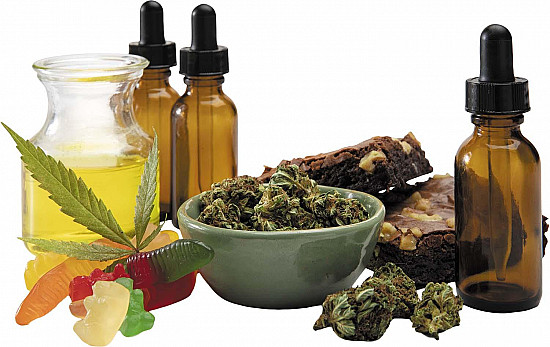
Cannabis contains more than 100 cannabinoids, but THC and cannabidiol, or CBD, receive most of the attention. THC produces the “high” associated with marijuana and has the clearest immediate effects on heart rate, blood pressure, and nervous-system activity. CBD is not intoxicating, but that does not automatically make it harmless or free from medication interactions.
THC Activates the Body’s Stress Response
THC can stimulate the sympathetic nervous system, which controls the familiar “fight or flight” response. This may raise the heart rate, increase cardiac workload, and temporarily elevate blood pressure. Blood vessels may also dilate, causing dizziness or a sudden blood-pressure drop when a person stands up. The result can be a strange cardiovascular tug-of-war: the heart is working harder while blood pressure may be moving unpredictably.
The Centers for Disease Control and Prevention notes that cannabis can make the heart beat faster and raise blood pressure immediately after use. Harvard Health and the American College of Cardiology have also described increased heart rate, greater oxygen demand, changes in vascular tone, and possible effects on platelet activity and blood-vessel function.
Smoke Adds Another Layer of Risk
Burning cannabis produces smoke containing fine particles, carbon monoxide, tar, and other combustion byproducts. Although marijuana and tobacco are different plants, lungs and arteries are not impressed by botanical distinctions. Inhaling smoke can reduce oxygen delivery, irritate blood vessels, promote inflammation, and expose the cardiovascular system to chemicals that may contribute to vascular injury.
Smoking cannabis deeply or holding the smoke in the lungs does not make it gentler. It may increase exposure to combustion products. The American Heart Association recommends avoiding the smoking or vaping of any substance because inhalation can expose the lungs and cardiovascular system to potentially harmful chemicals.
What Recent Research Says About Cannabis and Heart Risk
One of the largest recent studies used survey data from nearly 435,000 American adults. Compared with people who did not use cannabis, daily users had 25% higher adjusted odds of reporting a heart attack and 42% higher adjusted odds of stroke. Weekly use was associated with smaller increases. The pattern was dose-related: the more days cannabis was used each month, the higher the observed cardiovascular risk.
The findings remained concerning even among adults who had never smoked tobacco. However, the study was observational. It identified an association rather than proving that cannabis directly caused each cardiovascular event. Self-reported use, unknown product potency, unmeasured lifestyle factors, and the possibility of other substance use remain important limitations.
Heart Attack Risk May Rise Shortly After Use
Earlier research suggested that the chance of a heart attack may briefly rise during the first hour after cannabis consumption. A 2025 systematic review and meta-analysis presented by the American College of Cardiology pooled 12 studies involving more than 75 million people. Active cannabis users were approximately 1.5 times as likely to experience a heart attack as nonusers, although the researchers could not consistently adjust for tobacco, other drugs, dose, or duration of cannabis use.
Possible explanations include a faster heart rate, greater oxygen demand, coronary artery spasm, reduced blood-vessel flexibility, inflammation, and changes in clotting. None of these mechanisms has been established as the single answer. The heart, unhelpfully, appears capable of finding several ways to object.
The Evidence Is Concerning but Not Uniform
Not every study reaches the same conclusion. A 2025 analysis of more than 4,000 older veterans found no significant association between recent cannabis use and a combined outcome of heart attack, stroke, or cardiovascular death during approximately three years of follow-up. Another meta-analysis found a significant association with combined adverse cardiovascular events but not statistically conclusive associations with heart attack or stroke when those outcomes were examined separately.
These differences do not mean that cannabis has been declared heart-safe. They demonstrate how difficult the topic is to study. Cannabis users differ in age, tobacco exposure, alcohol use, underlying health, frequency of use, product strength, and route of administration. “Cannabis use” might mean two low-dose edibles per month for one participant and several high-potency inhalations every day for another. Placing both people in the same category is scientifically convenient but medically clumsy.
Does the Method of Cannabis Use Change the Risk?
Smoking
Smoking combines THC’s cardiovascular effects with combustion-related exposure. It may increase heart rate, affect blood pressure, reduce oxygen delivery, and expose arteries to irritants. For people concerned about cardiovascular health, smoking is generally considered the least desirable route.
Vaping and Dabbing
Vaping avoids some combustion products, but it is not a cardiovascular safety shield. THC still enters the bloodstream, and concentrates used for vaping or dabbing may contain very high doses. A person can inhale far more THC than expected before deciding the product is “not working,” shortly before discovering that it was, in fact, working overtime.
Research on cannabis inhalation has found increases in heart rate and blood pressure regardless of whether the product was smoked or vaporized. Vaping products may also contain contaminants or additives, and THC vaping has been linked to serious lung injury.
Edibles
Edibles eliminate smoke exposure, but they do not eliminate THC’s effects on the cardiovascular system. Their delayed onset can encourage “dose stacking,” in which a person eats more because the first serving appears inactive. Effects may then arrive together and last much longer than expected.
A high edible dose can cause a rapid heartbeat, anxiety, dizziness, nausea, confusion, or blood-pressure changes. Panic can further raise heart rate and make it difficult to distinguish anxiety from a true cardiac emergency. Anyone with persistent chest pressure, fainting, severe shortness of breath, or neurologic symptoms should seek emergency care rather than attempting a self-diagnosis from the couch.
CBD Products
CBD does not usually create the same intoxicating effects as THC, but over-the-counter CBD products are not necessarily standardized or accurately labeled. Some may contain unexpected THC. CBD can also affect liver enzymes that metabolize prescription drugs, potentially changing medication levels.
The Food and Drug Administration warns that CBD may cause liver injury and interact with other medicines. Potentially relevant drugs include anticoagulants, antiarrhythmics, blood-pressure medicines, statins, transplant medications, and sedatives. Anyone taking cardiovascular medication should discuss CBD with a physician or pharmacist rather than assuming that “natural” means “won’t interfere with anything.” Poison ivy is natural too, and nobody puts it in a wellness smoothie.
Who May Face the Greatest Cardiovascular Risk?
The potential danger is not evenly distributed. Cannabis may be especially concerning for people with:
- Coronary artery disease, angina, or a previous heart attack
- Heart failure or weakened heart muscle
- Atrial fibrillation or another rhythm disorder
- Uncontrolled high blood pressure
- A history of stroke or transient ischemic attack
- Diabetes, high cholesterol, or multiple cardiovascular risk factors
- Frequent dizziness, fainting, or low blood pressure
- A recent cardiac procedure or heart transplant
- Use of anticoagulants, antiarrhythmics, beta-blockers, statins, or transplant drugs
Older adults deserve particular attention. Cannabis use has increased among this population, but aging also brings a higher likelihood of atherosclerosis, rhythm disorders, blood-pressure problems, and multiple prescriptions. A product tolerated years earlier may produce a very different response after coronary disease or medication changes enter the picture.
People with established heart disease may develop chest pain more quickly after smoking cannabis because the heart is working harder while oxygen delivery may be impaired. Studies have also associated cannabis use disorder in older adults with cardiovascular risk factors with a higher likelihood of major cardiac or cerebrovascular events.
Warning Signs That Require Immediate Medical Attention
Do not assume every alarming symptom after cannabis use is “just the weed.” Call 911 in the United States or seek emergency help for:
- Chest pressure, squeezing, heaviness, or persistent chest pain
- Pain spreading to the arm, back, shoulder, neck, or jaw
- Severe or unexplained shortness of breath
- Fainting, near-fainting, or sudden extreme weakness
- A sustained racing or irregular heartbeat with dizziness
- Sudden facial drooping, arm weakness, or speech difficulty
- A severe new headache, confusion, or loss of coordination
Tell emergency clinicians what was used, how much, when it was taken, and whether tobacco, alcohol, stimulants, or other substances were involved. Medical teams need accurate information, not a courtroom confession. Their priority is choosing the right treatment quickly.
Practical Ways to Reduce Risk
The most reliable way to avoid cannabis-related cardiovascular effects is not to use cannabis. For people who continue using it, risk reduction begins with an honest conversation with a healthcare professionalespecially when heart disease, high blood pressure, fainting, rhythm problems, or cardiovascular medications are involved.
Know the Product and the Dose
High-THC concentrates may produce stronger cardiovascular effects than lower-potency products. Avoid mixing multiple products or taking another edible before the first dose has had sufficient time to act. Product labels are not always accurate, so a familiar package does not guarantee a perfectly predictable dose.
Avoid Mixing Cannabis With Other Stressors
Nicotine, cocaine, amphetamines, energy drinks, and some decongestants can also increase heart rate or blood pressure. Combining them with cannabis may add cardiovascular strain. Alcohol can worsen dizziness, impaired judgment, and accidental overconsumption.
Do Not Exercise Through Concerning Symptoms
Using cannabis before intense exercise may mask discomfort while increasing heart rate. Anyone who develops chest pain, unusual breathlessness, palpitations, or dizziness should stop exercising and obtain medical guidance. “Pushing through” is a fitness slogan, not an emergency-care plan.
Review Medications With a Professional
Provide a physician or pharmacist with the product name, THC and CBD amounts, frequency, and route of use. This information can help identify interactions and determine whether additional blood-pressure checks, rhythm monitoring, or medication adjustments are appropriate.
How to Discuss Cannabis With Your Doctor
A useful conversation should include more than a yes-or-no question about marijuana. Be specific:
- How many days per week or month do you use cannabis?
- Do you smoke, vape, dab, eat, or drink it?
- How much THC and CBD does the product claim to contain?
- Have you experienced palpitations, dizziness, chest discomfort, anxiety, or fainting?
- Do you combine it with nicotine, alcohol, stimulants, or prescription medicine?
- Are you using it recreationally or to manage pain, sleep, nausea, or another symptom?
If cannabis is being used to manage a medical concern, the discussion should also cover evidence-based alternatives. Suddenly stopping heavy, regular use may cause irritability, insomnia, anxiety, appetite changes, or other withdrawal symptoms, so people who struggle to reduce use may benefit from professional support.
Conclusion: The Heart Deserves a Cautious Approach
Cannabis is neither a harmless herb nor a guaranteed cardiovascular catastrophe. It is a biologically active substance whose effects depend on THC concentration, dose, route, frequency, other substances, medications, and the user’s underlying health.
The strongest recent evidence suggests that frequent cannabis use is associated with higher odds of heart attack, stroke, and other cardiovascular events. Researchers still need better prospective studies that measure exact doses, product composition, routes of administration, and long-term outcomes. Scientific uncertainty, however, is not the same thing as evidence of safety.
People with heart disease or multiple risk factors should be particularly cautious and should discuss cannabis use with a knowledgeable healthcare professional. No method of THC consumption has been proven completely safe for the cardiovascular system. When symptoms such as chest pressure, fainting, severe shortness of breath, or sudden neurologic changes appear, treat them as emergenciesnot as an inconvenient interruption to an otherwise relaxing evening.
Real-World Experiences and Practical Lessons
The following composite scenarios illustrate situations commonly discussed in clinical care. They are educational examples, not accounts of specific individuals and not substitutes for personal medical advice.
Experience One: The Edible That Arrived Late
A 62-year-old man with controlled high blood pressure tries a THC gummy for sleep. After 45 minutes, he feels nothing and takes another. An hour later, both doses begin working. His heart feels as though it has entered a drum solo, and he becomes dizzy when standing. His home blood-pressure monitor shows a higher pulse than usual, which increases his anxiety and pushes the pulse even higher.
After an urgent medical evaluation rules out a heart attack and dangerous rhythm disturbance, he learns several lessons. Edibles can take much longer to act than inhaled cannabis, a delayed effect does not mean the dose failed, and anxiety can amplify an already elevated heart rate. He also discovers that his “10-milligram gummy” was intended to be divided into smaller servings. The decorative line through the middle was not merely artistic ambition.
Experience Two: Chest Pressure After Smoking
A 47-year-old woman occasionally smokes cannabis for back pain. She also has high cholesterol and a strong family history of early heart disease. One evening, she notices chest pressure and discomfort in her left shoulder shortly after smoking. Because she assumes cannabis is causing harmless anxiety, she waits for the feeling to disappear.
When the discomfort persists, her partner calls emergency services. Testing reveals a coronary problem requiring treatment. Cannabis may or may not have been the sole cause, but the timing suggests that increased heart rate, oxygen demand, smoke exposure, or vascular changes could have helped trigger symptoms in someone who already had unrecognized disease.
The practical lesson is simple: cannabis does not grant immunity from ordinary medical emergencies. Chest pressure after use should be evaluated based on the symptoms and the person’s risk factors, not dismissed because a psychoactive substance is present.
Experience Three: CBD and a Medication Surprise
A 70-year-old patient taking several cardiovascular medications begins using an over-the-counter CBD oil for arthritis. The label promises calm joints, peaceful sleep, and enough botanical imagery to suggest the bottle was personally approved by a forest. During a routine appointment, laboratory tests and medication monitoring reveal changes that prompt a closer review.
The patient had not mentioned CBD because it was sold without a prescription. A pharmacist explains that CBD can alter the enzymes responsible for processing certain medications. The healthcare team recommends discontinuing the unreviewed product and monitoring the patient more closely.
This experience highlights an important communication gap. Many people do not think of cannabis oils, gummies, beverages, and topical products as medications. Yet doctors and pharmacists need to know about them for the same reason they need to know about vitamins and herbal supplements: biologically active substances can interact with one another whether or not they arrived in a prescription bottle.
Experience Four: Palpitations in a Healthy Adult
A healthy 29-year-old uses a high-potency vape at a social gathering and develops a rapid, pounding heartbeat. The sensation lasts long enough to cause intense fear but resolves before medical testing identifies a dangerous rhythm. The episode does not prove permanent heart damage, yet it changes how the person views concentrated THC.
Young age lowers the baseline likelihood of cardiovascular disease, but it does not eliminate acute reactions. Product potency, dehydration, sleep deprivation, caffeine, nicotine, anxiety, and genetic susceptibility can all shape the experience. A person who repeatedly develops palpitations after cannabis use should not simply become more skilled at ignoring them. Recurrent symptoms deserve medical assessment.
What These Experiences Have in Common
Each scenario involves a different product and risk profile, but the recurring themes are delayed recognition, uncertain dosing, incomplete communication, and the assumption that cannabis-related symptoms cannot be medically serious. Safer decision-making starts with accurate labels, lower exposure, avoidance of smoke and drug combinations, medication review, and prompt attention to warning signs.
The broader takeaway is not that every cannabis user will experience a cardiovascular emergency. Most will not. The lesson is that individual risk is difficult to predict, and a previously uneventful experience does not guarantee that the next dose will produce the same response. Changes in potency, health, medications, hydration, and age can rewrite the script without asking permission.
SEO Information