
A great yard does not happen because someone waved a rake like a magic wand and whispered, “Be lush.” It happens because small, smart habits stack up over time. The good news is that caring for your yard does not require a botany degree, a golf-course budget, or the emotional resilience of a person who enjoys untangling hoses. What it does require is a little observation, some seasonal timing, and a willingness to work with your space instead of fighting it.
If you want greener grass, healthier trees, fewer weeds, better curb appeal, and a yard that feels like a place you actually want to use, the basics matter most. Think proper mowing, sensible watering, mulching the right way, feeding the soil, and choosing plants that fit your conditions. In other words, yard care is less about dramatic rescues and more about preventing drama in the first place.
This guide breaks down the most practical ways to care for your yard, whether you have a modest suburban lawn, a patchy backyard with attitude, or a full landscape with beds, shrubs, and a tree that seems personally offended by your pruning shears. Let’s make your yard healthier, cleaner, and much easier to manage.
Start With the Yard You Actually Have
Before you buy seed, fertilizer, mulch, edging, gloves, and three tools you will absolutely forget in the garage by July, take a good look at your yard. The best yard care plan starts with site assessment. That means noticing how much sun each area gets, where water collects, where the soil stays dry, where grass struggles, and where roots, shade, pets, kids, or foot traffic create stress.
A sunny front lawn, a shady side yard, and a backyard slope should not be treated like identical twins in matching sneakers. They have different needs. Grass growing under dense shade usually thins out for a reason. A soggy low spot may need drainage help, not more seed. A tree ring that constantly gets clipped by the mower is not asking for sympathy; it is asking for mulch.
Pay attention to your soil, too. Clay soil holds water longer, sandy soil dries out faster, and compacted soil makes life hard for roots. If your yard struggles no matter what you do, a soil test can save you from guessing. It helps you understand pH, nutrient levels, and whether your lawn really needs fertilizer or just a break from well-meaning overcorrection.
Lawn Care Basics That Make the Biggest Difference
Mow Smarter, Not Shorter
One of the most common yard-care mistakes is mowing grass too short. It seems logical at first. Cut it low, mow less often, enjoy extra free time. Unfortunately, grass does not interpret this as efficiency. It interprets it as an attack.
Short mowing weakens roots, stresses turf, and opens the door to weeds and drought problems. A healthier approach is to keep most lawns on the taller side for the grass type in your region and avoid removing more than one-third of the blade at one time. That simple rule protects the plant’s energy supply and helps the lawn stay denser.
Taller grass also shades the soil, which helps hold moisture and makes it tougher for weed seeds to sprout. During hot weather, raising the mower height a bit can make a surprisingly big difference. If your lawn turns cranky in summer, do not scalp it and expect gratitude.
Also, sharpen your mower blade. A dull blade tears grass instead of cutting it cleanly, which makes the lawn look ragged and can increase stress. Clean cuts recover faster and look better. Your lawn may not send a thank-you card, but it will stop looking like it lost a bar fight.
Water Deeply, Not Constantly
When it comes to watering your yard, more is not always better. Frequent shallow watering encourages shallow roots, and shallow roots create needy grass. That is how you end up with a lawn that panics every time the weather app says “sunny.”
A better strategy is deep, less frequent watering. For many lawns, about an inch of water per week, including rainfall, is a useful rule of thumb, though local conditions matter. Early morning is typically the best time to water because temperatures are lower, evaporation is reduced, and the grass has time to dry during the day. Evening watering can leave turf damp longer, which may encourage disease.
If you are unsure how much water your sprinkler system is actually delivering, set out a few shallow containers and measure. That quick test is far more useful than guessing based on vibes. And if rain is in the forecast, skip the sprinklers. Your water bill and your conscience will both feel lighter.
Leave the Clippings, Skip the Guilt
Grass clippings are not the enemy. When they are short and evenly distributed, they break down and return nutrients to the lawn. That means less waste and a small boost for soil health. Bagging every single clipping is usually unnecessary unless the grass is overly long, wet, or clumping in thick mats.
Just do not leave piles on sidewalks, driveways, or streets. Sweep them back into the lawn or beds instead of letting them wash into storm drains. Good yard care is not only about how your property looks; it is also about how your choices affect the area around it.
Fertilize With a Plan
Fertilizer can help a lawn thrive, but it is not a magic green powder and it definitely should not be applied with the energy of someone seasoning fries. More fertilizer does not mean more health. In fact, over-fertilizing can push too much leaf growth, increase thatch, and create weak, stress-prone turf.
The smartest approach is to match fertilizer use to soil needs and grass type. Slow-release products are often a practical choice because they feed more steadily rather than all at once. If your lawn is already growing vigorously and looks healthy, it may need less help than the marketing on the bag suggests.
And always sweep fertilizer off hard surfaces after application. Those pellets belong in the yard, not washing into drains the next time it rains.
Care for the Beds, Trees, and Shrubs Too
Mulch Like a Pro, Not Like a Volcano Artist
Mulch is one of the best tools in your yard-care toolbox. It helps retain moisture, suppress weeds, moderate soil temperature, and reduce competition around trees and shrubs. It also makes planting beds look polished and intentional, which is a nice bonus when you want your yard to appear “well maintained” rather than “lightly supervised.”
But mulch has rules. A two- to three-inch layer is often ideal for many beds and around trees. More is not automatically better. Piling mulch high against trunks or stems, known as volcano mulching, traps moisture where it should not, invites rot and pests, and can create long-term plant problems.
Instead, spread mulch in a wide, even ring and keep it pulled back from trunks, crowns, and stems. Think donut, not volcano. Trees especially appreciate mulch rings because they reduce competition from turf and help protect trunks from mower and string-trimmer damage.
Prune With Purpose
Pruning is not random haircut day for plants. Done well, it improves structure, removes dead or damaged growth, encourages airflow, and keeps shrubs and trees healthy. Done badly, it can reduce flowering, stimulate weak growth, or leave plants looking like they lost an argument with hedge clippers.
The timing matters. Spring-flowering shrubs are usually best pruned right after they bloom, because they often set buds on older wood. Many summer-flowering plants can be pruned later. Dead, broken, or hazardous branches should be removed promptly, but heavy shaping should be done with a little knowledge and a lot less enthusiasm.
If you are constantly cutting a shrub back to stop it from swallowing the walkway, the real problem may be plant selection, not pruning technique. The right plant in the right place will always be easier to maintain.
Give New Trees and Shrubs a Strong Start
New plantings need extra attention, especially during their first year or two. Water them deeply over the root zone, keep turf and weeds away from the base, and maintain a proper mulch ring. Grass is fierce competition for moisture and nutrients, especially around young woody plants trying to establish roots.
If you plant a new tree and then expect it to survive on inspirational speeches and occasional rain, you may be disappointed. Establishment takes consistent care. The goal is not constant soaking, but steady moisture and reduced stress while roots expand.
Choose Plants That Fit the Site
Sometimes the best way to care for your yard is to stop demanding that every inch behave like a perfect lawn. Some areas are better suited to ground covers, shrubs, native plantings, pollinator beds, or mulch paths. A deeply shaded strip beside the house may never become a glamorous patch of turf, and that is okay.
Matching plants to sun, soil, drainage, and climate reduces maintenance dramatically. It also cuts down on water use, fertilizer dependence, and pest issues. Native and regionally adapted plants can be especially helpful because they are often better prepared for local weather swings and wildlife interactions.
In practical terms, this might mean replacing a chronically patchy slope with ornamental grasses and deep-rooted perennials, turning a wet corner into a rain-friendly planting zone, or enlarging tree rings where turf always fails. A smarter layout can save money, time, and a surprising amount of frustration.
Control Weeds and Pests Without Starting a Chemical Olympics
Every yard has weeds, pests, or diseases eventually. The trick is not to panic and spray everything that moves. A better system is integrated pest management, often called IPM. That means identifying the actual problem, understanding why it is happening, and choosing the least risky effective solution first.
Sometimes the answer is cultural, not chemical. A denser lawn from proper mowing may crowd out weeds. Mulch can reduce weed pressure in beds. Better airflow and morning watering can lower disease risk. Hand-pulling a small weed outbreak is often more sensible than declaring war with a pump sprayer and questionable aim.
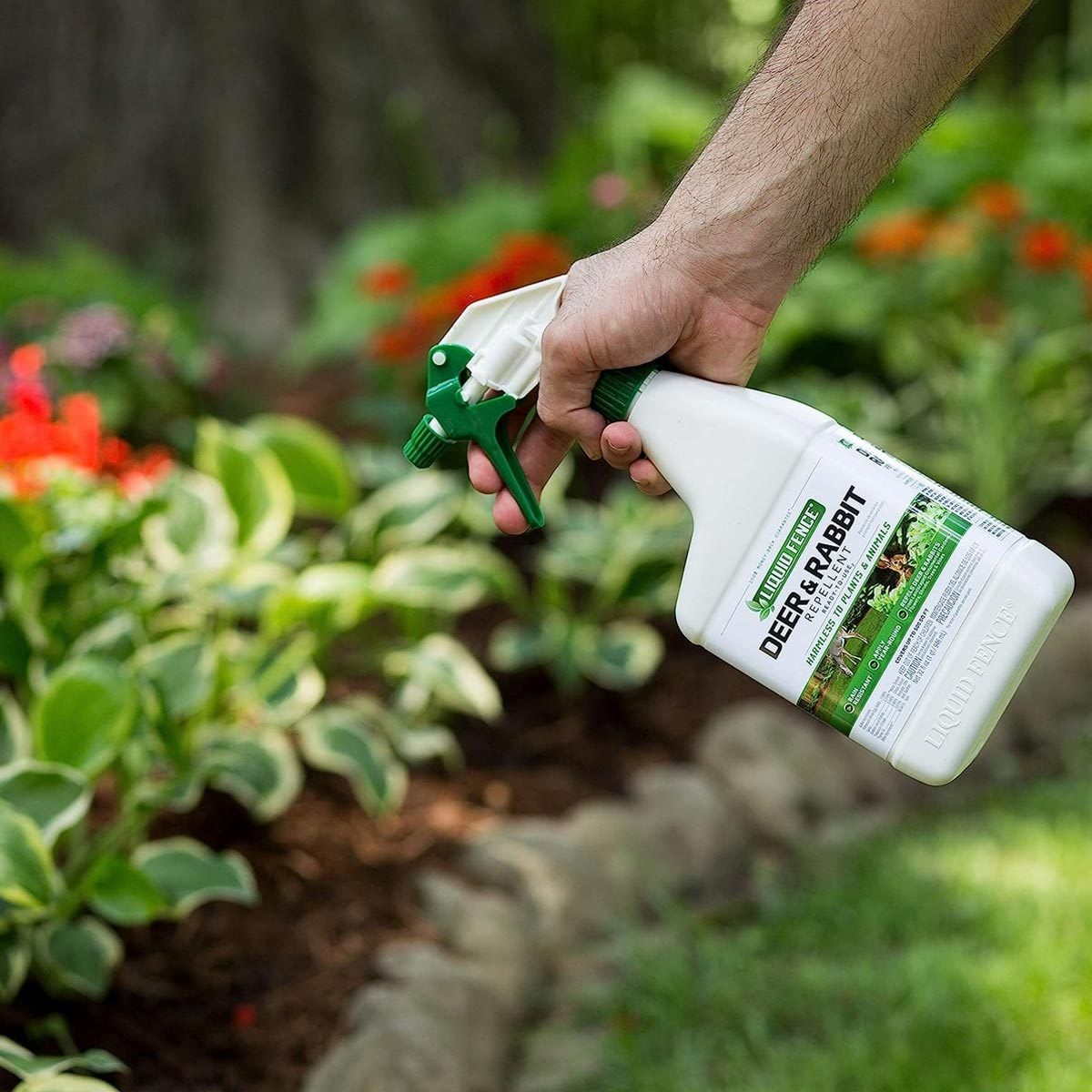
If you do use treatments, spot-treat rather than blanket-apply whenever possible. Read labels carefully, protect desirable plants, and avoid unnecessary applications. The healthiest yards are usually built on prevention, not constant rescue missions.
A Simple Seasonal Yard Care Routine
Spring
Clean up winter debris, edge beds, refresh mulch where needed, check irrigation, and begin mowing as growth picks up. Spring is also a good time to inspect for compaction, bare spots, and drainage issues. If your lawn needs aeration or overseeding, timing depends on your grass type and region, but spring is often a key planning season.
Summer
Raise mower height during heat, water deeply when necessary, and keep an eye on stressed new plantings. Pull weeds early before they seed. Resist the urge to over-fertilize during extreme heat. Summer yard care is mostly about protecting what you already built in spring.
Fall
Fall is prime time for many lawn improvements, especially for cool-season grass regions. It is also ideal for planting many trees and shrubs, dividing some perennials, and removing thick layers of leaves from turf. Shredded leaves can often be mulched into the lawn or composted instead of hauled away.
Winter
Winter is quieter, but not useless. It is a good time to sharpen mower blades, service tools, evaluate what worked, and rethink trouble spots. If a section of your yard failed three summers in a row, winter is when honest redesign decisions happen.
Common Yard-Care Mistakes to Avoid
- Mowing too short because it seems convenient
- Watering lightly every day instead of deeply and less often
- Piling mulch against trunks and stems
- Fertilizing without a plan or soil knowledge
- Ignoring compaction in high-traffic areas
- Choosing plants based on looks alone, not site conditions
- Spraying first and identifying the problem later
- Assuming every bare patch needs more grass seed
Yard care gets easier when you stop chasing perfection and start building resilience. A healthy yard is not one that looks flawless every day of the year. It is one that can handle heat, foot traffic, dry spells, storms, and the occasional missed weekend without falling apart like a dramatic reality show contestant.
Experiences Related to Caring for Your Yard
One of the most useful lessons people learn about caring for a yard is that improvement rarely comes from one giant weekend of overachievement. It usually comes from noticing patterns. For example, many homeowners spend their first year treating every brown patch like a mystery worthy of detective music. Then they realize the same patch burns out every summer because the sprinkler barely reaches it, or because the dog has selected it as a personal monument. Once you understand the pattern, the fix becomes much simpler.
A common experience is learning that the yard has microclimates. The front yard may bake in afternoon sun, while the back fence stays cool and damp. The strip near the driveway may dry out faster because of reflected heat. The shady area under a mature tree may never support thick grass no matter how much seed you throw at it. People often become better yard caretakers the moment they stop treating the whole property as one flat green unit and start seeing it as a collection of small environments.
Another real-world lesson is that mowing habits shape the yard more than most people expect. Many homeowners notice a big improvement after doing just two things: mowing a little higher and sharpening the blade. The lawn often looks fuller, weeds have less room to move in, and the grass handles hot weather better. It is not a glamorous breakthrough, but it is a dependable one. Yard care is full of unglamorous breakthroughs, which is both humbling and weirdly comforting.
There is also the experience of discovering that mulch solves more problems than expected. Around trees, it reduces mower damage. In beds, it cuts down on weeds and watering. Around new shrubs, it helps them settle in without fighting nearby turf. At some point, many gardeners also discover mulch’s dark side: using too much of it. That is when the innocent plan to “freshen up the beds” turns into trunks buried in damp bark like tiny plant volcano sacrifices. Once you have seen bad mulch in action, you never forget it.
People who care for their yards over several seasons also learn patience. Newly planted shrubs may look underwhelming at first. Overseeded lawn areas may need time to fill in. Drainage improvements may take a full season of storms before you can really judge them. Yard care rewards consistency far more than impatience. The people with the nicest yards are often not the ones doing the most. They are the ones doing the right things at the right times, over and over, without expecting overnight miracles.
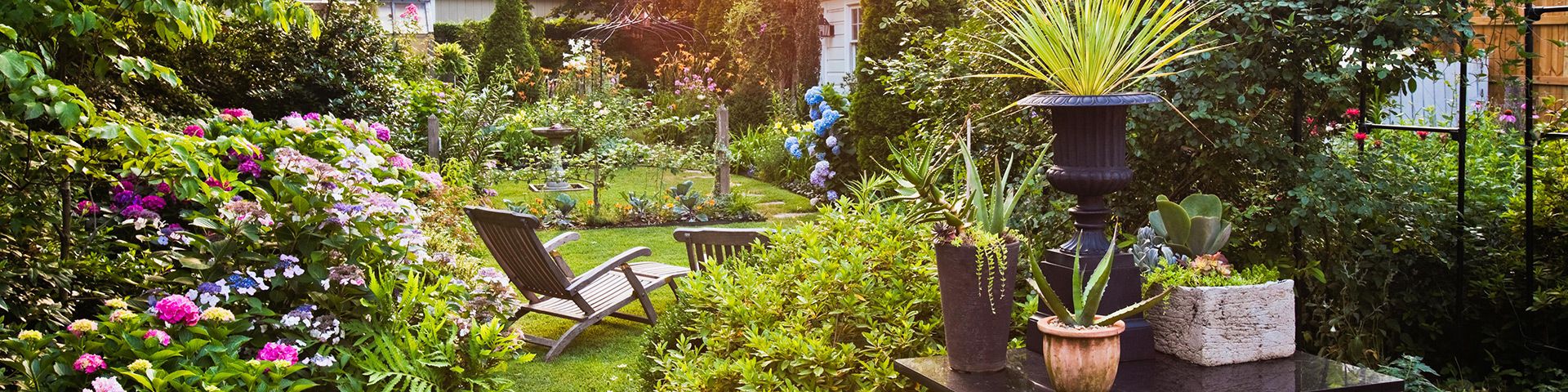
Perhaps the most relatable experience of all is realizing that a “perfect” yard is not necessarily the most enjoyable one. Many people start out chasing a magazine look and end up preferring a yard that feels comfortable, functional, and alive. Maybe that means a tidy lawn with room for kids to run. Maybe it means fewer lawn areas and more native plants, birds, and pollinator flowers. Maybe it means a shady sitting spot under a healthy tree and beds that do not need constant rescuing. Caring for your yard becomes much more satisfying when the goal shifts from impressing strangers to creating an outdoor space that actually works for your life.
Conclusion
Caring for your yard is really about stewardship. When you mow properly, water wisely, mulch correctly, prune with intention, and choose plants that suit the site, you create a healthier landscape that looks better and asks for less emergency intervention. That is the sweet spot: a yard that is attractive, resilient, and manageable.
You do not need to do everything at once. Start with the habits that offer the biggest return. Raise the mower, water more strategically, fix the mulch, observe problem spots, and stop wasting energy on areas that want to be something other than lawn. Over time, those small choices build a yard that feels less like a chore and more like a place worth enjoying.