
Note: This article is an original editorial-style synthesis based on current U.S. lifestyle, fashion, beauty, food, design, and garden reporting. It is written for web publication in standard American English.
There is a very specific mood that arrives when life is between settings. Not fully winter, not fully spring. Not minimalist, not maximalist. Not “I have my life together,” but not “I’m eating crackers over the sink again,” either. It is the season of being on the cuspthat delicious, slightly dramatic stretch when your closet wants air, your kitchen wants acid and herbs, your home wants one vintage lamp that looks like it has opinions, and your brain wants a reset that feels more poetic than practical.
That is what current obsessions look like right now: softer lines, warmer textures, better ingredients, more sunlight, less chaos, and a growing suspicion that maybe the best glow-up is not a total reinvention. Maybe it is a series of small upgrades that make everyday life feel more considered. A brown ballet flat instead of another sneaker. A blurred lip instead of a sharply outlined one. A bowl of peas, lemon, and herbs that tastes like the weather finally got the memo.
“On the cusp” is not just a seasonal feeling. It is a lifestyle category. It is the emotional support trench coat of modern living. And lately, it seems to be shaping everything from fashion and beauty to interiors, cooking, and the way we think about our own routines. So let’s talk about the obsessions defining this liminal momentand why they feel so right.
The Mood of the Moment: Softer, Warmer, More Human
If there is one thread tying together the current obsession cycle, it is this: people want life to look polished without feeling sterile. We are collectively drifting away from anything too harsh, too loud, too optimized, or too obviously performative. The new appeal is subtlety with character. Think clothes that move, makeup that diffuses instead of shouts, interiors that look lived-in rather than staged, and meals that feel seasonal without turning dinner into a personal TED Talk.
That may be why “on the cusp” feels like the perfect phrase for now. It captures transition, yes, but also restraint. The best new ideas are not demanding a full costume change. They are whispering from the doorway. They are saying, “Maybe try this softer jacket. Maybe buy fewer things, but better ones. Maybe put flowers in a juice glass and call it a centerpiece.” Frankly, that is the kind of emotional manipulation I support.
This mood is also practical. People are making smaller, smarter changes. A room gets revived with one textured textile, one better lamp, one vintage side table. A face gets updated with watercolor blush and blurred lips instead of a 14-step contour operation. A wardrobe gets refreshed with light layers, easy flats, and earthy tones instead of a panic-buy spiral at 1:12 a.m. That is the cusp mentality: not excess, not austerityjust enough transformation to feel the shift.
Fashion Obsession No. 1: Soft Structure Wins
Fashion right now is obsessed with contradiction, in the best way. Tailoring is back, but it is less boardroom and more breathable intelligence. The sharpness has been sanded down. The mood is relaxed structure: jackets with clean lines but softer attitude, trousers that skim instead of squeeze, and layers that feel deliberate without looking overworked. The effect is grown-up, but not grim.
It makes sense that transitional pieces are getting all the attention. Brown ballet flats are having a major moment because they hit that sweet spot between elegance and ease. They are less severe than black, more interesting than beige, and somehow manage to say, “I care,” without screaming, “I suffered for this look.” Funnel-neck jackets and sleek spring outerwear are feeding the same appetite. They are functional enough for unpredictable weather, but cool enough to make you feel like you have a plan even if your actual plan is buying coffee and wandering around a bookstore for too long.
There is also a growing love for softer boho and gentle nostalgia. Not costume bohothe kind that looks like you accidentally joined a traveling tambourine troupe. This version is more refined: fluid skirts, artisanal textures, scarf details, suede, washed color, and a little movement. It feels romantic but not fussy. Add a striped tee, wide-leg trousers, or a lightly oversized blazer, and suddenly the whole thing lands in that perfect “I just threw this on” zone that absolutely nobody ever truly throws on.
What It Looks Like in Real Life
The easiest way to wear this obsession is to build around one soft-structure piece. A lightweight trench. A supple leather bomber. A pair of dark or earth-toned denim with a crisp shirt. A ballet flat with a roomy trouser. These are not revolutionary items. That is exactly the point. The current obsession is not novelty for novelty’s sake. It is upgrading the familiar until it feels newly intelligent.
The woman in this style story is not trying to look trendy in an obvious way. She looks like she owns a very good hand cream, has strong opinions about olive oil, and might say the phrase “let’s circle back,” but only when absolutely necessary.
Beauty Obsession No. 2: Diffused, Luminous, and Slightly Undone
If fashion is getting softer, beauty is positively exhaling. The current face of obsession is less about perfection and more about atmosphere. Blurry makeup, watercolor blush, golden-hour skin, micro eyeliner, soft pink lipsthese trends are popular because they make the face look lived-in, romantic, and expressive instead of stamped into place.
Blurred beauty is especially compelling because it feels human. A diffused lip looks modern because it does not pretend to be machine-made. A soft wash of blush feels fresh because it mimics circulation, mood, movement. Even the hair trends lean this way. The most talked-about colors are refined, low-maintenance, and tailored rather than dramatic for the sake of drama. Think warm dimensional brunette, softened blonde, muted reds, and those expensive-looking in-between shades that suggest a talented colorist and a realistic maintenance schedule shook hands.
This beauty mood works because it fits the emotional landscape of the moment. People still want polish, but not pressure. Glow, but not grease. Color, but not clownery. The obsession is no longer “How do I look flawless?” It is “How do I look like myself on a very good day?” That question is infinitely more flattering.
The New Vanity Table Energy
The products people are gravitating toward tend to do more with less: skin tints that actually resemble skin, blushes that melt instead of sit there like a tiny pink accusation, and lip colors that look better after they have been on for an hour. The result is beauty that behaves like a mood enhancer instead of a mask.
And honestly, that is peak cusp behavior. You are not trying to become someone else. You are trying to look like the version of yourself who drinks more water, answers texts eventually, and maybe remembers where the sunglasses went.
Home Obsession No. 3: Character Over Perfection
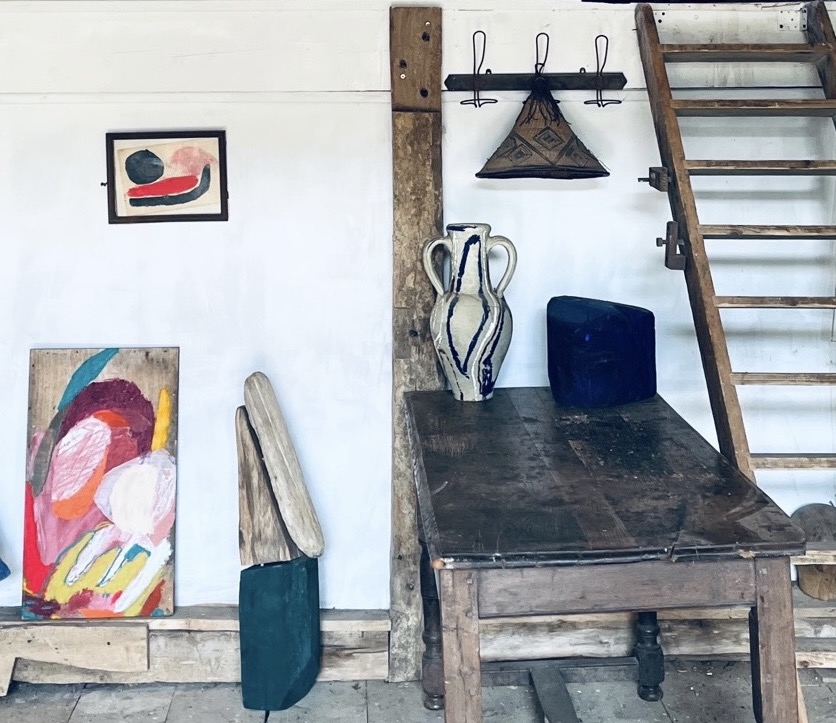
Interiors are going through a wonderfully overdue personality recovery. After years of hyper-minimal rooms that looked suspiciously like they had never hosted an actual human being, the obsession has shifted toward spaces with warmth, texture, and evidence of life. Vintage pieces, artisanal details, layered textiles, warm woods, natural materials, and rooms that feel collected rather than cloned are driving the conversation.
That does not mean homes are becoming messy or chaotic. It means they are becoming more forgiving. A wall clock can be charming again. A vintage lamp is not just lightingit is biography. Richer textiles are replacing overly generic neutrals. Natural materials and warmer tones are pushing back against the cold, flattened sameness that dominated the algorithmic era of interiors.
There is also a practical side to this obsession. Instead of massive makeovers, people are leaning into micro-renovations and high-impact spring resets. Paint something. Rearrange the entry. Refresh the patio. Rotate the bedding. Add one chair in a bolder color. Upgrade the lighting. These are manageable moves, which is probably why they are so seductive. They let you feel the shift without applying for emotional bankruptcy.
What “On the Cusp” Looks Like at Home
A cusp-era home is balanced. It does not worship minimalism, but it is not a flea market ambush, either. It might have linen curtains, a stack of books with embarrassing but sincere taste, a bowl of lemons that may or may not be decorative, and one object you bought because it was beautifully made rather than because it matched the rug. There is usually a reading corner. There is definitely a throw blanket with aspirations.
The most interesting spaces right now feel like a conversation between restraint and soul. Vintage furniture, reclaimed pieces, handmade ceramics, textured upholstery, and moodier lighting all add up to a room that says, “A person lives here,” which remains one of the strongest compliments a home can receive.
Kitchen Obsession No. 4: Bright, Green, Briny, and Barely Complicated
Food has entered its own cusp season, and the ingredients are doing most of the talking. Right now, the obsession is with meals that taste awake: asparagus, peas, herbs, preserved lemon, anchovy, radicchio, spring onions, alliums, tender beans, citrus, and all the little sharp, bright, grassy notes that make dinner feel like a window has been opened.
This is not fussy food. It is ingredient-forward food. A spring vegetable galette. An herby green frittata. Pasta primavera with lemon. Beans cooked slowly with alliums and olive oil. Rice dishes punched up with preserved lemon and a salty-savory edge. These dishes feel current because they respect freshness without becoming precious about it.
Even better, they reward attention more than effort. A handful of chopped herbs can rescue a dull plate. Acid can do what extra butter cannot. Bitterness can make richness feel intentional. That is why these flavors are so magnetic in a transition season. They wake up the palate the same way opening the windows wakes up the apartment: suddenly everything feels less stale, including you.
The Real Obsession Is Momentum
There is something psychologically satisfying about seasonal cooking when you are on the cusp of change. You buy herbs and feel organized. You roast carrots and feel competent. You make a lemony pasta with peas and convince yourself you are the sort of person who naturally has white wine in the fridge for deglazing. It is not delusion. It is aspiration with garnish.
And that is why this obsession sticks. It is not just about recipes. It is about the emotional lift of cooking food that tastes brighter, greener, and more alive. Sometimes the quickest route to feeling better is not a new personality. It is a better lunch.
Garden Obsession No. 5: Signs of Life, Everywhere
No category captures the cusp feeling better than gardening. Garden obsessions right now are basically hope with dirt on it. Fast-growing flowers, cutting gardens, mossy textures, seed-starting, spring greens, and bloom plans that stretch from late spring into fall all reflect the same desire: visible momentum.
That is why even people who do not consider themselves “garden people” suddenly want zinnias, dahlias, or a windowsill situation involving seeds and unreasonable optimism. The appeal is not perfection. It is evidence. One sprout, one bud, one vase of cut stems on the table, and the whole emotional weather changes.
This obsession extends indoors, too. Moss, green tableware, botanical touches, and natural textures are sneaking into the home because people want the feeling of renewal even when they do not have a backyard. It turns out a room can feel springy without becoming pastel nonsense. A little green goes a long way when it is paired with wood, stone, linen, or handmade pottery.
The Charm of Early Growth
The best part of a garden season is not always peak bloom. Sometimes it is the beginningthe tiny proof that something is happening. That is cusp energy in its purest form. You are not there yet, but you are no longer nowhere. There may be no better metaphor for modern life than staring at a pot of soil and feeling weirdly encouraged by a leaf the size of a fingernail.
Why We Love Being “On the Cusp”
So why are these particular obsessions hitting so hard? Because “on the cusp” is emotionally useful. It lets us enjoy anticipation without demanding completion. You do not have to be transformed yet. You just have to be moving. You do not need a new life by Friday. You need one excellent jacket, a softer blush, a lamp with personality, and a dinner that tastes like spring arrived on purpose.
This mindset is a relief. It rejects the exhausting idea that every season requires a total overhaul. Instead, it celebrates adjustment. Small shifts. Better choices. More texture, more light, more flavor, more softness, more soul. It is not about becoming someone unrecognizable. It is about becoming slightly more yourself.
That may be the real obsession underneath all the others: authenticity with editing. We still want beauty. We still want style. We still want homes, meals, and routines that feel aspirational. But we also want them to feel livable. The cusp is where those two desires finally stop fighting.
Experiences From the Edge of a New Season
There is a particular kind of morning that explains this whole obsession better than trend forecasting ever could. The air is not cold enough for your heavy coat, but not warm enough to trust bare arms. You open the closet and ignore the dramatic pieces. Suddenly what you want is the jacket that knows how to behave. The good flats. The jeans that work with everything. Maybe a striped shirt. Maybe a soft sweater. You are not dressing for attention; you are dressing for traction.
Then you make coffee, and even that feels different. You no longer want the dense, wintery breakfast that got you through darker months. You want something with brightness. Toast with ricotta and herbs. Eggs with greens. Fruit that tastes awake. It is a small shift, but the body notices. The brain notices. Your whole day begins to organize itself around the idea that lighter does not have to mean lesser.
That is what being on the cusp feels like in real life: a string of tiny preferences that start telling a larger story. You crack the windows. You change the throw pillows, or at least rotate the one that had been flattened into sadness all winter. You walk past the flower stand and suddenly justify buying stems “for the table,” even though the table has survived just fine without a floral budget. You are not being irresponsible. You are participating in atmospheric maintenance.
Even errands feel different in this mode. You go out for one thing and come home with lemons, parsley, and a candle that smells like fig leaves or wet earth or some other note that suggests you are spiritually prepared for renewal. You stand in line at the grocery store feeling wildly confident because you bought radishes and a shallot. This is the kind of irrational self-esteem I think we should protect.
There is also a social side to cusp living. People start wanting low-stakes gatherings again. Not full production dinners with assigned seating and a menu that requires emotional triage. Just come-over-and-have-something situations. Olives, bread, a bright pasta, a salad with too many herbs, maybe a not-too-sweet dessert. The room does not need to be perfect. In fact, it is better if it is not. A little clutter proves somebody lives there. A slightly mismatched table proves they were more interested in charm than performance.
And on a personal level, the cusp can be surprisingly tender. It is a reminder that growth is often unglamorous while it is happening. Most changes begin quietly. You buy the better lamp. You start wearing blush again. You plant something. You cook differently. You notice what feels heavy and what feels possible. Before long, your surroundings start reflecting the shift back to you. The room gets warmer. Your face looks softer. Your meals taste brighter. Your days gain shape.
That is why current obsessions matter more than they seem to. They are not just products or aesthetics or fleeting editor-approved cravings. They are clues. They reveal how people want to live when they are reaching for something gentler, smarter, and more alive. Being on the cusp is not about waiting for the next version of life to begin. It is about noticing that it already hasone small, beautiful adjustment at a time.
Conclusion
Current Obsessions: On the Cusp is really a story about taste in transition. The best obsessions of the moment are not random. They reflect a larger craving for softness, texture, practicality, and emotional clarity. From soft tailoring and brown ballet flats to blurred makeup, vintage-lit rooms, lemony spring dinners, and early garden optimism, the through line is simple: people want beauty that feels lived with, not merely looked at.
That is what makes this moment so appealing. It is stylish without being stiff. Aspirational without becoming absurd. The cusp is where reinvention gets realisticand therefore more interesting. We are not chasing perfection. We are collecting signals of possibility. A better outfit. A better room. A brighter meal. A little proof that the season is changing, and maybe we are, too.