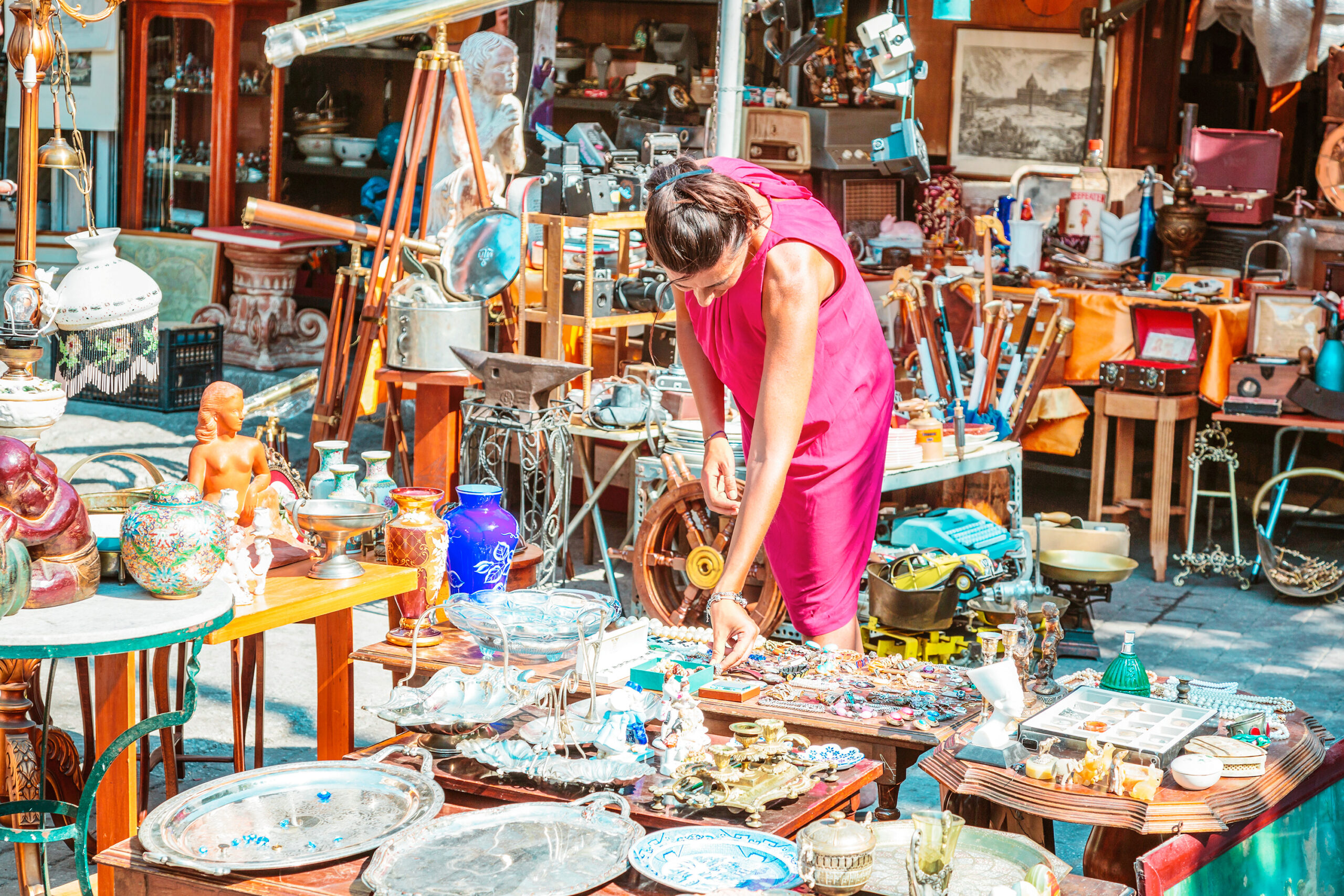

Some people plan vacations around beaches, ski lifts, or restaurants with tiny portions and dramatic lighting. Others plan them around old oak cupboards, hand-thrown pottery, estate jewelry, painted signs, ironstone pitchers, and that mysterious box under a dealer’s table labeled “misc.” That second group understands the joy of destination antiquing: traveling somewhere not just to shop, but to hunt, learn, wander, negotiate, and come home with a story that weighs slightly more than your checked luggage allowance.
Destination antiquing is part road trip, part history lesson, part interior design treasure hunt, and part cardio if the market is large enough. Across the United States, antique towns, flea markets, vintage fairs, and design-focused show fields draw collectors, decorators, resellers, and curious weekend travelers. The best places are not simply “stores with old stuff.” They are ecosystems: dealers with deep knowledge, regional specialties, seasonal events, food stops, lodging, shipping services, and enough visual stimulation to make your phone battery surrender by noon.
This guide explores how to plan an antique-shopping getaway, where to go, what to look for, and how to avoid rookie mistakes. Whether you are hunting for 19th-century furniture, midcentury lighting, folk art, vintage clothing, architectural salvage, transferware, books, quilts, garden antiques, or one perfect brass lamp that makes your living room look like it has a trust fund, destination antiquing can turn an ordinary trip into a memorable adventure.
What Is Destination Antiquing?
Destination antiquing means choosing a travel destination because of its antique shops, flea markets, vintage districts, estate-sale culture, or major antique shows. Instead of squeezing one shop into a vacation itinerary, the antiquing is the itinerary. You might spend a weekend in an antique town, drive a regional trail, attend a famous market, or plan a full buying trip around a seasonal show.
The term “antique” is often used casually, but in the collecting world it generally refers to items around 100 years old or older. “Vintage” usually describes pieces from a recognizable past era that are not quite old enough to be antique, while “retro” often refers to newer items inspired by earlier styles. In real shops, of course, these categories mingle like relatives at Thanksgiving: a Victorian dresser, a 1970s mushroom lamp, a 1990s concert tee, and a stack of restaurant china may all share the same booth.
The magic is variety. A destination antiquing trip might include polished galleries, dusty barns, curated vintage boutiques, architectural salvage warehouses, country flea markets, and high-end design shows. One stop may have museum-quality Americana; the next may have a $12 basket you suddenly cannot live without. That range is exactly the point.
Why Antique Travel Is Having a Moment
Antiquing has always had loyal fans, but it fits especially well with today’s design and travel habits. Shoppers want homes with personality, not rooms that look like they were ordered from a single catalog page. Designers are layering old and new pieces to create warmth, texture, and individuality. Younger buyers are discovering that vintage furniture can be better made than many new alternatives, often using solid wood, dovetail joints, hand-applied finishes, and proportions that feel human rather than algorithmic.
There is also a sustainability angle. Buying antiques and vintage goods keeps useful objects in circulation and reduces demand for disposable decor. A century-old table that has already survived three moves, two family arguments, and someone’s questionable paint phase deserves respect. It may also survive your apartment, your dog, and your next redesign.
Finally, destination antiquing is experiential. You are not just buying a chair; you are meeting the dealer who found it in a farmhouse, learning why the wood has aged that way, discovering the regional style, and figuring out how to fit it into your car without becoming a cautionary tale. Online shopping is convenient, but it cannot replace the thrill of spotting the perfect piece from twenty feet away and walking toward it like you are in a movie montage.
Best U.S. Destinations for Antiquing
The United States has countless antique districts and shows, but certain places have earned national reputations. Each destination has its own personality, price range, inventory, and rhythm. Some are best for serious collectors; others are ideal for casual browsers who also want good coffee and a charming main street.
Round Top, Texas
Round Top is one of the great American antique pilgrimages. This small Texas town becomes a sprawling design and vintage marketplace during its major show seasons. The broader Round Top antiques scene stretches through multiple venues and nearby communities, with dealers offering European antiques, architectural salvage, fine art, lighting, textiles, garden pieces, industrial objects, Western finds, and quirky conversation starters.
The appeal of Round Top is scale plus style. It is not a single market; it is a network of fields, barns, tents, halls, and curated venues. Serious shoppers plan routes, wear comfortable boots, bring measurements, and know which venues match their taste. Newcomers should prepare for heat, dust, crowds, and the sudden belief that a ten-foot French farm table is a practical souvenir.
Brimfield, Massachusetts
Brimfield is legendary among flea market fans. Held in a small Massachusetts town, the Brimfield Antique Flea Market brings together fields of dealers and thousands of shoppers during several annual show periods. It is especially beloved for its range: Americana, primitives, vintage clothing, jewelry, signs, folk art, textiles, furniture, books, toys, garden pieces, and objects so specific you will wonder who owned them and why you now want them.
Brimfield rewards stamina. The fields open at different times, and veteran shoppers often arrive early with carts, cash, water, sunscreen, and a battle plan. It is the kind of place where you can find a rare piece of pottery, a painted cabinet, a stack of antique quilts, and a hot dog within the same hour. That is balance.
Adamstown, Pennsylvania
Adamstown, often called “Antiques Capital USA,” is one of the best year-round antiquing destinations in the country. Located in Lancaster County, the area features a dense concentration of antique malls, co-ops, markets, and shops along and near Route 272. Unlike some seasonal fairs, Adamstown is a place you can visit almost any time, making it excellent for weekend trips.
The inventory is broad: furniture, glassware, advertising, country primitives, ceramics, books, jewelry, toys, tools, and collectibles. Because the area has so many dealers, it is wise to pace yourself. Adamstown is not a “pop in for twenty minutes” destination. It is more of a “cancel your afternoon plans and maybe your personality becomes ironstone” destination.
Hudson, New York
Hudson is a design lover’s antiquing destination with an urban-meets-river-town feel. Warren Street is known for antique shops, vintage furniture stores, galleries, jewelry dealers, boutiques, restaurants, and stylish lodging. The town attracts interior designers, collectors, weekend travelers from New York City, and anyone who enjoys beautiful old buildings filled with beautiful old things.
Hudson is especially strong for curated furniture, art, lighting, textiles, and decorative objects. Prices can be higher than rural flea markets, but the editing is often excellent. This is a good destination when you want antiquing with walkability, restaurants, and a polished creative atmosphere.
Madison-Bouckville, New York
Madison-Bouckville Antique Week in Central New York is a major outdoor event known for its fields of vendors along Route 20. It has the classic treasure-hunting feel: tents, tables, parking fields, food vendors, and long rows of objects waiting for the right buyer. The event is especially appealing for collectors who like quantity, variety, and the thrill of digging.
Expect antiques, collectibles, vintage advertising, furniture, country pieces, glass, toys, tools, books, and decorative oddities. The best strategy is to start early, wear practical shoes, and photograph booth locations when you see something you might return for. Otherwise, you may spend the afternoon muttering, “It was next to the blue tent,” which is not as helpful as it sounds when every tent is blue.
Walnut, Iowa
Walnut is known as Iowa’s Antique City, and it offers a charming small-town antiquing experience with historic storefronts, antique shops, and an annual antique show that draws dealers and shoppers from beyond the region. It is a great example of how a small town can build a travel identity around antiques and hospitality.
Walnut is ideal for travelers who enjoy slower-paced shopping, main street charm, and Midwestern finds such as primitives, farm pieces, quilts, advertising, tools, furniture, and country decor. It is not trying to be glossy, and that is part of its appeal. Some of the best finds happen in places where the floors creak and the dealer knows exactly which shelf has the good stoneware.
Scott Antique Markets in Atlanta, Georgia
Scott Antique Markets in Atlanta is a major indoor antiques and interiors market held regularly at the Atlanta Expo Centers. It is a strong destination for shoppers who want volume without worrying about weather. Dealers offer furniture, rugs, art, lighting, jewelry, silver, architectural pieces, home decor, vintage clothing, and design-oriented inventory.
Because the market attracts decorators and serious buyers, it helps to come prepared. Bring room measurements, fabric swatches, photos of your space, and a realistic budget. If you are shopping for large furniture, ask about delivery before you fall emotionally in love with a cabinet the size of a guest bedroom.
How to Plan a Destination Antiquing Trip
A good antiquing trip starts before you leave home. The first step is choosing your mission. Are you browsing for fun, decorating a room, building a collection, sourcing resale inventory, or looking for one specific item? A loose plan prevents “market hypnosis,” the condition where every object seems necessary after three hours of walking.
Make a list of target items, ideal dimensions, preferred materials, and maximum prices. Measure your rooms, doorways, stairwells, elevator, vehicle cargo space, and any spot where a new piece might live. A gorgeous armoire is less gorgeous when it refuses to enter your house like a stubborn woodland creature.
Next, research the destination. For major shows, check official dates, venue maps, admission policies, parking details, and opening times. Some fields or venues open earlier than others. Some shows are cash-heavy. Some vendors offer delivery; others expect you to remove purchases quickly. For antique towns, look at shop hours because many independent dealers close on certain weekdays.
Finally, plan logistics. Book lodging early for major shows. Pack comfortable shoes, layered clothing, sunscreen, water, snacks, a measuring tape, a small flashlight, phone charger, reusable bags, packing blankets, bungee cords, and cash in small bills. If you are flying, research shipping services before you shop. Nothing ruins a romantic antique weekend faster than trying to carry a cast-iron urn through airport security.
What to Buy When Antiquing
The best antique purchases combine beauty, usefulness, condition, and personal connection. You do not need to buy only investment-grade items. In fact, most happy collectors buy what they love, then become smarter over time. Still, certain categories are especially rewarding for destination antiquing.
Furniture With Good Bones
Look for solid construction, stable legs, smooth drawers, original hardware, quality wood, and honest wear. Dovetail joints, pegged construction, hand-planed surfaces, and old oxidation can indicate age and craftsmanship. Avoid pieces with major structural damage unless you understand restoration costs.
Lighting and Mirrors
Vintage lamps, sconces, chandeliers, and mirrors can transform a room. Always check wiring and plan for professional rewiring when needed. With mirrors, look for scale, frame condition, and desirable foxing. A little age is romantic; a mirror that looks haunted by twelve previous owners may be a stronger design statement than you intended.
Ceramics, Glass, and Tableware
Ironstone, transferware, studio pottery, art glass, restaurant china, silverplate, and porcelain remain popular because they are collectible and usable. Inspect for cracks, chips, crazing, repairs, and maker’s marks. Buy sets when you can, but do not ignore single serving pieces with personality.
Textiles and Vintage Clothing
Quilts, rugs, linen, grain sacks, embroidered cloths, workwear, leather jackets, and vintage dresses are portable and full of character. Check for stains, odors, moth damage, fading, weak seams, and dry rot. If a textile smells like a basement with unresolved emotional issues, think carefully.
Architectural Salvage
Doors, mantels, corbels, columns, hardware, stained glass, and garden elements can add depth to a home. Measure carefully and consider installation costs. Salvage is wonderful, but a six-foot church window is not an impulse buy unless you own a truck, a plan, and possibly a very patient friend.
How to Shop Like a Pro
Professional dealers and designers tend to move through markets with both focus and openness. They know what they are looking for, but they also recognize surprise. That balance is the heart of successful antiquing.
Start with a quick first pass if the market is large. Notice booths that match your taste, take photos, and mark locations. Then return for deeper inspection. When you find a serious contender, examine it from every side. Open drawers, look underneath, check backs, inspect joints, smell interiors, and ask about repairs. For art, ceramics, jewelry, and signed pieces, look for marks and documentation.
Negotiation is normal in many antique settings, but manners matter. Ask, “Is that your best price?” or “Could you do a little better if I pay cash?” Avoid insulting the item or the dealer. A respectful tone gets better results than announcing that you saw something “just like it” online for half the price. You probably did not, and now everyone is tired.
If you love something and the price is fair, buy it. Truly special pieces do not always wait while you circle the field for two hours seeking emotional clarity. Antique regret is real, and it usually begins with the sentence, “I’ll come back later.”
Common Mistakes to Avoid
The biggest mistake is shopping without measurements. The second biggest is ignoring condition. A bargain is not a bargain if restoration costs more than the item. Check for wobbling, veneer loss, replaced parts, active pests, water damage, bad repairs, missing hardware, and unstable frames.
Another mistake is confusing old-looking with old. Reproductions, altered pieces, fantasy marks, and artificially aged finishes are common in the marketplace. Not every reproduction is bad; many are decorative and useful. The issue is price and transparency. Ask what the dealer knows, compare details, and be cautious with items represented as rare or museum-quality without evidence.
Also avoid buying unsafe items for modern use. Old painted furniture may contain lead paint. Vintage cribs, electrical goods, upholstered pieces, and cookware can carry safety concerns. Decorative use may be fine, but functional use requires care. When in doubt, research before using.
Turning Antiquing Into a Real Vacation
The best destination antiquing trips leave room for more than shopping. Antique towns and show regions often sit near historic districts, farm country, scenic drives, local restaurants, wineries, museums, and independent inns. Build breaks into your schedule. A tired shopper makes strange decisions. That is how someone ends up buying six tennis racquets, a taxidermy pheasant, and a chair with only three reliable legs.
Traveling with a partner or friend can make the trip more fun, especially if they have different strengths. One person may spot furniture lines; another may notice ceramics. One may negotiate well; another may remember where the car is parked. Both are important.
Take photos of displays, not just items. Antique destinations are full of styling lessons: how dealers mix textures, stack art, group objects by color, or pair rough wood with polished brass. Even if you come home with only a small object, you may leave with a better eye.
Experiences Related to Destination Antiquing
One of the great pleasures of destination antiquing is that the experience changes from place to place. A morning in a polished Hudson shop feels different from an afternoon in a field at Brimfield, and both feel different from walking the brick streets of Walnut or navigating the endless design energy of Round Top. Each setting teaches you something about objects, people, taste, patience, and occasionally your own upper-body strength.
Imagine arriving early at a major outdoor show. The grass is still damp, dealers are uncovering tables, and shoppers are moving with the quiet intensity of birdwatchers who have spotted something rare. You pass a booth with stacks of framed botanical prints, another with enamel signs, another with a farmhouse table surrounded by mismatched chairs that somehow look like they have always belonged together. A dealer tells you the table came from an old schoolhouse. Is the story fully documented? Maybe not. Is it charming? Absolutely. You run your hand along the worn edge and understand why people fall for patina. It is history you can touch.
Later, you find a small piece you were not looking for: a blue-and-white pitcher, a brass candlestick, a carved stool, a stack of linen napkins with someone else’s monogram. That is the strange magic of antiquing. The best find is not always the rarest or most expensive; sometimes it is the object that quietly insists on coming home with you. It fits your hand, your shelf, your memory of the day.
Destination antiquing also makes you a better observer. You begin noticing construction details, old screw heads, oxidation, hand stitching, maker’s marks, and the difference between graceful wear and actual damage. You learn to ask better questions: Where did this come from? Has it been repaired? Is the hardware original? Can it be shipped? You also learn to walk away, which is a heroic act when a dramatic mirror is flirting with you from across the booth.
The social side matters too. Dealers often carry decades of knowledge. A five-minute conversation can explain why one quilt pattern is regional, why a certain pottery glaze is collectible, or why a cabinet has been altered. Even casual chats add depth to the trip. Unlike anonymous retail, antiquing is full of human exchange. Every object has passed through hands before yours, and the buying experience often adds another chapter.
Then there is the comedy of transport. Anyone who antiques long enough eventually measures a car trunk with the seriousness of an engineer designing a bridge. Friends become furniture spotters. Blankets, rope, and cardboard appear from nowhere. A successful trip may end with the back seat folded down, a lamp shade on someone’s lap, and a passenger whispering, “Worth it.” And usually, it is.
The best souvenir from a destination antiquing trip is not just the item. It is the memory attached to it: the town, the weather, the dealer, the negotiation, the diner afterward, the moment you saw it, and the small victory of bringing it home. That is why antiques feel different from new things. They arrive with a past, then collect your story too.
Conclusion
Destination antiquing is more than shopping for old objects. It is a way to explore American towns, regional history, craftsmanship, design, and the pleasure of discovery. From Round Top’s sprawling Texas fields to Brimfield’s legendary market, from Adamstown’s year-round density to Hudson’s curated design scene, the best antiquing destinations reward curiosity and preparation.
Go with a list, but leave room for surprise. Bring measurements, but trust your eye. Ask questions, inspect condition, negotiate politely, and remember that the most meaningful finds are not always the most expensive. Sometimes the perfect antique is simply the one that makes your home feel more like yoursand gives you a better story than anything that came flat-packed with an Allen wrench.
Note: This article is based on synthesized information from reputable U.S. antique show pages, tourism resources, design publications, antiques guides, and consumer shopping advice. Event dates, venue hours, dealer counts, and admission details can change, so travelers should verify current information directly with destinations before booking a trip.
SEO Tags