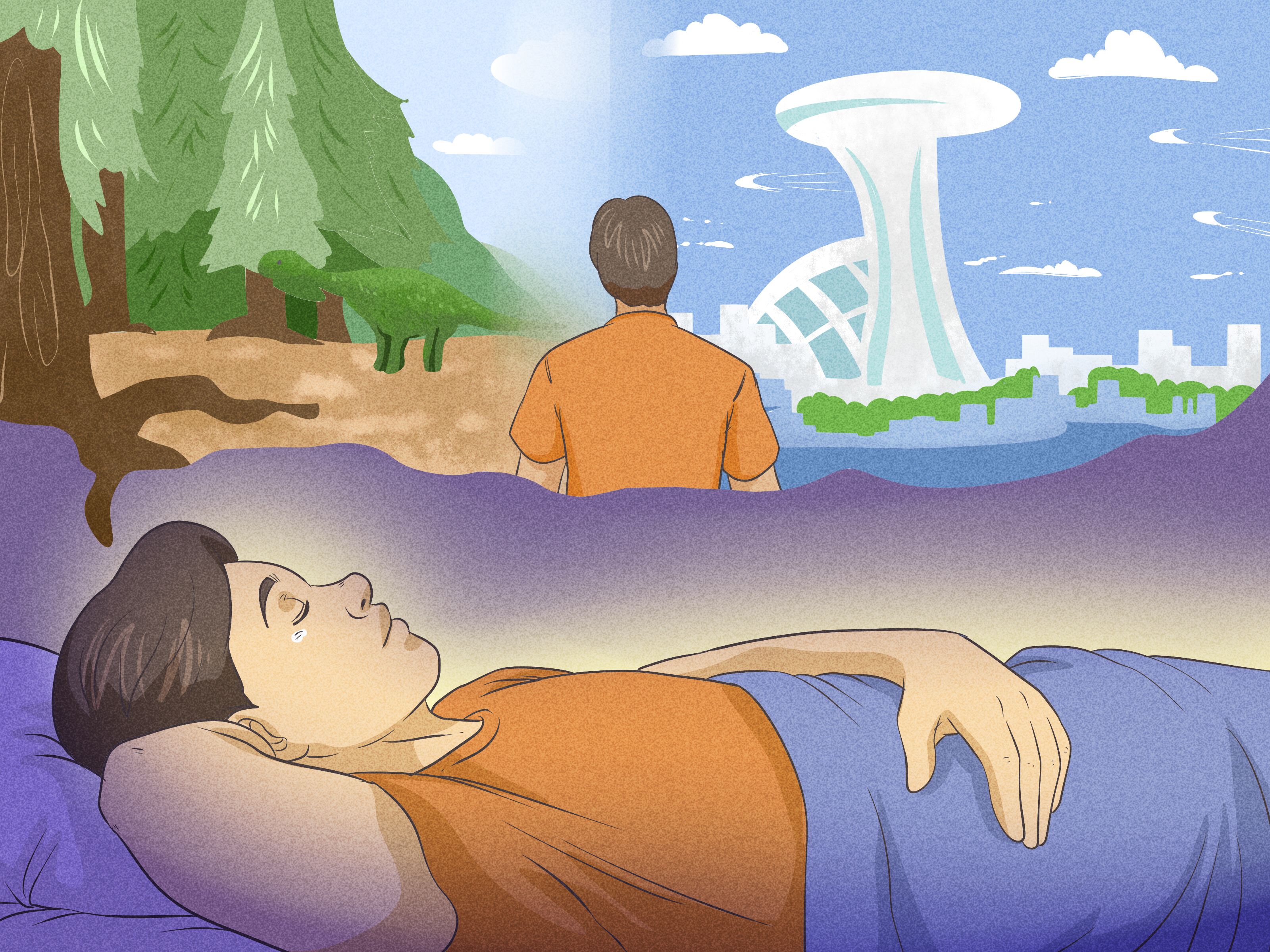

Some people wake up from a dream and immediately reach for coffee. Others reach for meaning. If you have ever wondered whether your brain is trying to send you a memo at 3:14 a.m., welcome to the wonderfully weird world of the dream interpreter.
Here is the good news: dreams can absolutely reveal something about your emotional life, stress levels, memories, and daily concerns. Here is the less glamorous news: they are not usually magical fortune cookies with one neat, universal answer. A good dream interpreter does not treat every snake, staircase, or missing-pants disaster like a fixed code. Instead, they look at your life, your emotions, and your patterns.
In other words, your sleeping brain is less “mystical wizard with a crystal ball” and more “night-shift film editor with access to your fears, memories, random grocery list, and that awkward thing you said in 2019.” It is messy, symbolic, emotional, and surprisingly informative.
This guide explains what a dream interpreter really does, how dream interpretation works, what common dream themes may reflect, and when strange dreams are more about stress, sleep quality, or health than destiny. If you want a practical, science-aware way to understand your dreams without falling into nonsense, you are in exactly the right place.
What Is a Dream Interpreter?
A dream interpreter is anyone who helps analyze the possible meaning of dreams. That could be a therapist, sleep specialist, psychologist, author, spiritual guide, or simply a very thoughtful person with a dream journal and a good memory. The best interpreters do not claim to decode every image with absolute certainty. They look for themes, emotional tone, repeated symbols, and connections to waking life.
That last part matters most. Modern thinking around dreams often leans on the idea that dream content has continuity with waking life. So if you keep dreaming that you are late for an exam, the dream may not be about algebra. It may be about pressure, self-doubt, performance anxiety, or fear of being unprepared. Your subconscious is dramatic, yes, but it is not always subtle.
A smart dream interpreter asks questions like these: What was happening in your life before the dream? What emotion stood out most strongly? Did the dream feel playful, frightening, sad, or relieving? Have you had similar dreams before? Are you under stress, grieving, starting something new, or sleeping poorly?
That approach is more useful than a rigid dream dictionary. A dog in one dream may symbolize comfort and loyalty. In another, it may symbolize fear if the dreamer was bitten as a child. Same animal, very different emotional baggage.
How Dream Interpretation Actually Works
Start with the feeling, not the prop
When people try dream analysis, they often zoom in on the object: “What does water mean?” “What does a house mean?” “What does it mean if I dream about my ex, a giraffe, and a burning lasagna?” A better starting point is the feeling. Were you scared, relieved, embarrassed, curious, angry, or weirdly calm while the lasagna burned? Emotions are often the clearest clue.
Look for waking-life connections
Dreams commonly blend recent events, old memories, current worries, and emotional leftovers. A promotion, breakup, move, medical issue, deadline, or family conflict can all shape dream content. A dream interpreter usually asks what in real life feels similar to the dream’s emotional logic. Not identical. Similar. A chase dream may reflect avoidance. A flying dream may reflect freedom, ambition, or escape. A dream about losing your phone may reflect disconnection, panic, or the simple fact that modern life has made us all slightly feral about battery percentage.
Consider your sleep and stress
Dream content does not happen in a vacuum. Stress, trauma, medications, alcohol, sleep deprivation, illness, and irregular sleep can all affect dreams. Vivid dreams and nightmares may intensify during emotionally difficult periods. Recurring dreams may show up when a problem feels unresolved. That does not mean every dream is a hidden message from the universe. Sometimes it is a message from your nervous system saying, “Hello, I am overwhelmed.”
Pay attention to repetition
One odd dream is interesting. A recurring dream is data. If the same theme keeps coming back, such as falling, being chased, being late, forgetting something important, or trying to speak and failing, it may point to a persistent emotional issue in waking life. Repetition is often where the real interpretive value shows up.
Common Dream Themes and What They May Reflect
There is no universal symbol chart carved into stone, but some dream themes appear often enough that interpreters and sleep experts keep noticing them. The key word is may. These are possibilities, not commandments.
Falling dreams
Dreams about falling often show up during times of insecurity, instability, or loss of control. They can reflect uncertainty in work, relationships, finances, or identity. Sometimes they are tied to a sudden body sensation during sleep, which your brain quickly turns into a dramatic plotline because apparently subtlety is not available after midnight.
Being chased
A chase dream often points to avoidance. You may be dodging a conversation, a responsibility, a fear, or even a decision you do not want to make. The pursuer matters less than the pattern. Ask yourself: what am I running from lately?
Teeth falling out
This classic dream can reflect anxiety about appearance, aging, embarrassment, communication, or loss of control. It may also be more literal than poetic in some cases, especially if you grind your teeth, clench your jaw, or wake with tension. The brain loves symbolism, but it also loves using body sensations as plot fuel.
Being late, unprepared, or failing a test
These dreams often appear during stressful periods and commonly relate to performance anxiety, self-judgment, or fear of disappointing others. Adults who have not seen a classroom in years still dream about exams. Your rational brain moved on; your stress system apparently kept the school locker.
Flying dreams
Flying may reflect freedom, confidence, ambition, or relief from limitations. But context matters. Flying joyfully feels different from flapping wildly like a confused goose over a parking lot. One suggests empowerment. The other may suggest unstable control.
Dreams about an ex
These do not automatically mean you want that person back. They may reflect unresolved feelings, unfinished grief, familiar emotional patterns, or a current relationship dynamic that echoes the past. Sometimes an ex in a dream symbolizes a former version of you, not a reunion tour.
What Science Says About Dreams
Dream research has come a long way, but it still leaves room for mystery. Most vivid dreaming happens during REM sleep, when the brain is highly active. Dreams can also occur outside REM sleep, but REM dreams are often more emotional, visual, and story-like. Researchers continue to explore why humans dream, with leading theories involving memory consolidation, emotional processing, threat rehearsal, and creative problem solving.
What scientists generally do not support is the idea that there is one fixed meaning for every dream symbol or strong evidence that dreams reliably predict the future. A dream interpreter who promises exact, universal answers is selling certainty that dream science simply does not provide.
That does not make dreams useless. Far from it. Dreams may help reveal what feels emotionally unfinished, what your mind is rehearsing, and what your waking life is struggling to process. They can also help you notice patterns in stress, grief, anxiety, conflict, or major life transitions.
Nightmares deserve special attention. Occasional nightmares are common. Frequent nightmares, trauma-related dreams, or vivid dreams that leave you distressed may be linked to anxiety, PTSD, medications, sleep disorders, or other health issues. If someone is physically acting out dreams, shouting, punching, kicking, or falling out of bed, that is not a quirky spiritual gift. It can signal a sleep disorder and should be evaluated by a medical professional.
How to Be Your Own Dream Interpreter
You do not need a velvet robe or a moonlit tower to get better at dream analysis. You need consistency, curiosity, and the willingness to be honest with yourself.
- Write the dream down quickly. Dreams evaporate fast. Record the setting, people, symbols, actions, and strongest emotions as soon as you wake up.
- Name the core feeling. Was the dream mostly fear, shame, excitement, sadness, confusion, or relief?
- Connect it to waking life. Ask what in your current life feels emotionally similar.
- Notice repeated symbols or plots. Recurring themes often matter more than one-off oddities.
- Check your body and sleep habits. Stress, irregular sleep, illness, substances, and medications can shape dream intensity.
- Avoid literal overreaction. Dreaming about disaster does not mean disaster is coming.
Over time, patterns become easier to spot. You may notice that your stress dreams spike before travel, family events, deadlines, or conflict. You may find that certain dreams appear when you are avoiding a decision. You may discover that recurring water dreams happen when emotions are building and your waking life is packed so tightly that your brain has to leak somewhere.
That is where dream interpretation becomes useful: not as prophecy, but as reflection.
When to Stop Guessing and Talk to a Professional
A dream interpreter can help you reflect, but some dream-related issues belong in a therapist’s office or sleep clinic. Talk to a professional if nightmares happen frequently, disrupt your sleep, trigger daytime distress, follow trauma, or involve self-harm fears. Also seek help if you or your bed partner notice dream enactment, intense movements, yelling, or confusion during sleep.
In those cases, the goal is not just to understand dream meaning. It is to protect sleep quality, emotional health, and physical safety. A therapist may help with trauma, anxiety, grief, or recurring dream themes. A sleep specialist may evaluate for nightmare disorder, REM sleep behavior disorder, or other parasomnias.
In plain English: if your dreams are interesting, interpret them. If your dreams are wrecking your life, investigate them.
Why the Best Dream Interpreter Is Usually a Thoughtful, Grounded One
The most helpful dream interpreter is not the one with the boldest claims. It is the one who respects both symbolism and reality. Dreams can be meaningful without being magical. They can reflect emotional truth without functioning like headlines from the future. They can be bizarre and useful at the same time, which, honestly, is a pretty accurate description of the human brain overall.
If you remember one thing, let it be this: dream interpretation works best when it is personal, curious, and connected to your actual life. The question is not, “What does this symbol mean for everyone?” The better question is, “Why might my mind be showing me this now?”
Ask that question often enough, and your dreams may stop feeling like nonsense. They may start feeling like clues.
Dream Interpreter Experiences: Common Real-Life Patterns People Notice
People who start keeping a dream journal often describe the same surprise: their dreams are less random than they first seemed. One person may dream repeatedly about missing flights during a month when work feels chaotic and every deadline seems one email away from mutiny. Another may dream about returning to a childhood home during a period of grief, divorce, or identity change. In both cases, the dream is not giving a fortune. It is reflecting an emotional transition with all the subtlety of a marching band.
A very common experience involves recurring “performance” dreams. Someone preparing for a major presentation dreams that they walk onto a stage without notes, shoes, or the ability to speak. Another person in the middle of a job search dreams that they are late for an exam they forgot to study for. When they look at waking life, the connection is obvious: pressure, evaluation, fear of being judged, and the uncomfortable feeling that everyone else somehow got the instructions. A dream interpreter would not say, “This means doom.” They would say, “This looks like stress about preparedness and self-trust.”
Another frequent pattern shows up during breakups or relationship changes. Many people dream about an ex long after they have stopped wanting the relationship back. What often emerges is not romantic longing but unfinished emotion. The dream may bring up old dynamics, abandonment fears, resentment, guilt, or even relief. Sometimes the ex simply represents a chapter of life the dreamer is mentally sorting through. In practice, these dreams often say more about the present than the past.
Grief dreams can feel especially powerful. People sometimes describe dreaming of a loved one who has died and waking up with intense comfort, sadness, or both. Whether someone sees that as spiritual, psychological, or both, the experience can be deeply meaningful. From a grounded interpretation standpoint, grief dreams may help the mind process attachment, memory, longing, and the ongoing work of adapting to loss.
Then there are the people who discover that their vivid dreams spike when their sleep gets worse. They stay up too late, drink more alcohol than usual, take a new medication, or live through a high-stress week, and suddenly their dreams become full-length emotional cinema. Once they improve sleep habits, reduce stress, or speak with a clinician, the dream intensity changes. That experience teaches an important lesson: not every intense dream needs symbolic decoding. Sometimes the body is part of the story.
Perhaps the most useful experience people report is this one: once they stop asking, “What is the universal meaning?” and start asking, “What does this say about my life right now?” dream interpretation gets far more helpful. The dream becomes less of a riddle and more of a mirror. Still a strange mirror, yes. Possibly one found in a haunted carnival. But a mirror nonetheless.
Conclusion
A dream interpreter is not someone who hands out rigid answers. A helpful one looks at emotion, context, repetition, and waking-life patterns. Dreams may reflect stress, memory, grief, desire, fear, creativity, or unresolved conflict. They can offer insight, but they are not always prophecy and they are definitely not a substitute for medical or mental health care when symptoms become disruptive.
If you want to understand your dreams better, start with a journal, track recurring themes, and stay curious rather than absolute. Your mind at night is talking in symbols, stories, and emotional shortcuts. You do not need to treat every dream like a supernatural telegram. But you should not dismiss them entirely either. Somewhere between “it means everything” and “it means nothing” is the sweet spot where dream interpretation becomes genuinely useful.