Exclusive: ‘CBS Mornings’ Just Brought Back Our Favorite Retro Design Trends in Their New Studio

CBS Mornings has always had a slightly different rhythm from the rest of morning television. While some shows shout “wake up!” with flashing screens, high-gloss sets, and enough visual noise to make your coffee nervous, CBS has often leaned into something warmer: conversation, curiosity, and the feeling that you have pulled up a chair at a smart table. Now, with the show’s return to a refreshed Studio 57 at the CBS Broadcast Center in Manhattan, that feeling has a new homeand yes, it is wearing some very stylish retro shoes.
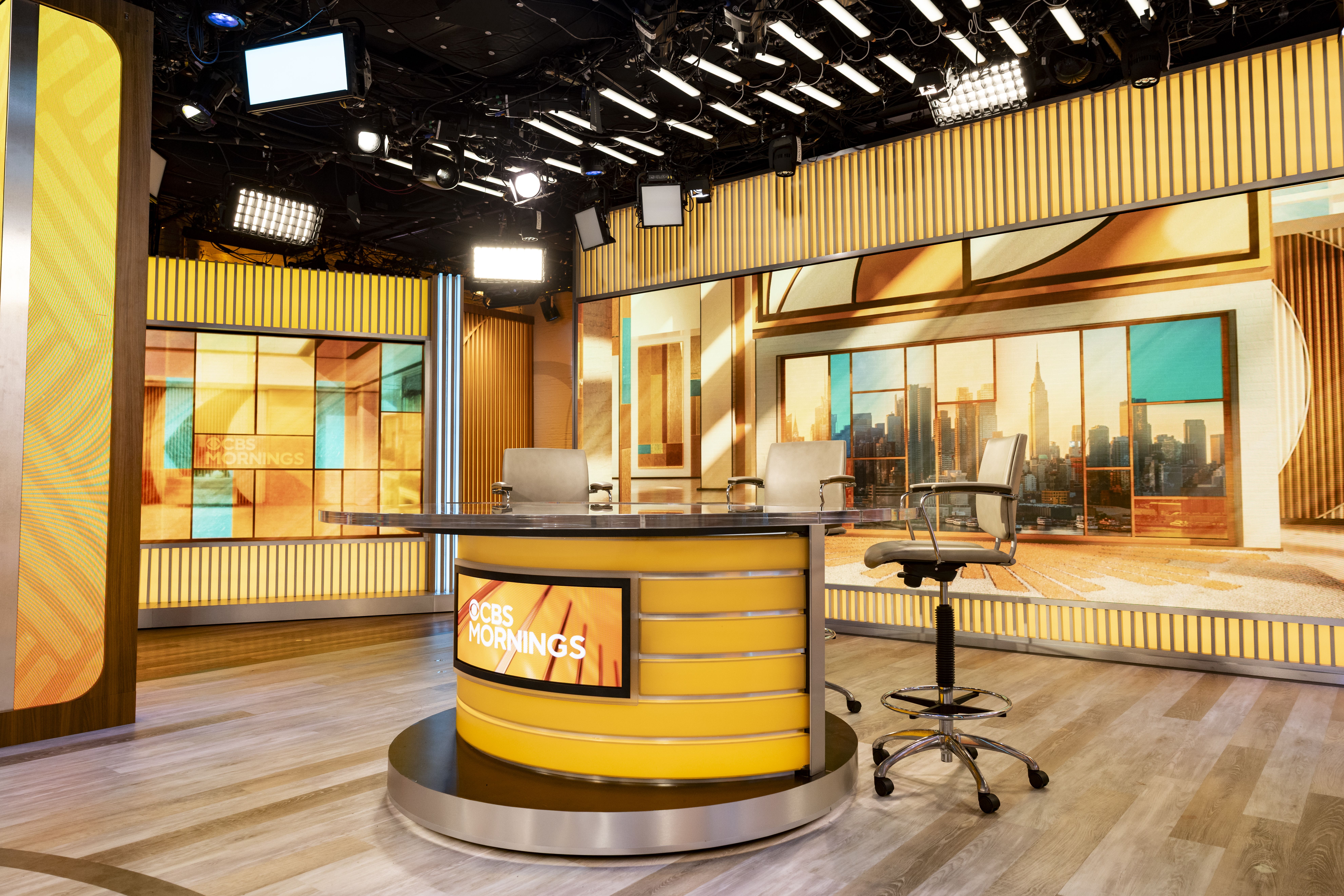
The new CBS Mornings studio design blends modern broadcast technology with midcentury modern warmth, nostalgic shapes, wood-forward textures, and sun-soaked color. It is not a museum piece, and it is definitely not your uncle’s basement paneling from 1974. Instead, the set takes familiar retro design trendsfluted walls, warm wood tones, stained-glass-inspired color, curved forms, and graphic geometryand updates them for a fast-moving news program that still wants to feel human.
In other words, CBS Mornings has done what many homeowners are trying to do right now: bring back the best parts of the past without accidentally recreating a shag-carpet time capsule. The result is polished, friendly, and surprisingly useful as a source of interior design inspiration.
A Return Home With a Fresh Point of View
The move back to Studio 57 is more than a change of address. CBS Mornings previously broadcast from a Times Square studio, a location with obvious visual energy and city-center glamour. But returning to the CBS Broadcast Center gives the show a deeper connection to the network’s own history. Studio 57 carries legacy, memory, and the practical advantage of being closer to CBS News’ broader newsroom operation.
That matters because a morning show is not only about what viewers see on screen. It is also about how quickly producers, anchors, correspondents, and guests can respond to the day’s events. The redesigned studio supports that mission with multiple presentation areas, large LED surfaces, virtual set extensions, and flexible graphics that can shift the mood from breaking news to celebrity interview to cultural conversation in seconds.
But what makes the new space especially interesting is that it does not look coldly futuristic. Many modern TV studios make the mistake of acting as if technology must feel like an airport terminal from the year 2090. CBS Mornings went in a different direction. It wrapped its technology in warmth, texture, and retro-inspired design language. The screens are there. The digital flexibility is there. But the emotional signal is: come in, sit down, stay awhile.
The Midcentury Modern Influence Is Clearand Smart
One of the strongest visual influences in the new studio is midcentury modern design. That style, which grew out of the mid-20th century, is known for clean lines, useful forms, organic materials, and a balance between simplicity and personality. It is a natural match for CBS Mornings because the show itself depends on clarity. A good morning set should not compete with the news. It should frame the conversation.
Midcentury modern elements work beautifully on television because they read well from a distance. A curved desk, vertical wood fins, geometric wall details, and warm color blocks create depth without clutter. The viewer’s eye knows where to go. The anchors remain the focus. The room feels designed, not decorated to within an inch of its life.
This is a useful lesson for home design, too. Midcentury modern decor remains popular because it gives a room structure. You can add a walnut console, a curved lounge chair, a round coffee table, or a sculptural lamp, and suddenly the space feels intentional. The CBS Mornings studio uses the same principle at a broadcast scale: repeat a few strong shapes, keep the palette warm, and let the people bring the energy.
Warm Wood Is the Star of the Studio
If there is one retro design trend having a serious comeback moment, it is warm wood paneling. For years, wood walls were treated like design evidence from a crime scene. People associated them with dark dens, dusty rec rooms, and basements where board games went to disappear. But today’s wood paneling is different. It is cleaner, more architectural, and much more refined.
The CBS Mornings set makes excellent use of wood tones, especially through slatted and fluted wall treatments. These vertical lines add rhythm and movement, which is important in a studio where cameras capture the same space from multiple angles. Instead of flat walls that look blank on screen, the wood creates shadow, dimension, and warmth.
For homeowners, this is one of the most practical ideas to borrow. You do not need a national broadcast budget or a circular anchor desk in your breakfast nook. A fluted wood accent wall, reeded cabinet fronts, a slatted room divider, or even a warm wood media console can bring the same effect into a living room. The trick is moderation. One textured wood feature feels current. Four rooms of orange-brown paneling may cause your guests to ask whether they have accidentally wandered into a 1970s sitcom.
Fluted Walls: The Retro Detail That Feels New Again
Fluted walls are one of the most noticeable design elements in the refreshed studio. Their vertical grooves create a sculptural texture that feels both vintage and modern. The look has roots in classical architecture and midcentury interiors, but it has become especially popular again because it solves a modern design problem: flat spaces can feel lifeless.
In a TV studio, fluting also performs a subtle visual job. It catches light, softens large surfaces, and makes the background feel layered without becoming busy. On CBS Mornings, the fluted and slatted details echo the CBS “eye” motif in a way that feels architectural rather than logo-heavy. That is branding with manners. It is present, but it does not barge into the room wearing tap shoes.
At home, fluted surfaces can be used in many ways. Try them on a kitchen island, behind a bed, around a fireplace, or on built-in cabinetry. They work especially well in neutral rooms because texture keeps the design from feeling plain. When combined with warm lighting, fluted wood can make even a simple wall look custom.
The CBS Eye Becomes an Architectural Motif
One of the smartest details in the new studio is the way the iconic CBS “eye” is integrated into the physical environment. Instead of simply placing the logo on a screen and calling it a day, the design breaks the eye shape into architectural fragments. Those curves and circular forms show up in the floor, ceiling, wall elements, and graphic compositions.
This approach gives the studio a strong identity without making it feel like a merchandise booth. The best brand design is often the kind you feel before you consciously notice it. CBS Mornings uses the eye symbol as a design language: circles, arcs, vertical fins, and layered geometry. The result is cohesive and memorable.
Homeowners can borrow this idea by repeating shapes that already exist in their space. If your room has arched doorways, echo them with round mirrors or curved furniture. If your home has square windows, repeat that geometry in shelving, rugs, or artwork. Good design often comes from repetition, not from buying more stuff. A room usually does not need seventeen unrelated “statement pieces.” It needs one clear visual conversation.
Stained-Glass Inspiration Adds Color Without Chaos
The refreshed Studio 57 also plays with stained-glass-inspired color. This is one of the most charming retro references in the set because it connects directly to the idea of morning light. CBS Mornings is built around sunrise energy: yellow, orange, blue, brightness, optimism, and the feeling that the day has just opened its curtains.
Stained glass can easily become too literal in a modern room. Not every space needs to look like a very cheerful chapel. But the studio uses the idea more abstractly, through colored panes, geometric shapes, and glowing panels. The effect is cheerful but controlled. It brings in the spirit of retro color without making the anchors look as if they are reporting live from inside a kaleidoscope.
This is a strong takeaway for interior design. If you love color but fear commitment, use it in framed ways. Try colored glass vases, amber lamps, blue cabinet interiors, patterned art, or a small stained-glass panel in a window. Color feels easier to live with when it has boundaries. CBS Mornings demonstrates that a room can be bright and sophisticated at the same time.
Curves Make the Studio Feel More Conversational
The circular anchor desk remains central to the identity of CBS Mornings. That shape is not just attractive; it affects the emotional tone of the broadcast. A circular or rounded table suggests equality, conversation, and connection. There is no sharp “head of the table” energy. Everyone is part of the discussion.
Curved furniture is also a major interior design trend because it softens modern spaces. After years of hard edges, square sofas, and minimalist boxes, people are craving rooms that feel more comfortable. Curves help. They guide movement, reduce visual tension, and make a space feel more relaxed.
In your own home, curved design does not have to mean a giant kidney-shaped sofa, although if you have one and love it, please live your truth. Smaller moves work well: a round dining table, an arched mirror, a circular rug, a curved accent chair, or globe lighting. The goal is to balance straight architectural lines with softer forms.
Why Retro Design Works So Well on Morning Television
Morning television has a unique design challenge. The set has to feel energetic enough to wake people up, but calm enough that viewers do not feel attacked before breakfast. Retro design helps because it carries emotional familiarity. Warm wood, rounded shapes, textured walls, and golden tones all signal comfort.
That comfort is especially important for CBS Mornings, which often moves between serious news, political interviews, human-interest stories, books, culture, and entertainment. A sterile set might work for hard news, but it can feel awkward during a personal conversation. A space that resembles a modern living room, library, or lounge gives the show more tonal flexibility.
The best part of the new studio is that it does not confuse nostalgia with imitation. It does not simply copy a 1960s or 1970s room. Instead, it extracts the useful ingredients: warmth, craft, texture, color, and geometry. Then it pairs those ingredients with LED walls, touchscreens, virtual extensions, and modern production tools. That is exactly how retro design should be used today.
How to Bring the CBS Mornings Look Into Your Own Home
1. Start With Warmth, Not Clutter
The CBS Mornings studio feels welcoming because it uses warm materials and colors, not because it is packed with accessories. At home, begin with warm neutrals, honey wood, walnut, tan, cream, muted gold, or soft terracotta. These shades create a retro foundation without overwhelming the room.
2. Add One Textured Wall Treatment
A fluted wall, vertical paneling, grasscloth wallpaper, or limewash finish can instantly make a room feel more layered. Choose one focal point. Behind a sofa, bed, dining banquette, or media unit is ideal. Texture gives the eye something to enjoy even when the color palette is quiet.
3. Use Curves to Soften the Room
Round tables, arched mirrors, globe lights, and curved chairs bring in that friendly studio energy. They also make rooms easier to move through, especially in smaller homes. Curves are the design equivalent of someone saying, “No rush, take your time.”
4. Try Retro Color in Small Doses
You do not need to paint your entire living room sunrise orange to capture the CBS Mornings mood. A golden throw pillow, a blue ceramic lamp, amber glassware, or colorful artwork can do the job. The key is to choose colors that feel sunny rather than loud.
5. Repeat a Shape
Just as the CBS studio repeats the eye motif, your home can repeat a shape for cohesion. Circles, arches, vertical stripes, or squares can appear in rugs, mirrors, lighting, and art. Repetition makes a room feel designed even when the pieces come from different stores, eras, or lucky thrift-shop encounters.
The Bigger Trend: Homes and Studios Are Getting More Personal
The CBS Mornings redesign reflects a larger shift in American interiors. After years of all-white rooms, gray floors, and minimalist spaces that looked like nobody had ever dropped a sock, people are embracing personality again. Designers are talking about warmth, collected objects, vintage lighting, saturated colors, natural materials, and rooms that tell a story.
That shift makes sense. Our spaces have had to do more in recent years. Homes became offices, classrooms, gyms, studios, restaurants, and occasional emotional support caves. Viewers are more aware of backgrounds than ever, whether on TV, video calls, or social media. A warm, layered room now feels more desirable than a flawless but empty one.
CBS Mornings understands that. Its new studio is not just a backdrop; it is part of the show’s personality. It says the broadcast can be modern without being cold, historic without being dusty, and polished without losing charm.
Experience: What This Studio Teaches About Living With Retro Design
Anyone who has tried to decorate with retro style knows there is a thin line between “timeless and character-rich” and “my house is auditioning for a period drama.” That is why the CBS Mornings studio is such a helpful example. It shows how to use retro design with discipline. The set does not throw every nostalgic idea into one room. There are no lava lamps on the anchor desk, no shag carpet under the cameras, and no avocado-green refrigerator lurking behind the weather segment. Instead, the design team chose a handful of retro references and repeated them thoughtfully.
The first lesson is that materials matter more than props. Many people try to create a retro look by buying obvious vintage accessories: old radios, novelty clocks, bright plastic chairs, or patterned everything. Those can be fun, but they can also turn a room into a theme party. CBS Mornings focuses instead on architectural materials: wood, glass, light, shape, and texture. That is why the studio feels grown-up. It borrows from the past at the bones of the room, not just in the decorative frosting.
The second lesson is that retro design needs breathing room. A fluted wood wall looks elegant when the furniture around it is simple. A stained-glass-inspired panel feels fresh when the rest of the palette is controlled. A circular desk feels iconic because it is allowed to be the hero. At home, this means you should let your favorite retro element have space. If you find a gorgeous midcentury credenza, do not bury it under twelve tiny objects and a plant that appears to be plotting escape. Let the piece speak.
The third lesson is that technology and nostalgia can get along. This is especially relevant now, when most homes contain large televisions, smart speakers, laptops, chargers, routers, and enough cables to knit a sweater for a robot. The CBS Mornings studio does not hide from technology; it integrates it. LED screens become part of the visual architecture. Digital graphics support the mood of the space. The same idea works in a living room. Frame the TV with wood shelving. Use warm lighting around a media wall. Choose furniture that hides cords. Make the technology feel included, not like an awkward guest at Thanksgiving.
The fourth lesson is emotional: design should support how people gather. The circular CBS Mornings desk works because the show is built around conversation. In a home, your layout should do the same. If your family gathers in the kitchen, invest in comfortable stools and good lighting. If friends always end up in the living room, arrange seating so people face each other instead of lining everyone up like they are waiting at the DMV. Retro design is not only about how a room looks. At its best, it is about sociability, comfort, and memory.
Finally, the studio reminds us that nostalgia feels best when it points forward. The refreshed Studio 57 honors CBS history, but it is built for future broadcasts. That is the sweet spot. A home should be allowed to remember, but it should also work for the life happening now. Keep the vintage lamp, but use a smart bulb. Hang the old family photo, but place it in a clean modern frame. Choose warm wood, but pair it with fresh upholstery. Bring back the past, but do not let it boss you around.
Conclusion: Retro Is Back, But This Time It Grew Up
The new CBS Mornings studio succeeds because it understands the difference between retro and dated. Retro is selective, warm, and emotionally resonant. Dated is what happens when a room refuses to evolve and still thinks mirrored walls are a personality trait.
By bringing midcentury modern design, fluted walls, wood paneling, stained-glass-inspired color, curved forms, and the CBS eye motif into a technologically advanced broadcast space, CBS Mornings has created a studio that feels both familiar and fresh. It is a polished reminder that good design does not have to choose between past and future. Sometimes the best room is the one that knows its history, turns on the lights, and says, “Good morning.”