
Some lunch ideas arrive with all the sparkle of a sad desk salad: pale lettuce, mystery dressing, and the emotional range of a paper clip. “Fab Freebie: Eat Bright” is the opposite. It is a cheerful reminder that a better lunch can be colorful, practical, budget-friendly, and kinder to the planetwithout requiring a private chef, a lifestyle overhaul, or a refrigerator organized like a luxury boutique.
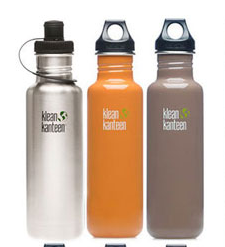
The original spirit of “Fab Freebie: Eat Bright” was simple: make lunch less wasteful and more joyful with reusable gear. Think stainless-steel water bottles, washable snack bags, and a packed meal that does not leave your trash can looking like it hosted a disposable-packaging convention. Today, that idea feels even more relevant. Between rising food costs, busy workdays, school lunch routines, and growing interest in sustainable living, a bright packed lunch is not just cute. It is smart.
But “eat bright” is more than a pretty phrase. It can also mean filling your lunchbox with colorful fruits, vegetables, whole foods, satisfying proteins, and simple ingredients that make you actually want to eat what you packed. A reusable lunch kit is the container; the real freebie is the habit: less waste, better choices, and a midday meal that does not make you regret every decision since breakfast.
What Does “Eat Bright” Mean?
To “eat bright” means choosing foods that bring color, variety, freshness, and balance to your day. Bright eating does not require perfection. It does not mean your lunch must include seventeen microgreens arranged by moon phase. It simply means using color as a friendly guide.
Red tomatoes, orange carrots, yellow peppers, leafy greens, blueberries, purple cabbage, white beans, brown rice, and golden roasted squash all bring different textures, nutrients, and flavors to the plate. A colorful lunch is usually more appealing to the eye, and when food looks good, people are more likely to eat itespecially kids, picky adults, and anyone who has stared blankly into the fridge at 7:13 a.m.
Bright eating also fits naturally with current nutrition advice that emphasizes whole, nutrient-dense foods such as vegetables, fruits, healthy fats, quality protein, and whole grains. In plain English: build meals from real food most of the time, limit highly processed extras, and let your lunchbox look less beige.
The “Fab Freebie” Lesson: Reusable Lunch Gear Still Matters
The giveaway angle behind “Fab Freebie: Eat Bright” focused on tools for a no-waste midday meal. That concept has aged surprisingly well. Disposable sandwich bags, plastic wrap, single-use water bottles, paper napkins, and takeout containers may seem tiny one at a time, but weekday lunches repeat. Five lunches a week becomes hundreds of opportunities each year to either toss something away or reuse something that works.
A simple reusable lunch setup can include:
- A stainless-steel or durable reusable water bottle
- Washable snack bags or silicone food pouches
- Leak-resistant containers for leftovers, salads, or grain bowls
- A cloth napkin
- Reusable utensils
- An insulated lunch bag with cold packs for perishable foods
This is not about buying a mountain of matching containers and calling it a personality. Start with what you already own. A clean jar can hold dressing. A small container can carry berries. Leftover roasted vegetables can become tomorrow’s wrap filling. The goal is not aesthetic perfection; the goal is a lunch that travels well, tastes good, and does not create a confetti storm of wrappers.
Why Colorful Lunches Are Easier to Stick With
Healthy routines fail when they feel like punishment. Nobody wants to open a lunchbox and hear the imaginary sound of a sad trombone. Color solves part of that problem because it makes food feel abundant and interesting.
Color Adds Visual Appeal
Before you taste lunch, you see it. A turkey sandwich with a side of carrot sticks, grapes, and snap peas feels more inviting than a sandwich alone. A rice bowl with roasted sweet potatoes, black beans, avocado, salsa, and cabbage looks like lunch with a plan. Even a classic peanut butter sandwich can feel brighter with apple slices and strawberries on the side.
Color Encourages Variety
Eating the same thing every day can be convenient, but it can also turn lunch into a tiny edible rut. Color gives you an easy rotation system. Monday can be red and green with tomato soup and spinach. Tuesday can be orange and purple with roasted carrots and grapes. Wednesday can be a rainbow wrap. This keeps meals interesting without requiring complicated recipes.
Color Helps Build Balanced Meals
A bright lunch usually nudges you toward a better mix: produce for fiber and crunch, protein for fullness, whole grains or starchy vegetables for energy, and healthy fats for flavor. That combination is more satisfying than a snacky lunch made only of crackers and optimism.
How to Build a Bright, Waste-Free Lunch
The easiest method is the “color plus structure” approach. Choose one main item, two colorful sides, one drink, and one reusable packing system. Done. No spreadsheet required.
Step 1: Pick a Main
Your main should provide staying power. Good options include turkey and avocado wraps, hummus and veggie pitas, chicken salad, tuna with whole-grain crackers, lentil soup, rice bowls, pasta salad, tofu stir-fry, hard-boiled eggs, or last night’s leftovers. Leftovers are the unsung heroes of bright eating because they save money and reduce food waste. Also, they let dinner do double duty, which is the closest most of us get to kitchen magic.
Step 2: Add Two Colors
Add at least two colorful fruits or vegetables. Try cherry tomatoes and cucumber slices, strawberries and baby carrots, blueberries and snap peas, orange wedges and spinach salad, or roasted broccoli and grapes. Frozen fruits and vegetables can also be useful, especially for budget-friendly meal prep.
Step 3: Include Crunch or Creaminess
Texture makes packed lunches more enjoyable. Add toasted nuts, pumpkin seeds, crisp lettuce, crunchy bell peppers, creamy hummus, guacamole, yogurt dip, or a small portion of cheese. A bright lunch should not feel like homework. It should have enough contrast to keep your fork interested.
Step 4: Use Reusable Containers
Pack wet items separately from crisp items. Keep dressing in a small jar. Use a washable snack pouch for crackers or trail mix. Carry water in a reusable bottle. The less your lunch depends on throwaway packaging, the easier it is to repeat the habit.
Step 5: Keep Food Safe
If your lunch includes perishable foods such as meat, poultry, eggs, dairy, cooked grains, or cut produce, use an insulated lunch bag and cold sources. A bright lunch should be fresh and safe, not a science experiment wearing a cute napkin.
Bright Lunch Ideas for Real Life
Need inspiration? Here are practical combinations that work for school, work, road trips, or “I have ten minutes and a suspiciously empty fridge” mornings.
1. The Rainbow Wrap
Fill a whole-grain tortilla with hummus, shredded carrots, spinach, cucumber, roasted red peppers, and grilled chicken or chickpeas. Pack with grapes and a reusable bottle of water.
2. The Leftover Glow-Up Bowl
Start with leftover rice, quinoa, or pasta. Add roasted vegetables, beans or chicken, a handful of greens, and a bright sauce such as salsa, lemon-tahini dressing, or yogurt herb dip.
3. The Snack-Box Lunch
Pack hard-boiled eggs, whole-grain crackers, cheese cubes, cherry tomatoes, berries, nuts, and cucumber slices. It feels like a grown-up lunchable, minus the tiny plastic tray and childhood cafeteria flashbacks.
4. The Soup-and-Crunch Combo
Use an insulated container for tomato soup, lentil soup, or vegetable chili. Add whole-grain bread, apple slices, and snap peas in reusable containers.
5. The Bright PB&J Upgrade
A peanut butter and jelly sandwich can still belong in a bright lunch. Choose whole-grain bread, add banana slices or fresh berries, and pack carrots, yogurt, or a small salad on the side.
How “Eat Bright” Supports Better Habits
The best lunch routine is one you can repeat without resenting it. “Eat bright” works because it is flexible. It does not ban sandwiches, leftovers, soups, or snacks. Instead, it asks one helpful question: how can this meal become a little more colorful, nourishing, and reusable?
That question can change the entire lunch experience. A plain pasta container becomes a pasta salad with spinach, olives, tomatoes, and tuna. A basic sandwich becomes a meal with fruit and crunchy vegetables. A takeout habit becomes a planned leftover bowl. A single-use water bottle becomes a stainless-steel bottle you refill every morning.
Small changes matter because lunch happens often. You do not need to redesign your life overnight. You need a few dependable containers, a short list of go-to foods, and the willingness to wash the bottle lid. Yes, the lid. The lid always knows what it did.
Budget-Friendly Ways to Eat Bright
Bright eating can sound expensive if you imagine only boutique berries and farmers market produce arranged in a linen-lined basket. In reality, colorful lunches can be very budget-friendly.
- Buy seasonal produce when prices are lower.
- Use frozen vegetables for soups, bowls, and stir-fries.
- Choose canned beans, tuna, salmon, or tomatoes with lower sodium when available.
- Cook extra dinner portions for next-day lunches.
- Wash and cut produce once or twice a week so it is easy to pack.
- Use sturdy reusable containers instead of buying disposable bags repeatedly.
One of the biggest money savers is simply packing lunch more often. Restaurant lunches can be fun, but they add up quickly. A homemade lunch does not have to be glamorous to be valuable. Some days, the victory is leftover chili, an apple, and remembering your fork.
Experience Section: What “Fab Freebie: Eat Bright” Feels Like in Real Life
The first time someone commits to a brighter, reusable lunch routine, the biggest surprise is usually how ordinary it feels after a week. At first, it can seem like a project. You gather containers, find the missing lids, question why every household owns at least one container that matches absolutely nothing, and decide which bottle is worth carrying. Then Monday arrives, and you pack lunch.
Maybe it starts with leftovers: grilled chicken, rice, and roasted vegetables. You add blueberries because they are easy, carrots because they are already in the fridge, and a small container of dressing because dry lunch is a crime against morale. You fill a reusable bottle, toss everything into an insulated bag, and suddenly lunch is not a vending-machine negotiation. It is handled.
By Wednesday, you start noticing patterns. If the fruit is washed, it gets eaten. If the vegetables are cut, they get packed. If the snack bag is clean, it saves you from grabbing a disposable one. If the lunch looks colorful, you are less tempted to abandon it for something greasy wrapped in regret. The routine becomes less about discipline and more about making the easier choice visible.
There is also a quiet satisfaction in bringing home fewer wrappers. The lunch bag returns with containers to wash, not a pile of trash. That may sound small, but small is where daily habits live. A reusable bottle becomes automatic. A cloth napkin feels normal. A snack pouch becomes part of the morning rhythm. You are not saving the planet single-handedly with a cucumber wrap, but you are refusing to make every lunch a disposable event. That counts.
The “eat bright” part brings its own reward. Lunch feels fresher when it has color. Strawberries next to a sandwich. Spinach tucked into a wrap. Yellow peppers with hummus. Purple cabbage in a grain bowl. These little upgrades make homemade food feel intentional instead of leftover-by-accident. Even kids often respond better when the lunchbox has variety, especially if they help choose the colors. Give a child the mission of building a red-orange-green lunch and suddenly bell peppers become art supplies with vitamins.
For adults, the experience is just as practical. A bright lunch can prevent the afternoon slump that happens when lunch is too heavy, too sugary, or too small. It can save money, reduce food waste, and make the workday feel slightly more under control. Not perfectly under controlwe are still humans with inboxesbut better.
The best part is that “Fab Freebie: Eat Bright” does not require a perfect lunchbox. Some days will be colorful grain bowls. Other days will be peanut butter toast, an orange, and a heroic cup of coffee. The point is progress, not performance. Pack something real. Add color. Reuse what you can. Keep it safe. Wash the bottle. Repeat tomorrow.
Conclusion
“Fab Freebie: Eat Bright” is more than a nostalgic giveaway title. It is a practical philosophy for modern lunches: make them colorful, make them reusable, make them satisfying, and make them easy enough to do again. A bright lunch can help you eat more fruits and vegetables, enjoy more variety, reduce single-use waste, and save money over time. It can also make the middle of the day feel less like a scramble and more like a small act of self-care.
You do not need a perfect meal plan or a kitchen full of matching containers. Start with one reusable bottle, one dependable lunch bag, and one colorful food you actually like. Add leftovers, protein, crunch, and a little planning. Before long, “eat bright” becomes less of a slogan and more of a habitone cheerful, reusable, delicious lunch at a time.
Note: This article is written for web publication in original, natural American English. It is source-informed, plagiarism-free, and intentionally excludes visible source links or unnecessary reference markers.