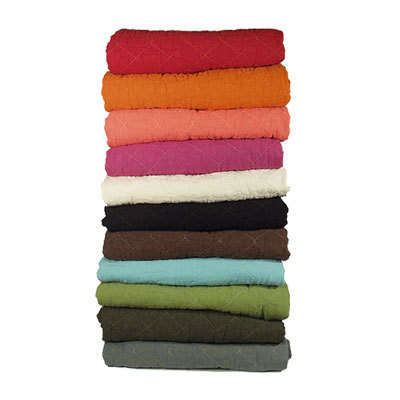

Utility canvas bedding is what happens when your bedroom decides to stop pretending it is a showroom and start behaving like a place where actual humans live, sleep, read, snack, spill coffee, fold laundry badly, and occasionally let the dog claim half the mattress like a tiny landlord. It is sturdy, relaxed, practical, and quietly stylishthe bedding equivalent of a well-made tote bag that has survived farmers markets, beach days, grocery runs, and one mysterious stain nobody wants to discuss.
In the world of fabrics and linens, canvas has a reputation for hard work. It is often associated with workwear, tents, bags, slipcovers, and utility textiles, but that same durability can make it surprisingly appealing in the bedroom when used thoughtfully. Utility Canvas, the brand, is known for simple, long-lasting cotton goods with a practical American design sensibility. Utility canvas bedding as a concept borrows that same spirit: natural fibers, unfussy construction, tactile texture, and pieces that look better when they are lived in rather than fussed over like museum artifacts.
This guide explores what makes utility canvas bedding different, how it compares with linen and standard cotton sheets, where it works best, how to style it, and how to care for it so your bed feels intentionalnot like you accidentally slept inside a painter’s drop cloth.
What Is Utility Canvas Bedding?
Utility canvas bedding refers to bedding made with or inspired by canvas-style cotton fabrics: durable, tightly woven, textural, and designed for everyday use. Traditional canvas is usually a plain-weave fabric, often made from cotton or linen. Cotton duck, a closely related fabric, is even denser and stronger than standard canvas. That is why canvas shows up in tote bags, chore coats, upholstery, aprons, curtains, and other items that need to handle real-life friction.
For bedding, canvas is not usually used in the same heavy form you would find on a tool bag. Nobody wants to sleep under something that feels like it has a side hustle in construction. Instead, utility-inspired bedding often uses washed cotton canvas, cotton duck, heavyweight cotton, or canvas-textured coverlets, pillow shams, duvet covers, throws, and bed skirts. These pieces bring structure and texture to the bed while softer sheetssuch as cotton percale, linen, or cotton-linen blendshandle direct skin contact.
Why Utility Canvas Bedding Is Having a Quiet Moment
Home design has been drifting away from overly polished rooms and toward spaces that feel warm, useful, and personal. People want bedding that can survive laundry day, pets, kids, late-night reading, and the occasional “I’ll just eat toast in bed” decision that always ends in crumbs. Utility canvas bedding fits that mood perfectly.
Its appeal comes from three major qualities: durability, texture, and simplicity. It has the relaxed confidence of workwear, the warmth of natural fibers, and the visual weight that makes a bed look finished without needing sixteen decorative pillows named things like “lumbar accent moment.”
It Feels Honest
Canvas has a straightforward personality. It does not sparkle. It does not require a dramatic unboxing ritual. It does not whisper, “dry clean only,” like a threat. It simply shows up, does its job, and gains character with use. That honesty works especially well in modern farmhouse bedrooms, coastal cottages, rustic cabins, loft apartments, kids’ rooms, guest rooms, and minimalist spaces that need texture without clutter.
It Adds Structure to Soft Bedding
A bed made only with soft, thin fabrics can look limp. Canvas-style bedding gives the bed shape. A sturdy coverlet or duvet cover can create crisp edges, grounded layers, and a more architectural look. Think of it as the denim jacket of the bedroom: not formal, not fussy, but somehow it pulls everything together.
Canvas vs. Linen vs. Cotton Bedding
Utility canvas bedding is often compared with linen and cotton because all three are associated with natural fibers, breathability, and casual comfort. However, each fabric has a different personality.
Canvas Bedding
Canvas is heavier and more structured than typical sheeting fabric. It is best for top-of-bed pieces such as duvet covers, coverlets, quilts, throws, pillow covers, and decorative shams. It offers durability and texture, but depending on weight and finish, it may not be the softest choice for sheets that touch the skin all night.
Linen Bedding
Linen is made from flax and is loved for breathability, moisture management, durability, and its casually wrinkled look. It often feels textured at first but softens beautifully with washing. Linen is excellent for hot sleepers and people who like bedding that looks relaxed rather than pressed into military obedience.
Cotton Bedding
Cotton is the familiar favorite. It is soft, breathable, widely available, and comes in many weaves and price points. Cotton percale feels crisp and cool, while cotton sateen feels smoother and a little silkier. Cotton bedding is usually easier to find than linen and often more affordable.
The best bedroom setup may combine all three: cotton percale sheets for crisp comfort, a linen throw for airflow and texture, and a utility canvas coverlet or duvet cover for durability and visual weight.
Best Uses for Utility Canvas Bedding
Utility canvas bedding works best when you use it strategically. It shines as a layer, not always as the entire sleep system.
Canvas Duvet Covers
A canvas or washed cotton duvet cover is ideal when you want your bed to look substantial and relaxed. It can help protect the insert, create a more tailored shape, and add a tactile finish. Choose washed or softened canvas if you want a broken-in feel from day one.
Canvas Coverlets and Bedspreads
A canvas coverlet is a practical top layer for people who want a neat bed without too much fluff. It is useful in guest rooms, kids’ rooms, vacation homes, and pet-friendly bedrooms. It can be layered over sheets in warm weather or over a duvet in cooler months.
Canvas Pillow Shams
Canvas shams add structure behind softer sleeping pillows. They are especially good for styling because they hold their shape better than lightweight fabrics. Translation: they look nice even when your pillow-stacking technique is more “hopeful pile” than “boutique hotel.”
Canvas Bed Skirts and Storage Covers
Because canvas has body, it works well for bed skirts, under-bed storage covers, and other practical textiles. If you are using the space under your bed for storageand let’s be honest, many of us are running a small warehouse under therecanvas helps hide the chaos with dignity.
How Utility Canvas Bedding Feels
Texture is the main reason people either love or hesitate over canvas bedding. It is not slick like sateen, not airy like gauze, and not rumpled like linen. Canvas has a dry, substantial hand. Washed canvas feels softer and more flexible, while untreated or heavier canvas can feel firm.
If you want cloud-like bedding, canvas may not be your first choice for sheets. If you want bedding that feels grounded, sturdy, and lived-in, it may be exactly right. The trick is to keep the softest fabrics closest to your skin and use canvas where it can do what it does best: protect, shape, and add character.
Is Utility Canvas Bedding Good for Hot Sleepers?
It depends on the piece. Cotton canvas is breathable because it is usually made from natural cotton fibers, but it is also denser than many sheet fabrics. A heavy canvas duvet cover may feel too warm in summer if paired with a thick insert. However, a lightweight washed canvas coverlet can work well as a top layer in mild weather.
Hot sleepers should look for breathable combinations: cotton percale sheets, a lightweight blanket, and a canvas coverlet used only when needed. Avoid stacking too many dense layers. Bedding is not lasagna. More layers are not always better.
Style Ideas for Utility Canvas Bedding
Utility canvas bedding is versatile because it looks natural, simple, and grounded. It does not demand a highly decorated room. In fact, it often looks best when paired with honest materials such as wood, ceramic, metal, rattan, wool, and stone.
Modern Farmhouse
Pair natural canvas bedding with white cotton sheets, black metal lamps, a wood bench, and a striped throw. Keep the palette warm and neutral: cream, oatmeal, tobacco, charcoal, olive, and faded navy.
Coastal Utility
Use off-white canvas with pale blue linen pillows, a woven rug, and simple wood furniture. Skip the seashell overload unless you want your bedroom to look like it is auditioning for a souvenir shop.
Urban Loft
Try charcoal or black canvas bedding with crisp white sheets, a low platform bed, exposed brick, and matte metal accents. This look is clean, practical, and slightly dramatic without requiring velvet curtains and a mysterious backstory.
Kids’ Rooms and Teen Rooms
Canvas is a smart choice for rooms that experience heavy use. A sturdy coverlet or duvet cover can handle lounging, homework, pets, and weekend sleep-ins. Choose machine-washable pieces and darker or mid-tone colors if spills are part of the local climate.
What to Look for When Buying Utility Canvas Bedding
Not all canvas bedding is created equal. Before buying, check the fiber content, weight, care instructions, construction, and finish.
Fiber Content
Look for 100% cotton, organic cotton, cotton-linen blends, or clearly labeled natural-fiber blends. In the United States, textile labels should disclose fiber content and country of origin, so the tag can tell you a lot. If a product description sounds poetic but avoids basic facts, treat it like a dating profile with no clear photos.
Fabric Weight
Heavier canvas is more durable but may feel stiff or warm. Lighter washed canvas is better for bedding because it moves more easily and feels more comfortable. For duvet covers and coverlets, medium-weight canvas is often the sweet spot.
Prewashing or Garment Washing
Washed canvas is usually softer and less rigid. Prewashing can also reduce the shock of first-laundry shrinkage, although you should still follow the care label carefully.
Closures and Seams
For duvet covers, check buttons, ties, zippers, and corner loops. Strong seams matter because canvas is often purchased for longevity. A durable fabric with weak stitching is like buying hiking boots with shoelaces made of spaghetti.
Color
Natural, undyed, khaki, white, olive, navy, black, and rust tones all work beautifully with canvas bedding. Lighter colors feel airy and casual; darker colors feel grounded and modern. If you have pets, snacks, or children, choose colors with a forgiving personality.
How to Care for Utility Canvas Bedding
Canvas bedding is durable, but durable does not mean invincible. Proper care helps preserve texture, color, and shape.
Wash Gently
Use a mild detergent and avoid overloading the washer. Bedding needs room to move so water and detergent can circulate. If the fabric is cotton canvas, warm water may be acceptable, but always check the care label. For darker colors, cold water helps reduce fading.
Avoid Harsh Bleach
Chlorine bleach can weaken natural fibers over time and may cause yellowing or uneven fading. For stains, pretreat gently. Oxygen-based boosters may be a safer choice for many washable cotton items, but again, the care label is the boss.
Dry on Low Heat
High heat can shrink cotton and make fibers feel harsher. Tumble dry on low, remove while slightly damp if possible, and smooth the fabric by hand. Canvas does not need to look perfectly ironed. Its charm is supposed to be relaxed. If you iron your canvas bedding with the intensity of a hotel laundry department, that is between you and your calendar.
Wash Weekly When Used as Sheets
If canvas-inspired cotton is used as a direct sleeping layer, weekly washing is a smart baseline because sheets collect sweat, oils, dead skin cells, and allergens. For coverlets or duvet covers that do not touch the body as directly, laundering can be less frequent, depending on use, pets, spills, and household habits.
Pros and Cons of Utility Canvas Bedding
Pros
- Durable and practical for everyday life
- Adds texture and structure to the bed
- Works well with farmhouse, coastal, rustic, minimalist, and industrial styles
- Often made with natural cotton fibers
- Can look better as it softens and wears in
- Good for guest rooms, kids’ rooms, and pet-friendly homes
Cons
- May feel too heavy for hot sleepers if used in thick layers
- Can be stiff if not washed or softened
- Not as silky as sateen or as airy as linen
- May wrinkle, fade, or shrink if washed improperly
- Usually best as a top layer rather than a sheet fabric
Who Should Choose Utility Canvas Bedding?
Utility canvas bedding is ideal for people who want a bed that looks relaxed, durable, and quietly stylish. It is especially good if you like natural textures, neutral colors, practical design, and bedding that does not look ruined the moment someone sits on it.
You may love it if you prefer casual interiors over glossy luxury, if you own pets, if your guest room needs hard-working pieces, or if you want a bed that feels more like a well-loved home and less like a showroom where nobody is allowed to sneeze.
Who Should Skip It?
Skip heavy canvas bedding if you want silky softness, ultra-light summer bedding, or a perfectly smooth luxury-hotel look. Canvas is charming because it has texture and body. If you hate wrinkles, visible weave, or fabrics that need breaking in, cotton sateen or high-quality percale may make you happier.
Practical Buying Examples
For a guest bedroom, choose a natural cotton canvas coverlet, white percale sheets, and two linen accent pillows. This combination feels fresh, durable, and welcoming without being too personal.
For a child’s room, choose a machine-washable canvas duvet cover in olive, navy, or tan. Add cotton sheets in a cheerful print. The canvas layer gives the room toughness; the printed sheets keep it playful.
For a primary bedroom, use a washed canvas duvet cover in warm white or clay, then layer it with linen pillowcases and a wool throw. The result feels collected, calm, and grown-upbut not so grown-up that you need to stop watching comfort shows in bed.
Experience Notes: Living With Utility Canvas Bedding
The first thing many people notice about utility canvas bedding is that it changes the mood of the room immediately. Lightweight sheets can make a bed feel soft and breezy, but canvas gives it presence. A canvas coverlet has a way of saying, “Yes, this room has a plan,” even if the nightstand currently contains three receipts, lip balm, a charger, and a book you have been “about to finish” for eight months.
In everyday use, the biggest advantage is forgiveness. A smooth sateen duvet can show every wrinkle and crease. Canvas, by contrast, already has a textured personality, so small wrinkles look intentional. This makes it a great choice for people who make the bed quickly in the morning. Pull it up, smooth it once, toss the pillows into a vaguely rectangular arrangement, and the room looks respectable. Not magazine-perfect, perhaps, but definitely “adult who owns matching towels” respectable.
Another real-life benefit is how well canvas pairs with seasonal changes. In spring, a natural canvas coverlet over cotton sheets feels fresh and simple. In summer, it can sit folded at the foot of the bed as a decorative layer until the air conditioner becomes too ambitious at 3 a.m. In fall, it adds warmth and texture alongside flannel or heavier cotton. In winter, it works as a sturdy outer layer over a duvet, especially in rooms with wood floors or older windows that enjoy producing dramatic drafts.
Pet owners may appreciate utility canvas bedding because it handles daily friction better than delicate fabrics. A dog jumping on the bed, a cat kneading the corner, or a child building a pillow fort will still create wear over time, but canvas generally feels less precious. That psychological comfort matters. Bedding should not make you nervous. If every nap feels like a risk management exercise, the fabric may be too fancy for your actual life.
There are a few lessons worth learning early. First, wash before judging. Canvas can feel firmer out of the package, but laundering often relaxes the fibers. Second, avoid high heat unless the care label clearly allows it. Cotton can shrink, and canvas that shrinks unevenly may lose its clean fit. Third, do not expect canvas to behave like linen or sateen. Its beauty is not in silky smoothness; it is in strength, texture, and the way it develops character over time.
Color also affects the experience. Natural and oatmeal tones create a soft, quiet bedroom. Olive and navy feel practical and slightly outdoorsy. Black or charcoal canvas looks sharp, especially with white sheets, but it may show lint. Rust, clay, and tobacco shades bring warmth and pair beautifully with wood furniture. The best color is not always the trendiest one; it is the one that still looks good after laundry, life, and your third cup of coffee.
The most satisfying way to use utility canvas bedding is to let it be itself. Do not over-style it. Do not bury it under shiny pillows. Let the weave show. Let the bed look relaxed. Add one soft sheet set, one good blanket, and maybe one throw pillow that has not been chosen by committee. The result is a bedroom that feels useful, calm, and quietly beautifulthe kind of place where sleep seems possible, laundry seems manageable, and the bed does not judge you for hitting snooze.
Conclusion
Utility canvas bedding brings the best parts of hardworking textiles into the bedroom: durability, simplicity, structure, and lived-in charm. It is not the softest or most delicate bedding option, and that is exactly the point. Used as a duvet cover, coverlet, sham, or top layer, canvas adds practical beauty to a bed and pairs easily with cotton, linen, wool, and other natural materials.
If your style leans relaxed, rustic, coastal, minimalist, farmhouse, or modern utility, canvas bedding can make your room feel grounded without becoming heavy-handed. Choose washed cotton or medium-weight canvas, follow the care label, layer it with breathable sheets, and let the fabric age naturally. In a world full of bedding that promises luxury but panics at the sight of a washing machine, utility canvas is refreshingly sensible. It is not trying to be a princess. It is trying to be usefuland honestly, that is pretty luxurious.
Note: This article was written in original American English for web publishing and synthesized from current, reputable information on cotton canvas, linen bedding, textile labeling, bedding care, and natural-fiber sleep materials.