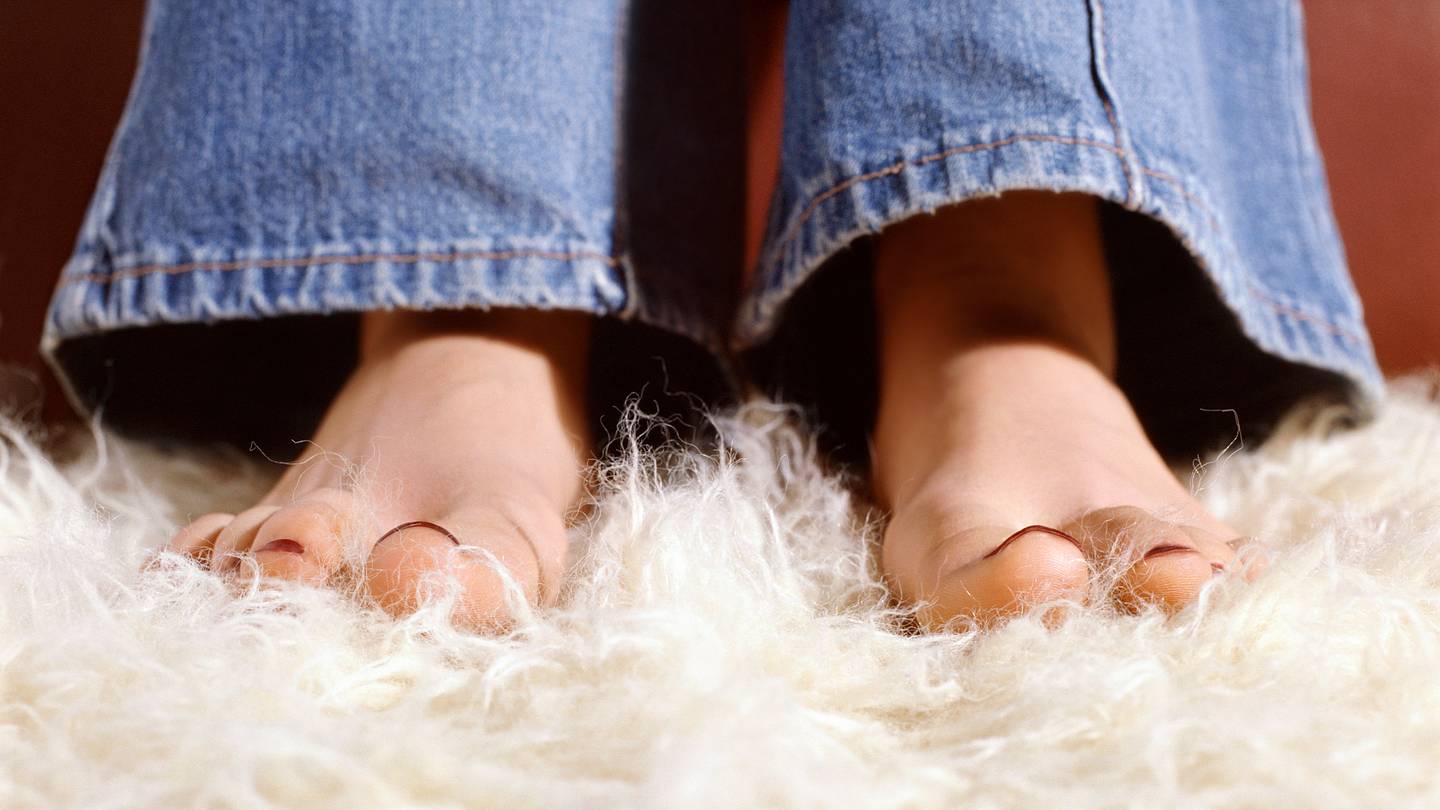

Once upon a very orange time, shag carpeting ruled the American home. It sprawled across living rooms, climbed into basements, softened conversation pits, and occasionally appeared in places where carpet had no business being, such as bathrooms. With its long, fluffy pile and dramatic personality, shag carpet was not merely flooring. It was a lifestyle choice, a conversation starter, and sometimes a snack trap for lost popcorn, coins, earrings, and possibly one missing TV remote from 1977.
Today, shag carpeting lives in a complicated corner of design history. People remember it fondly, laugh at it affectionately, and occasionally bring it back in smaller, more controlled doses. But the wall-to-wall shag carpet that defined many 1960s and 1970s interiors did not simply vanish because homeowners woke up one morning and decided they were done living inside a mammoth. Its fall from fashion came from a mix of changing taste, maintenance headaches, health concerns, new flooring options, and a broader cultural shift toward cleaner, simpler interiors.
So why did shag carpeting fall out of fashion? The answer is fuzzy, but not unclear.
The Rise of Shag Carpeting: When Floors Wanted to Party
Shag carpeting became especially popular in the United States during the 1960s and 1970s, a period when interior design was moving away from the restrained lines of mid-century modern style and toward comfort, self-expression, and sensory drama. Homes were becoming more casual. Family rooms, dens, and rec rooms invited people to lounge, listen to records, watch television, and entertain friends. Shag carpet fit that relaxed mood perfectly.
Unlike low-pile carpet, shag carpeting used long yarn fibers that stood up from the backing, creating a deep, plush texture. It looked soft. It felt soft. It turned the floor into something closer to furniture. In an era of sunken living rooms, low sofas, beanbag chairs, wood paneling, and avocado-green appliances, shag carpet made sense. It was cozy, theatrical, and proudly informal.
Color Was Part of the Performance
Shag carpet was not shy about color. Popular shades included harvest gold, burnt orange, chocolate brown, olive green, rust, cream, and occasionally colors so intense they seemed capable of making eye contact. These earthy and saturated tones matched the broader palette of 1970s interior design, which favored warmth, pattern, texture, and a certain “yes, we own fondue forks” confidence.
Wall-to-wall shag carpeting gave a room instant personality. A basement with shag became a hangout. A living room with shag became a lounge. A bedroom with shag became cozy enough to make slippers feel unemployed. For a while, it was the peak of modern comfort.
Why Shag Carpet Was So Appealing
To understand why shag carpeting fell out of fashion, it helps to understand why people loved it in the first place. The appeal was not imaginary. Shag carpet had real benefits, especially in the homes and lifestyles of its era.
It Felt Luxurious Underfoot
The biggest advantage was comfort. High-pile carpet gave homeowners a soft surface for walking, sitting, stretching, or letting kids play on the floor. It helped a room feel warmer and more inviting. In colder climates, wall-to-wall carpeting also provided a sense of insulation, making rooms feel less stark than tile, stone, or bare wood.
It Helped With Sound
Carpet can absorb sound, and shag carpet did this with enthusiasm. In homes filled with stereos, televisions, kids, guests, and basement parties, a thick carpet helped reduce echo. It made large rooms feel more intimate and softened the clatter of daily life. If hardwood floors say “tap, tap, tap,” shag says, “Relax, nobody heard you drop that bowl.”
It Matched the Culture of Casual Living
The 1970s home was often designed around comfort and socializing. People wanted rooms that felt personal rather than formal. Shag carpeting supported that mood. It was not polished like marble or buttoned-up like a formal Oriental rug. It invited bare feet, floor cushions, and the kind of living room where someone might play guitar badly but with great confidence.
The First Problem: Cleaning Shag Carpet Was a Full-Time Hobby
For all its charm, shag carpeting had a serious flaw: it was difficult to clean. Long fibers trap dust, crumbs, pet hair, lint, dirt, and allergens more easily than low-pile carpet or hard flooring. The same plush texture that made shag feel luxurious also made it a hiding place for household debris.
Vacuuming shag carpet was not always simple. Beater bars could tangle in the long fibers, and ordinary vacuums often struggled to reach dirt buried deep in the pile. Some homeowners used carpet rakes to fluff the fibers and keep the surface looking even. Yes, a carpet rake. Nothing says “modern living” like grooming your floor as if it were a golden retriever.
Spills Were Especially Unforgiving
Low-pile carpets can be difficult enough when someone spills coffee, juice, or red wine. Shag carpet made the situation more dramatic. Liquid could sink into the pile before anyone had time to react. Sticky spills clung to fibers. Food crumbs disappeared into the depths like tiny explorers never to be seen again.
Over time, homeowners began to realize that high-maintenance flooring was not ideal for busy family life, especially in homes with children, pets, or frequent guests. What looked glamorous in a magazine could become a cleaning puzzle in real life.
The Second Problem: Dust, Allergens, and Indoor Air Concerns
Another reason shag carpeting fell out of fashion was the growing awareness of indoor air quality. Carpets and rugs can act as reservoirs for dust, pollen, pet dander, mold spores, and other particles that enter the home. While regular vacuuming and professional cleaning can help, shag carpeting’s long pile made maintenance more demanding.
For households with allergies or asthma, deep-pile carpet could be a concern. Dust mites and allergens tend to collect where dust collects, and shag offered plenty of cozy real estate. By the late 20th century, more homeowners were thinking not only about how a room looked, but also about how easy it was to keep clean and healthy.
The Clean Home Became a Design Goal
As lifestyles changed, so did expectations. People wanted homes that were easier to maintain. The rise of busier dual-income households, improved vacuum technology, more health information, and stronger cleaning standards all pushed design toward practicality. A carpet that needed special attention began to feel less like luxury and more like an unpaid internship.
The Third Problem: Style Moved On
Design trends are famously disloyal. One decade’s “must-have” can become the next decade’s “what were we thinking?” By the 1980s, interiors began shifting away from the earthy, fuzzy, heavily textured look of the 1970s. Cleaner lines, lighter colors, sleeker surfaces, and more tailored carpeting became popular.
Minimalism and contemporary design did not immediately take over every American home, but the direction was clear. The shag carpet aesthetic started to feel dated. Those once-groovy colors became visual shorthand for old rec rooms, wood-paneled basements, and sitcom flashbacks.
Shag Became a Victim of Its Own Personality
Some design elements are flexible. A simple wood floor can work with farmhouse, modern, traditional, or industrial decor. Shag carpeting was harder to disguise. It had a strong identity. That identity was fun when the trend was hot, but once the style cooled, shag carpet became difficult to reinterpret.
Wall-to-wall burnt-orange shag does not whisper. It sings disco into a microphone shaped like a lava lamp. For homeowners trying to update a room, removing the shag was often the fastest way to make the space feel current.
The Fourth Problem: Better Flooring Options Entered the Room
Shag carpeting also lost ground because consumers gained more flooring choices. Hardwood flooring became increasingly desirable, especially as homeowners began valuing long-term durability and resale appeal. Laminate, vinyl plank, engineered wood, tile, and low-pile carpets offered alternatives that were easier to clean and more adaptable to changing decor.
By the 1990s and 2000s, many buyers associated hard-surface flooring with cleanliness and modernity. Area rugs became a popular compromise: homeowners could enjoy softness and color without committing an entire room to permanent carpet. If a rug became stained or dated, it could be cleaned, moved, replaced, or quietly retired without involving a renovation crew and emotional support snacks.
Low-Pile Carpet Looked More Practical
Carpet never disappeared, but the preferred styles changed. Shorter piles, tighter textures, neutral colors, and stain-resistant fibers became more appealing. These carpets offered comfort without the dramatic maintenance requirements of shag. In bedrooms, media rooms, and family spaces, carpet remained useful, but it became less flamboyant.
The Bathroom Carpet Problem Did Not Help
No discussion of shag carpeting would be complete without acknowledging one of the strangest chapters in American home design: carpeted bathrooms. Although not all bathroom carpet was shag, the era’s enthusiasm for wall-to-wall softness sometimes reached places where moisture was clearly plotting revenge.
Bathrooms need materials that handle water, humidity, spills, and cleaning products. Carpet in bathrooms could trap moisture, develop odors, and become difficult to sanitize. As homeowners became more aware of mold, mildew, and hygiene concerns, carpeted bathrooms became a cautionary tale. The phrase “bathroom shag carpet” now lands somewhere between design history and mild horror story.
Was Shag Carpeting Ever Truly Gone?
Although wall-to-wall shag carpeting fell out of mainstream fashion, shag never completely vanished. It survived as an area rug, especially in bedrooms, nurseries, dorm rooms, and cozy reading corners. Modern shag rugs are often more restrained than their ancestors. They may use softer neutrals, improved fibers, or smaller footprints that add texture without taking over the entire house.
Today’s designers sometimes use shag or high-pile rugs to bring warmth to minimalist spaces. The difference is intention. Instead of covering every inch of the room in avocado fuzz, modern interiors may use a cream shag rug under a coffee table, a wooly texture near a bed, or a playful accent in a child’s room.
The Comeback Is Smaller, Smarter, and Easier to Escape
Recent interest in 1970s-inspired interiors has revived warm colors, curved furniture, conversation pits, rattan, textured fabrics, and bold rugs. But the comeback is selective. Homeowners are borrowing the comfort and personality of the era without necessarily repeating every mistake. Modern shag is usually an accent, not a wall-to-wall commitment.
What Shag Carpet Teaches Us About Interior Design
The story of shag carpeting is not just about flooring. It is about how design responds to culture, technology, health concerns, and daily habits. Shag carpet became popular because it matched a moment when homes were becoming softer, more expressive, and more casual. It fell out of fashion because the same qualities that made it memorable also made it impractical.
That is the secret life of trends. A design feature must do more than look exciting in a photo. It has to survive muddy shoes, pets, spilled soda, changing taste, and the brutal honesty of sunlight. Shag carpeting looked like freedom in 1974. By 1988, it often looked like evidence.
Texture Still Matters
Even though shag carpeting declined, the desire for texture never went away. People still want homes that feel comfortable and personal. They still use rugs, throws, upholstered furniture, wall hangings, and layered textiles to soften rooms. The difference is that contemporary design usually balances texture with cleanability.
A home can be cozy without requiring a rake in the cleaning closet. That, perhaps, is progress.
Should You Use Shag Carpet Today?
Shag carpeting can still work beautifully when used thoughtfully. A shag area rug can warm up a bedroom, soften a modern living room, or add retro charm to a reading nook. It is best suited for low-traffic areas where spills are less likely and regular cleaning is realistic.
However, shag is less ideal for dining rooms, entryways, bathrooms, kitchens, or homes with heavy-shedding pets. If allergies are a concern, choose washable rugs, lower pile heights, or materials that are easier to vacuum. Before buying, consider not only how the rug looks on day one, but how it will look after six months of life, snacks, shoes, pets, and gravity.
How to Make Shag Feel Modern
To keep shag from looking like a time capsule, choose updated colors and controlled placement. Cream, ivory, charcoal, taupe, soft gray, and muted earth tones feel more current than full-room orange or lime green. Pair shag with clean-lined furniture, natural wood, simple lighting, and uncluttered decor. Let the texture be the star without asking it to perform a 12-minute disco solo.
Most importantly, buy a size that makes sense. A shag rug under a bed or seating area can feel luxurious. Wall-to-wall shag in a bathroom still feels like a dare.
Experiences and Memories: Living With the Fuzz
Anyone who grew up around shag carpeting tends to remember it with unusual clarity. It was not background decor. It had presence. People remember lying on it to watch Saturday morning cartoons, dragging fingers through the pile like tiny crop circles, or discovering that the carpet could hide almost anything smaller than a sandwich. Shag carpet made the floor part of childhood geography.
In many family rooms, shag was where life happened. Kids built forts on it. Teenagers sprawled across it while talking on corded phones. Parents hosted guests around coffee tables that were just low enough to guarantee someone would knock over a drink. The carpet absorbed noise, warmth, and the general chaos of home. It made rooms feel casual at a time when formal living rooms still existed as museum exhibits for company.
But the nostalgia often comes with a second memory: cleaning day. Vacuuming shag carpet could be a battle. The machine growled. The fibers resisted. Someone had to move furniture, rescue trapped cords, and sometimes brush or rake the pile back into shape. If a pet lived in the house, the carpet became a fur archive. If a child spilled cereal, the floor kept a portion for historical records.
Visitors also had opinions. Some loved the softness immediately and kicked off their shoes. Others looked at the carpet with suspicion, as if it might contain a family of raccoons. That split reaction explains much of shag carpet’s legacy. It was comfortable and ridiculous, stylish and impractical, memorable and slightly exhausting.
For homeowners renovating older houses today, discovering original shag carpet can feel like opening a design time capsule. Underneath may be hardwood, plywood, or another layer of questionable decisions. Removing shag can instantly brighten a room, but it can also feel strangely emotional. Even outdated materials carry stories. The carpet may be ugly by current standards, but it witnessed birthdays, holidays, first apartments, basement bands, and decades of ordinary life.
Modern shag rugs offer a gentler version of that experience. They give a room softness without requiring total surrender. A small shag rug beside a bed can make winter mornings nicer. A textured rug in a den can make movie night feel cozy. The key is moderation. Shag works best today when it is invited as a guest, not handed the deed to the property.
The lesson from real-life experience is simple: comfort matters, but maintenance matters too. A beautiful home is not only one that photographs well. It is one that can be lived in without turning every spill into an emergency meeting. Shag carpeting fell out of fashion because homeowners eventually wanted floors that did not demand so much attention. Still, its fuzzy memory remains because, for all its flaws, shag made homes feel playful, warm, and unmistakably human.
Conclusion: The Floor That Flew Too Close to the Sun
Shag carpeting fell out of fashion because it was both iconic and inconvenient. Its long pile delivered comfort, warmth, sound absorption, and unmistakable style, but it also trapped dirt, allergens, odors, and crumbs with impressive dedication. As interior design shifted toward cleaner lines and easier maintenance, wall-to-wall shag began to look less like luxury and more like a chore wearing a wig.
Still, shag carpet deserves its place in design history. It captured the spirit of the 1960s and 1970s: bold, relaxed, tactile, colorful, and unafraid of being a little weird. Today, shag survives in smaller, smarter ways, especially as area rugs that add texture without overwhelming a room. The full-room fuzzy kingdom may have fallen, but the memory remains soft underfoot.
Note: This article is based on synthesized information from reputable U.S. design, flooring, home-improvement, public health, and consumer resources, rewritten as original content for web publication.