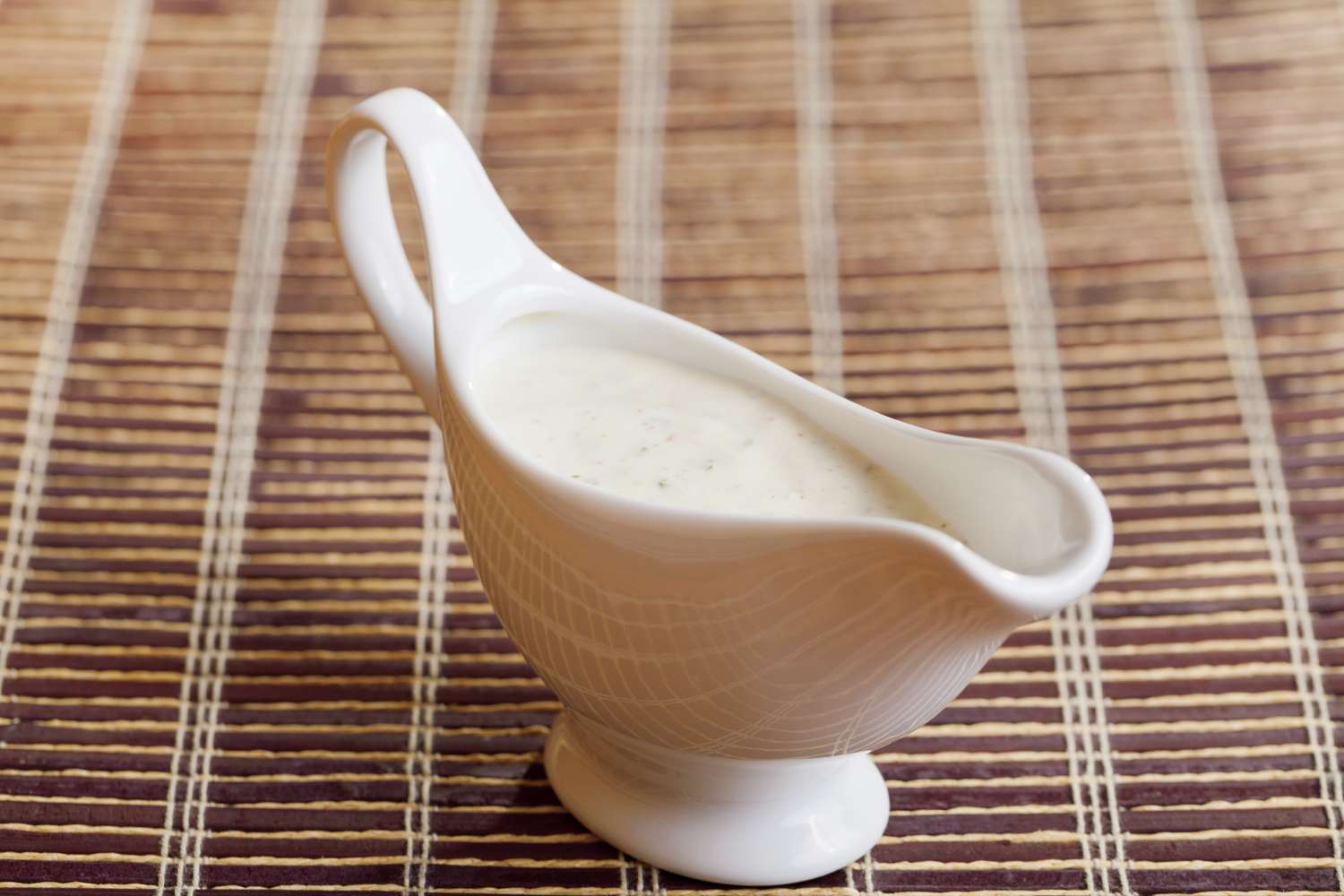

If you have ever wondered how a tiny can of evaporated milk can turn a bowl of plain lettuce into something your grandmother would proudly place next to schnitzel, potatoes, or Sunday roast, welcome to the deliciously practical world of German salad dressing with evaporated milk. This creamy, sweet-tangy dressing is old-fashioned in the best possible way: affordable, fast, nostalgic, and surprisingly elegant when made with the right balance of vinegar, sugar, salt, pepper, onion, and herbs.
Unlike heavy mayonnaise-based dressings, this German-style salad dressing tastes light but still feels creamy. The evaporated milk gives it body, the vinegar wakes everything up, and the sugar softens the sharpness without turning your salad into dessert. Think of it as the dressing equivalent of a friendly aunt who brings order to the picnic table while somehow making everyone laugh.
This recipe is especially good for tender lettuces, cucumber salad, tomato salad, radishes, shredded cabbage, and simple garden greens. It is also a smart choice when you want a creamy salad dressing without sour cream, yogurt, or mayonnaise. Best of all, it takes about five minutes to make, which means the hardest part is opening the can without splashing your counter like a tiny dairy volcano.
What Is German Salad Dressing With Evaporated Milk?
German salad dressing with evaporated milk is a creamy, lightly sweet, tangy dressing often associated with family-style German and German-American cooking. Many versions are built around a simple formula: canned evaporated milk, vinegar, sugar, salt, pepper, and sometimes finely minced onion or fresh herbs. It is commonly used on soft lettuce salads, cucumber salads, and old-fashioned garden salads.
The key ingredient, evaporated milk, is milk with much of its water removed. That concentration gives it a slightly richer texture than regular milk and a mild cooked-milk flavor. When mixed with vinegar, it thickens slightly and creates a creamy dressing without needing eggs or mayonnaise. The result is smooth, pourable, and pleasantly tangy.
In many German-inspired kitchens, this kind of dressing belongs to the “Oma recipe” category: simple ingredients, no drama, and a flavor that makes people say, “Wait, why is this lettuce so good?” It does not try to be fancy. It simply knows what it is doing.
Why Evaporated Milk Works So Well in Salad Dressing
Evaporated milk is the quiet hero of this recipe. Because it is thicker than regular milk, it creates a dressing with more body. It also has a mellow flavor that blends beautifully with vinegar and sugar. When the acid is added, the mixture may look slightly curdled at first, but whisking brings it together into a creamy dressing.
The balance is important. Too much vinegar and the dressing becomes harsh. Too much sugar and it tastes like it wandered away from a dessert table. Too little salt and everything feels flat. The goal is a creamy German salad dressing that tastes sweet, sour, salty, and fresh all at once.
This recipe is also flexible. White wine vinegar gives a clean, bright taste. Apple cider vinegar makes it fruitier and more rustic. White balsamic vinegar adds gentle sweetness. Fresh dill makes it perfect for cucumber salad, while parsley and chives make it lovely on butter lettuce or mixed greens.
German Salad Dressing With Evaporated Milk Recipe
Recipe Overview
- Prep time: 5 minutes
- Chill time: 20 to 60 minutes, optional but recommended
- Total time: About 25 minutes
- Servings: 4 to 6
- Best for: Lettuce salad, cucumber salad, tomato salad, cabbage slaw, radishes, and simple garden greens
Ingredients
- 1 small can evaporated milk, about 5 ounces
- 2 tablespoons white wine vinegar, apple cider vinegar, or white balsamic vinegar
- 1 1/2 to 2 tablespoons granulated sugar, adjusted to taste
- 1/2 teaspoon fine salt
- 1/4 teaspoon freshly ground black pepper
- 1 to 2 tablespoons very finely minced onion, optional
- 1 tablespoon chopped fresh dill, parsley, or chives, optional
- 6 to 8 cups tender lettuce, sliced cucumbers, or mixed salad vegetables
Instructions
- Start with the milk. Pour the evaporated milk into a medium mixing bowl or a jar with a tight lid.
- Dissolve the seasonings. Add the sugar, salt, and black pepper. Whisk until the sugar and salt are mostly dissolved.
- Add the vinegar slowly. Pour in the vinegar while whisking. The dressing may thicken slightly. If it looks a little separated at first, keep whisking.
- Stir in flavor boosters. Add minced onion and herbs if using. Dill is excellent for cucumber salad, while parsley and chives are great with lettuce.
- Chill for better flavor. Cover and refrigerate for at least 20 minutes. This gives the onion and herbs time to mellow into the dressing.
- Taste and adjust. Add a little more vinegar for tang, sugar for sweetness, or salt for balance.
- Toss just before serving. Pour over lettuce or vegetables and toss gently. Tender greens wilt quickly, so dress the salad at the last minute.
Best Salad Greens and Vegetables to Use
This dressing shines with soft, delicate vegetables. Butter lettuce is one of the best choices because its tender leaves hold the creamy dressing without becoming heavy. Leaf lettuce, romaine hearts, and spring mix also work well. For a more traditional German-inspired side, use thinly sliced cucumbers and onions with dill.
Cucumbers are especially good because they bring crunch and freshness. For best results, slice them thinly and sprinkle them with a little salt. Let them sit for 15 to 20 minutes, then drain off the extra liquid before adding the dressing. This keeps the salad from becoming watery. Nobody wants a cucumber salad that looks like it gave up and became soup.
Tomatoes, radishes, shredded carrots, cabbage, and cooked potatoes can also work. If using cabbage, let the dressing sit on the salad for 20 to 30 minutes before serving so the cabbage softens slightly. If using potatoes, cool them first and fold the dressing in gently so the salad stays creamy rather than mashed.
Flavor Variations
Classic Sweet and Sour German Dressing
Use white wine vinegar, sugar, salt, pepper, and minced onion. This is the cleanest, most traditional-tasting version. It is excellent with butter lettuce or soft green leaf lettuce.
Dill Cucumber Version
Add 1 to 2 tablespoons of fresh dill and use apple cider vinegar. Toss with thinly sliced cucumbers and sweet onion. Chill for at least 30 minutes before serving.
Herby Garden Salad Version
Add chopped parsley, chives, and a tiny pinch of garlic powder. This version tastes fresh and bright, making it ideal for mixed greens, radishes, and tomatoes.
Less Sweet Version
Use only 1 tablespoon of sugar and increase the vinegar slightly. This makes the dressing sharper and more modern while keeping the creamy German-style character.
Extra Creamy Version
Use full-fat evaporated milk and reduce the vinegar by 1 teaspoon. This creates a softer, richer dressing that feels closer to a cream dressing.
Tips for Getting the Texture Right
The dressing should be creamy and pourable, not thick like ranch and not watery like vinaigrette. If it is too thin, chill it for 30 minutes. The flavor and texture improve as it rests. If it is still too thin, whisk in an extra tablespoon of evaporated milk. If it is too thick or too sweet, add a small splash of vinegar.
Always whisk the sugar and salt into the evaporated milk before adding the vinegar. This helps the seasonings dissolve evenly. Add the vinegar gradually and keep whisking. The acid reacts with the milk proteins, which is part of what gives the dressing its lightly thickened body.
For the smoothest flavor, mince the onion very finely. Large chunks of raw onion can bully the dressing. A little onion is charming; too much onion walks into the room wearing tap shoes.
How to Store Homemade Evaporated Milk Salad Dressing
Store leftover dressing in a covered jar or airtight container in the refrigerator. Because this is a dairy-based dressing, keep it cold and use it within 3 to 4 days for best quality. Stir or shake before serving because natural separation can happen.
Do not leave the dressing or dressed salad sitting at room temperature for long periods. If serving at a picnic, barbecue, or buffet, keep it chilled until serving time. For the freshest texture, store the dressing and salad vegetables separately, then toss them together right before eating.
What to Serve With German Salad Dressing
This dressing is a natural sidekick for German-style comfort food. Serve it with pork schnitzel, bratwurst, roast chicken, grilled sausages, potato pancakes, or warm German potato salad. The creamy tang cuts through rich foods and makes the plate feel balanced.
It also works beautifully with everyday dinners. Try it beside baked chicken, pan-seared pork chops, roasted potatoes, grilled fish, or a simple sandwich. Since the dressing is sweet-tangy and mild, it is friendly enough for family meals but interesting enough for guests.
For a light lunch, toss it with butter lettuce, cucumbers, radishes, hard-boiled eggs, and fresh herbs. Add toasted rye bread or pretzel rolls on the side, and you have a simple meal that tastes far more thoughtful than the effort required.
Common Mistakes to Avoid
Using Too Much Vinegar at Once
Add vinegar gradually. You can always add more, but once the dressing becomes too sharp, you will need extra evaporated milk and sugar to bring it back into balance.
Skipping the Chill Time
The dressing can be used right away, but chilling improves the flavor. Even 20 minutes helps the sugar dissolve fully and the onion mellow.
Dressing the Salad Too Early
Tender lettuce wilts quickly under creamy dressing. Toss the salad just before serving so the leaves stay fresh and lively.
Forgetting to Taste
German salad dressing is all about balance. Different vinegars vary in strength, and evaporated milk brands can taste slightly different. Taste before serving and adjust like a confident home cook, not like someone afraid of a teaspoon.
Frequently Asked Questions
Can I use regular milk instead of evaporated milk?
You can, but the dressing will be thinner and less creamy. Evaporated milk gives this recipe its signature texture. If using regular milk, use whole milk and reduce the vinegar slightly.
Can I make this dressing without sugar?
Yes, but the flavor will be sharper. Sugar balances the vinegar and gives the dressing its classic sweet-sour taste. You can reduce it or use a sugar substitute if preferred.
Is this dressing the same as German cucumber salad dressing?
It can be used for German cucumber salad, but some cucumber salad recipes use sour cream, yogurt, or heavy cream instead. The evaporated milk version is lighter, pantry-friendly, and pleasantly old-fashioned.
Can I make it ahead?
Yes. Make the dressing up to 1 day ahead and store it in the refrigerator. Stir well before using. For best texture, do not toss it with lettuce until just before serving.
What vinegar tastes best?
White wine vinegar is classic and clean. Apple cider vinegar adds a gentle fruitiness. White balsamic vinegar creates a sweeter, softer dressing. Distilled white vinegar works too, but use a little less because it can taste sharper.
Personal Kitchen Experience: Making German Salad Dressing With Evaporated Milk
The first time I made German salad dressing with evaporated milk, I expected it to taste like a shortcut. It looked almost too simple: milk from a can, vinegar, sugar, salt, pepper, and onion. That ingredient list does not exactly swagger into the kitchen wearing a chef’s jacket. But after one bite over crisp lettuce and cucumbers, the whole thing made sense. It was creamy without being heavy, sweet without being silly, and tangy enough to make plain vegetables suddenly behave like they had dinner reservations.
The biggest lesson is that this recipe rewards small adjustments. On one test, I used apple cider vinegar and fresh dill with sliced cucumbers. That version tasted like summer in a bowl, especially after chilling for about an hour. The cucumbers released a little liquid, the dressing became thinner, but the flavor was fantastic. The next time, I salted and drained the cucumbers first, and the texture improved immediately. That one tiny step made the salad taste cleaner and more intentional.
Another useful discovery: the onion matters more than expected. Finely minced onion gives the dressing a savory backbone. Without it, the dressing is still good, but it leans more sweet and creamy. With onion, it becomes a real salad dressing instead of just a pleasant dairy sauce. The trick is to mince the onion as finely as possible. If the pieces are too large, they dominate the bite. If they are tiny, they blend into the dressing and give it that old-world kitchen flavor that tastes like someone’s grandmother knew exactly what she was doing.
Fresh herbs also change the personality of the dressing. Dill makes it taste traditional and cucumber-friendly. Parsley keeps it clean and mild. Chives add a delicate onion flavor without being aggressive. A mix of dill and chives is probably my favorite for lettuce salads because it makes the dressing feel fresh while still respecting its creamy, sweet-sour roots.
One practical tip from repeated testing is to make the dressing in a jar. Add the evaporated milk, sugar, salt, and pepper first, shake until dissolved, then add the vinegar and shake again. It is fast, tidy, and easy to store. Also, shaking a jar of salad dressing makes you feel productive in a very low-risk way, which is sometimes exactly the kind of victory a weeknight dinner needs.
This dressing is especially useful when the refrigerator looks uninspiring. A few lettuce leaves, half a cucumber, some radishes, or even leftover cabbage can become a proper side dish with this recipe. It turns “we should probably eat a vegetable” into “why did nobody make more salad?” That is the magic of a good traditional dressing: it does not require expensive ingredients or complicated technique. It simply understands balance.
For the best experience, serve the salad cold, toss it lightly, and eat it soon after dressing. The flavor is gentle but memorable, and it pairs beautifully with rich, salty, or fried foods. If your dinner plate has sausage, potatoes, schnitzel, roast chicken, or anything golden and crispy, this creamy German salad dressing brings freshness to the table like a polite but firm reminder to eat your greens.
Conclusion
German salad dressing with evaporated milk is proof that simple recipes can still surprise you. With just a handful of pantry ingredients, you get a creamy, sweet-tangy dressing that works on lettuce, cucumbers, tomatoes, cabbage, and more. It is quick enough for weeknights, nostalgic enough for family gatherings, and flexible enough to adjust to your taste.
The secret is balance: evaporated milk for creaminess, vinegar for brightness, sugar for softness, salt for structure, and onion or herbs for depth. Make it once, and it may become one of those recipes you stop measuring because your taste buds start handling the paperwork.
Note: This article is written for web publication in standard American English and synthesizes traditional German-style dressing methods, common home-cooking practices, and practical food preparation guidance without inserting source links.