
Some kitchen tools look like they belong in a laboratory. Some look like they were designed during a meeting titled “How many plastic parts can we add before people cry?” And then there is the Hario Cold Tea Brewer, better known by many tea lovers as the Hario Filter-in Bottle: a sleek, wine-bottle-shaped glass brewer that makes cold brewed tea feel less like a chore and more like a tiny refrigerator spa treatment for your tea leaves.
If you love iced tea but dislike bitterness, cloudy results, melted ice dilution, or the sad office-pantry tea bag floating in lukewarm water like it has given up on life, this brewer deserves your attention. The Hario Cold Tea Brewer is designed for slow, gentle extraction using cold water, loose-leaf tea, fruit, herbs, or light infusions. Instead of blasting tea leaves with boiling water and then apologizing with ice cubes, it lets them steep calmly in the refrigerator until the flavors become smooth, aromatic, and naturally refreshing.
At its core, the Hario Cold Tea Brewer is simple: add tea, add water, chill, pour. But the reason it has become a favorite among cold brew tea fans is not just simplicity. It combines Japanese heatproof glass, a built-in removable filter, a silicone spout, and a refrigerator-friendly shape that looks elegant enough to bring directly to the table. It is the rare kitchen gadget that actually earns its counter space, even if your counter is already hosting a toaster, a coffee grinder, and three bananas aging dramatically.
What Is the Hario Cold Tea Brewer?
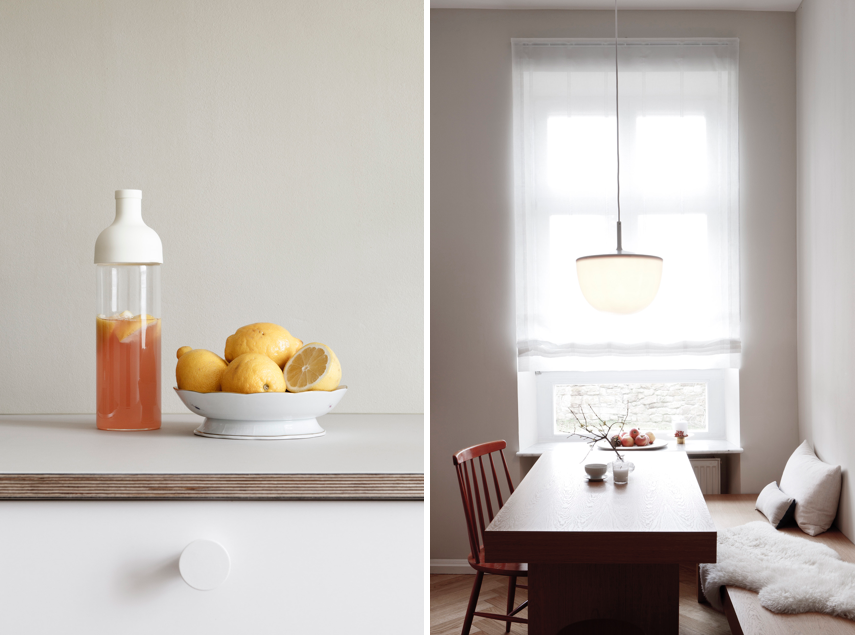
The Hario Cold Tea Brewer is a glass cold brew tea bottle with an integrated filter built into the spout. Hario’s popular 750 ml version is often sold as the Hario Cold Brew Tea Wine Bottle or Hario Filter-in Bottle. The “wine bottle” idea is not just decorative. Hario designed the brewer so cold tea could be served at meals with the same easy elegance as wine, minus the corkscrew, hangover, and awkward toast from your uncle.
The bottle typically holds 750 milliliters, or about 25 ounces, making it ideal for two to four servings depending on glass size and how much ice you use. Its dimensions are compact enough for most refrigerator doors, and the narrow neck makes pouring cleaner than using a large pitcher. The removable filter catches tea leaves as you pour, so there is no need to strain your tea into another container.
The main materials are heatproof glass for the body, silicone rubber for the spout and stopper, and polypropylene for the filter. This material combination gives the brewer its lightweight, clean look while making it practical for everyday use. It is not a complicated machine. There are no buttons, cords, apps, subscription pods, or Bluetooth pairing rituals. It is just good design doing what good design should do: quietly making your life better.
Why Cold Brew Tea Tastes Different
Cold brew tea is not simply hot tea that forgot to get warm. It is a different extraction method. When tea leaves steep in cold water, they release flavor more slowly. This usually produces a smoother, less bitter drink because cold water extracts fewer harsh tannins than boiling water. The result can taste naturally sweeter and more delicate, especially with green tea, white tea, oolong, jasmine tea, herbal blends, and fruit-forward infusions.
Hot brewed iced tea can be delicious, but it is also easy to overdo. A few extra minutes in hot water can push black tea into “why does this taste like a wooden spoon?” territory. Cold brewing gives you a larger margin of error. It is forgiving, mellow, and surprisingly good at bringing out floral, grassy, fruity, and roasted notes that may get buried in hot brewing.
Cold brewing also avoids the safety concerns often associated with old-fashioned sun tea. While sun tea may sound charming in a front-porch sort of way, leaving tea in warm outdoor temperatures can encourage bacterial growth. Refrigerator cold brewing is cleaner, more predictable, and does not require trusting the weather forecast.
Key Features of the Hario Cold Tea Brewer
1. Built-In Filter for Easy Pouring
The filter sits inside the spout, which means the tea is strained automatically as you pour. Loose leaves stay behind in the bottle instead of landing in your glass like tiny botanical confetti. This is especially helpful with larger tea leaves, fruit pieces, mint, citrus peel, and herbal blends.
2. 750 ml Capacity for Daily Use
The standard 750 ml Hario Cold Tea Brewer is big enough to make a useful batch but not so large that it dominates the fridge. It is ideal for one person who drinks tea throughout the day or for two people sharing iced tea with lunch or dinner.
3. Heatproof Glass Body
Hario is known for glassware, and the brewer’s heatproof glass body gives it a premium feel. While the product is designed mainly for cold brewing, the glass construction adds durability and clarity. You can see the color of your tea develop, which is half useful and half kitchen theater.
4. Silicone Spout and Stopper
The flexible silicone top helps with grip and pouring. It also gives the bottle its distinctive modern look. Depending on the model, colors may include olive green, smokey green, white, smokey pink, and other seasonal shades.
5. Table-Friendly Design
Many iced tea makers look like they were built to live permanently behind a refrigerator shelf. The Hario bottle looks good enough to serve from directly. Put it on a brunch table with lemon slices and suddenly everyone assumes you are the kind of person who alphabetizes spices. Let them believe it.
How to Use the Hario Cold Tea Brewer
The best part of the Hario Cold Tea Brewer is how little drama it requires. You do not need barista training, tea ceremony certification, or a digital scale unless you enjoy precision. Here is a practical starting method.
Basic Cold Brew Tea Recipe
Add 8 to 12 grams of loose-leaf tea to the bottle. If you do not have a scale, start with about 2 to 4 teaspoons, depending on leaf size and tea type. Large rolled oolong leaves need more volume than fine black tea leaves. Add cold, filtered water up to the bottle’s capacity line or near the neck. Attach the filter and silicone top, then place the bottle in the refrigerator.
Steep for 4 to 8 hours for green, white, and lighter oolong teas. For black tea, roasted oolong, hojicha, herbal tea, or fruit infusions, 8 to 12 hours may give better flavor. Taste before serving. If it is too light, steep longer next time or use more tea. If it is too strong, dilute with cold water or pour over extra ice. Tea is forgiving. It is not a soufflé.
Best Tea Types for the Hario Cold Tea Brewer
Green tea is one of the best choices for cold brewing. Sencha, jasmine green tea, genmaicha, and dragon well can become soft, grassy, and refreshing. Oolong tea is another excellent option, especially floral Taiwanese oolongs or roasted varieties with honeyed notes. Black tea works well when you want a classic iced tea flavor without aggressive bitterness. White tea produces delicate, fragrant results. Herbal teas, including hibiscus, mint, chamomile, rooibos, and fruit blends, can become colorful caffeine-free drinks for afternoons and evenings.
For a fun twist, add sliced strawberries, peach, cucumber, lemon, orange peel, basil, rosemary, or mint. Just keep fruit pieces large enough that they do not clog the filter. Nobody wants to negotiate with a strawberry chunk at 7 a.m.
Hario Cold Tea Brewer vs. Regular Iced Tea Pitcher
A regular pitcher can make iced tea, of course. A mason jar can make iced tea. In desperate times, a clean pasta sauce jar can make iced tea. But the Hario Cold Tea Brewer improves the process in several ways.
First, the built-in filter removes the need for a separate strainer. Second, the bottle shape fits neatly in refrigerator doors. Third, the glass body does not hold odors the way some plastic pitchers can. Fourth, the design makes serving more graceful. You can bring it to the table without making your guests feel like they are being served from a storage container labeled “leftover soup.”
The tradeoff is capacity. If you are making iced tea for a party, the 750 ml Hario bottle may be too small. In that case, a large pitcher or gallon iced tea maker is more practical. But for daily use, the Hario bottle hits a sweet spot: compact, attractive, easy to clean, and simple to use.
Pros and Cons
Pros
The Hario Cold Tea Brewer produces smooth, low-bitterness tea with very little effort. It works beautifully with loose-leaf tea and allows easy experimentation with fruit and herbs. The built-in filter makes pouring convenient, and the slim bottle fits well in many refrigerator doors. Its glass body looks clean and elegant, and the removable parts make cleanup straightforward.
Cons
The glass body requires more care than plastic. It is not the best choice for tossing into a backpack or carrying to work unless you protect it well. The 750 ml capacity may be small for families or heavy iced tea drinkers. Very fine tea particles can occasionally pass through the filter, especially with broken-leaf tea or dusty herbal blends. And because cold brewing takes several hours, it rewards people who remember to plan ahead. In other words, your future self needs to help your thirsty present self.
Cleaning and Maintenance Tips
Cleaning the Hario Cold Tea Brewer is easy if you do it soon after use. Remove the silicone top and filter, discard the spent tea leaves, and rinse all parts with warm water. For deeper cleaning, use mild dish soap and a soft bottle brush. Avoid abrasive scrubbers on the glass and filter. If fruit or herbs leave fragrance behind, soak the bottle with warm water and a small amount of baking soda, then rinse thoroughly.
The filter is the most important part to clean carefully. Tea leaves can cling to the mesh or plastic grooves, especially small rooibos needles or fine green tea particles. A gentle rinse from the reverse side of the filter usually clears trapped bits. Let all parts dry before reassembling to prevent stale odors.
Who Should Buy the Hario Cold Tea Brewer?
The Hario Cold Tea Brewer is perfect for tea drinkers who want a smoother homemade iced tea without using sweeteners to cover bitterness. It is also a great fit for loose-leaf tea fans, design-conscious kitchens, small households, and anyone who wants a healthier alternative to bottled sugary drinks.
It is especially useful if you like to prepare drinks in advance. Make a bottle before bed and wake up to cold tea that is ready to pour. Make one in the morning and enjoy it with dinner. Keep a bottle of mint green tea in the refrigerator during summer and you will feel approximately 34 percent more organized, which is not scientifically official but feels emotionally accurate.
However, it may not be the best choice if you need a rugged travel bottle, a family-size iced tea maker, or a brewer for very fine powdered teas. Matcha, for example, is better whisked separately because it does not steep like leaf tea. The Hario brewer is built for infusion, not suspension.
Best Flavor Combinations to Try
Jasmine Green Tea with Cucumber
This combination is clean, floral, and spa-like. Add jasmine green tea and a few thin cucumber slices. Steep for 4 to 6 hours. Serve over ice with a mint sprig if you want your glass to look like it belongs at a boutique hotel.
Black Tea with Peach and Lemon
Use a smooth black tea, a few peach slices, and a strip of lemon peel. Steep overnight. The result is classic iced tea with a fruitier, softer edge.
Hojicha with Orange Peel
Roasted Japanese hojicha cold brews into a mellow, nutty drink. Add a small piece of orange peel for brightness. This is a great evening option because hojicha is often lower in caffeine than many other green teas.
Hibiscus with Strawberry and Mint
For a caffeine-free ruby-red drink, combine hibiscus with sliced strawberries and fresh mint. The flavor is tart, fruity, and refreshing. Add a little honey syrup after brewing if you prefer a sweeter tea.
Buying Tips
When shopping for a Hario Cold Tea Brewer, check the product name and capacity carefully. Hario makes several cold brew bottles, including tea and coffee versions. The tea-focused Filter-in Bottle is usually 750 ml, while some cold brew coffee bottles have different capacities and filter designs. Look for a glass body, removable filter, silicone spout, and the color you prefer.
If you plan to use the brewer daily, consider buying two bottles. That may sound excessive until you realize one can hold green tea while the other holds hibiscus mint. Suddenly you are not excessive; you are hydrated with options.
Experience Notes: Living With the Hario Cold Tea Brewer
The first thing you notice about using the Hario Cold Tea Brewer is that it changes your tea routine from reactive to prepared. Instead of waiting until you are thirsty and then attacking a kettle, you start thinking one bottle ahead. That sounds small, but it makes a difference. A bottle of cold brewed tea in the refrigerator feels like a tiny luxury waiting for you after errands, workouts, long work calls, or the emotional obstacle course known as checking your inbox.
In daily use, the Hario bottle shines because it removes friction. Loose-leaf tea can feel fussy when you need an infuser, a mug, a timer, a kettle, and then another container for chilling. With this brewer, the bottle is the brewing vessel, storage container, strainer, and serving carafe all at once. Add tea and water, place it in the fridge, and forget about it until later. The process is so calm that it almost feels suspicious. Surely tea should require more effort? Apparently not. Sometimes civilization does move forward.
The flavor difference is most obvious with green tea. Hot brewed green tea can turn bitter quickly if the water is too hot or the steep runs long. In the Hario Cold Tea Brewer, the same tea often becomes softer, rounder, and more refreshing. Jasmine tea tastes more floral. Sencha tastes cleaner. Oolong develops a gentle sweetness. Even basic black tea becomes smoother and more drinkable without needing a heroic amount of sugar.
The bottle also encourages experimentation. Leftover berries? Add a few. Mint looking dramatic in the produce drawer? Give it a job. A lemon that has been reduced to one lonely wedge? Into the bottle it goes. The Hario brewer makes infused tea feel casual rather than precious. You can create a cucumber mint green tea for lunch, a peach black tea for the afternoon, or a hibiscus berry blend for a caffeine-free evening drink.
There are a few practical lessons. Do not overfill the bottle if you are adding fruit, because displacement is real and so is countertop cleanup. Avoid tiny fruit seeds and very fine tea dust when possible, because they may sneak through the filter. Give the filter a proper rinse right after pouring the last glass. And remember that glass is glass. The bottle feels sturdy, but it is still not a gym bag bottle or a “throw it into the car and hope” bottle.
Overall, the experience is pleasantly low-maintenance. The Hario Cold Tea Brewer makes cold tea feel like something you can keep in regular rotation, not a weekend project. It is attractive enough for guests, simple enough for weekdays, and flexible enough for serious tea lovers and casual iced tea drinkers alike. Best of all, it helps you drink more tea without turning your kitchen into a beverage laboratory. Though, to be fair, a beverage laboratory sounds pretty fun.
Conclusion
The Hario Cold Tea Brewer is one of those rare products that succeeds because it does less, not more. It does not heat, flash-chill, buzz, beep, or demand counter space like a tiny appliance with ambition. Instead, it gives tea leaves time, cold water, and a smart built-in filter. The result is smooth, refreshing cold brew tea that is easy to prepare and elegant to serve.
For people who love iced tea, loose-leaf tea, herbal infusions, or beautiful Japanese glassware, the Hario brewer is a practical upgrade. It will not replace a giant party pitcher, and it needs a little care because of its glass body. But for everyday cold tea at home, it is simple, stylish, and highly enjoyable. Add tea, add water, refrigerate, pour, sip, repeat. That is not just a recipe; that is a lifestyle with better hydration.
Note: This article is written in original American English for web publishing and is based on verified product specifications, cold brew tea methods, and practical tea-brewing experience.