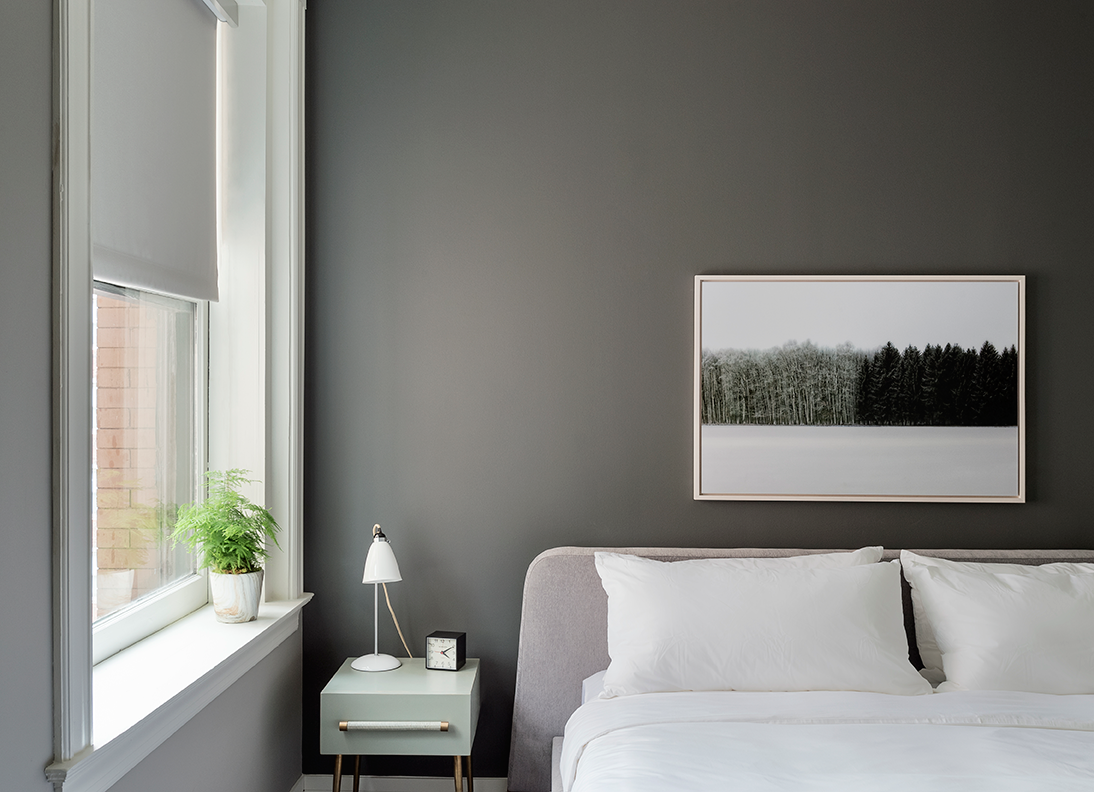

Some lamps are just lamps. They sit there, do the bare minimum, and act like lighting a room is a huge personal sacrifice. The Hector Table Lamp is not one of those lamps. It is one of those rare pieces that manages to be practical, stylish, and quietly charismatic at the same time. It does not shout. It does not perform acrobatics. It simply shows up with beautiful materials, thoughtful proportions, and the kind of glow that makes a room feel more expensive than it probably is.
In a market full of trendy mushroom lamps, viral cordless lights, and sculptural objects that sometimes forget they are supposed to actually illuminate something, the Hector Table Lamp still feels refreshingly grounded. It is classic without being stuffy, modern without being cold, and useful without looking like office equipment that escaped from 2008. That balance is exactly why designers, retailers, and home editors keep circling back to it.
What Is the Hector Table Lamp?
The Hector Table Lamp is best known as part of the Original BTC lighting family, a collection associated with refined British design and handcrafted bone china shades. At its core, the lamp is a study in restraint: a clean silhouette, a movable shade, a base that feels stable without looking bulky, and a braided cable that adds just enough visual texture to keep the whole piece from feeling too polished.
What makes Hector memorable is not some outrageous gimmick. It is the material story. Fine bone china gives the shade a soft translucency, so the lamp looks elegant when switched off and even better when switched on. Instead of blasting a room with harsh light like an interrogation lamp from a crime drama, it creates a focused beam for reading or working while still giving off a gentle ambient glow. That dual personality is a big part of its appeal.
Over time, the Hector line has expanded into several variations, including dome and pleated shades, updated anniversary editions, and the Bibendum version inspired by Sir Terence Conran. But the central idea remains the same: thoughtful task lighting wrapped in timeless design.
Why the Hector Table Lamp Still Stands Out
1. The bone china glow is the real star
Plenty of lamps can point light downward. Fewer can make the lamp itself look luminous. That is where Hector separates itself from generic metal task lamps. Bone china has a subtle glow when illuminated, which gives the shade a warm, almost lantern-like quality. In practical terms, this means the lamp can feel useful and cozy at the same time. It works for focused reading light, but it does not make your bedroom or desk area feel like a dental exam.
2. It is functional in a genuinely everyday way
Good design earns its keep, and Hector does. The adjustable shade makes it easy to direct light where you need it most, whether that is across a keyboard, onto a novel, or over a stack of mail you have been heroically ignoring for three days. This is not decorative lighting pretending to be task lighting. It is actually useful. That alone makes it more interesting than many trendy lamps that win on Instagram and lose in real life.
3. The details do a lot of heavy lifting
One of the smartest things about the Hector Table Lamp is how much personality it squeezes out of modest details. The braided cable adds softness. The shape of the shade feels tailored rather than flashy. The base is neat and compact. The overall effect is calm and intentional. It is the interior-design equivalent of someone who dresses simply but somehow always looks better than everybody else at brunch.
4. It crosses styles without losing itself
Hector is one of those rare lamps that can work in a lot of decorating schemes without becoming bland. It looks right at home in minimalist, Scandinavian-inspired spaces, but it also works beautifully in traditional rooms, eclectic apartments, and layered interiors that mix old and new. Put it on a walnut desk, a painted nightstand, a marble side table, or a shelf in a reading corner, and it still makes sense. That kind of range is not accidental. It comes from a design that knows exactly what it is.
The Main Hector Table Lamp Variations to Know
Hector Dome Table Lamp
This is probably the version most people picture first. It has the classic rounded shade and a straightforward, highly versatile silhouette. If you want the purest expression of the Hector idea, the dome version is the safe bet. It feels equally at home on a bedside table, a desk, or an accent table in a living room.
Hector Pleat Table Lamp
The pleated version adds more texture and visual intricacy. From a distance, the shade can almost look like folded paper or fabric, which makes it especially interesting because it is still bone china. If the dome is the minimalist cousin, the pleat is the one with a bit more flair. Still tasteful, still restrained, just a touch dressier.
Hector 30
The Hector 30 edition gives the original concept a slightly richer look with warmer metalwork and updated detailing. It feels a little more contemporary, a little more elevated, and especially effective in interiors that lean modern but still want softness. If chrome feels too crisp for your space, this version is worth a long look.
Hector Bibendum
The Bibendum take is the fun relative in the family. Designed as a fresh interpretation of the Hector, it features a rippled shade and often a colorful braided cord that adds a playful note to the otherwise calm design language. It is still unmistakably Hector, but with more character. If the original lamp says, “I appreciate craftsmanship,” the Bibendum version says, “I appreciate craftsmanship and also know how to have a little fun.”
Where the Hector Table Lamp Works Best
One reason the Hector Table Lamp has held up so well is that it fits real homes, not just styled photo shoots where no one owns a charger cable and every coffee table book is perfectly aligned by color. It is particularly strong in spaces where focused light matters.
On a desk: Hector makes sense in a home office because it combines directional light with a sculptural presence. It helps with reading, writing, and screen-adjacent tasks, but it also makes the desk look finished rather than purely functional.
On a nightstand: This may be one of its best placements. The glow is soft, the scale is manageable, and the adjustable head makes bedtime reading much easier. It is also a strong choice for shared bedrooms because task lighting can be directed toward the page instead of flooding the whole room.
In a reading nook: If you have a chair, a side table, and a stack of books you keep promising yourself you will finish, Hector is ready. It gives a reading corner enough structure and light without demanding a huge footprint.
On a console or shelf: Even when used less as a task lamp and more as a decorative accent, Hector earns its place. The form is beautiful enough to contribute to the room in daylight, and the lit shade gives the surrounding area a softer atmosphere in the evening.
What to Know Before You Buy
The Hector Table Lamp is not a bargain-bin purchase, and that is part of the point. It lives in that design-object category where you are paying for material quality, craftsmanship, and long-term style rather than sheer novelty. If you want the cheapest possible lamp, this is not your contestant. If you want a lamp that has a good chance of still looking relevant years from now, it becomes much easier to justify.
You should also think about the exact version that suits your room. A dome shade reads clean and classic. A pleated shade adds more texture. A brass-accented Hector 30 can warm up a space that feels too cool or stark. Bibendum is ideal if you want something slightly more whimsical. In other words, “Hector Table Lamp” is not one single mood. It is a family, and choosing the right member matters.
Bulb choice matters too. A warm bulb generally suits Hector better than a cool one. The lamp already has a refined, soft material palette, so a harsh blue-white bulb would be like pairing a cashmere sweater with a leaf blower. Technically possible, aesthetically questionable.
How to Style a Hector Table Lamp Without Overthinking It
The easiest way to style a Hector Table Lamp is to let it breathe. It does not need a circus around it. A few complementary materials go a long way: wood, linen, painted surfaces, brushed metal, marble, or books with matte jackets. Because the lamp itself has texture and shape, it is happiest when paired with objects that give it contrast rather than competition.
On a desk, try it with a wooden organizer, a ceramic tray, and one framed print leaning casually nearby. On a nightstand, pair it with a low stack of books, a simple dish, and maybe a small vase or candle. In a living room, it works well beside a chair with a woven throw or on a console with artwork above it. The main rule is not to clutter the area so much that the lamp loses its visual rhythm.
Color-wise, Hector plays especially well with chalky whites, soft greens, dusty blues, warm neutrals, and deeper heritage tones like oxblood, olive, or charcoal. It can even handle bolder interiors, particularly in Bibendum form, where the colorful cord gives you an easy bridge to other accents in the room.
Is the Hector Table Lamp Worth It?
For the right buyer, yes. The Hector Table Lamp is worth it if you want lighting that behaves like a real design investment rather than a temporary fix. It offers something increasingly rare: character without clutter, practicality without ugliness, and craftsmanship without cheesy “look how artisanal I am” theatrics. It has enough charm to elevate a room, but enough discipline to stay useful.
That is ultimately the secret. Hector is not trying to win a trend cycle. It is trying to be a genuinely good lamp. Funny enough, that is exactly why it keeps winning anyway.
Real-Life Experiences With the Hector Table Lamp
The experience of living with a Hector Table Lamp is less about one dramatic reveal and more about a steady series of small wins. The first one usually happens in the morning. You switch it on while the rest of the room is still half asleep, and the light feels focused without being aggressive. If the lamp is on a desk, it makes early emails, note-taking, or actual pen-and-paper work feel more civilized. That sounds overly romantic for a lamp, but anyone who has worked beneath awful overhead lighting knows that good task lighting can improve your mood in suspiciously effective ways.
At night, the lamp becomes even more persuasive. On a bedside table, the shade throws enough light to read comfortably, but the bone china softens the overall atmosphere so the room does not feel overlit. This is where Hector earns its keep. It does not just brighten a page; it changes the tone of the space. The bedroom feels calmer, the nightstand looks more intentional, and suddenly your pile of books looks less like clutter and more like a lifestyle choice.
There is also a tactile pleasure to the lamp that people do not always expect. The braided cable, the smooth finish of the shade, the controlled movement of the adjustable head, and the visual weight of the base all make the object feel considered. Nothing about it seems flimsy or rushed. In everyday use, that matters. Plenty of lamps photograph well and disappoint once you actually touch them. Hector tends to do the opposite. It feels like a product designed by people who assumed you would live with it for years, not replace it the next time a trend report declares that chrome is over and chartreuse is destiny.
Another common experience is realizing how often the lamp quietly solves placement problems. Need better light for a reading chair? Hector works. Need something more refined on a guest-room desk? Hector works. Need a lamp that can bridge a modern dresser and a vintage mirror without starting a style argument? Again, Hector works. It is flexible in that satisfying, grown-up way. Not flashy-flexible. Actually-flexible.
Of course, part of the ownership experience is accepting that this is a design-led lamp, not a disposable one. You notice where it sits. You think a little more carefully about the bulb. You give it a bit of visual space. But that is not a burden. It is part of the enjoyment. The lamp encourages better styling decisions without becoming precious. It can still live in a real home with tangled chargers, half-finished mugs of tea, and a cat who believes every horizontal surface was invented for personal lounging.
In the long run, that may be the best experience of all: the Hector Table Lamp tends to age gracefully. It does not feel stale after a season, and it does not rely on novelty to stay interesting. A year later, it still looks smart. Three years later, it still makes sense. That kind of design longevity is hard to fake, and it is probably the strongest argument for the lamp there is.
Conclusion
The Hector Table Lamp remains a standout because it understands the assignment. It delivers beautiful task lighting, brings genuine material warmth through bone china, and fits a surprising range of interiors without losing its identity. In a world crowded with disposable décor and short-lived trends, Hector feels refreshingly durable, both visually and functionally. It is not trying to be everything. It is just trying to be excellent at what it does. Mission accomplished.