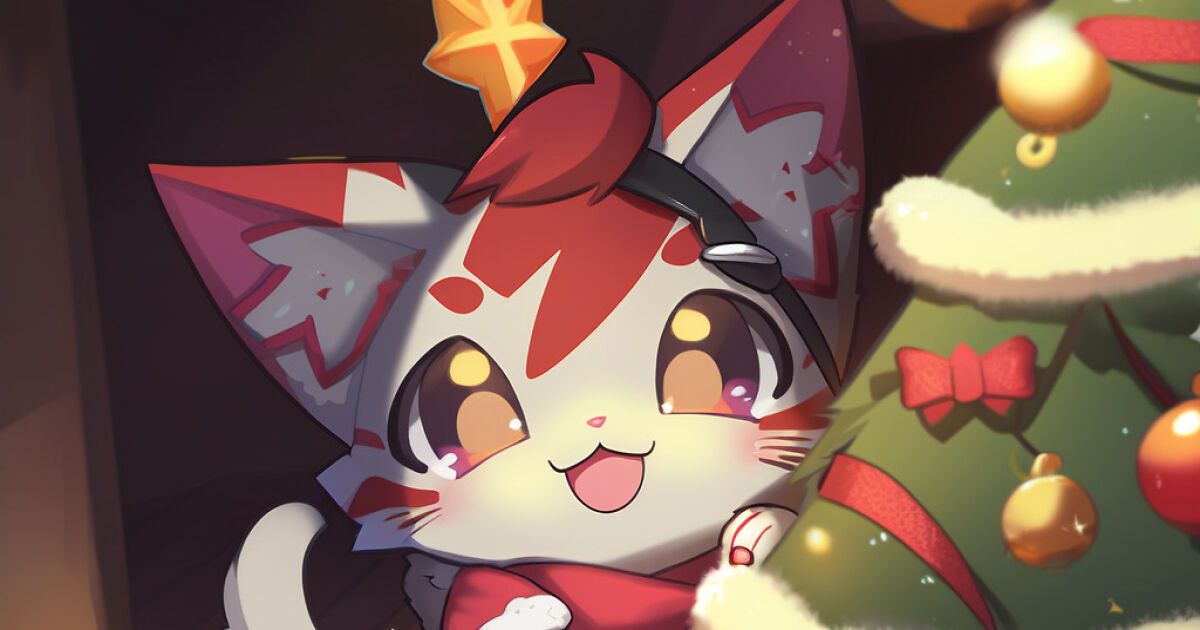

Winter has arrived, which means the outdoors is wearing its minimalist white collection while the indoors is covered in twinkle lights, ribbons, half-finished crafts, and at least one mysterious trail of glitter. It is the perfect time to make something creativeand, more importantly, to show it off.
Whether you paint quiet snowy landscapes, draw chaotic holiday gatherings, sculpt tiny woodland creatures, design digital greeting cards, or build ornaments from materials rescued from the recycling bin, we want to see your winter or holiday themed art. Professional artists, enthusiastic beginners, crafty parents, doodlers, photographers, and people who accidentally glued their sleeve to the table are all welcome.
This seasonal art challenge is not about creating a flawless masterpiece. It is about sharing imagination, traditions, memories, humor, and the unusual ways people experience winter. So warm up your hands, locate the art supplies hiding beneath the wrapping paper, and post your festive creation.
Why Winter and Holiday Art Never Gets Old
Winter gives artists an unusually rich combination of subjects. There are dramatic landscapes, glowing windows, bare trees, crowded celebrations, handmade decorations, reflective snow, long shadows, family rituals, and that emotionally complicated moment when someone discovers the last cookie has disappeared.
Major American museums preserve winter scenes ranging from nearly monochromatic forests to busy skating parties, rural farms, frozen streams, and snow-covered city streets. These works show that winter art does not need to be cheerful, colorful, or even traditionally “pretty.” It can feel peaceful, lonely, playful, mysterious, harsh, nostalgic, or wonderfully strange.
A Season Built for Contrast
Winter naturally creates visual contrast. Pale snow sits against dark branches. Warm windows glow inside cool blue evenings. Bright decorations interrupt muted streets. Soft scarves appear beside rough bark, metal railings, icy sidewalks, and stone buildings.
Artists can exaggerate these contrasts instead of copying reality exactly. A snowy scene might use lavender, turquoise, peach, gray, or even deep green rather than plain white. Getty educational materials on landscape and Impressionist color encourage artists to study complementary colors, depth, value, texture, and the relationship between foreground and background. Those principles are especially useful when a white landscape threatens to become one enormous blank area.
Holiday Art Can Tell Personal Stories
Holiday artwork is often strongest when it contains details that belong to the artist’s own life. Perhaps your family hangs handmade paper stars, lights candles, prepares a particular meal, visits relatives, attends a community celebration, or spends December arguing about whether an inflatable lawn penguin is tasteful.
Symbols can communicate these stories without requiring a written explanation. A specific ornament, recipe card, doorway, plant, musical instrument, garment, or table setting may carry more emotion than a generic holiday tree. Cultural traditions should be represented with curiosity and respect rather than treated as interchangeable decorations. Educational resources from the Kennedy Center emphasize exploring the art, music, meaning, and traditions connected with different celebrations.
Winter and Holiday Themed Art Ideas to Try
Staring at an empty page can be intimidating. Staring at an empty page while surrounded by festive pressure is worse because the page appears to be silently judging your seasonal spirit. Use one of these prompts to begin.
1. Paint a Winter Landscape With an Unexpected Mood
Create a snowy forest, frozen pond, mountain road, city alley, or quiet backyard. Before choosing colors, decide how the scene should feel. A peaceful painting may use soft edges and pale values. A tense scene could feature sharp branches, strong shadows, and a stormy sky. A humorous landscape might include a snowman looking suspiciously guilty beside a missing garden decoration.
Winter landscape artists have used loose brushstrokes, restrained palettes, textured paint, small flashes of exposed earth, and contrasting architectural details to keep snow scenes visually active. Museum collections demonstrate that brown grass, red doors, ocher mud, blue shadows, black trees, and aqua skies can all make “white” winter far more colorful.
2. Design a Holiday Character
Invent a character who belongs in your personal winter universe. It could be a nervous gingerbread knight, a fashionable polar bear, an exhausted gift-wrapping wizard, a snow creature from another planet, or a tiny guardian responsible for keeping cocoa at the correct temperature.
Give the character a recognizable silhouette, a limited color palette, and one memorable accessory. Then draw a character sheet showing several expressions or poses. Bonus points for creating an unnecessarily elaborate backstory involving a lost mitten and an ancient prophecy.
3. Make a Mixed-Media Winter Collage
Combine paper, fabric, old greeting cards, newspaper, foil, ribbon, packaging, dried leaves, thread, or painted cardboard. Mixed media works particularly well for winter subjects because texture can suggest knitted clothing, rough trees, fluffy snow, reflective ice, and layered decorations.
MoMA art-making resources recommend experimenting with cut shapes, layering, color, texture, form, and even chance arrangements. This means you do not need to plan every inch before starting. Move your pieces around until the composition begins to feel balanced, lively, or delightfully odd.
4. Create a Paper Winter Village
Build a row of houses, shops, cabins, temples, apartment buildings, or imaginary structures. Add windows, doors, roof shapes, signs, trees, pathways, and tiny residents. Folded paper allows the village to stand upright, while cut windows can glow when placed safely in front of battery-powered lights.
A winter village does not have to resemble a postcard from northern Europe. It can reflect your neighborhood, hometown, climate, architecture, or fantasy world. Crayola’s seasonal projects include paper villages, snowflakes, handmade wrapping paper, clay ornaments, and upcycled crafts, demonstrating how ordinary materials can become festive art.
5. Study the Geometry of Snowflakes
Snowflakes are useful references for pattern design, scientific illustration, jewelry concepts, mandalas, paper cutting, and abstract artwork. Real ice crystals develop in many shapes, including plates, columns, needles, and branching forms. Their structures change according to atmospheric conditions encountered while they grow.
NASA resources describe how scientists have observed, drawn, photographed, modeled, and studied snow crystals for centuries. Instead of drawing the same familiar symbol repeatedly, explore different crystal structures and turn them into borders, repeating patterns, costumes, architecture, or creatures.
6. Illustrate a Real Holiday Memory
Think of a moment you still remember clearly: falling asleep during a celebration, traveling through bad weather, opening a meaningful handmade gift, cooking with relatives, seeing lights reflected in a window, or watching an ambitious dessert collapse.
Illustrate the memory from an unusual viewpoint. Show the scene from under the table, through a doorway, inside a car, reflected in an ornament, or from the perspective of the family pet. The result may feel more personal than a perfectly arranged front-facing scene.
7. Make Winter Art Without Snow
Not every winter is snowy, and not every holiday season looks like a greeting card. Artists in warm climates can depict tropical decorations, rainy streets, beach gatherings, summer gardens, night markets, family meals, or regional traditions.
The phrase “winter or holiday themed art” should invite variety rather than demand a specific climate. Your seasonal experience is valid even when the nearest snowman is plastic and visibly overheating.
How to Make Your Seasonal Artwork More Engaging
Choose One Clear Focal Point
A detailed festive scene can quickly become crowded. Decide what viewers should notice first. It might be a face, a bright window, a candle, a decorated tree, a group of figures, or a dramatic patch of light. Support that focal point with contrast, placement, scale, or sharper detail.
Use a Limited Color Palette
Red and green are not legally required. Try navy and gold, pink and silver, brown and cream, violet and icy blue, or black and warm orange. Limiting your colors can make the artwork feel unified and may prevent your supply table from looking like a craft store experienced a small explosion.
Mix Warm and Cool Light
A classic winter lighting strategy pairs cool outdoor colors with warm indoor light. Blue snow against yellow windows immediately suggests shelter, distance, and atmosphere. The opposite can also work: warm sunset snow surrounding a dark, cool building creates a more unusual mood.
Add Evidence of Life
Footprints, tire tracks, smoke, scattered mittens, half-eaten food, open doors, animal tracks, bent branches, or an abandoned sled can imply a story without showing every character. These clues encourage viewers to imagine what happened before or after the depicted moment.
Leave Some Quiet Space
Holiday art does not need to fill every corner with bells, stars, lights, candy, ribbons, snowflakes, and three competing typefaces. Empty space gives the eye somewhere to rest and makes important details easier to appreciate.
How to Photograph and Post Your Artwork
A wonderful artwork can look strangely gloomy when photographed beneath a yellow ceiling light beside a laundry basket. Presentation matters, especially when sharing art online.
Use Soft, Even Lighting
Photograph the work near a bright window or outside in open shade. Avoid direct glare on glossy paint, glass, metallic paper, or varnish. For dimensional crafts, take several photographs so viewers can understand the shape and details.
Keep the Camera Straight
Position the camera parallel to a flat artwork to prevent distortion. Crop distracting surroundings, check that the image is in focus, and adjust brightness carefully so pale areas still retain detail.
Capture Close-Ups and Wider Views
The National Park Service recommends exploring multiple distances, angles, patterns, textures, and contrasts when photographing winter subjects. Apply the same approach to artwork: include one complete image and one or two detail shots showing brushwork, stitching, paper layers, sculpted textures, or tiny surprises.
Write a Helpful Caption
Tell the community what materials you used, what inspired the piece, how long it took, and whether anything unexpected happened. A caption such as “watercolor and ink, inspired by the view outside my grandmother’s kitchen” helps viewers connect with the work.
You can also mention the most difficult step. Perhaps the watercolor froze, the cat attacked the ribbon, or the glitter has now entered your home’s ventilation system and will remain part of the property forever.
Be a Kind and Curious Art Community
Posting artwork requires courage. Even experienced artists can feel nervous when sharing something personal. Respond to submissions with specific, respectful comments. Instead of writing only “nice,” mention the glowing colors, expressive character, interesting composition, clever material choice, or memorable story.
Constructive criticism should be offered only when requested. A community art prompt is an invitation to participate, not an emergency audition for a panel of extremely disappointed Renaissance masters.
Research summarized by the National Endowment for the Arts has found positive associations between arts participation and social connectedness. Community-based arts programs can also strengthen engagement by creating opportunities for people to make, discuss, and experience creative work together.
Remember to credit collaborators and sources of inspiration. Do not repost another person’s work as your own. When creating fan art, studies, or pieces closely inspired by an existing artwork, identify the original creator whenever possible.
Experiences Every Winter or Holiday Artist Will Recognize
Seasonal art projects often begin with a beautiful mental image. You imagine a calm studio, a warm drink, soft music, and several uninterrupted hours of inspired work. Reality frequently provides a crowded table, drying paint balanced on a stack of mail, and a cup of cocoa that has somehow acquired a paintbrush.
The Project That Became More Complicated Than Planned
Many artists begin with a modest goal such as, “I’ll make one simple holiday card.” Fifteen minutes later, the card has become an illustrated series featuring custom lettering, layered paper, metallic details, hand-cut envelopes, and a fictional postal service operated by woodland animals.
This creative expansion can be frustrating, but it is also part of the fun. Seasonal subjects invite decoration, storytelling, and experimentation. The key is knowing when extra details improve the artwork and when you are attempting to construct an entire winter village because one roof looked lonely.
The Battle With White Paint
Beginners sometimes assume snow is easy because it is white. Then they discover that white snow painted on white paper possesses the dramatic visibility of an invisible polar bear. Successful snow usually depends on shadows, edges, reflected colors, surrounding dark shapes, and subtle changes in value.
A useful experience is to study snow on an overcast day, at sunset, beneath streetlights, or beside evergreen trees. It may appear blue, violet, gray, pink, cream, or nearly black in shadow. Once artists notice these colors, winter scenes become far more interesting.
The Handmade Gift Panic
Creating art as a gift can feel meaningful until the deadline approaches. Suddenly, the charming handmade project is drying at the speed of ancient geology. The frame does not fit. The printer has developed opinions. The ribbon refuses to cooperate. Every available surface is occupied by an object labeled “do not touch.”
One helpful lesson is to choose projects that match the available time. A small ink drawing completed thoughtfully may feel more special than an enormous rushed canvas. Digital prints, miniatures, simple ornaments, folded cards, and framed sketches can all become memorable gifts without requiring a personal logistics department.
The Family Art Session That Goes Off Script
Group art sessions rarely produce identical results, which is exactly why they are worth doing. One participant carefully follows the instructions. Another replaces the suggested colors with neon purple. A child glues every available decoration onto one square inch of paper. An adult who claimed not to be artistic becomes intensely competitive about snowflake symmetry.
Museum family programs often combine looking, discussing, sketching, storytelling, and hands-on making rather than demanding a single correct result. This flexible approach allows different ages and skill levels to participate together.
When making art with family or friends, prepare shared materials but allow individual choices. The finished collection will reveal personality more clearly than a row of perfectly matching crafts.
The Surprise Success
Sometimes the project that feels disastrous halfway through becomes the favorite. A torn paper edge resembles a snowy mountain. Spilled watercolor creates an atmospheric sky. A crooked house gives the village character. An accidental fingerprint becomes the beginning of a tiny animal.
Artists often improve by responding to unexpected marks instead of immediately hiding them. Ask what the accident resembles, whether it creates movement, or how it could be repeated intentionally elsewhere. Not every mistake deserves rescue, but many deserve a brief interview before being painted over.
The Joy of Finally Sharing the Work
The most rewarding moment may not be finishing the artwork. It may be reading a comment from someone who recognizes the tradition, remembers a similar winter, laughs at the same visual joke, or feels inspired to create something of their own.
A seasonal art post can travel beyond the room where it was made. It can introduce viewers to an unfamiliar celebration, preserve a family memory, encourage a nervous beginner, or provide a cheerful break during a demanding time of year. That is why posting the imperfect piece is often more valuable than keeping the hypothetical perfect version hidden in your imagination.
Post Your Winter or Holiday Themed Art
Now it is your turn, Pandas. Share a painting, drawing, sculpture, photograph, collage, ornament, digital illustration, embroidery, paper craft, comic, handmade card, or another seasonal creation. Include a short description of your materials and inspiration so the community can enjoy the story behind it.
Your artwork can celebrate a holiday, capture winter weather, represent a family tradition, explore seasonal emotions, or invent an entirely new festive universe. It can be technically impressive, charmingly simple, deeply meaningful, or so funny that a snowman would lose its carrot.
Most importantly, make something that feels like yours. Winter already provides the atmosphere. The holidays provide the stories. You provide the imagination.