
Note: This article is written for web publication in standard American English and synthesizes real franchise history, audience response, critic discussion, box office context, and long-running holiday movie opinions without inserting source links.
Why the Home Alone Movies Still Start Arguments Every December
Few Christmas movie franchises inspire warmer nostalgiaor louder living-room debatesthan Home Alone. Ask ten people to rank the series and you will probably get eleven answers, because someone will change their mind halfway through after remembering the brick scene in Home Alone 2: Lost in New York. That is the strange magic of this franchise: it is sentimental, cartoonishly violent, deeply quotable, wildly unrealistic, and somehow still emotionally effective.
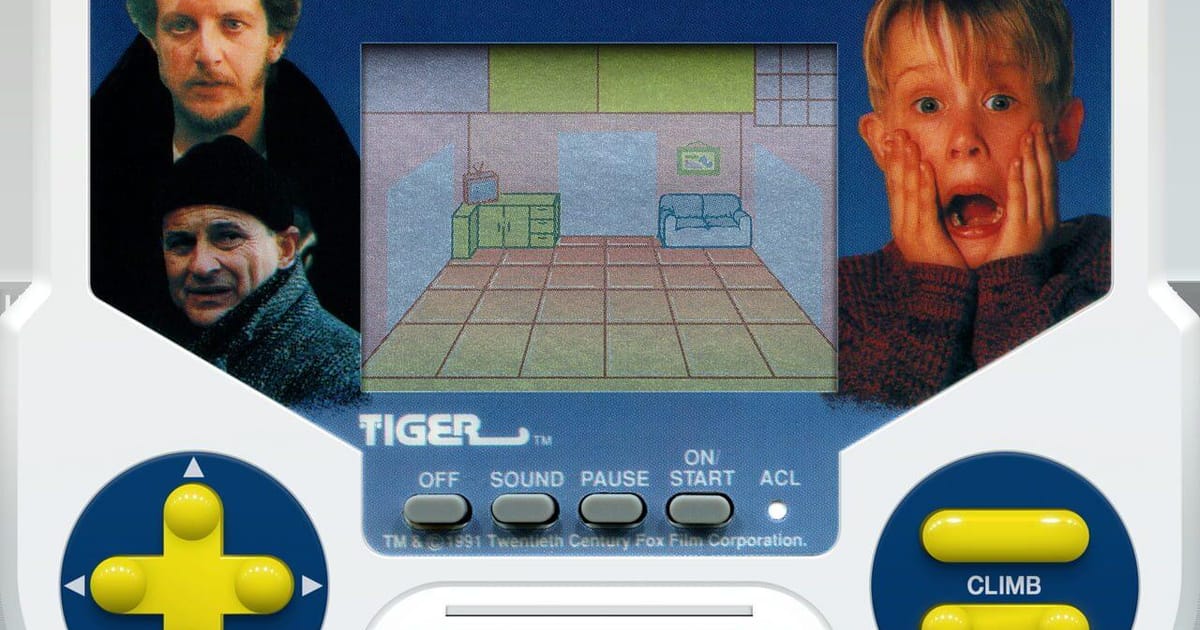
The original Home Alone, released in 1990, is not just a holiday comedy. It is a pop-culture machine powered by Macaulay Culkin’s perfect “little kid with adult confidence” performance, Catherine O’Hara’s frantic maternal energy, Joe Pesci and Daniel Stern’s slapstick villainy, John Williams’ cozy score, and John Hughes’ ability to turn family chaos into something oddly sweet. The sequels, however, are a more complicated stocking. Some contain genuine charm. Some feel like someone found the title in a drawer and built a movie around it during a lunch break.
So this ranking is not based only on critic scores, box office numbers, or nostalgia. It considers rewatch value, holiday atmosphere, comedy, emotional payoff, memorable traps, performances, and whether the movie understands the central rule of Home Alone: the kid must be clever, the danger must feel playful, and the family reunion must land with enough heart to make viewers forgive the fact that no adult in this universe should be trusted with travel logistics.
The Definitive Home Alone Ranking From Worst to Best
6. Home Alone 4: Taking Back the House
At the bottom of the chimney sits Home Alone 4: Taking Back the House, a movie that commits the most dangerous franchise crime: it brings back familiar names without bringing back the familiar magic. This made-for-TV installment recasts Kevin McCallister and reintroduces Marv, but the result feels less like a continuation and more like a school play adaptation where the props arrived late.
The biggest issue is not simply the low-budget look. Plenty of beloved holiday movies have modest production values. The problem is that Home Alone 4 misunderstands why the first film worked. Kevin was not funny because he set traps; he was funny because he felt like a real kid who got scared, got creative, and got lucky. Here, the emotional stakes feel thin, the comedy is forced, and the smart-house setting replaces practical charm with gimmicks that have aged about as well as a fruitcake under a radiator.
As an opinion, this is the one most viewers can safely skip unless they are franchise completists, curious masochists, or trapped under a blanket with the remote on the other side of the room.
5. Home Alone: The Holiday Heist
Home Alone: The Holiday Heist, released in 2012, is not the worst entry, but it is possibly the most forgettable. That may sound harsh, but forgetting this movie is practically its special effect. The story follows a new kid in a new house facing a new set of criminals, while the movie tries to rebuild the familiar formula with safer edges and TV-friendly pacing.
There are moments that make it watchable, especially for younger audiences who simply want a kid-vs-burglars holiday adventure. The haunted-house angle gives the plot a mild twist, and the movie understands that the franchise needs a cozy winter setting. But the traps are not especially iconic, the villains do not have the lunatic chemistry of Harry and Marv, and the emotional center never becomes strong enough to make the chaos feel meaningful.
The best way to describe The Holiday Heist is “fine.” It is the cinematic equivalent of a sugar cookie with no frosting. Technically seasonal, technically edible, but nobody is elbowing Grandma for the last one.
4. Home Sweet Home Alone
Home Sweet Home Alone, released on Disney+ in 2021, is the franchise’s modern reboot attempt, and it deserves a little more credit than it often receives. The movie tries to flip the usual structure by giving the adult “intruders” a more sympathetic motive. Instead of straightforward crooks looking to rob a house, the conflict involves a misunderstanding over a valuable heirloom. On paper, that is a smart idea. In practice, it creates a problem: when the adults are sympathetic, it becomes harder to cheer when they are being absolutely destroyed by household objects.
Archie Yates is talented, and the adult cast includes performers who know how to make awkward comedy work. The movie also sprinkles in franchise callbacks, including a connection to Buzz McCallister. But the central child character is not as easy to root for as Kevin, and the moral balance gets wobbly. In the original, Harry and Marv are criminals. When they step on ornaments, take paint cans to the face, or meet a tarantula in the worst possible social situation, the audience laughs because justice is wearing pajamas. In Home Sweet Home Alone, the punishment often feels bigger than the crime.
Still, the movie is not useless. It offers a reminder that the Home Alone formula is harder to execute than it looks. You cannot simply add a big house, a forgotten child, and some flying objects. The tone has to be precise. Too soft, and the traps feel bland. Too harsh, and the comedy becomes weird. This reboot lands somewhere in the middle, which is why it ranks above the weakest TV sequels but below the theatrical trilogy.
3. Home Alone 3
Home Alone 3 is the most underrated movie in the series. No, it does not have Kevin McCallister. No, it does not have Harry and Marv. Yes, that is a major loss. But judged on its own terms, this 1997 sequel is more energetic, more coherent, and more entertaining than its reputation suggests.
The story follows Alex Pruitt, a clever kid who ends up defending his house from criminals searching for a hidden microchip. The international-spy plot is completely ridiculous, but it gives the movie momentum. Instead of two burglars wandering into suburbia, the villains have a specific goal, and Alex has a reason to build an elaborate defense system. The traps are bigger, the pacing is brisk, and the movie has a surprisingly playful sense of escalation.
What keeps it from ranking higher is simple: it does not feel emotionally essential. The first two films are about family, loneliness, fear, independence, and reconciliation. Home Alone 3 is more of a kid-action comedy. That is not a terrible thing. In fact, for younger viewers, it may be easier to enjoy because it moves quickly and does not lean so heavily on nostalgia. But for adults who grew up with Kevin screaming in the mirror, Home Alone 3 feels like a cousin at the family reunion: welcome, fun, but not the person everyone came to see.
2. Home Alone 2: Lost in New York
Home Alone 2: Lost in New York is the best kind of sequel and the worst kind of sequel at the same time. It repeats the original formula almost shamelessly, but it repeats it with such confidence, scale, and holiday sparkle that many fans happily forgive the copy-and-paste structure. Kevin is separated from his family again. Harry and Marv return. A misunderstood older figure offers emotional wisdom. A final trap sequence turns human bodies into slapstick instruments. The movie is basically Home Alone wearing a more expensive coat.
New York City gives the sequel enormous visual appeal. The Plaza Hotel, Central Park, toy stores, decorated streets, and winter atmosphere make the movie feel like a Christmas postcard that got into a fight with a toolbox. Macaulay Culkin is still charming, Joe Pesci and Daniel Stern are even more cartoonish, and Tim Curry adds a delicious layer of suspicious hotel-staff comedy.
The downside is that Home Alone 2 is louder and less elegant than the first film. The violence is more extreme, the story is more convenient, and the emotional beats are more familiar. But as a holiday rewatch, it remains powerful. It is funny, festive, quotable, and packed with scenes people remember decades later. The brick sequence alone has probably caused millions of viewers to laugh while quietly wondering whether Marv is secretly immortal.
For many fans, Home Alone 2 is nearly tied with the original. For this ranking, it takes second place because it perfects the franchise’s surface pleasures but cannot fully recreate the surprise, balance, and emotional freshness of the first movie.
1. Home Alone
The original Home Alone remains the champion. It is the rare family comedy that works as a holiday movie, a slapstick cartoon, a childhood fantasy, and a surprisingly sincere story about wanting independence until independence arrives with no groceries, no backup, and two criminals trying to enter through the basement.
Kevin McCallister is the key. He is not written as a perfect angel. He is bratty, impatient, dramatic, and occasionally rude, which is exactly why the story works. When his family disappears, he initially celebrates. He jumps on the bed, eats junk food, watches forbidden movies, and experiences every kid’s dream version of freedom. Then the movie slowly lets the loneliness creep in. The empty house becomes less of a playground and more of a test.
The Wet Bandits are equally important. Harry and Marv are threatening enough to create stakes but silly enough to remain safe for a family audience. Joe Pesci plays Harry with grumpy menace, while Daniel Stern turns Marv into a walking injury report. Their chemistry gives the final act its legendary energy, but the traps would not matter without the emotional foundation laid earlier.
The film also has something the later entries often chase but rarely catch: warmth. The church scene with Old Man Marley, Kate McCallister’s desperate journey home, Kevin’s quiet moments of self-reflection, and John Williams’ music all make the ending feel earned. When Kevin sees his mother again, the movie stops being a prank machine and becomes a story about family. That is why the original still wins. It has the laughs, the pain, the fantasy, and the hug at the end.
Best Characters in the Home Alone Franchise
Kevin McCallister: The Tiny CEO of Household Defense
Kevin is one of the greatest child characters in mainstream comedy because he feels both exaggerated and recognizable. He makes grocery-store small talk like a nervous adult, creates military-grade home security from toys and hardware, and still gets scared when he thinks about the basement furnace. His confidence is funny because it is obviously too big for his age, but his fear is what keeps him human.
Harry and Marv: The Gold Standard of Holiday Villains
Harry and Marv are the reason the original two movies remain so rewatchable. Their failure is practically musical. Marv screams, Harry fumes, and together they behave like burglars who graduated last in their class from Crime University. Later villains in the franchise may have motives, gadgets, or schemes, but none match the comic rhythm of the Wet Banditslater the Sticky Bandits, because branding matters, even in crime.
Kate McCallister: The Emotional Engine
Catherine O’Hara gives the original film its urgency. Without Kate’s panic, Kevin’s adventure might feel too cruel. Her cross-country scramble to get home turns a silly premise into a parental nightmare. She is funny, frantic, and heartbreaking, sometimes in the same scene. That balance is one reason the first film never feels like pure cartoon nonsense.
Ranking the Trap Sequences
Best Overall Trap Sequence: The Original House Defense
The first movie’s final showdown is still the best because it is clear, creative, and connected to the geography of the house. The icy steps, hot doorknob, swinging paint cans, tarantula, ornaments, and zip line all feel like ideas a very clever child might create after rummaging through a garage. The sequence builds beautifully, and every injury has a setup and payoff.
Funniest Individual Trap: The Bricks in Home Alone 2
Comedy is subjective, but Marv getting hit by bricks from a rooftop may be the franchise’s most outrageous slapstick moment. It is excessive, absurd, and medically indefensible. It is also impossible for many fans not to laugh at, partly because Daniel Stern sells the pain with operatic commitment.
Most Underrated Trap Work: Home Alone 3
Home Alone 3 deserves credit for giving Alex a more technological and strategic defense style. The traps are less emotionally iconic, but they are inventive in a different way. The movie feels more like a kid spy adventure than a Christmas fable, and that distinction helps it stand apart.
Why the Later Home Alone Movies Struggle
The later Home Alone movies struggle because the premise is deceptively difficult. A child being left alone is funny only if the story balances danger, innocence, and absurdity. The villains must deserve the punishment. The child must be smart but not unbearable. The adults must be flawed without seeming monstrous. The house must feel like a character. And the ending must restore emotional order.
The weaker sequels often treat the brand like a checklist. Forgotten kid? Check. Intruders? Check. Traps? Check. Christmas decorations? Check. But the first movie is not beloved because of the checklist. It is beloved because the checklist is wrapped around a story about a child learning that family can be annoying and still be everything.
Popular Opinions About Home Alone That Are Actually True
The Original Is Still the Best
Sometimes the obvious answer is obvious for a reason. Home Alone has the cleanest story, the strongest emotional arc, the best villain duo, and the most memorable holiday atmosphere. Nostalgia helps, but nostalgia alone cannot keep a movie this popular for decades.
Home Alone 2 Is a Rehash, But a Great Rehash
Yes, Lost in New York repeats the original. It practically puts the first movie in a fancy hotel robe. But the setting, cast, and holiday spectacle make it a top-tier comfort watch. A sequel can be unoriginal and still be deeply entertaining.
Home Alone 3 Is Better Than People Remember
Many viewers dismissed Home Alone 3 because Kevin was gone. That reaction is understandable, but the movie itself is not lazy. It has pace, structure, and a lead character who is easy to root for. It may not be classic, but it is not a disaster.
The Franchise Should Be Careful With Reboots
The mixed response to later entries shows that the franchise cannot survive on title recognition alone. A new Home Alone story would need a fresh emotional reason to exist, not just another kid with access to glue, marbles, and questionable adult supervision.
Experiences Related to Home Alone Rankings And Opinions
Ranking the Home Alone movies is not just a film-critic exercise. It is a social event. People do not discuss these movies like they are analyzing tax policy, although some families argue with that level of intensity. They rank them through memory: where they watched them, who laughed first, which trap made someone spit hot chocolate, and whether anyone in the room insists that Home Alone 2 is better than the original because “New York at Christmas is undefeated.”
One common viewing experience is the annual family rewatch. The first movie goes on, and suddenly everyone becomes an expert in McCallister family logistics. Someone asks how Kevin’s parents forgot him. Someone else points out that the headcount confusion makes more sense than people remember. A third person says, “This would never happen now because of smartphones,” which is true but also the least festive sentence ever spoken. Then the traps begin, and all practical objections disappear. By the time Marv steps on ornaments, the room has surrendered to chaos.
Another experience is discovering how differently kids and adults watch the series. Children often see Kevin as a hero of freedom. He eats what he wants, watches what he wants, and turns his house into a fortress. Adults see a horror story wearing mittens. They notice Kate’s panic, the cost of property damage, and the fact that Kevin cleans the entire house better than many grown adults clean before guests arrive. This shift is part of the franchise’s lasting appeal. The same movie changes depending on your age.
Opinions also vary depending on whether someone values comedy or Christmas atmosphere more. Comedy-first viewers often adore the second movie because Harry and Marv are pushed into bigger, crazier physical gags. Atmosphere-first viewers usually prefer the original because the suburban house, church scene, neighborhood snow, and final reunion create a warmer holiday feeling. Meanwhile, younger viewers who did not grow up with Kevin may be more open to Home Alone 3 or even Home Sweet Home Alone, because they are not measuring every scene against a childhood classic.
Then there is the nostalgia factor. Nostalgia can be dangerous in rankings because it makes flaws look like features. The original Home Alone has plot holes, exaggerated violence, and adults making decisions that would cause group chat panic in real life. But those flaws are part of the fun. Viewers do not return to the movie because it is realistic. They return because it creates a feeling: warm lights, loud relatives, childhood imagination, and the fantasy that one small person can outsmart the entire adult world with a BB gun and excellent timing.
The best personal way to rank the franchise is to ask three questions: Which movie would you rewatch without checking your phone? Which one makes you laugh even when you know the joke is coming? Which one makes Christmas feel closer? For most people, the original wins all three. But the debates are part of the tradition. A holiday season without at least one argument over Home Alone rankings would be like a McCallister vacation without a travel disaster: technically better organized, but much less entertaining.
Conclusion: The Best Home Alone Movie Is Still the One With the Biggest Heart
The Home Alone franchise has six movies, several generations of fans, and one unbeatable truth: the original still owns the house. Home Alone works because it combines clever comedy with real emotional stakes. Home Alone 2: Lost in New York remains a beloved runner-up because it expands the chaos into a glittering Christmas playground. Home Alone 3 deserves more respect than it gets, while the later entries prove that the formula needs more than traps to succeed.
Ultimately, the best Home Alone rankings are not only about which movie is technically strongest. They are about which one makes viewers feel like kids againslightly mischievous, slightly scared, and very ready to defend the living room from imaginary burglars. The franchise may be uneven, but its best moments remain holiday gold. And if anyone tries to tell you Home Alone 4 is the masterpiece of the series, check the doorknobs. That opinion may be a trap.