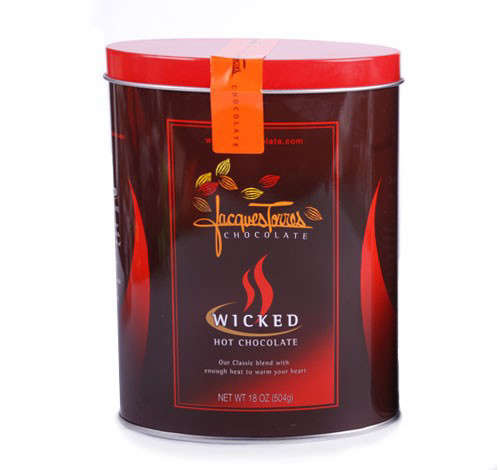

Some hot chocolate wants to tuck you into bed with a marshmallow pillow. Wicked Hot Chocolate has other plans. This deeply chocolatey drink arrives smooth and comforting, then quietly slips cinnamon, allspice, ancho chile, and smoky chipotle onto your palate. The result is not a stunt beverage designed to make you breathe fire. It is a sophisticated balance of sweetness, cocoa richness, warm spice, and a slow glow of heat.
The name “Hot Chocolate – Wicked” is closely associated with Jacques Torres’ Wicked Hot Chocolate, a drinking chocolate made with dark bittersweet chocolate rather than relying on cocoa powder alone. It takes the familiar winter mug and gives it a slightly mischievous personality. Think classic hot chocolate in a velvet coat, wearing excellent shoes, and carrying a tiny vial labeled “just enough chile.”
What Is Wicked Hot Chocolate?
Wicked Hot Chocolate is a rich, spiced drinking chocolate created in the Jacques Torres style. The official version combines dark chocolate and milk powder with a spice blend that includes ancho and chipotle chiles. An older Remodelista product feature also describes cinnamon and allspice as key components of the drink. Those ingredients explain why the flavor feels layered instead of merely hot: cinnamon adds aromatic sweetness, allspice contributes clove-like warmth, ancho brings a mellow dried-fruit character, and chipotle supplies smoke with a delayed chile kick.
This is genuine hot chocolate in the traditional culinary sense because melted chocolate provides the body. Hot cocoa is usually made primarily from cocoa powder, sugar, and hot liquid, producing a lighter cup. Hot chocolate uses actual chocolate, so cocoa butter becomes part of the drink and creates a fuller, more luxurious texture. The two names are often swapped in casual conversation, but your tongue notices the difference immediately.
Why Chocolate and Chile Work So Well Together
Chocolate and chile may sound like an odd couple until you taste them. Dark chocolate contains bitterness, roasted notes, fruitiness, and sweetness. Chile can echo several of those qualities rather than simply adding heat. Ancho chile is generally mild and rounded, while chipotle has a smokier personality. Together, they make the chocolate taste darker and more complex.
The trick is restraint. Too little chile and the drink tastes like ordinary hot chocolate wearing a fake mustache. Too much and the chocolate disappears behind a wall of heat. The ideal cup lets you taste chocolate first, warm spice second, and chile last. Spiced chocolate recipes from Epicurious, Bon Appétit, Vogue, and Food & Wine similarly use cinnamon, dried chile, ginger, allspice, or related aromatics to add depth without overwhelming the cocoa.
The Flavor Progression
A well-made cup usually unfolds in stages:
- First sip: Dark chocolate, milk, and sweetness.
- Middle: Cinnamon and allspice bloom as the drink warms the palate.
- Finish: Ancho and chipotle create a gentle tingle with a faint smoky edge.
That progression is what makes the drink memorable. Standard hot chocolate is often one-note comfort. Wicked Hot Chocolate is comfort with a plot twist.
How to Make Wicked Hot Chocolate at Home
You can buy a prepared mix, but the homemade method is straightforward and gives you complete control over sweetness and heat. The official Jacques Torres recipe uses whole milk, chopped bittersweet chocolate, cinnamon, allspice, ancho chile powder, and chipotle chile powder. The version below preserves that flavor structure while using flexible measurements suitable for most American kitchens.
Ingredients for Two Servings
- 2 cups whole milk, 2% milk, or an unsweetened creamy nondairy milk
- 4 ounces good-quality bittersweet chocolate, finely chopped
- 1/4 teaspoon ground cinnamon
- 1 small pinch ground allspice
- 1/8 teaspoon ancho chile powder
- 1 very small pinch chipotle chile powder
- 1 pinch fine salt
- 1/2 teaspoon vanilla extract, optional
- Whipped cream, chocolate shavings, or marshmallows for serving
Step-by-Step Method
- Warm the milk gently. Pour the milk into a heavy-bottomed saucepan and place it over medium-low heat. Heat until steam rises and tiny bubbles appear around the edge. Do not boil it; scorched milk is not wicked, merely unfortunate.
- Bloom the spices. Whisk in the cinnamon, allspice, ancho chile, chipotle, and salt. Let the spices warm in the milk for about 30 seconds.
- Add the chocolate gradually. Reduce the heat to low. Add the chopped chocolate in two or three batches, whisking constantly until each addition melts.
- Emulsify the drink. Continue whisking for two to three minutes, keeping the mixture hot but below a boil. The texture should become glossy and cohesive.
- Taste before adding more chile. Wait several seconds after tasting because chipotle heat can arrive late. Add another tiny pinch only when the chocolate still seems too polite.
- Finish and serve. Remove the pan from the heat, stir in vanilla if desired, and pour into warmed mugs.
Gentle heat and steady whisking matter. Strong boiling can dull the flavor, produce a skin on the milk, or make the texture less smooth. Several respected hot chocolate methods combine chopped chocolate with warm milk and whisk until fully melted and emulsified; some add cocoa, milk powder, or a small amount of starch for extra body.
Choosing the Best Chocolate
Use chocolate you would happily eat by itself. A bittersweet bar in the neighborhood of 60% to 70% cacao usually provides enough cocoa intensity without making the drink aggressively bitter. Very dark chocolate can work, but it may require extra sweetener. Milk chocolate creates a softer, sweeter beverage and can mute the chile.
Finely chopping the chocolate helps it melt evenly. Chocolate chips are convenient, but some contain stabilizers that help them keep their shape in cookies. A chopped bar generally dissolves more readily and produces a silkier drink. For a more rounded flavor, combine bittersweet and semisweet chocolate rather than asking one bar to perform the entire concert.
Can You Use Cocoa Powder?
Yes, but the result changes. Cocoa powder strengthens chocolate flavor without adding the same cocoa-butter richness as melted chocolate. A spoonful can deepen the drink, especially when the chocolate bar is relatively sweet. However, a recipe made entirely with cocoa powder will taste more like hot cocoa than the dense drinking chocolate that defines the Wicked style.
How to Control the Heat
Chile powder varies enormously in strength, age, and freshness. Start with less than you think you need. You can always add another pinch, but removing chile from a finished pot requires technology currently unavailable outside science fiction.
For a Mild Cup
Use ancho chile only and skip the chipotle. The drink will have warmth and depth with little noticeable burn.
For a Balanced Cup
Use ancho as the main chile and add only a dusting of chipotle. This is the sweet spot for most people because the smoke appears without dominating the chocolate.
For a Bold Cup
Increase the chipotle gradually or add a tiny pinch of cayenne. Keep the cinnamon and salt in place; they help the flavor remain rounded rather than sharp.
Milk, Nondairy Options, and Texture
Whole milk gives the most naturally creamy result, but it is not mandatory. Oat milk is an excellent substitute because its mild sweetness and body complement dark chocolate. Soy milk emulsifies well and adds protein, though its flavor is more noticeable. Almond milk produces a lighter cup with a subtle nuttiness. Coconut milk is rich and dramatic, but it can turn the drink into a chocolate-coconut beveragewhich is delicious, just a different show.
The current Jacques Torres product directions allow the mix to be combined with milk, soy milk, almond milk, water, or another hot liquid. The packaged mix contains milk ingredients, so people avoiding dairy should still check the label rather than assuming that using plant milk makes the finished drink dairy-free. The manufacturer also provides a broad allergen warning covering milk, soy, wheat, eggs, and tree nuts that may be present or contacted during production.
Toppings and Pairings That Make Sense
Wicked Hot Chocolate is rich enough to stand alone, but toppings can change the mood:
- Whipped cream: Softens the chile and adds a cool contrast.
- Dark chocolate shavings: Reinforce the bittersweet flavor without adding much sweetness.
- Toasted marshmallows: Bring caramelized sugar and campfire charm.
- Orange zest: Brightens both chocolate and spice.
- A cinnamon stick: Adds aroma and looks much fancier than the effort involved.
- A pinch of flaky salt: Sharpens the chocolate flavor.
For food pairings, choose something crisp, salty, or only mildly sweet. Churros are a natural match for spiced drinking chocolate. Shortbread, biscotti, salted pretzels, roasted almonds, or a plain butter cookie also work well. A giant frosted brownie beside this drink may sound heroic, but by the third bite it can feel like being trapped under a chocolate mattress.
Wicked-inspired chocolate products and desserts have appeared in many forms, from chile-spiked cocoa mixes and mousse to themed hot chocolate bombs. The recurring idea is the same: rich chocolate becomes more exciting when paired with smoke, spice, theatrical presentation, or all three.
Common Mistakes to Avoid
Boiling the Milk
A rolling boil is unnecessary and can harm the texture. Heat the liquid until steaming, then keep it gentle while the chocolate melts.
Adding Too Much Chipotle at Once
Chipotle is smoky and persistent. Measure with the tip of a spoon, not the confidence of a television chef who has someone else washing the saucepan.
Using Low-Quality Chocolate
There are few ingredients in the recipe, so each one is exposed. Waxy or overly sweet chocolate produces a waxy or overly sweet drink. The saucepan cannot perform miracles.
Skipping the Salt
A small pinch does not make the drink salty. It gives definition to the chocolate and keeps the sweetness from tasting flat.
Serving an Oversized Mug
This is a dense beverage. Six to eight ounces can feel more satisfying than a bucket-sized serving. Smaller portions also keep the final sips hot and glossy.
My 500-Word Wicked Hot Chocolate Experience
The first time I approached Wicked Hot Chocolate, I expected the beverage equivalent of a prank: one innocent sip followed by immediate regret and a frantic search for bread. The aroma suggested otherwise. Before tasting any chile, I noticed melted dark chocolate and cinnamon. It smelled like a serious chocolatier had wandered into a cozy kitchen and decided the spice cabinet needed supervision.
The first sip was surprisingly calm. The chocolate arrived thick, smooth, and less sugary than ordinary packet cocoa. There was enough sweetness to feel indulgent, but the bittersweet base kept the drink from becoming candy in liquid form. The cinnamon made the chocolate seem warmer even before the actual heat appeared. Then, a few seconds later, the chile showed upnot with a siren, but with a polite tap on the shoulder.
That delayed finish changed the pace of drinking. I could not gulp it absentmindedly while scrolling through my phone. Each sip demanded a pause. Chocolate came first, smoke followed, and the mild tingle lingered just long enough to make the next sip appealing. It turned a familiar drink into something closer to a tasting experience.
I made a second batch for friends using less chipotle, because serving guests is not the moment to conduct an unauthorized endurance test. The reactions were entertaining. One person identified cinnamon immediately. Another guessed espresso because the dark chocolate and smoky chile created a roasted impression. A third insisted there was no chile until the finish arrived and changed their facial expression mid-sentence. That is the charm of this drink: it creates conversation without needing a novelty garnish shaped like a snowman.
The most successful topping was lightly whipped cream with no added sugar. It melted slowly into the surface and softened the spice while preserving the bittersweet character. Marshmallows were fun but noticeably sweeter. Orange zest was the surprise winner; just a little made the chocolate smell brighter and brought out the fruitier side of the ancho chile.
I also tested the drink with oat milk. It was slightly lighter than the whole-milk version but still creamy, and its natural cereal sweetness worked well with cinnamon. Almond milk made a thinner cup, while a small splash of coconut milk produced an almost dessert-like richness. The lesson was simple: the base liquid changes the personality, but good chocolate remains the main character.
The best setting for Wicked Hot Chocolate was not necessarily a snowy evening. It worked just as well after dinner, served in small cups like a liquid dessert. Because the chile interrupts the sweetness, the drink felt more balanced than a sugary coffeehouse cocoa loaded with syrup. It was indulgent without becoming exhausting.
By the end of the experiment, the word “wicked” felt accurate but slightly theatrical. This hot chocolate is not dangerous. It is mischievous. It takes the comfort of a classic mug, adds smoke and warmth, and leaves enough mystery in the finish to make ordinary cocoa seem a little underdressed.
Final Verdict
Hot Chocolate – Wicked is an excellent choice for anyone who loves dark chocolate and wants more complexity than a standard sweet cocoa mix can provide. Its success comes from balance: real chocolate supplies richness, cinnamon and allspice add warmth, ancho gives depth, and chipotle contributes a smoky finish. Make it gently, season it cautiously, and serve it in a modest mug. The result is cozy, elegant, and just rebellious enough to keep winter interesting.
Note: This article synthesizes product information, culinary techniques, and flavor guidance from the official Jacques Torres recipe and product materials along with established American food and lifestyle publications. No raw source URLs have been inserted into the article.