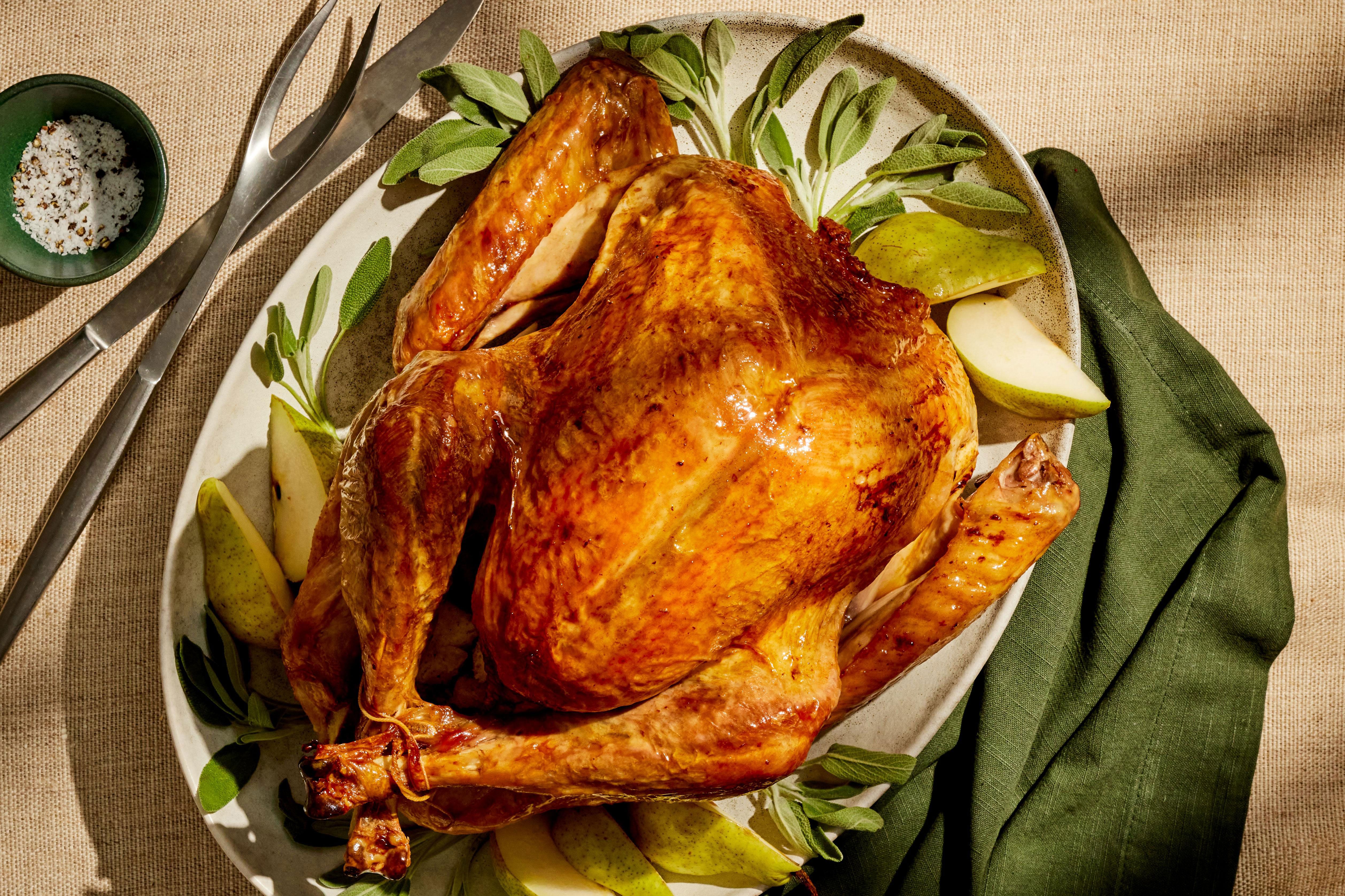

A frozen turkey is one of those foods that makes you feel both prepared and mildly suspicious. It sits in the freezer like a frosty holiday insurance policy, waiting for Thanksgiving, Christmas, Sunday dinner, or the moment you realize feeding twelve people with one bird is cheaper than ordering twelve separate takeout meals.
But then the question arrives: how long is a frozen turkey good to keep in the freezer? Is that bird still dinner, or has it quietly become an archaeological artifact wrapped in plastic?
The good news: if your turkey has been kept continuously frozen at 0°F or below, it can remain safe for a very long time. The more practical answer: for the best flavor, texture, and overall eating experience, a whole frozen turkey is generally best used within 12 months. Some commercial turkeys may remain good-quality longer when stored in original packaging, but after a year, the freezer starts charging rent in the form of dryness, freezer burn, and “why does this taste like ice?” energy.
Let’s break it down clearly, safely, and with zero poultry panic.
The Simple Answer: How Long Can You Keep a Frozen Turkey?
A whole frozen turkey kept at a constant 0°F is technically safe indefinitely, as long as it has never thawed and refrozen improperly. Freezing stops the growth of bacteria, which is why frozen food safety is mostly about temperature control.
However, “safe” and “delicious” are not the same thing. A turkey that has been frozen for three years may not make you sick if it was stored correctly, but it may taste dry, bland, or freezer-burned. Food safety experts often explain freezer storage times as quality guidelines, not strict expiration dates.
Best-quality freezer timeline for turkey
- Whole frozen turkey: Best within 12 months
- Frozen turkey parts: Best within about 9 months
- Ground turkey: Best within 3 to 4 months
- Cooked turkey leftovers: Best within 2 to 6 months, depending on packaging and freezer conditions
So, if your turkey has been frozen for 10 months, relax. If it has been frozen for 18 months, inspect it carefully and expect possible quality loss. If it has been frozen since the era when everyone was making sourdough starters, it may still be safe, but your taste buds deserve a vote.
Safety vs. Quality: The Big Turkey Truth
The most important thing to understand is that freezer storage has two separate issues: food safety and food quality.
Food safety means whether the turkey is likely to make someone sick. If the bird has stayed frozen solid at 0°F, bacteria cannot grow. That is why frozen turkey can remain safe longer than most people expect.
Food quality means whether the turkey still tastes juicy, tender, and fresh. Over time, frozen turkey can lose moisture, develop ice crystals, absorb freezer odors, or become freezer-burned. None of these are glamorous. They are the culinary equivalent of wearing a wrinkled tuxedo to a wedding.
For the best eating experience, use a frozen turkey within one year. After that, it becomes a judgment call based on packaging, freezer temperature, appearance, smell after thawing, and how emotionally attached you are to gravy.
What Happens If You Keep a Turkey Frozen Too Long?
A frozen turkey does not suddenly “expire” on day 366. There is no tiny poultry alarm clock inside the packaging. Instead, quality declines gradually.
Common signs of long freezer storage
- Freezer burn: Dry, pale, grayish, or leathery patches on the skin or meat
- Large ice crystals: A sign of temperature changes or moisture loss
- Damaged packaging: Tears, loose wrapping, or air exposure can speed up freezer burn
- Odd freezer smell: Turkey can absorb odors if poorly wrapped
- Dry texture after cooking: Older frozen turkey often loses juiciness
Freezer burn is not a safety issue by itself. You can trim away freezer-burned areas before cooking. But if the whole turkey looks like it survived a snowstorm in a cardboard box, it may not deliver the holiday feast of your dreams.
How to Tell If a Frozen Turkey Is Still Good
Before you commit to roasting, brining, smoking, or deep-frying a frozen turkey, inspect it like a calm food detective.
1. Check the storage temperature
Your freezer should be at 0°F or below. A freezer thermometer is inexpensive and useful, especially if your freezer is older, frequently opened, or packed tighter than a suitcase before vacation.
2. Look at the packaging
An unopened turkey in its original vacuum-sealed or tight plastic packaging usually keeps better than one wrapped loosely in a grocery bag. Air is the enemy of freezer quality. If air gets in, freezer burn follows like an uninvited guest.
3. Watch for thawing history
If the turkey thawed completely during a power outage or was left at room temperature, safety becomes a concern. If it still had ice crystals or stayed at refrigerator temperature, it may be safe to refreeze, though quality may suffer.
4. Smell it after thawing
A frozen turkey may not reveal much while frozen. After thawing, it should smell neutral or mildly fresh. A sour, rotten, or unpleasant odor means the bird should not be cooked. No heroic seasoning blend can rescue spoiled turkey. Garlic is powerful, but it is not magic.
5. Examine texture and color
Some color change from freezing can happen, especially in areas exposed to air. But slimy texture, sticky surfaces, or strong off-odors after thawing are red flags.
How to Store a Frozen Turkey Properly
Storing turkey correctly is the difference between “beautiful roast centerpiece” and “dry bird with freezer perfume.” Fortunately, the rules are simple.
Keep it frozen at 0°F
The freezer temperature matters more than the calendar. A turkey stored for 11 months in a steady deep freezer may be in better condition than one stored for 5 months in a freezer that is constantly opened, overloaded, or struggling to stay cold.
Leave it in the original packaging
For an unopened whole frozen turkey, the original packaging is usually designed for freezer storage. Do not remove it unless you are preparing to thaw or rewrap because the packaging is damaged.
Add extra protection for long storage
If you plan to keep the turkey for several months, place the original package inside a large freezer bag or wrap it with heavy-duty foil or freezer paper. This helps reduce air exposure and prevents freezer burn.
Store it low in the freezer
Place the turkey where the temperature stays most stable. The freezer door is not ideal because it experiences more temperature swings. A deep freezer or the back of a freezer compartment is better.
Label the date
Write the purchase date or freeze date on the package. Future you will be grateful. Future you may also wonder why past you bought a 22-pound turkey for a household of three, but that is a separate conversation.
Can You Eat a Turkey Frozen for 2 Years?
Yes, possibly. If a turkey has been kept continuously frozen at 0°F, it may still be safe after two years. But the quality may not be as good as a turkey used within one year.
Some turkey brands state that unopened frozen turkeys can be stored longer in the freezer, especially when factory packaging remains intact. Still, for home cooks, the best general rule is this: use a whole frozen turkey within 12 months for best quality.
If your two-year-old turkey has tight packaging, no major freezer burn, no signs of thawing, and smells fine after thawing, it may be usable. Consider brining or using a flavorful roasting method to help with moisture. But if the packaging is torn, the bird is covered in ice crystals, or it smells strange after thawing, let it go. Not every turkey is destined for glory.
Can You Refreeze a Thawed Turkey?
You can safely refreeze a turkey if it was thawed in the refrigerator and kept cold. The quality may decline because thawing releases moisture, but from a safety standpoint, refrigerator-thawed turkey can be refrozen.
However, if you thawed the turkey using the cold-water method or microwave method, cook it immediately. Do not refreeze it raw after those methods because parts of the turkey may have warmed enough to allow bacteria to grow.
Safe thawing methods
- Refrigerator thawing: Safest and best for quality
- Cold-water thawing: Faster, but water must be changed every 30 minutes
- Microwave thawing: Only for turkeys that fit safely, and cook immediately afterward
Never thaw a turkey on the counter, in the garage, on the porch, in a bathtub, or anywhere that sounds like it belongs in a family legend beginning with “one year, Uncle Mike tried something weird.” Room-temperature thawing can allow the outside of the turkey to enter the danger zone while the center is still frozen.
How Long Does It Take to Thaw a Frozen Turkey?
For refrigerator thawing, plan for about 24 hours for every 4 to 5 pounds of turkey. A large turkey needs several days, so do not start thawing the night before unless your backup plan is soup and nervous laughter.
Refrigerator thawing chart
- 8 to 12 pounds: 2 to 3 days
- 12 to 16 pounds: 3 to 4 days
- 16 to 20 pounds: 4 to 5 days
- 20 to 24 pounds: 5 to 6 days
After the turkey is fully thawed in the refrigerator, cook it within 1 to 2 days. Keep it on a tray or in a pan to catch juices and prevent cross-contamination. Raw turkey juice does not belong on lettuce, pie, or anything else that is not headed for proper cooking.
Can You Cook a Turkey from Frozen?
Yes, you can cook a turkey from frozen, as long as you follow safe cooking practices and understand that it will take longer. A frozen turkey may take about 50 percent more cooking time than a thawed turkey.
Cooking from frozen can be useful when time runs out, but it is not ideal for every recipe. You cannot safely deep-fry a frozen turkey, and you may not be able to remove the giblet packet until the bird has cooked long enough to loosen it. Also, seasoning does not stick well to a frozen surface, because apparently even salt has boundaries.
Always cook turkey to a safe internal temperature of 165°F, measured with a food thermometer in the thickest part of the breast, the innermost part of the thigh, and the innermost part of the wing.
Best Ways to Protect Turkey Quality in the Freezer
If you want your frozen turkey to taste like dinner instead of an ice cube with drumsticks, focus on preventing moisture loss and temperature swings.
Use airtight wrapping
If the original package is damaged, rewrap the turkey tightly with freezer-safe materials. Use heavy-duty freezer bags, freezer paper, plastic wrap plus foil, or vacuum sealing if the bird is small enough.
Avoid frequent thaw-refreeze cycles
Each thawing and refreezing cycle can damage texture. Ice crystals expand and break down muscle fibers, which can lead to drier meat after cooking.
Keep the freezer organized
A packed freezer stays cold efficiently, but an overstuffed freezer can block airflow. Leave enough room for cold air to circulate. Also, do not bury the turkey under mystery containers unless you enjoy freezer treasure hunts.
Use older turkeys first
Practice “first in, first out.” Put newer frozen foods behind older ones. This simple habit prevents forgotten turkeys from becoming freezer roommates for multiple presidential administrations.
What About Cooked Turkey Leftovers?
Cooked turkey has a shorter best-quality freezer life than raw whole turkey. For best results, freeze cooked turkey within a few days of cooking, package it in small portions, and use it within about 2 to 6 months.
For moist leftovers, add a little broth or gravy before freezing. Sliced turkey dries out quickly, so airtight storage is essential. Turkey soup, turkey pot pie filling, and shredded turkey in sauce often freeze better than plain slices.
Common Frozen Turkey Mistakes to Avoid
Mistake 1: Assuming the sell-by date controls freezer life
Once a turkey is frozen safely, the date on the package becomes less important than freezer temperature and storage quality. Dates are helpful for freshness, but freezing pauses the safety clock when done properly.
Mistake 2: Thawing on the counter
This is one of the most common turkey mistakes. The outside warms first, and bacteria can multiply before the inside thaws. Use the refrigerator or cold-water method instead.
Mistake 3: Trusting appearance alone
A turkey can look acceptable and still have been mishandled. Temperature history matters. If you know it sat out too long, do not rely on smell or appearance to “approve” it.
Mistake 4: Waiting too long to plan thawing
A 20-pound turkey is not a chicken breast. It needs days, not hours. Put thawing on your calendar. Treat it like an appointment with dinner destiny.
Practical Examples
Example 1: The 10-month frozen turkey
You bought a frozen turkey last November, kept it in a deep freezer, and now it is September. The packaging is intact, there are no big ice crystals, and it stayed frozen the whole time. This turkey is likely in good shape and within the best-quality window.
Example 2: The 18-month frozen turkey
Your turkey has been frozen for a year and a half. It has some small freezer-burned spots, but the packaging is mostly intact. It may still be safe if continuously frozen, but quality may be lower. Trim freezer-burned areas and consider brining or roasting with extra moisture.
Example 3: The mystery turkey
You found a turkey in the freezer with no date, torn packaging, heavy ice crystals, and a smell after thawing that makes everyone in the kitchen pause. Do not cook it. The safest and most appetizing decision is to discard it.
Extra Experience: Real-Life Lessons from Keeping Frozen Turkey Too Long
Anyone who has cooked turkey more than once knows that food safety rules are only half the story. The other half is real kitchen experience: crowded freezers, forgotten grocery deals, holiday schedule chaos, and the yearly debate over whether anyone actually likes dark meat or just feels loyal to tradition.
One useful experience is to treat frozen turkey like a planned project, not a random freezer object. When you buy the bird, write the purchase date in large letters on the package with a permanent marker. Do not trust your memory. Your brain is busy remembering passwords, school events, bills, and whether you bought onions. It will not remember when you bought a frozen turkey.
Another practical lesson: deep freezers preserve quality better than small refrigerator-freezer compartments. A deep freezer is opened less often and usually holds a steadier temperature. If you buy turkey during a major sale and plan to keep it for months, a deep freezer is your best friend. A freezer door shelf, on the other hand, is not the VIP lounge. It is the windy bus stop of frozen storage.
Packaging also matters more than people think. A turkey in tight, unopened factory wrapping can stay in good condition for a long time. But if the plastic is loose, torn, or covered with frost inside the package, quality may drop fast. If you notice package damage early, add another layer of freezer-safe wrapping. That small step can save the meat from drying out.
In my experience, older frozen turkey benefits from extra moisture during cooking. A simple dry brine, a wet brine, herb butter under the skin, or roasting with broth in the pan can help improve texture. This does not reverse freezer burn, but it can make a slightly older bird more enjoyable. Gravy also helps. Gravy has solved more holiday problems than most family meetings.
The biggest lesson is not to gamble with thawing. Many turkey disasters begin when someone realizes the bird is still frozen the night before dinner. Refrigerator thawing is slow, but it is reliable. If you are hosting, count backward from cooking day and add an extra day. A partially frozen turkey on roasting morning is stressful. A fully thawed turkey sitting safely in the refrigerator is peace, confidence, and emotional support in poultry form.
Finally, remember that throwing away a questionable turkey is not wasteful if the alternative is serving unsafe food. Food safety is not the place for heroic optimism. If the turkey was stored correctly, use it with confidence. If the storage history is unknown, the packaging is damaged, or it smells wrong after thawing, choose safety. The best turkey dinner is one people remember for flavor, not for the group text that starts the next morning with “Is anyone else feeling weird?”
Conclusion
A frozen turkey kept continuously at 0°F or below can remain safe indefinitely, but for the best taste and texture, use a whole frozen turkey within about 12 months. Turkey parts, ground turkey, and cooked leftovers have shorter best-quality timelines. The freezer protects food safety by stopping bacterial growth, but it cannot protect flavor forever.
Store your turkey in tight packaging, keep your freezer cold, label the date, and thaw it safely in the refrigerator whenever possible. If the turkey is older but has been stored correctly, inspect it carefully and use cooking methods that add moisture. If it smells bad, feels slimy, or has a questionable thawing history, skip it. There is no holiday tradition that requires arguing with suspicious poultry.
In short: your frozen turkey is probably good longer than you think, but it will taste best when you use it before freezer burn starts writing its memoir.
Note: This article is written for general home food-safety education. When in doubt about a specific turkey’s storage history, temperature exposure, or spoilage signs, choose safety first and discard questionable food.