
“`
The Olympic Games are one of those rare global events that can make millions of people suddenly care deeply about pole vault rules, curling strategy, gymnastics scoring, and whether a swimmer touched the wall by one-hundredth of a second. Every edition turns the world into one giant living room, with fans shouting at the television as if their advice can somehow reach the balance beam. Spoiler alert: it cannot. But that passion is exactly what makes the Olympics so powerful.
At first glance, the Olympic Games may seem simple: athletes compete, medals are awarded, flags are raised, and everyone pretends not to cry during the national anthem. But behind the spectacle is a deep history of ancient tradition, modern reinvention, international cooperation, intense training, political drama, cultural celebration, and unforgettable human stories. The Olympics are not just about who runs fastest or jumps highest. They are about how far human ambition can stretch when the whole world is watching.
So, how much do you really know about the Olympic Games? Let’s warm up like responsible athletes, stretch our trivia muscles, and dive into the fascinating world of Olympic history, symbols, sports, records, traditions, and fan experiences.
What Are the Olympic Games?
The Olympic Games are a major international multi-sport competition held on a regular cycle, bringing together elite athletes from nations around the world. The modern Olympic Movement includes the Summer Olympic Games, the Winter Olympic Games, the Youth Olympic Games, and the Paralympic Games, each with its own identity and athletic focus.
The Summer Olympics usually feature sports such as athletics, swimming, gymnastics, basketball, volleyball, wrestling, cycling, rowing, fencing, and many more. The Winter Olympics highlight sports performed on ice and snow, including skiing, figure skating, speed skating, ice hockey, luge, bobsleigh, curling, biathlon, and snowboarding. In both versions, the goal is not only to win medals but also to represent excellence, respect, friendship, and international unity.
That sounds very noble, and it is. But let’s be honest: it is also thrilling because athletes do things most of us would not attempt even with knee pads, bubble wrap, and a very persuasive coach.
The Ancient Roots of the Olympic Games
The Olympic story begins in ancient Greece. The earliest recorded Olympic Games are traditionally dated to 776 B.C. in Olympia, a sanctuary dedicated to Zeus. The ancient Games were part athletic contest, part religious festival, and part enormous social gathering. Athletes competed in events such as running, wrestling, boxing, chariot racing, and the pentathlon.
Unlike today’s global Olympics, the ancient Games were mainly for Greek male athletes. Winners were not awarded gold medals. Instead, they received olive wreaths, honor, public admiration, and probably the ancient equivalent of “going viral,” which was having poets and citizens talk about them for generations.
The ancient Olympic Games continued for centuries before fading under Roman rule. Yet the idea never fully disappeared. The dream of using sport to bring people together would return much later, wearing a fresh uniform and carrying a much larger flag.
The Birth of the Modern Olympics
The modern Olympic Games were revived in the late 19th century, largely through the efforts of French educator Pierre de Coubertin. Inspired by ancient Greek ideals and the belief that sport could build character and international understanding, Coubertin helped establish the International Olympic Committee, commonly called the IOC, in 1894.
The first modern Olympic Games were held in Athens, Greece, in 1896. That event included athletes from 14 nations and marked the beginning of the Olympic era we know today. By current standards, the 1896 Games were modest. There were no high-definition broadcasts, no social media highlights, no drone shots, and absolutely no one was arguing about slow-motion replay on a smartphone. Still, the event planted a seed that grew into the world’s largest sporting festival.
Since then, the Olympic Games have expanded dramatically. More nations participate, more athletes qualify, more sports appear on the program, and the ceremonies have become full-scale cultural productions. The Olympics have gone from a revival project to a global tradition watched by billions.
What Do the Olympic Rings Mean?
The Olympic rings are among the most recognizable symbols in the world. The five interlaced rings represent the union of five inhabited continents through sport: Africa, the Americas, Asia, Europe, and Oceania. The colorsblue, yellow, black, green, and redappear with a white background on the Olympic flag.
A common myth says each ring color represents one specific continent. That is not accurate. The rings are meant to symbolize global connection, not a color-coded geography test. The design reflects the idea that athletes from every part of the world come together under shared rules, shared ambition, and occasionally shared confusion about judging decisions.
The Olympic Motto: More Than a Catchy Phrase
The Olympic motto is “Faster, Higher, Stronger – Together.” The original Latin motto, “Citius, Altius, Fortius,” means “Faster, Higher, Stronger.” The word “Together” was later added to emphasize solidarity, cooperation, and the belief that sport can connect people across borders.
That final word matters. The Olympics celebrate individual excellence, but they also depend on teamwork: athletes and coaches, host cities and volunteers, medical staff and officials, families and fans. Even solo athletes rarely reach the Olympic stage alone. Behind every medal is an entire support system, usually including someone who made sure the athlete ate breakfast and did not forget their accreditation badge.
Summer Olympics vs. Winter Olympics
The Summer and Winter Olympics share the same Olympic spirit, but they feel very different. The Summer Olympics are often larger, with more sports, more athletes, and a broader range of events. Track and field, swimming, gymnastics, soccer, basketball, and cycling are among the major attractions.
The Winter Olympics, first held in Chamonix, France, in 1924, focus on ice and snow sports. They have their own dramatic personality: flying ski jumpers, spinning figure skaters, roaring hockey arenas, snowboarders flipping through the air, and curlers calmly sliding stones while teammates sweep the ice with the urgency of people cleaning before guests arrive.
Both versions of the Games create iconic moments. The Summer Olympics may offer the roar of a 100-meter sprint final, while the Winter Olympics deliver the quiet tension of a figure skater’s final jump. Different climates, same goosebumps.
Women and the Olympic Games
Women first competed in the modern Olympic Games in Paris in 1900. At that time, the number of female athletes was small, and opportunities were limited to only a few sports. Over time, women’s participation increased steadily, changing the Games and reshaping the global sports landscape.
Paris 2024 marked a major milestone by becoming the first Olympic Games to reach full gender parity on the field of play, with athlete quota places distributed equally between women and men. That achievement did not happen overnight. It was the result of decades of pressure, reform, athletic excellence, and a simple truth that should never have needed so much debate: women belong on the biggest stage in sports.
Today, Olympic champions such as Simone Biles, Katie Ledecky, Allyson Felix, Mikaela Shiffrin, Serena Williams, and many others have helped redefine what greatness looks like. Their influence reaches far beyond medals. They inspire young athletes, challenge stereotypes, and make it harder for anyone to say, “That sport is not for girls.” Good. Let that sentence retire forever.
How Do Sports Become Olympic Sports?
Olympic sports do not simply wander into the Games wearing a tracksuit and ask for a badge. The process is complex. Sports are evaluated based on factors such as global popularity, athlete participation, governance, gender balance, youth appeal, anti-doping standards, venue needs, and whether the event fits the host city’s plan.
The Olympic program changes over time. Some sports disappear, return, or evolve. For Los Angeles 2028, the Olympic program includes notable additions and returns: flag football and squash will make their Olympic debuts, while baseball/softball, cricket, and lacrosse are set to return. These choices reflect both tradition and modern fan interest.
This flexibility keeps the Olympics from becoming a museum with running shoes. The Games honor history, but they also adapt to new generations. That is why a fan can watch ancient-rooted sports like wrestling and modern action sports like skateboarding within the same Olympic movement.
Why Olympic Qualification Is So Difficult
Winning an Olympic medal is hard, but simply qualifying for the Olympic Games is already an extraordinary achievement. Athletes often spend years competing in national trials, world championships, continental tournaments, ranking systems, and qualification events just to earn a spot.
In some countries, the internal competition is almost as fierce as the Olympics themselves. A U.S. sprinter, swimmer, gymnast, or wrestler may have to beat world-class teammates before even reaching the Games. In other countries, athletes may face limited funding, fewer facilities, long travel demands, or the pressure of representing an entire developing sports program.
That is one reason the Olympic Games are so emotional. By the time an athlete walks into the Opening Ceremony, they have already survived years of sacrifice, injuries, early mornings, financial strain, and enough repetitive drills to make a normal person consider a new hobby, like sitting peacefully.
Olympic Ceremonies: Pageantry With Purpose
The Opening Ceremony is one of the most famous Olympic traditions. It usually includes artistic performances, cultural storytelling, the Parade of Nations, speeches, the Olympic oath, the raising of the Olympic flag, and the lighting of the Olympic cauldron.
The Parade of Nations is especially meaningful. Athletes enter under their national flags, often smiling, waving, filming, and looking like they are trying very hard not to trip in front of a global audience. The host country enters last, while Greece traditionally appears early to honor the ancient roots of the Games.
The Closing Ceremony has a different mood. It celebrates completion, friendship, and transition. The Olympic flag is passed symbolically to the next host city, reminding everyone that the Games are not ending forever. They are simply packing their suitcase for the next destination.
Olympic Medals: Gold, Silver, Bronze, and a Lot of Symbolism
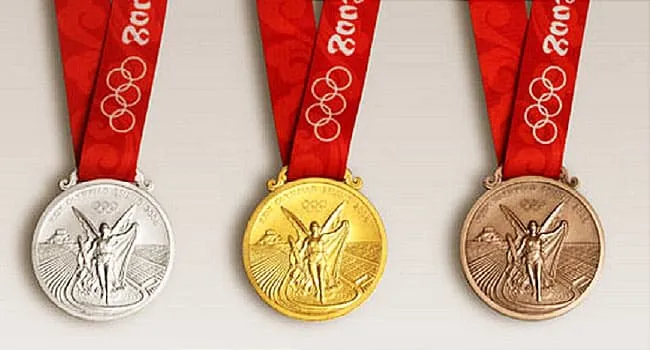
Olympic medals are among the most coveted prizes in sports. Gold, silver, and bronze medals recognize the top three finishers in an event. But the medal ceremony is not only about metal. It is a ritual of recognition: the athlete’s name is called, the flag rises, the anthem plays for the gold medalist, and years of work compress into one unforgettable moment.
Modern gold medals are not made entirely of gold. They are typically silver medals plated with gold. That may disappoint treasure hunters, but not athletes. The true value of an Olympic medal comes from what it represents: discipline, resilience, national pride, and the ability to perform under pressure when the whole planet appears to be holding its breath.
Famous Olympic Moments That Changed Sports History
Olympic history is filled with moments that live far beyond the scoreboard. Jesse Owens winning four gold medals at the 1936 Berlin Olympics remains one of the most powerful performances in sports history. Nadia Comaneci scoring the first perfect 10 in Olympic gymnastics in 1976 changed how people viewed the sport. The “Miracle on Ice” in 1980 turned a hockey game into a cultural memory. Usain Bolt’s sprinting dominance made speed look almost casual, which is deeply unfair to the rest of us trying to jog to the mailbox.
Michael Phelps became the most decorated Olympian in history through unmatched swimming success. Simone Biles transformed gymnastics with skills so difficult they forced the sport to keep updating its imagination. These stories matter because they show that the Olympics are not only about winning. They are about expanding the limits of what people believe is possible.
The Olympics and Host Cities
Hosting the Olympic Games is a massive responsibility. A host city must plan venues, transportation, security, housing, broadcasting operations, volunteer programs, ticketing systems, medical services, and legacy projects. It is like planning the world’s biggest wedding, except the guests include elite athletes, international media, heads of state, sponsors, tourists, and people who expect the train to be on time.
The benefits can include global attention, tourism, infrastructure improvements, sports development, and civic pride. The challenges can include high costs, construction delays, environmental concerns, and questions about long-term venue use. Modern Olympic planning increasingly emphasizes sustainability, existing venues, and legacy value so that host cities are not left with beautiful stadiums that only pigeons use regularly.
Los Angeles 2028 is especially interesting because it will bring the Summer Olympics back to the United States. LA has hosted before, in 1932 and 1984, and the 2028 edition is being planned around many existing and temporary venues across Southern California and beyond. It is a reminder that the Olympics are both a sports event and a city-sized logistical puzzle.
How Much Do You Know? A Quick Olympic Quiz
Ready to test your Olympic knowledge? No medal ceremony will follow, but feel free to play dramatic music in your head.
1. Where were the ancient Olympic Games held?
Answer: Olympia, Greece. The ancient Games were connected to religious festivals honoring Zeus.
2. When were the first modern Olympic Games held?
Answer: 1896 in Athens, Greece.
3. What do the Olympic rings symbolize?
Answer: The union of the world’s inhabited continents through the Olympic Movement.
4. What is the Olympic motto?
Answer: “Faster, Higher, Stronger – Together.”
5. When did women first compete in the modern Olympics?
Answer: Paris 1900.
6. What was the first Winter Olympic host city?
Answer: Chamonix, France, in 1924.
7. Which city will host the 2028 Summer Olympics?
Answer: Los Angeles, California.
8. Which new sports will debut at LA28?
Answer: Flag football and squash are scheduled to make their Olympic debuts.
9. Are Olympic gold medals pure gold?
Answer: No. Modern gold medals are typically silver medals plated with gold.
10. Why do the Olympics matter beyond sports?
Answer: They promote international connection, cultural exchange, athletic excellence, national pride, and unforgettable human stories.
Why People Love the Olympic Games
People love the Olympic Games because they combine competition with storytelling. A regular sports event can be exciting, but the Olympics add layers of meaning. Athletes are not just competing for themselves; they are representing families, hometowns, countries, cultures, and dreams that often began in childhood.
The Games also invite fans to discover sports they rarely watch. Someone who never follows archery may suddenly become an expert on arrow grouping. A person who cannot name three gymnastic apparatuses in June may be explaining difficulty scores by August. The Olympics turn casual viewers into temporary scholars, and that is part of the fun.
There is also something refreshing about seeing so many different body types, skills, and personalities celebrated. A marathon runner, weightlifter, diver, archer, rower, gymnast, and shot putter do not look or train the same way. The Olympics remind us that athletic greatness has many shapes.
Experience Section: What the Olympic Games Feel Like From a Fan’s View
Watching the Olympic Games is a unique experience because it makes the world feel both enormous and surprisingly small. One moment you are watching a sprinter from Jamaica, the next you are cheering for a gymnast from the United States, then suddenly you are emotionally invested in a table tennis match between athletes you had never heard of ten minutes earlier. The Olympics have a funny way of turning strangers into heroes before your coffee gets cold.
One of the best parts of the Olympic experience is discovering sports outside your usual routine. Many fans arrive for swimming, basketball, gymnastics, or track and field, then accidentally fall in love with fencing, badminton, canoe slalom, sport climbing, or curling. That surprise is part of the magic. The Olympics reward curiosity. If you give an unfamiliar event five minutes, you may find yourself asking why you have not been watching it your whole life.
The emotional rhythm of the Games is also unforgettable. There are breathtaking victories, heartbreaking mistakes, shocking upsets, and quiet moments of sportsmanship. Sometimes the most memorable Olympic scene is not the gold medal performance. It is an athlete helping a competitor finish, a coach wiping away tears, a family member cheering from the stands, or a team celebrating a bronze medal as if it were treasure from a dragon’s cave.
For families, the Olympics can become a shared tradition. Parents explain events to children. Children ask wonderfully direct questions, such as “Why is that person skiing and shooting?” during biathlon, which is honestly a fair question. Friends gather to watch finals. Offices run medal-count conversations. Social media fills with clips, jokes, debates, and inspirational stories. The Games become a temporary global language.
The Olympics also inspire people to move. After watching elite athletes, many viewers feel a sudden urge to run, swim, stretch, skate, lift weights, or at least purchase athletic shoes with serious intentions. Not everyone becomes an Olympian, of course. Some people simply become more enthusiastic walkers. That still counts. The Olympic spirit is not only about standing on a podium; it is about trying, improving, and respecting the effort it takes to get better.
Another powerful experience is seeing athletes handle pressure. The Olympic stage is unforgiving. Years of preparation may come down to one race, one routine, one jump, one throw, or one final shot. Watching athletes manage that pressure can teach patience, resilience, and humility. It reminds us that excellence is not magic. It is practice, recovery, failure, adjustment, and the courage to perform when nerves are doing cartwheels in your stomach.
Ultimately, the Olympic Games are enjoyable because they make excellence feel human. Behind every record is a person. Behind every anthem is a journey. Behind every medal is a story of sacrifice, support, and persistence. Whether you watch every event or only tune in for highlights, the Olympics offer something rare: a global celebration where competition can still feel connected to hope.
Conclusion
The Olympic Games are much more than a sports tournament. They are a living mix of ancient tradition, modern ambition, cultural celebration, athletic brilliance, and global connection. From Olympia to Athens, from Chamonix to Los Angeles, the Olympics have evolved while keeping their central promise: to bring the world together through sport.
Knowing Olympic facts makes watching the Games even more enjoyable. When you understand the meaning of the rings, the history behind the ceremonies, the difficulty of qualification, and the stories behind the athletes, every race, routine, match, and medal becomes richer. You are no longer just watching people compete. You are watching history continue in real time.
So, how much do you know about the Olympic Games? Hopefully, more than you did before. And the next time someone asks what the Olympic rings mean, why the Winter Olympics matter, or whether gold medals are solid gold, you can answer confidentlyand maybe with just enough flair to deserve your own tiny podium.