
Note: This web-ready article synthesizes practical cooking guidance from reputable U.S. culinary, nutrition, and extension resources, including USDA/Nutrition.gov, university extension materials, and established recipe publishers.
Acorn squash is one of those vegetables that looks like it should come with instructions, a tiny helmet, and maybe a warning label: “Approach with confidence and a sharp knife.” Its ridged green shell can seem intimidating at first, but once you learn how to bake acorn squash, it becomes one of the easiest, coziest, and most reliable side dishes you can make.
When baked properly, acorn squash turns tender, slightly sweet, and beautifully caramelized around the edges. It can go savory with olive oil, salt, pepper, garlic, and herbs. It can go sweet with butter, brown sugar, maple syrup, cinnamon, and a pinch of salt. It can even become dinner when stuffed with grains, sausage, mushrooms, apples, cranberries, nuts, or cheese. Basically, acorn squash is the fall vegetable that quietly does group projects and somehow deserves all the credit.
This guide will walk you through everything you need to know: how to choose the best squash, how to safely cut it, the best baking temperature, how long to bake acorn squash, flavor ideas, serving suggestions, storage tips, and common mistakes to avoid. Whether you want a simple weeknight side dish or a holiday-worthy vegetable that looks fancy without requiring culinary gymnastics, baked acorn squash belongs in your kitchen rotation.
What Is Acorn Squash?
Acorn squash is a type of winter squash with a hard, ridged exterior and golden-orange flesh. It gets its name from its acorn-like shape, though most acorn squash are much larger than anything a squirrel could reasonably drag across the yard. The flavor is mild, nutty, and gently sweet, somewhere between butternut squash and sweet potato, but a little less sugary and a little more earthy.
One of the best things about acorn squash is that it does not need much help to taste good. Baking concentrates its natural sweetness and softens the flesh until it becomes creamy enough to scoop with a spoon. The skin is also edible once cooked, though many people prefer to scoop out the flesh and leave the shell behind like a tidy little vegetable bowl.
How to Choose the Best Acorn Squash
Great baked acorn squash starts at the grocery store or farmers market. Look for squash that feels heavy for its size. A good squash should feel dense, firm, and sturdy, not light or hollow. The skin should be mostly dark green with some orange patches. A little orange is normal, but a squash that is mostly orange may be overripe and slightly dry inside.
Avoid acorn squash with soft spots, deep cuts, bruises, mold, or a shriveled stem. The skin should look dull rather than shiny. Shiny skin can sometimes mean the squash was picked before it fully matured. Think of it like choosing an avocado, except the acorn squash is far less dramatic and will not betray you overnight.
Ingredients for Basic Baked Acorn Squash
You only need a few ingredients to make a delicious baked acorn squash. The basic version is simple, flexible, and easy to customize.
For a savory version:
- 1 medium acorn squash
- 1 to 2 tablespoons olive oil or melted butter
- 1/2 teaspoon kosher salt
- 1/4 teaspoon black pepper
- Optional: garlic powder, smoked paprika, rosemary, thyme, sage, or Parmesan cheese
For a sweet version:
- 1 medium acorn squash
- 1 to 2 tablespoons butter
- 1 to 2 tablespoons brown sugar or maple syrup
- 1/4 teaspoon cinnamon
- A pinch of salt
- Optional: nutmeg, chopped pecans, walnuts, honey, or a little orange zest
The pinch of salt matters even in the sweet version. It balances the sugar and makes the squash taste more like itself instead of dessert pretending to be dinner.
How to Safely Cut Acorn Squash
Cutting acorn squash is usually the only part of the recipe that makes people pause. The squash is round, ridged, and firm, which means it can wobble if you rush. A little care makes the process much easier.
Step 1: Wash the squash
Rinse the outside under cool running water and scrub gently with a vegetable brush. Even though you are not necessarily eating the skin, your knife passes through the outside and into the flesh, so cleaning the surface first is a smart move.
Step 2: Stabilize your cutting board
Place a damp towel underneath your cutting board to keep it from sliding. This is not a glamorous cooking tip, but neither is chasing a squash across the counter like it owes you money.
Step 3: Trim a small slice from one side if needed
If your squash rolls around, carefully slice off a small piece from one side to create a flat base. This helps the squash sit still while you cut.
Step 4: Cut from stem to tip
Use a sharp chef’s knife to cut the squash in half from the stem end to the pointed end. If the stem is very tough, cut alongside it rather than trying to split directly through it.
Step 5: Scoop out the seeds
Use a sturdy spoon to scrape out the seeds and stringy center. You can discard the seeds or clean and roast them later, just as you would with pumpkin seeds.
How to Bake Acorn Squash: Step-by-Step
There are several good ways to bake acorn squash, but this method gives you tender flesh, golden edges, and plenty of flavor without making the process complicated.
Step 1: Preheat the oven
Preheat your oven to 400°F. This temperature is a sweet spot: hot enough to encourage caramelization, but not so hot that the outside burns before the inside softens.
Step 2: Prepare the baking sheet
Line a rimmed baking sheet with parchment paper or foil for easier cleanup. Acorn squash can release natural sugars as it bakes, and those sugars like to glue themselves to pans with impressive commitment.
Step 3: Season the squash
Brush the cut sides with olive oil or melted butter. Sprinkle with salt and pepper for a savory version, or add butter, brown sugar, maple syrup, cinnamon, and a pinch of salt for a sweet version.
Step 4: Place cut-side down or cut-side up
For deeply browned edges and a creamy interior, place the squash cut-side down on the baking sheet for the first part of cooking. For a classic sweet baked acorn squash with butter and brown sugar pooling in the center, place the halves cut-side up. Both methods work; they simply create slightly different results.
Step 5: Bake until fork-tender
Bake acorn squash for 35 to 55 minutes, depending on size, oven temperature, and whether the squash is halved or sliced. It is done when a fork slides easily into the thickest part of the flesh. If the squash fights back, it needs more time. Acorn squash should be soft, not “technically edible but emotionally disappointing.”
Step 6: Rest and serve
Let the squash rest for 5 minutes before serving. This makes it easier to handle and gives the flavors a moment to settle.
Best Temperature for Baking Acorn Squash
The best temperature for baked acorn squash depends on the texture you want.
- 350°F: Best for a softer, slower bake. This works well when the squash is baked cut-side up with butter and sugar.
- 400°F: Best all-purpose temperature. It creates tender flesh and light caramelization.
- 425°F: Best for slices or wedges when you want browned edges and a roasted flavor.
- 450°F: Best for faster roasting, especially smaller wedges, but watch carefully to avoid burning.
For most home cooks, 400°F is the easiest and most dependable choice. It is hot enough to build flavor but forgiving enough that you do not have to stare into the oven like you are monitoring a space launch.
How Long to Bake Acorn Squash
Timing depends on how you cut the squash. Whole squash takes longer and should be pierced before baking to allow steam to escape. Halves are the most common and easiest method. Slices and wedges bake faster and offer more browned surface area.
- Whole acorn squash: About 45 to 60 minutes at 400°F, depending on size
- Halved acorn squash: About 35 to 55 minutes at 400°F
- Sliced acorn squash: About 20 to 30 minutes at 425°F
- Stuffed acorn squash: Usually 45 to 60 minutes total, depending on the filling
The best doneness test is texture, not the clock. The squash should be tender all the way through, especially near the skin where the flesh is thickest.
Sweet Baked Acorn Squash Variation
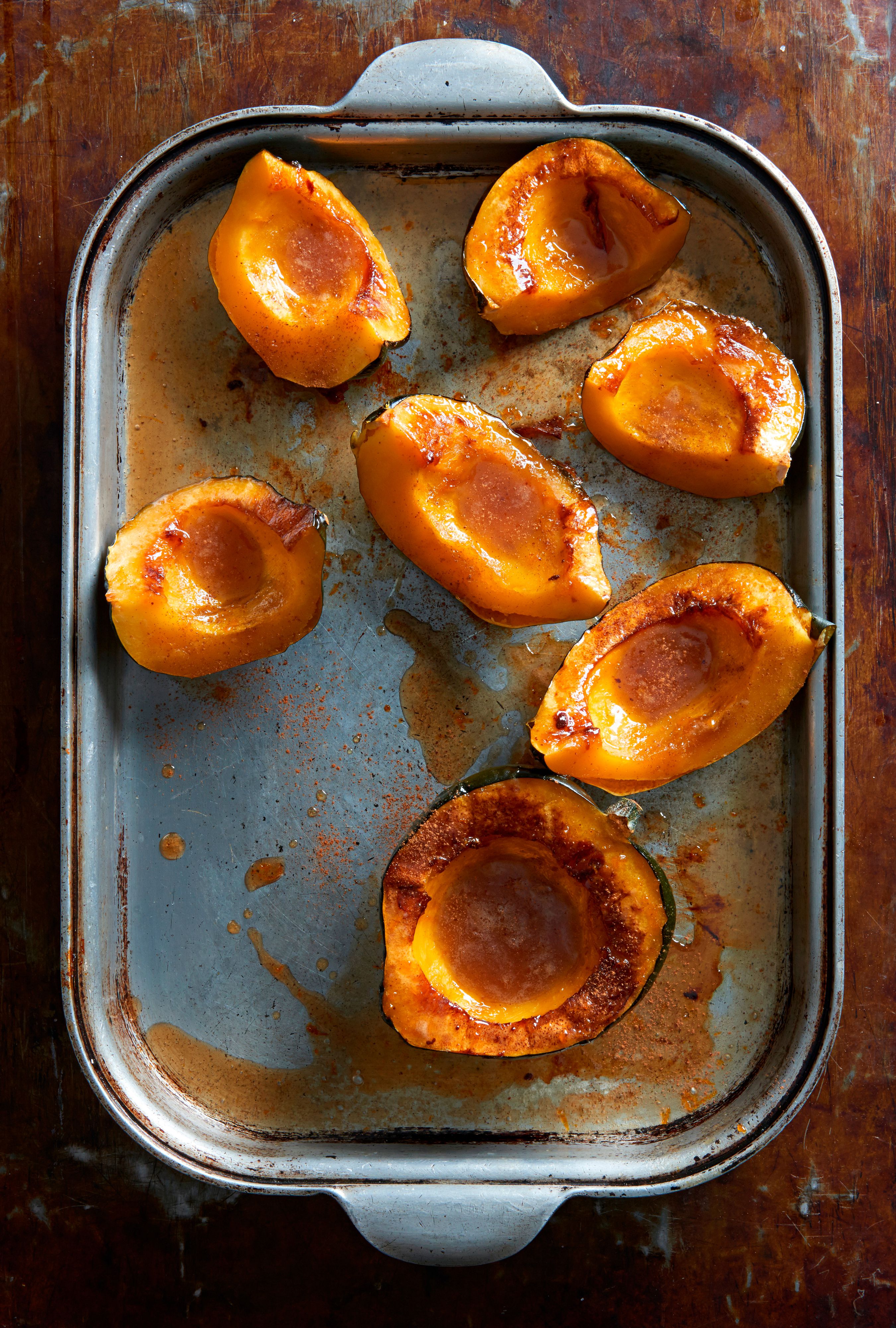
Sweet baked acorn squash is the classic version many people remember from fall dinners. Place the squash halves cut-side up in a baking dish. Add butter, brown sugar, maple syrup, cinnamon, and a pinch of salt to the hollow center. As the squash bakes, the butter melts into the sugar and creates a glossy sauce that seeps into the flesh.
For extra flavor, add chopped pecans during the last 10 minutes of baking. They toast lightly and give the soft squash a crunchy contrast. A small splash of orange juice or a little orange zest can also brighten the flavor, especially if you are serving the squash with roasted turkey, chicken, or pork.
Savory Baked Acorn Squash Variation
If you prefer a savory side dish, skip the sugar and lean into herbs, spices, and cheese. Brush the squash with olive oil, then season it with salt, pepper, garlic powder, smoked paprika, thyme, rosemary, or sage. Bake cut-side down until tender, then flip it over for the final 10 minutes if you want extra browning.
For a finishing touch, sprinkle the hot squash with Parmesan cheese, toasted breadcrumbs, fresh parsley, or chili flakes. Savory baked acorn squash pairs beautifully with roast chicken, pork tenderloin, grain bowls, lentils, wild rice, or a simple green salad.
Can You Eat Acorn Squash Skin?
Yes, acorn squash skin is edible once cooked. It softens during baking, especially when the squash is sliced into thinner wedges. That said, the texture can still be slightly chewy. Some people enjoy it; others prefer to scoop out the flesh and leave the skin behind. There is no wrong answer here. This is dinner, not a courtroom.
What to Serve with Baked Acorn Squash
Baked acorn squash is surprisingly versatile. It can be a side dish, a vegetarian main course, or a base for leftovers. Serve it with roasted chicken, turkey, pork chops, meatloaf, salmon, or baked tofu. For a meatless meal, fill the squash halves with quinoa, wild rice, mushrooms, chickpeas, lentils, spinach, cranberries, apples, walnuts, or goat cheese.
It also works well in salads. Roast acorn squash slices until caramelized, then layer them over arugula or kale with toasted nuts, dried cranberries, feta, and a maple-Dijon vinaigrette. You get sweet, savory, creamy, crunchy, and tangy all in one bowlthe kind of salad that does not feel like punishment.
Common Mistakes to Avoid
Undercooking the squash
The most common mistake is pulling acorn squash from the oven too early. Properly baked squash should be tender and creamy. If it is firm, fibrous, or difficult to scoop, give it more time.
Using too little salt
Acorn squash has a mild flavor, so seasoning matters. Even sweet versions benefit from a pinch of salt. Savory versions need enough salt to bring out the squash’s natural nuttiness.
Overcrowding the pan
If you are baking slices, spread them in a single layer. Crowding traps steam and prevents browning. The squash will still cook, but it will taste more steamed than roasted.
Skipping oil or butter
A little fat helps the squash brown, prevents dryness, and carries flavor. You do not need much, but skipping it completely can make the finished dish taste flat.
How to Store and Reheat Baked Acorn Squash
Store leftover baked acorn squash in an airtight container in the refrigerator for up to 4 days. Reheat it in a 350°F oven until warm, or microwave it in short intervals. For the best texture, the oven is better because it helps revive the edges. The microwave is faster, but the squash will be softer.
You can also scoop the cooked flesh from the skin and mash it. Use mashed acorn squash as a side dish, soup base, pasta filling, toast spread, or quick addition to oatmeal or grain bowls. It also freezes well when mashed. Freeze it in airtight containers or freezer bags, then thaw in the refrigerator before reheating.
Can You Bake Acorn Squash Whole?
Yes, you can bake acorn squash whole, and it is a helpful method if cutting raw squash makes you nervous. Pierce the squash several times with a sharp knife to allow steam to escape. Place it on a baking sheet and bake at 400°F until tender, usually 45 to 60 minutes. Let it cool slightly, then cut it open and scoop out the seeds.
The benefit of baking whole acorn squash is that it becomes much easier to cut after cooking. The downside is that you do not get the same caramelized cut surfaces. For maximum flavor, cut and season it before baking. For maximum convenience, bake it whole first. Both roads lead to squash, and that is a peaceful destination.
Flavor Ideas for Baked Acorn Squash
Once you know the basic method, baked acorn squash becomes a blank canvas. Try maple syrup with cinnamon and toasted pecans for a holiday side dish. Use olive oil, cumin, coriander, and chili powder for a warm, smoky flavor. Add miso butter for a salty-sweet twist. Brush wedges with garlic butter and finish with Parmesan for a side dish that disappears quickly.
For a Mediterranean-style version, season slices with olive oil, oregano, black pepper, and lemon zest, then serve with yogurt sauce. For a Thanksgiving-style version, use butter, maple syrup, sage, cranberries, and walnuts. For a weeknight version, keep it simple with olive oil, salt, pepper, and whatever herb is currently surviving in your fridge.
of Real-Life Experience: What Baking Acorn Squash Teaches You
The first thing you learn when baking acorn squash is that confidence matters. A raw acorn squash looks like it was designed by nature to protect treasure. The skin is firm, the ridges are dramatic, and the shape does not exactly scream “easy weeknight side dish.” But once you cut it open, scoop out the seeds, and slide it into the oven, the whole mood changes. Suddenly, the kitchen smells warm, buttery, and slightly nutty. The squash that looked so serious on the counter turns soft, golden, and cooperative.
One of the best experiences with baked acorn squash is how forgiving it is. Some vegetables require perfect timing. Acorn squash is not one of them. If it bakes a few extra minutes, it usually becomes sweeter and more caramelized. If you add a little more butter, no one complains. If you forget the maple syrup and use brown sugar instead, dinner continues. This makes it a great recipe for beginner cooks, busy parents, students, or anyone who wants a vegetable side dish that does not require a spreadsheet.
Another thing you notice is how flexible the flavor can be. The same squash can feel completely different depending on the seasoning. With cinnamon, maple syrup, and butter, it tastes cozy and nostalgic, the kind of dish that belongs next to roast turkey or chicken. With olive oil, garlic, black pepper, and herbs, it becomes earthy and savory. With grains and mushrooms, it turns into a satisfying vegetarian main course. Acorn squash is not loud, but it is incredibly adaptable.
There is also something satisfying about serving acorn squash halves. They look impressive with almost no styling. The natural bowl shape makes the dish feel intentional, even if the actual effort was mostly “cut, season, bake.” If you are cooking for guests, baked acorn squash gives you that wonderful illusion of having planned everything carefully. Add chopped parsley, toasted nuts, or a drizzle of maple butter, and suddenly the side dish looks like it belongs in a magazine. A very achievable magazine. One that understands laundry exists.
From experience, the biggest difference between average baked acorn squash and excellent baked acorn squash is patience. Do not rush it. Let the oven do its job until the flesh is truly tender. When the edges brown and the center becomes silky, the flavor deepens. The squash stops tasting like “healthy obligation” and starts tasting like something you would make on purpose. That is the sweet spot.
Baked acorn squash also makes leftovers surprisingly useful. The cooked flesh can be mashed with butter and salt, blended into soup, folded into pasta, tucked into tacos, or added to a breakfast hash. Sweet leftovers can go into oatmeal with cinnamon and nuts. Savory leftovers can join rice bowls with greens and a fried egg. It is the rare side dish that does not become sad in the fridge after one day.
Most of all, baking acorn squash reminds you that simple food can still feel special. You do not need complicated ingredients or restaurant-level technique. You need a good squash, a hot oven, a little seasoning, and enough patience to let it become tender. That is the quiet beauty of this recipe. It is practical, affordable, comforting, and just fancy enough to make dinner feel like you tried harder than you did.
Conclusion
Learning how to bake acorn squash is one of the easiest ways to add a cozy, colorful, nutrient-rich side dish to your fall and winter meals. Choose a firm, heavy squash, cut it safely, scoop out the seeds, season it well, and bake until the flesh is fork-tender. From sweet maple-butter versions to savory herb-roasted wedges, acorn squash can fit into weeknight dinners, holiday spreads, vegetarian meals, and meal-prep bowls.
The secret is not complicated: give the squash enough heat, enough seasoning, and enough time. Once you master the basic method, you can dress it up with nuts, cheese, grains, herbs, spices, or a little brown sugar. Baked acorn squash is humble, flexible, and deeply comfortingthe kind of recipe that proves vegetables do not need to be boring. They just need a good oven and maybe a little butter.