
Getting a tooth filling is one of those small dental victories that deserves a tiny parade. You walked in with a cavity, survived the drill soundtrack, and walked out with your tooth repaired like a pothole after a city finally answered your complaint. But the story does not end when the dentist says, “You’re all set.” A new filling needs smart care, especially during the first day or two, and your long-term habits will decide whether that filling lives a peaceful life or files for early retirement.
This guide explains how to care for a tooth filling in 14 practical steps, from what to eat after a filling to how to handle tooth sensitivity, chewing discomfort, brushing, flossing, and warning signs. Whether you have a composite filling, amalgam filling, temporary filling, or a freshly repaired molar that feels a little dramatic, these tips will help you protect your dental work and keep your smile out of trouble.
What Is a Tooth Filling and Why Does Aftercare Matter?
A tooth filling repairs a tooth damaged by decay, wear, or minor fracture. The dentist removes the decayed portion, cleans the area, and fills the space with a dental material such as composite resin, amalgam, glass ionomer, or another restorative material. In simple terms, a filling gives your tooth back its shape, strength, and job description.
Aftercare matters because a filling sits in a busy neighborhood. It has to survive chewing pressure, temperature changes, saliva, bacteria, toothpaste, floss, snacks, and the occasional “I’ll just bite this ice cube” decision. With proper care, many fillings can last for years. With poor care, decay can form around the edges, the filling can crack, or the tooth can become sensitive and uncomfortable.
How to Care for a Tooth Filling: 14 Steps
1. Wait Until the Numbness Wears Off Before Chewing
If your dentist used local anesthesia, your lips, cheek, tongue, and nearby teeth may feel numb for a few hours. During this time, avoid chewing on that side of your mouth. Why? Because numb cheeks are brave but not very smart. You can accidentally bite your cheek or tongue without realizing it until the anesthesia wears off and your mouth sends a strongly worded complaint.
Choose soft foods and chew on the opposite side until normal feeling returns. If you had a child treated, watch them closely so they do not chew their lip or cheek while numb.
2. Follow Your Dentist’s Instructions First
General filling aftercare is helpful, but your dentist knows the details of your case: how deep the cavity was, what filling material was used, whether the bite needed adjustment, and whether the tooth was close to the nerve. If your dentist gives specific instructions, follow those over general advice from the interneteven this very charming article.
For example, a temporary filling may require extra caution with sticky foods, while a deep composite filling may need a few days of gentler chewing. Personalized instructions matter.
3. Eat Soft Foods for the First Day
After a filling, especially if the tooth feels tender, soft foods are your best friends. Good options include scrambled eggs, yogurt, mashed potatoes, oatmeal, soup that is warm but not boiling, smoothies, soft pasta, bananas, and applesauce. These foods let you eat without turning your new filling into a stress test.
Avoid very crunchy foods during the first 24 hours, particularly if the filled tooth feels sore. Hard foods like nuts, popcorn kernels, hard candy, and crusty bread can place extra pressure on the tooth.
4. Avoid Sticky Foods at First
Sticky foods can tug at new dental work, especially if the filling is temporary or if the material needs time to fully settle. For the first day, skip caramel, taffy, gummy candy, chewing gum, and anything that behaves like edible glue.
Even after the first day, sticky sweets are not exactly tooth-friendly. They cling to the grooves around teeth and can feed the bacteria that cause cavities. Your filling does not need that kind of workplace drama.
5. Be Careful With Hot and Cold Foods
Tooth sensitivity after a filling is common. You may notice a quick zing when drinking iced water, hot coffee, or eating something sweet. This often happens because the tooth and surrounding tissues were irritated during treatment, especially if the cavity was deep.
For the first few days, choose lukewarm foods and drinks. Avoid extreme temperatures until the tooth calms down. If sensitivity gradually improves, that is usually a good sign. If it gets worse, lasts for several weeks, or becomes intense, call your dentist.
6. Chew Gently and Use the Opposite Side
Once the numbness is gone, you can usually eat, but go easy. Chew gently and, if possible, use the opposite side of your mouth for the first day. This gives the filled tooth time to settle and helps you notice whether the bite feels normal.
If biting down causes sharp pain or the filled tooth hits before the others, your filling may be slightly too high. That is not a moral failure; it is a quick dental adjustment. Call your dentist instead of trying to “wear it down” by chewing like a determined beaver.
7. Brush Twice a Day With Fluoride Toothpaste
Yes, you should brush after getting a filling. Use a soft-bristled toothbrush and fluoride toothpaste twice a day. Brush gently around the filled tooth, especially if the gum nearby feels tender. You do not need to scrub as if you are cleaning a barbecue grill. Gentle, thorough brushing is the goal.
Fluoride helps strengthen enamel and protect teeth from future decay. That matters because a filling repairs existing damage, but it does not make the tooth invincible. Decay can still form around the edges of a filling if plaque is allowed to build up.
8. Floss Daily, But Do It Carefully
Flossing helps clean the spaces between teeth where a toothbrush cannot reach. After a filling, floss gently around the treated tooth. Slide the floss down, curve it along the side of the tooth, and move it carefully under the gumline. Avoid snapping it hard against tender gums.
If the floss catches, shreds, or feels blocked near the filling, contact your dentist. A rough edge or tight contact may need polishing or adjustment. Smooth dental work should let floss pass without turning into a tiny wrestling match.
9. Use Desensitizing Toothpaste If Recommended
If your tooth feels sensitive after the filling, a toothpaste designed for sensitive teeth may help. These toothpastes can reduce discomfort over time when used consistently. They are not instant magic, so do not expect one brushing to make your tooth write a thank-you note.
Use it as directed, usually twice daily, and avoid rinsing aggressively right after brushing so the ingredients have more contact time. If sensitivity remains strong or does not improve, schedule a dental follow-up.
10. Avoid Sugary Snacks and Frequent Sipping
Sugar is a favorite snack for cavity-causing bacteria. When bacteria feed on sugar, they produce acids that attack enamel. Frequent snacking or sipping sweet drinks keeps the mouth in an acid-friendly environment for longer periods.
To protect your filling and surrounding tooth structure, limit soda, candy, sweet coffee drinks, fruit snacks, and constant grazing. If you do enjoy something sweet, have it with a meal and rinse with water afterward. Your teeth appreciate snack discipline, even if your taste buds roll their eyes.
11. Drink Water and Keep Your Mouth Clean
Water helps rinse away food particles and supports saliva, which naturally helps protect teeth. Fluoridated tap water can also provide extra cavity protection in many communities. If your mouth feels dry, sip water regularly and talk to your dentist, especially if dry mouth is frequent.
Dry mouth can increase cavity risk because saliva helps neutralize acids and wash away debris. A filling lasts longer in a clean, balanced mouth than in a sugar-coated desert.
12. Do Not Ignore Pain When Biting
Mild soreness after a filling can be normal, but sharp pain when biting is different. It may mean the filling is too high, the tooth is cracked, or the nerve inside the tooth is irritated. The good news: if the filling is too high, the dentist can often fix it quickly by adjusting the bite.
Call your dentist if chewing feels painful, uneven, or sharp. Waiting too long can make the tooth more irritated because each bite keeps applying extra pressure.
13. Watch for Warning Signs
Some symptoms deserve prompt dental attention. Contact your dentist if you notice swelling, severe throbbing pain, fever, pus, a bad taste that does not go away, a filling that feels loose, a crack in the tooth, or sensitivity that worsens instead of improving.
You should also call if the filling falls out. Do not try to repair it with household glue, craft supplies, or heroic optimism. Dental materials are designed for the mouth; random adhesives are not.
14. Keep Regular Dental Checkups
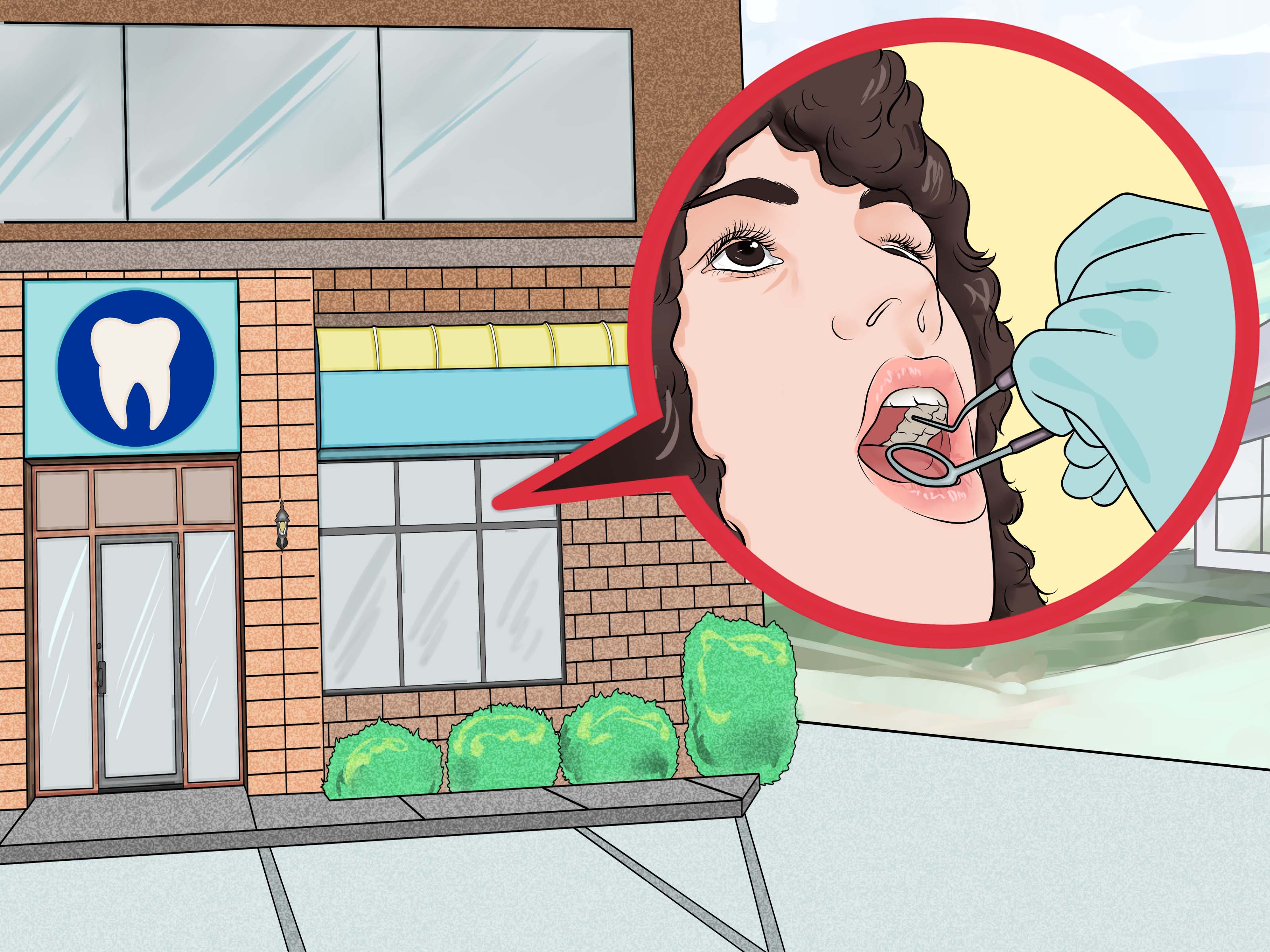
Regular dental visits help your dentist check the filling, polish rough edges, spot early decay, and monitor the tooth over time. A filling may look fine to you but still have a small gap, crack, or weak margin that a dentist can detect early.
Think of checkups as maintenance for your mouth. Cars need oil changes, phones need updates, and fillings need a professional glance before tiny problems become expensive plot twists.
How Long Does Tooth Sensitivity Last After a Filling?
For many people, tooth sensitivity after a filling improves within a few days to a couple of weeks. The tooth may react to cold drinks, hot foods, air, pressure, or sweets. This is especially common when the cavity was deep or close to the nerve.
However, sensitivity should trend in the right direction. If it continues beyond a few weeks, becomes severe, wakes you at night, or turns into throbbing pain, schedule a dental appointment. Lingering pain may mean the filling needs adjustment, the nerve is inflamed, or the tooth needs further treatment.
What Can You Eat After a Tooth Filling?
After the numbness wears off, most people can eat. The smartest choices are soft, mild foods that are not too hot, too cold, too sticky, or too crunchy. Try oatmeal, rice, soft fish, eggs, yogurt, bananas, soup, smoothies, and tender cooked vegetables.
Foods to avoid for the first day include hard candy, ice, sticky caramel, nuts, popcorn kernels, crunchy chips, and tough meat. If your filling is temporary, your dentist may ask you to avoid chewing on that side until the permanent restoration is placed.
How to Brush and Floss Around a Filling
Brush the filled tooth the same day unless your dentist says otherwise. Use small circular motions, a soft brush, and fluoride toothpaste. Pay attention to the gumline and chewing surface, where plaque likes to hide like it owes rent.
When flossing, be gentle. If the filling is between teeth, flossing is especially important because food and plaque can collect near the filling margin. If floss catches repeatedly, tell your dentist. The filling may need smoothing.
How to Make a Filling Last Longer
A filling lasts longer when the tooth around it stays healthy. The best long-term habits are simple: brush twice daily, floss or use interdental cleaners once daily, limit sugary foods, drink water, wear a night guard if you grind your teeth, and keep dental appointments.
If you clench or grind your teeth, tell your dentist. Grinding can crack fillings, wear down enamel, and cause jaw discomfort. A custom night guard may help protect both your fillings and your natural teeth.
Common Mistakes After Getting a Filling
Chewing While Still Numb
This is the classic post-filling mistake. It seems harmless until you bite your cheek and discover that lunch has betrayed you. Wait until normal feeling returns.
Testing the Filling Too Much
Some people repeatedly bite down to “check” the filling. Do not do this. If something feels wrong, call your dentist. Constant testing can irritate the tooth further.
Skipping Floss Because the Tooth Feels New
A filling is not a museum exhibit. It still needs cleaning. Gentle flossing helps prevent decay from forming around the restoration.
Ignoring a High Bite
If the filling feels tall or your bite feels uneven, do not wait for months. A simple adjustment can prevent ongoing pressure and pain.
When to Call a Dentist After a Filling
Call your dentist if you have severe pain, swelling, fever, pain that wakes you at night, sensitivity that lasts more than a few weeks, sharp pain when biting, a loose filling, a cracked tooth, or a rough edge that cuts your tongue. You should also call if the filled tooth feels “off” every time you chew.
Dental pain is easier to treat early. Waiting until it becomes dramatic usually makes the solution more complicated and more expensive. Teeth are wonderful, but they are not known for solving their own problems politely.
Real-Life Experience: What Caring for a Filling Actually Feels Like
Here is the honest experience many people have after a tooth filling. The appointment ends, the dentist smiles, and you think, “Great, fixed!” Then you try to speak with one side of your mouth numb and realize you sound like a cartoon villain with dental insurance. For the first few hours, the main job is patience. You wait for the numbness to fade, avoid chewing, and resist the strange urge to poke your lip because it feels like it belongs to someone else.
Once the numbness wears off, the filled tooth may feel slightly strange. Not painful, exactly, but noticeable. It might feel smooth, raised, tender, or sensitive to cold water. This is where calm common sense helps. Instead of panicking, eat something soft and lukewarm. A bowl of soup, scrambled eggs, or yogurt can feel like a five-star meal when your mouth is not ready for crunchy tacos. The goal is not to baby the tooth forever; it is to give it a gentle landing.
In the first couple of days, many people become very aware of their bite. You may think, “Was my tooth always this shape?” or “Is this filling too high, or am I just overthinking like a professional?” A little awareness is normal. But if the filled tooth hits first when you close your mouth, or if chewing causes sharp pain, that is worth a call. Dentists adjust high fillings all the time. It is quick, common, and much better than trying to chew through discomfort for weeks.
Brushing after a filling can feel slightly intimidating at first. The trick is to brush gently, not avoid the area. Plaque does not take a vacation because you had dental work. Use a soft brush, fluoride toothpaste, and slow movements. Flossing may feel odd if the filling is between teeth, but it should not shred or get stuck every time. If it does, the filling may need a small polish. That is not a disaster; it is maintenance.
The biggest lesson from living with fillings is that aftercare is mostly about ordinary habits done consistently. You do not need a complicated dental ritual involving candles, chanting, and seven types of mouthwash. You need to brush well, clean between teeth, drink water, avoid constant sugar attacks, and pay attention to symptoms that do not improve. If sensitivity fades over time, great. If it lingers or worsens, get it checked.
A filling is a repair, not a force field. It helps restore the tooth, but the surrounding enamel still needs protection. People who treat a filling like a fresh start often do better than those who treat it like permission to ignore oral hygiene. Think of it as a second chance for that tooth. Feed it better, clean it better, and do not make it crunch ice like it is auditioning for a superhero movie.
Conclusion
Caring for a tooth filling is not complicated, but it does require attention. Wait for numbness to wear off, eat soft foods at first, avoid sticky and hard snacks, brush with fluoride toothpaste, floss carefully, and monitor sensitivity. Mild discomfort can be normal, but severe pain, swelling, a high bite, or sensitivity that does not improve should be checked by your dentist.
The best filling care is a mix of short-term caution and long-term oral hygiene. Treat your new filling kindly in the first 24 to 48 hours, then protect it with daily habits that keep the rest of your mouth healthy too. Your tooth has been repaired. Now give it the peaceful, low-drama future it deserves.