
Dried fava beans are the pantry ingredient that looks modest in the bag and then, with a little water, heat, and patience, turns into something creamy, earthy, and deeply satisfying. They are also known as broad beans, and they have been feeding people for thousands of years, long before anyone owned an air fryer, complained about meal prep, or pretended that a sad desk salad was lunch.
The only catch? Dried fava beans can be confusing. Some are whole with skins. Some are peeled. Some are split. Some cook in under an hour. Others stare back from the pot like tiny beige pebbles until you admit you should have soaked them. This easy step-by-step guide explains how to cook dried fava beans properly, how to soak them, when to peel them, how long to simmer them, and what to make once they are tender.
Whether you want creamy fava bean dip, hearty soup, Mediterranean-style beans with olive oil and lemon, or a protein-rich side dish, this guide will help you get from dry beans to dinner without panic, mush, or unnecessary kitchen drama.
What Are Dried Fava Beans?
Fava beans are large, flat legumes with a rich, slightly nutty flavor. Fresh fava beans are bright green and often show up in spring recipes, but dried fava beans are available year-round and are especially common in Middle Eastern, Mediterranean, North African, Greek, and Italian cooking.
Dried fava beans usually come in three forms:
- Whole dried fava beans: These still have their tough outer skins and usually need soaking. They often take the longest to cook.
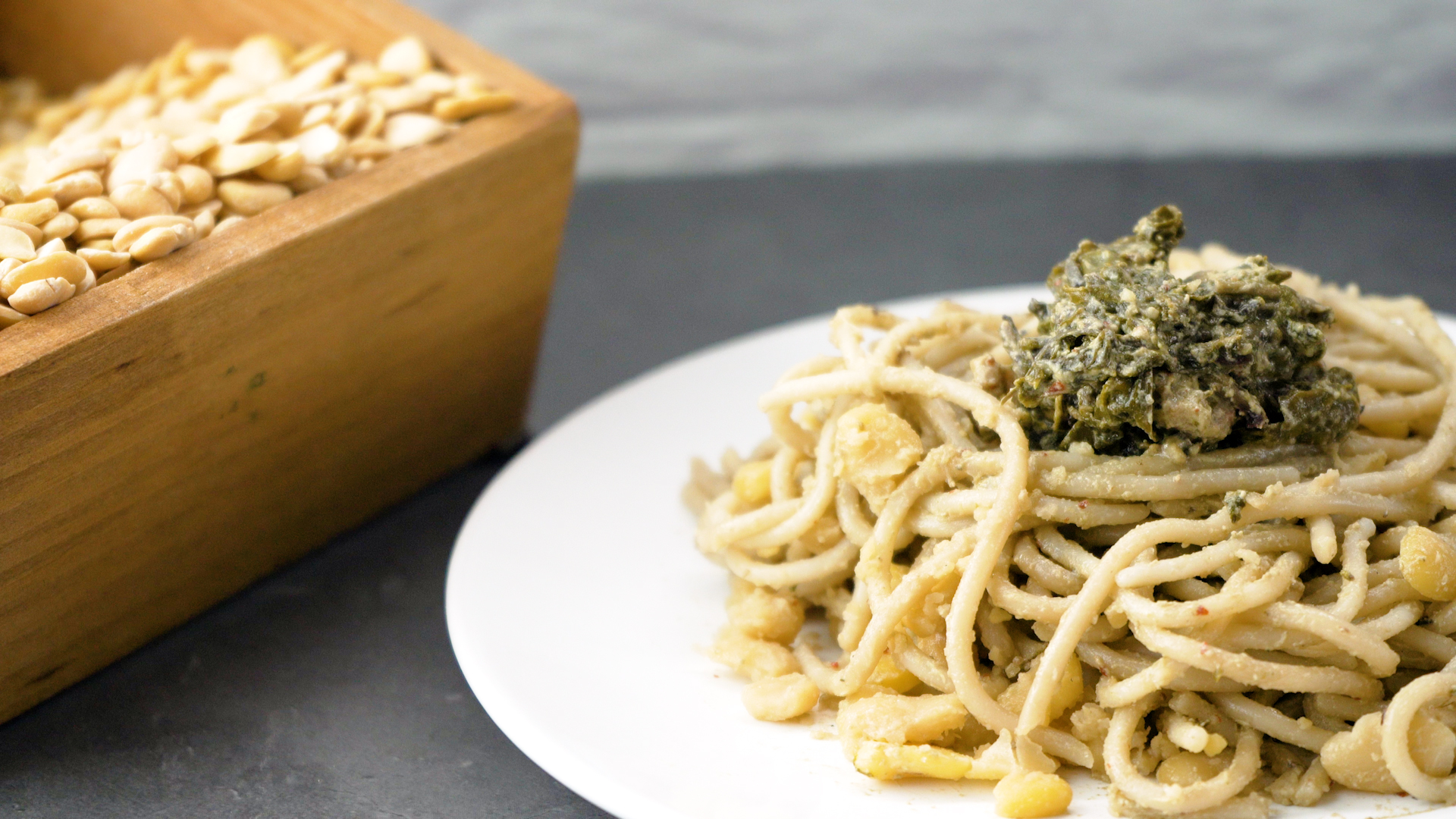
- Peeled dried fava beans: These have the skins removed. They cook faster and become very creamy, making them perfect for dips, soups, and purees.
- Split dried fava beans: These are peeled and split, similar to split peas. They cook quickly and often break down into a smooth texture.
Before you cook, check the package. The difference between whole, peeled, and split fava beans matters more than the brand name. It is the difference between “dinner is almost ready” and “we are emotionally committed to this pot now.”
Do You Need to Soak Dried Fava Beans?
The honest answer is: it depends on the type of dried fava bean you bought.
Soak whole dried fava beans
Whole dried fava beans are large and have a firm outer skin, so soaking is strongly recommended. Soaking helps the beans hydrate evenly, shortens the cooking time, and makes the skins easier to remove if you want a smoother final dish.
You may not need to soak peeled or split dried fava beans
Peeled or split dried fava beans often cook without soaking, especially if they are relatively fresh. Many packaged peeled fava beans can be simmered directly after rinsing. Still, a short soak can help if the beans are old or if you want a softer, creamier result.
How long to soak dried fava beans
For whole dried fava beans, soak them for 8 to 12 hours in plenty of cool water. The beans will expand as they absorb water, so use a large bowl and cover them with at least 3 inches of water. If your kitchen is warm, place the bowl in the refrigerator during soaking.
Ingredients and Equipment
You do not need fancy equipment to cook dried fava beans. A basic pot, clean water, and a spoon are enough. Your beans will not judge your cookware.
Basic ingredients
- 1 cup dried fava beans
- 3 to 4 cups water for cooking, plus more for soaking
- 1 teaspoon salt, or to taste
- 1 bay leaf, optional
- 2 garlic cloves, optional
- 1 small onion or shallot, optional
- Olive oil, lemon juice, cumin, parsley, or chili flakes for serving
Helpful equipment
- Large bowl for soaking
- Colander or fine-mesh strainer
- Medium or large saucepan
- Wooden spoon
- Small knife, if peeling whole beans by hand
How to Cook Dried Fava Beans Step by Step
Step 1: Sort the beans
Pour the dried fava beans onto a tray or clean kitchen towel. Look for small stones, shriveled beans, or bits of field debris. This is not the glamorous part of cooking, but it is much better than discovering a pebble with your teeth. Remove anything that does not look like food.
Step 2: Rinse well
Place the beans in a colander and rinse them under cool running water. Rub them lightly with your fingers to remove dust. Dried beans are shelf-stable, not self-cleaning.
Step 3: Soak if needed
If you are using whole dried fava beans, transfer them to a large bowl and cover with plenty of cool water. Soak for 8 to 12 hours. After soaking, drain and rinse the beans again.
If you are using peeled or split dried fava beans, check the package instructions. Many can go straight into the pot after rinsing. If you are unsure how old they are, soak them for 2 to 4 hours to encourage even cooking.
Step 4: Decide whether to peel
Whole dried fava beans have a thick skin. Some cooks leave the skins on for rustic stews, but many people prefer to remove them because the inner bean is creamier and milder. After soaking, pinch one end of a bean. If the skin loosens easily, slip it off. If not, simmer the beans for 10 to 15 minutes, drain, cool slightly, and then peel.
Peeling fava beans is not hard, but it is repetitive. Think of it as kitchen meditation, except the reward is dinner.
Step 5: Simmer gently
Place the soaked and drained beans in a pot. Add enough fresh water to cover them by about 2 inches. Add salt, bay leaf, garlic, onion, or other aromatics if you like. Bring the pot to a boil, then immediately reduce the heat to a gentle simmer.
A gentle simmer is important. Boiling fava beans aggressively can cause them to break apart on the outside before they become tender inside. You want a calm bubble, not a hot tub with anger issues.
Step 6: Cook until tender
Cooking time depends on the type, size, and age of the beans:
| Type of Dried Fava Bean | Soaking Needed? | Approximate Cooking Time | Best Uses |
|---|---|---|---|
| Whole dried fava beans | Yes | 60 to 90 minutes | Stews, rustic bean dishes, salads |
| Peeled dried fava beans | Optional | 40 to 50 minutes | Dips, soups, mashed beans |
| Split dried fava beans | Usually no | 25 to 40 minutes | Purees, spreads, quick soups |
Start checking early. A perfectly cooked fava bean should be tender enough to mash between your fingers or against the side of the pot with a spoon. It should not be chalky in the center.
Step 7: Season after cooking
Once the beans are tender, taste and adjust the salt. Add olive oil, lemon juice, herbs, spices, or a splash of vinegar. Acidic ingredients such as lemon juice, tomatoes, and vinegar are best added near the end, after the beans are tender. This keeps the texture soft and pleasant.
How to Make Cooked Fava Beans Taste Amazing
Plain cooked fava beans are useful, but seasoned fava beans are where the magic happens. Their earthy flavor loves bold toppings and bright ingredients.
Mediterranean-style fava beans
Toss warm cooked fava beans with extra-virgin olive oil, lemon juice, minced garlic, chopped parsley, salt, black pepper, and a pinch of cumin. Serve with pita, grilled vegetables, or roasted chicken.
Creamy fava bean dip
Blend cooked peeled fava beans with olive oil, lemon juice, garlic, tahini, salt, and a little cooking liquid. The result is smooth, hearty, and excellent with warm bread or crunchy vegetables.
Fava bean soup
Simmer cooked fava beans with onion, carrots, celery, garlic, broth, and herbs. Mash some of the beans into the broth to thicken the soup naturally. Finish with olive oil and lemon zest.
Spicy fava bean bowl
Serve cooked fava beans over rice or couscous with chili flakes, smoked paprika, cucumber, tomato, yogurt, and fresh herbs. It is fast, filling, and much more exciting than another emergency sandwich.
Common Mistakes to Avoid
Using old beans and expecting quick results
Dried beans last a long time, but they do not last forever. Very old beans may take much longer to soften. If your beans have been in the pantry since a previous version of your personality, they may need extra soaking and extra cooking time.
Cooking at a hard boil
A strong boil can split the beans and make the pot cloudy and uneven. Keep the heat low once the water reaches a boil.
Adding acidic ingredients too early
Tomatoes, vinegar, and lemon juice are delicious with fava beans, but add them after the beans are already tender. Acid can slow softening and make cooking less predictable.
Forgetting to save the cooking liquid
The cooking liquid is full of flavor and starch. Use it to thin dips, enrich soups, or store leftover beans. It is basically bean broth, and it deserves respect.
How to Store Cooked Fava Beans
Let cooked fava beans cool in their cooking liquid. Transfer them to an airtight container and refrigerate for up to 4 or 5 days. Keeping beans in their liquid helps preserve their texture and flavor.
For longer storage, freeze cooked fava beans in freezer-safe containers or bags. Add enough cooking liquid to cover them, leaving a little space for expansion. Frozen cooked fava beans are useful for soups, dips, and quick weeknight meals.
Are Dried Fava Beans Healthy?
Dried fava beans are rich in plant-based protein, fiber, complex carbohydrates, and minerals. They are filling, budget-friendly, and versatile. They can support satisfying meatless meals and add creamy texture without relying on heavy cream or cheese.
However, there is one important safety note: people with G6PD deficiency may need to avoid fava beans because they can trigger a serious reaction known as favism. If you have G6PD deficiency, or if you are cooking for someone who does, ask a qualified healthcare professional before serving fava beans.
Easy Basic Recipe: Simple Cooked Dried Fava Beans
Ingredients
- 1 cup dried fava beans, whole, peeled, or split
- 3 to 4 cups water, plus more for soaking if needed
- 1 teaspoon salt
- 1 bay leaf
- 2 garlic cloves, lightly crushed
- 2 tablespoons olive oil
- 1 tablespoon lemon juice
- Chopped parsley, for serving
Instructions
- Sort the beans and remove any debris.
- Rinse the beans well under cool water.
- If using whole dried fava beans, soak them overnight in plenty of water. Drain and rinse.
- Peel the beans if desired, especially for dips or smooth dishes.
- Place the beans in a pot with fresh water, salt, bay leaf, and garlic.
- Bring to a boil, then reduce to a gentle simmer.
- Cook until tender, checking regularly. Depending on the type, this may take 25 to 90 minutes.
- Drain if needed, reserving some cooking liquid.
- Season with olive oil, lemon juice, parsley, and extra salt to taste.
- Serve warm, room temperature, or chilled.
What to Serve With Cooked Fava Beans
Cooked dried fava beans are flexible enough to fit into many meals. Serve them with warm pita, crusty bread, grilled fish, roasted lamb, chicken, rice, couscous, quinoa, or a simple cucumber and tomato salad. They also pair beautifully with eggs, sautéed greens, roasted carrots, and tangy yogurt sauces.
If you are building a vegetarian meal, fava beans can be the main protein. Add grains, fresh herbs, pickled onions, and a lemony dressing. Suddenly the humble bean has gone from pantry backup singer to main-stage performer.
Conclusion
Learning how to cook dried fava beans is mostly about understanding what type you have. Whole dried fava beans benefit from soaking and may need peeling. Peeled and split fava beans cook faster and are excellent for creamy dishes. Keep the simmer gentle, season thoughtfully, and save that flavorful cooking liquid.
Once you know the basic method, dried fava beans become one of the most useful ingredients in the pantry. They can be rustic or elegant, simple or spicy, mashed into dips or served whole in salads and stews. Best of all, they prove that a bag of dried beans can become something genuinely delicious with a little patience and a decent-sized pot.
Cooking Experience: What I Learned From Making Dried Fava Beans at Home
The first time you cook dried fava beans, you may feel like you are signing up for a small culinary project. Not a scary project, exactly, but one of those tasks that makes you look at the clock and wonder whether beans have a personal grudge against schedules. The good news is that once you cook them a couple of times, the process becomes very relaxed. You learn to read the beans instead of obeying the timer like it is a tiny kitchen dictator.
One of the biggest lessons is that not all dried fava beans behave the same way. A bag of peeled split fava beans can turn soft and creamy surprisingly fast, while whole dried favas with skins may need a long soak and a more patient simmer. This is why package labels matter. Before cooking, I like to pour the beans into a bowl, look closely, and decide what kind of meal they want to become. Whole beans are great when I want texture. Peeled beans are better when I want a dip, puree, or thick soup.
Another useful experience is learning not to rush the simmer. Beans cooked at a rolling boil can become broken and ragged before the centers are fully tender. A gentle simmer gives a better texture. I also like adding garlic, bay leaf, and a little salt early because the beans absorb flavor as they cook. When the kitchen starts smelling savory and warm, it feels less like boiling beans and more like making something with a plan.
Peeling whole fava beans is the step that divides people into two emotional camps. Some find it peaceful. Others find it annoying enough to question every life choice that led to that bowl. My advice is simple: peel them when texture matters, skip it when making rustic stew. For a smooth fava bean dip, peeling is worth it. For a chunky soup with vegetables, the skins can stay if they do not bother you.
The best serving experience is also the simplest. Warm fava beans with olive oil, lemon juice, cumin, garlic, parsley, and black pepper taste far more impressive than the effort required. Add toasted bread or rice and you have a meal that feels nourishing without being fussy. Leftovers are even better the next day because the beans continue soaking up flavor. If they thicken in the fridge, a splash of cooking liquid brings them back beautifully.
Note: Cooking times are estimates because dried fava beans vary by age, size, and whether they are whole, peeled, or split. Start checking early, trust the texture, and remember that tender beans beat perfect timing every single time.