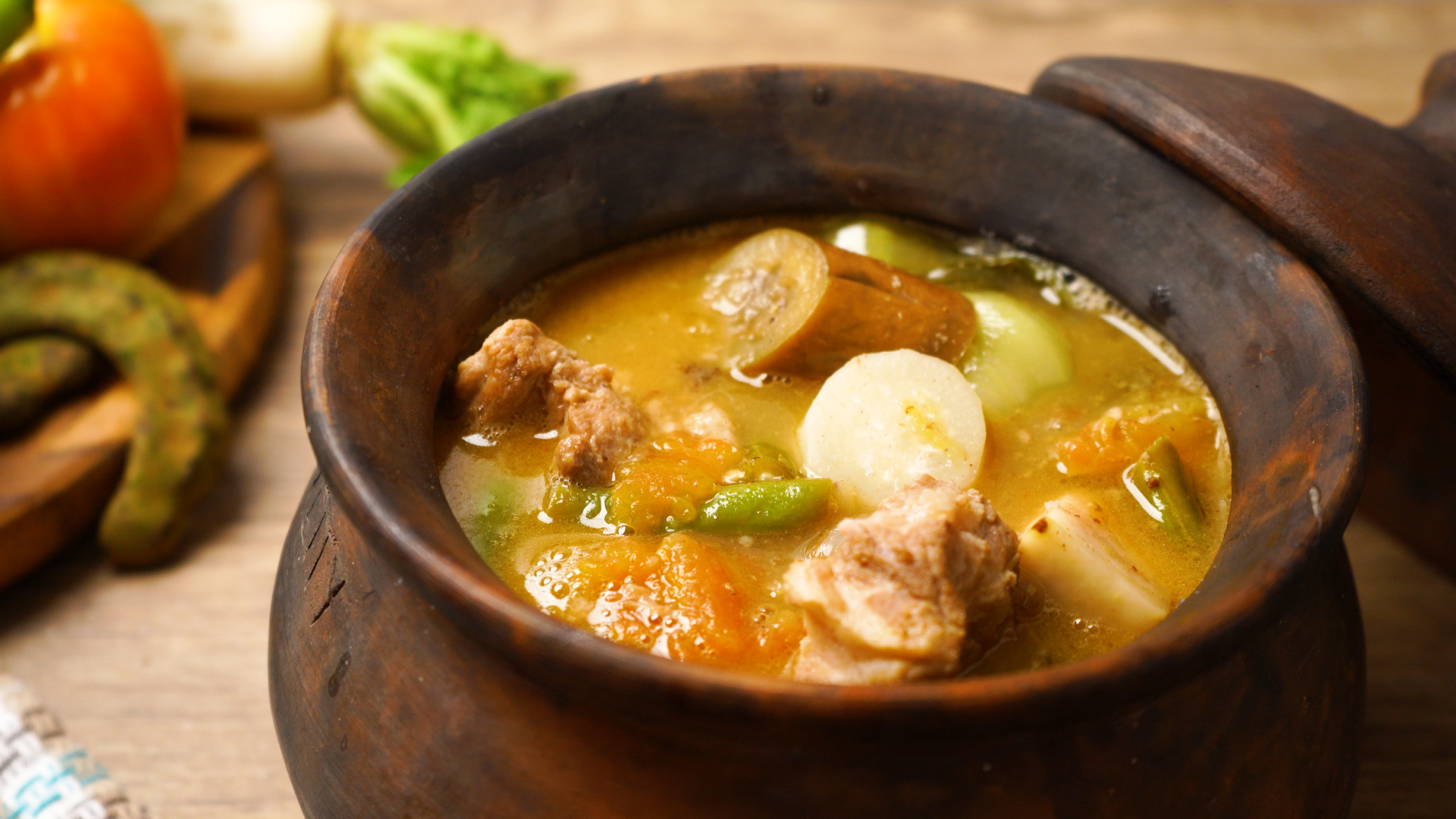

If there were ever a soup that could wake up your taste buds, fix your mood, and make plain rice feel like royalty, it would be sinigang na baboy. This beloved Filipino pork soup is sour, savory, cozy, and just dramatic enough to keep dinner interesting. One sip of that tangy broth and suddenly your kitchen feels like the smartest room in the house.
At its core, sinigang na baboy is a pork-and-vegetable soup built around a bright sour flavor, usually from tamarind. But calling it “just soup” is a little rude. Done right, it is a full experience: tender pork, soft tomatoes, crisp-tender vegetables, a broth with serious personality, and a bowl of steamed rice waiting nearby like a loyal best friend.
This guide will show you how to cook sinigang na baboy in a way that feels approachable, practical, and deeply satisfying. Whether you are making it for the first time or trying to improve your technique, this version covers the ingredients, the cooking order, the most common mistakes, and the little details that turn a decent pot into one you will think about the next day.
What Is Sinigang Na Baboy?
Sinigang na baboy is a Filipino sour pork soup made by simmering pork until tender, then adding tamarind and a mix of vegetables for a broth that tastes clean, rich, and pleasantly tart. The beauty of this dish is its balance. The pork brings depth and richness, while the tamarind cuts through that richness with a mouthwatering sour note.
Unlike heavy cream-based soups or thick stews, sinigang has a lighter broth. That does not mean it is weak. It means it knows exactly what it is doing. The broth should taste fresh and lively, not muddy or greasy. Every ingredient has a job: the tomatoes add sweetness and body, the onion lays the foundation, the radish gives mild peppery bite, and the greens soften into the broth at the end.
Best Ingredients for Sinigang Na Baboy
The Pork
The best cut depends on the kind of bowl you want. If you want rich, silky, almost luxurious soup, use pork belly or pork ribs. If you want something meatier with a little less fat, pork shoulder is a great choice. Neck bones and spare ribs are also excellent because they add flavor to the broth as they simmer.
For most home cooks, pork shoulder or pork ribs hit the sweet spot. They become tender without making the soup feel too heavy. Pork belly is delicious, but it can push the broth into “I need a nap immediately” territory if you use too much.
The Souring Agent
The traditional souring ingredient is tamarind. If you can find fresh tamarind, great. If not, tamarind paste or sinigang soup mix works beautifully. There is no need to be a kitchen martyr here. A good-quality tamarind mix is convenient, reliable, and very common in home cooking.
If tamarind is not available, some cooks use lemon, calamansi, green mango, or guava for a similar sour effect. Tamarind still gives the most classic sinigang soup recipe flavor, so use it when you can.
The Vegetables
A classic pot usually includes a mix of these:
- Tomatoes
- Onion
- Daikon radish
- Green beans or long beans
- Eggplant
- Okra
- Taro
- Water spinach, bok choy, spinach, or mustard greens
- Green chili peppers for gentle heat
You do not need every vegetable on the list. Sinigang is flexible. The real trick is adding them in stages so they cook properly. Nobody wants mushy green beans and exhausted spinach floating around like they gave up on life.
How to Cook Sinigang Na Baboy: Ingredients
Here is a balanced, home-friendly version that serves about 6 people:
- 2 1/2 pounds pork shoulder, pork ribs, or a mix, cut into serving pieces
- 1 large onion, quartered
- 3 medium tomatoes, quartered
- 8 cups water
- 1 large daikon radish, sliced into rounds
- 1 small eggplant, sliced into chunks
- 8 to 10 okra pods
- 2 cups green beans, cut into 2-inch pieces
- 2 to 3 cups water spinach, bok choy, or spinach
- 1 to 2 green chilies
- 1 packet sinigang mix or 3 to 4 tablespoons tamarind paste, plus more to taste
- 1 to 2 tablespoons fish sauce
- Salt and black pepper, to taste
- Steamed white rice, for serving
Step-by-Step Sinigang Na Baboy Recipe
1. Simmer the Pork
Place the pork, onion, tomatoes, and water in a large pot. Bring everything to a boil over medium-high heat, then reduce to a gentle simmer. Skim off any foam that rises to the top. This keeps the broth clearer and cleaner-tasting.
Let the pork simmer for about 45 to 60 minutes, or until tender. If you are using ribs or bone-in cuts, it may take a little longer. Be patient. Sinigang is not a speed date; it is a relationship.
2. Add the Souring Agent
Once the pork is tender, stir in the tamarind paste or sinigang mix. Start with a moderate amount, taste the broth, and add more if needed. The goal is a bright, mouthwatering sourness, not a broth so sharp it makes your eyebrows file a complaint.
Add fish sauce at this stage too. Fish sauce deepens the savory flavor and rounds out the broth. Taste again before adding salt, because fish sauce already brings salinity.
3. Add the Firmer Vegetables First
Add the radish and cook for about 5 minutes. Then add the eggplant and green beans. Let them simmer for another 4 to 5 minutes. If you are using taro, add it earlier with the radish since it takes longer to soften.
This staggered timing matters. The radish needs more time than the greens. The eggplant should become tender but not collapse into a purple memory.
4. Add the Quick-Cooking Vegetables Last
Add the okra, leafy greens, and chilies near the end. Cook for another 2 to 3 minutes, just until the greens wilt and the okra turns tender. Do not overcook this stage. Greens lose their freshness fast, and overcooked okra can become overly slimy.
5. Final Taste Test
Taste the broth one last time. Adjust with more tamarind for extra brightness, fish sauce for savory depth, or a little salt if needed. A good Filipino pork soup should taste layered: sour first, savory second, with a mellow pork richness underneath.
Tips for the Best Sinigang Na Baboy
Use Bone-In Pork for a Better Broth
Boneless pork works, but bone-in cuts usually make a more flavorful broth. The simmering bones help create that fuller, richer taste that makes people hover near the stove with a spoon.
Do Not Dump in Every Vegetable at Once
This is one of the biggest mistakes in how to make sinigang na baboy. Different vegetables cook at different speeds. Add them in stages so each one keeps its texture.
Taste as You Go
Tamarind products vary. Some are milder, some are punchier, and some act like they are auditioning for a lemon commercial. Add gradually and taste often.
Do Not Fear Fish Sauce
A little fish sauce does not make the soup “fishy.” It makes it taste fuller and more balanced. Think of it as the ingredient quietly doing quality control in the background.
Common Mistakes to Avoid
- Overboiling the pork: A hard boil can make the broth cloudy and the meat tougher than necessary.
- Adding too much souring agent too early: Start small, then adjust.
- Overcooking the vegetables: Sinigang should feel fresh, not tired.
- Underseasoning the broth: Sour alone is not enough. You need savory depth too.
- Skipping the rice: Technically allowed. Emotionally questionable.
What to Serve with Sinigang Na Baboy
The classic choice is steamed white rice. It balances the tart broth and makes the meal more filling. You can also serve the soup with a small dipping sauce of fish sauce and sliced chili if you want extra salt and heat.
If you are building a full Filipino-style meal, pair sinigang with grilled dishes, fried fish, or simple vegetables. But honestly, a hot bowl of pork sinigang and rice can absolutely carry dinner on its own.
How to Store and Reheat It
Leftover sinigang na baboy keeps well in the refrigerator for up to 3 days. The flavor often gets even better overnight. Reheat gently on the stove over medium-low heat until hot.
If you know you will have leftovers, consider slightly undercooking the vegetables so they do not get too soft during reheating. You can also store the greens separately and add fresh ones when warming the soup again.
Easy Variations
Sinigang Na Baboy with Gabi
Add taro for a slightly thicker, starchier broth. It makes the soup feel heartier and a little more substantial.
Spicy Sinigang
Use more green chilies or add sliced fresh hot peppers for extra kick. This works especially well if you like your sour soup with attitude.
Weeknight Shortcut Version
Use pork shoulder cut into smaller pieces and a packaged sinigang mix. You still get excellent flavor with less prep drama.
Why This Dish Works So Well
The brilliance of how to cook sinigang na baboy is that the recipe never relies on one note. It gives you richness from pork, freshness from vegetables, brightness from tamarind, depth from fish sauce, and comfort from hot broth and rice. It is light enough to keep eating, but satisfying enough to feel complete.
That contrast is what makes it memorable. A dish can be rich. A dish can be sour. A dish can be vegetable-packed. Sinigang somehow manages to be all three without becoming confused. Frankly, many recipes should take notes.
Experience: What It Feels Like to Cook and Eat Sinigang Na Baboy
One of the best things about making sinigang na baboy is that it feels generous from the start. You are not just cooking a piece of meat or throwing together a quick pan sauce. You are building a pot that changes in stages. First comes the smell of simmering pork, onion, and tomato. It is gentle and comforting, the kind of aroma that makes people wander into the kitchen and ask what is cooking even when they definitely already know.
Then the tamarind goes in, and that is when the whole mood changes. Suddenly the broth wakes up. The scent becomes brighter and sharper, but in a good way. It does not smell harsh. It smells alive. If you have never made a sour soup before, that moment can be a surprise. You taste it and realize this is not trying to be creamy, buttery, or heavy. It is trying to be refreshing and comforting at the same time, which is a neat trick.
Cooking this dish also teaches patience in a very practical way. The pork cannot be rushed if you want it tender. The vegetables cannot all go in together if you want good texture. Sinigang rewards attention, but not in a fussy way. It does not ask for fancy technique or expensive ingredients. It just asks you to notice what is happening in the pot. Is the broth sour enough? Are the radish slices tender? Are the greens still bright? It is the kind of recipe that helps you cook by instinct instead of blindly following a timer.
Eating it is just as satisfying. The first spoonful usually gives you that unmistakable tang, followed by the richness of pork and the sweetness of softened tomato. Then you add rice, and the whole bowl settles into balance. The rice catches the broth, the vegetables bring variety, and the meat makes it substantial. Every bite feels slightly different, which keeps the meal interesting until the bowl is empty.
There is also something deeply practical and emotional about this dish. It works on rainy days, busy weekdays, lazy Sundays, and those evenings when everyone wants “something warm” but no one can explain what that means. Sinigang somehow understands the assignment. It is comforting without being too heavy, flavorful without being complicated, and flexible enough to adapt to what is in your refrigerator.
For many home cooks, sinigang becomes the kind of recipe that improves with repetition. The first pot teaches you the structure. The second helps you understand your preferred level of sourness. By the third or fourth time, you start making small adjustments automatically, maybe using more radish, less okra, or an extra splash of fish sauce. That is when the recipe starts to feel like yours.
And that may be the most rewarding part of all. How to make sinigang na baboy is not just about following steps. It is about learning a rhythm: simmer, season, taste, adjust, serve. Once you get that rhythm, the dish stops feeling foreign or intimidating and starts feeling like something you can count on. A good pot of sinigang does not just feed people. It creates one of those meals where conversation slows down, rice bowls get refilled, and the kitchen somehow feels warmer long after the stove is turned off.
Conclusion
If you want a dish that is bold, comforting, and surprisingly easy to master, sinigang na baboy deserves a spot in your kitchen rotation. Start with good pork, build the broth patiently, use tamarind with confidence, and add the vegetables in the right order. That is really the secret. Once you understand the balance of sour, savory, and tender, this Filipino pork soup becomes less of a recipe and more of a reliable comfort meal you will want to make again and again.
SEO Tags