
A can-do attitude is not about walking around with a permanent smile glued to your face like a motivational poster that learned to breathe. It is not pretending problems are cupcakes, deadlines are spa days, or failure is “just vibes.” A true can-do attitude is much more practical: it is the trained habit of looking at a challenge and saying, “This may be difficult, but there is something useful I can do next.”
That little sentence changes everything. It moves your brain from panic to problem-solving, from helplessness to action, and from “Why me?” to “What now?” Whether you are trying to grow in your career, improve your health, study better, rebuild confidence, or simply stop arguing with your alarm clock every morning, developing a can-do mindset can help you become more resilient, focused, and adaptable.
The good news? A positive attitude is not a personality prize handed out at birth to cheerful people who own too many coffee mugs with inspirational quotes. It is a skill. You can build it with practice, feedback, self-awareness, healthy habits, and small wins stacked like mental Lego bricks.
What Is a Can-Do Attitude?
A can-do attitude is a proactive mindset that focuses on effort, learning, solutions, and personal responsibility. It does not mean believing you can do everything instantly. You probably cannot learn violin, fix your taxes, run a marathon, and make perfect sourdough by Friday. That is not positivity; that is a scheduling crime.
Instead, a can-do attitude means believing that your actions matter. It is closely connected to self-efficacy, which is your belief in your ability to handle tasks, influence outcomes, and keep going when things get messy. When your self-efficacy grows, you are more likely to try, persist, ask for help, and recover from setbacks.
Why a Can-Do Attitude Matters
Life rarely asks whether we feel ready. It simply drops a problem on the table and waits. A can-do attitude helps you respond with flexibility instead of freezing. It supports better stress management, stronger emotional resilience, healthier relationships, and more consistent progress toward goals.
People with a can-do mindset are not magically protected from disappointment. They still get rejected, tired, confused, and occasionally betrayed by printer paper jams. The difference is that they do not treat obstacles as final verdicts. They treat them as information.
How to Develop a Can-Do Attitude Step by Step
1. Replace “I Can’t” With “I Can Learn”
The phrase “I can’t” often sounds like a fact, but many times it is just fear wearing a lab coat. Try changing it to “I can learn,” “I can start,” or “I can ask someone who knows.” This tiny language shift helps your brain search for options instead of exits.
For example, instead of saying, “I can’t speak in public,” say, “I can practice a two-minute introduction.” Instead of “I can’t manage money,” try, “I can track my spending for seven days.” A can-do attitude grows when you stop demanding instant mastery and start respecting small progress.
2. Build a Growth Mindset
A growth mindset is the belief that abilities can improve through effort, better strategies, feedback, and persistence. This is the backbone of a can-do attitude. It helps you see mistakes as training data, not identity theft.
When you struggle, ask: “What strategy have I not tried yet?” Maybe you need a mentor, a tutorial, a simpler plan, more practice, or a break. Growth-minded people do not worship effort alone. They combine effort with learning. Running into the same wall repeatedly is not determination; it is a very dramatic way to meet drywall.
3. Start With Small Wins
Confidence is not built by thinking about giant achievements all day. It is built by keeping promises to yourself. Small wins create evidence that you are capable. Make your first step almost laughably doable.
Want to exercise? Walk for ten minutes. Want to write a book? Write one paragraph. Want to clean the house? Start with one drawer. Want to become more positive? Notice one thing that went right today. Small wins reduce resistance and make action feel possible.
4. Practice Realistic Positive Thinking
Real positive thinking is not denial. It does not say, “Everything is perfect,” when your inbox looks like a digital forest fire. It says, “This is stressful, and I can take one useful step.”
Realistic optimism acknowledges difficulty while focusing on controllable actions. Try this three-part method: name the problem, name what you can control, and choose one next move. For example: “I am behind on this project. I can control the next hour. I will outline the three most urgent tasks.”
5. Challenge Negative Self-Talk
Your inner critic may act like it is helping, but sometimes it is just a tiny unpaid intern throwing panic confetti. Negative self-talk can make challenges feel bigger and your abilities feel smaller. Start noticing phrases like “I always fail,” “I’m not good enough,” or “Everyone else is better.”
Then challenge them. Is the thought true? Is it useful? What would you say to a friend in the same situation? Replace harsh thoughts with accurate, constructive ones. “I failed once” is more truthful than “I always fail.” “I need more practice” is more useful than “I’m terrible at this.”
6. Set Clear and Achievable Goals
A vague goal is a wish wearing sneakers. To develop a can-do attitude, create goals that are specific, measurable, realistic, and time-bound. Instead of “I want to be more productive,” try “I will work on my most important task for 25 minutes before checking email.”
Clear goals give your motivation a map. They also make progress visible, which is important because your brain loves proof. Every checked box says, “See? We are moving.”
7. Surround Yourself With Solution-Oriented People
Your environment shapes your attitude more than you may realize. Spend enough time with people who complain professionally, and soon you may earn an honorary degree in hopelessness. Spend time with people who ask better questions, and your mindset starts to shift.
Look for friends, coworkers, mentors, or communities that encourage effort, honesty, responsibility, and growth. You do not need people who clap for every idea. You need people who help you think clearly, act bravely, and recover quickly.
8. Take Care of Your Body
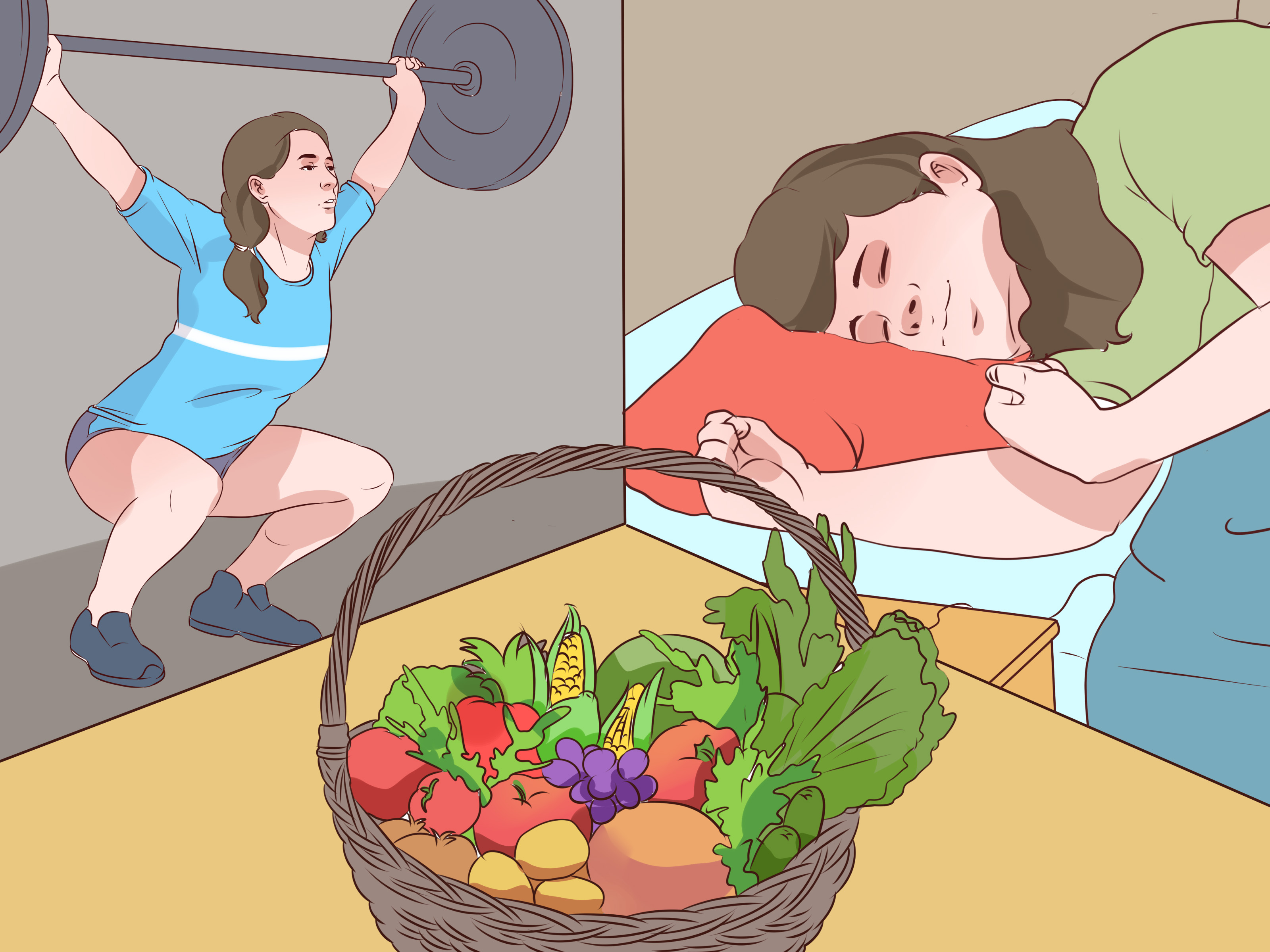
A can-do attitude is harder to maintain when you are sleep-deprived, dehydrated, motionless, and fueled entirely by caffeine and emotional support cookies. Your body and mindset are deeply connected.
Regular movement, enough sleep, balanced meals, hydration, and relaxation practices help your brain handle stress more effectively. You do not need a perfect wellness routine. Start with the basics: walk, stretch, breathe, eat something that once had a color other than beige, and go to bed before your phone asks if you are still watching.
9. Use Gratitude Without Ignoring Reality
Gratitude is not pretending life is easy. It is training your attention to notice what is still good, useful, meaningful, or supportive. This matters because stress can narrow your vision until all you see is the problem.
Try writing down three specific things you appreciate each day. Make them real, not fancy. “The coffee was hot.” “My friend checked in.” “I finished the report.” Over time, gratitude helps balance your mental spotlight so it does not shine only on what went wrong.
10. Learn From Setbacks
Setbacks are not proof that you should quit. They are feedback with terrible manners. After something goes wrong, avoid turning the event into a personal attack. Instead, review it like a coach watching game footage.
Ask: What happened? What did I control? What did I learn? What will I do differently next time? This turns failure into instruction. A can-do attitude does not erase disappointment; it gives disappointment a job.
Common Mistakes That Block a Can-Do Mindset
Waiting Until You Feel Confident
Many people wait for confidence before taking action. Unfortunately, confidence usually arrives after action, not before. It is like a shy guest who refuses to enter until the party has already started. Begin while uncertain. Confidence will catch up.
Confusing Positivity With Perfection
You can have a positive attitude and still have bad days. You can be motivated and still procrastinate. You can be resilient and still need help. A can-do attitude is not perfection; it is recovery.
Trying to Change Everything at Once
Too many goals can drain your energy. Choose one behavior to practice first. Maybe it is reframing negative thoughts, walking daily, asking better questions, or finishing one small task before noon. Focus creates momentum.
Practical Examples of a Can-Do Attitude
At work, a can-do attitude might sound like: “I do not know the answer yet, but I will research it and bring options.” In school, it might be: “This subject is hard, so I will study in smaller sessions and ask for feedback.” In personal life, it might be: “I cannot fix everything today, but I can make one phone call, clean one space, or take one healthy step.”
Notice the pattern. A can-do attitude does not require a superhero cape. It requires the willingness to choose the next constructive action.
A 7-Day Can-Do Attitude Practice Plan
Day 1: Track Your Self-Talk
Write down three negative thoughts you notice. Rewrite each one in a more realistic and helpful way.
Day 2: Complete One Small Win
Choose a task you can finish in 10 minutes. Complete it. Let your brain enjoy the evidence.
Day 3: Ask a Better Question
When a problem appears, ask, “What is one thing I can do?” instead of “Why is this happening to me?”
Day 4: Practice Gratitude
Write three specific things that went right, helped you, or taught you something.
Day 5: Request Feedback
Ask someone you trust for one suggestion that could help you improve. Listen without building a courtroom defense.
Day 6: Move Your Body
Take a walk, stretch, dance, or do any movement that reminds your brain you are not a statue with Wi-Fi.
Day 7: Review and Repeat
Look back at your week. What worked? What felt difficult? What small habit will you continue?
Real-Life Experiences: What Developing a Can-Do Attitude Looks Like
Developing a can-do attitude often starts in ordinary moments, not dramatic movie scenes with inspirational music swelling in the background. It may begin when you are staring at a messy desk, an overdue assignment, a difficult conversation, or a goal you have postponed so long it practically has its own birthday.
Imagine someone named Maya who wants to change careers. At first, she says, “I am too old to start over.” That thought feels final. It shuts the door before she even touches the handle. But Maya begins practicing a can-do mindset by changing the sentence to, “I can learn one new skill this month.” She signs up for a short online course, updates one section of her resume, and asks a former coworker for advice. Nothing magical happens overnight. No recruiter kicks down her door shouting, “We sensed your growth mindset!” But she starts moving. The movement creates confidence.
Or think about Daniel, who wants to become healthier. He has tried big fitness plans before and quit after a week, usually around the time burpees entered the conversation. This time, he chooses a smaller win: a 15-minute walk after dinner. After two weeks, he notices he sleeps better. After a month, he adds simple strength exercises. His can-do attitude grows because he stops treating health as a punishment and starts treating it as a series of doable choices.
There is also the student who struggles with math and says, “I am just not a math person.” A can-do attitude does not force her to declare undying love for algebra. It simply helps her say, “I do not understand this yet.” That word “yet” is small, but it opens a window. She reviews mistakes, asks questions, studies with a classmate, and learns one concept at a time. Progress becomes less about proving she is smart and more about becoming skilled.
In the workplace, a can-do attitude can change team culture. Consider an employee who receives a project with unclear instructions. A defeated mindset says, “This is impossible.” A can-do mindset says, “I need clarification, priorities, and a first draft.” That employee asks specific questions, breaks the project into milestones, and communicates early. The result is not just better performance; it is less stress for everyone involved.
Personal relationships benefit too. A can-do attitude helps people stop focusing only on who is right and start asking what would help. In a disagreement, it may sound like, “I am frustrated, but I want to understand you,” or “Let us solve the problem instead of collecting evidence for the emotional courtroom.” That shift can turn conflict into cooperation.
The experience of developing a can-do attitude is rarely smooth. Some days you will feel energized. Other days, your motivation will resemble a phone battery at 2 percent. That is normal. The goal is not to feel unstoppable every day. The goal is to build habits that help you continue even when motivation is hiding under the couch.
Over time, you may notice a quiet change. Challenges still look challenging, but they no longer look impossible. Feedback still stings, but it also teaches. Failure still disappoints, but it does not define you. You begin to trust yourself, not because you always win, but because you keep showing up with curiosity, courage, and a willingness to take the next step.
Conclusion
Learning how to develop a can-do attitude is not about becoming relentlessly cheerful or pretending life is easier than it is. It is about becoming more capable, flexible, and action-oriented. You build this mindset by changing your self-talk, setting clear goals, practicing gratitude, caring for your body, learning from setbacks, and surrounding yourself with people who encourage growth.
A can-do attitude gives you a practical way to face uncertainty. It reminds you that you do not need to solve the whole problem at once. You only need to find the next useful step. And then the next. And then the next. That is how confidence grows. That is how resilience is built. That is how “I can’t” slowly becomes “I’m learning.”