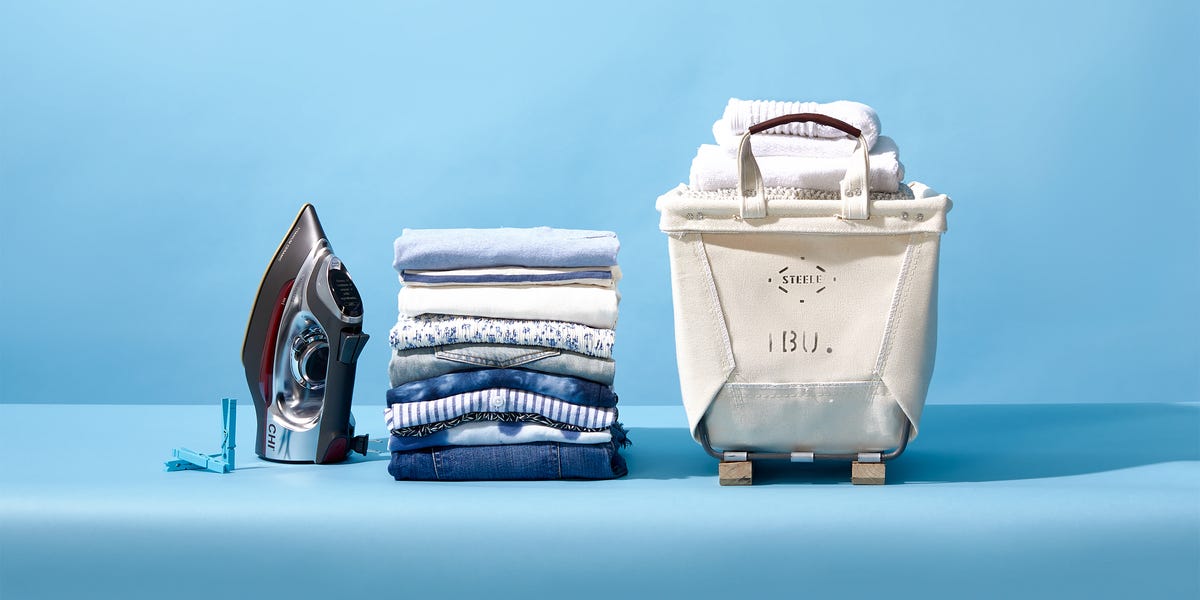

Doing laundry sounds simple until a white sock turns pink, a sweater shrinks into doll clothing, or your favorite black T-shirt comes out wearing a gray lint sweater of its own. The good news? Laundry is not magic. It is a repeatable system: read, sort, treat, wash, dry, fold, and put away. Once you understand the steps, your clothes last longer, smell fresher, and stop staging tiny fabric rebellions in the washer.
This guide explains how to do laundry step by step in standard, practical American English. Whether you are a college student facing a laundromat for the first time, a busy parent managing a mountain range of towels, or someone who simply wants clothes to look less “I slept in a suitcase,” this article will help you wash clothes correctly without overcomplicating the process.
Why Learning How to Do Laundry Correctly Matters
Laundry is not only about removing dirt. It is also about protecting fabric, keeping colors bright, preventing odors, saving energy, and avoiding accidental damage. A good laundry routine can extend the life of your clothes and reduce waste. The wrong routine can fade dark jeans, weaken elastic, set stains permanently, or make towels feel like sandpaper with an attitude problem.
The best laundry method depends on four things: the care label, the fabric type, the color, and the soil level. A sweaty gym shirt, a silk blouse, a white cotton towel, and a pair of dark jeans should not all be treated the same way. Laundry becomes much easier once you stop thinking of it as “one giant pile” and start thinking of it as small groups with similar needs.
Before You Start: Laundry Supplies You Need
You do not need a laboratory full of products to wash clothes well. A simple laundry setup works for most households.
- Laundry detergent: Choose a liquid, powder, pod, or sheet detergent suitable for your machine and clothing needs.
- Stain remover: Helpful for food, oil, sweat, makeup, grass, and mystery stains that no one in the house will admit to creating.
- Mesh laundry bags: Ideal for bras, lingerie, delicate tops, baby socks, and anything that likes to disappear.
- Drying rack: Useful for sweaters, athletic wear, delicates, and items that should not face dryer heat.
- Color-safe bleach or oxygen booster: Optional, but useful for brightening and odor control.
- Chlorine bleach: Optional and only for bleach-safe white fabrics when the care label allows it.
- Laundry baskets or hampers: Sorting becomes easier when your system starts before laundry day.
Step 1: Read the Care Label First
The care label is the tiny tag that quietly tries to save your clothes from disaster. It tells you whether the garment can be machine washed, hand washed, tumble dried, ironed, bleached, or dry cleaned. If the label says “dry clean only,” take that seriously. If it says “machine wash cold,” do not toss it into hot water just because you are feeling bold.
Common care instructions include machine wash cold, wash with like colors, tumble dry low, line dry, do not bleach, and cool iron. Laundry symbols may look like secret code from a fabric wizard, but they usually represent washing, bleaching, drying, ironing, and dry cleaning. When in doubt, choose the gentler option: cold water, gentle cycle, mild detergent, and air drying.
Step 2: Sort Laundry the Smart Way
Sorting laundry is where many people either win the day or accidentally create tie-dye. The goal is to group clothes that can safely be washed together.
Sort by Color
- Whites: White T-shirts, socks, towels, sheets, and underwear.
- Lights: Pastels, light gray, beige, cream, and pale prints.
- Darks: Black, navy, dark green, brown, charcoal, and deep red.
- Bright colors: New or bold colors that may bleed, such as red, purple, orange, and bright blue.
Sort by Fabric Type
Heavy items can damage lighter fabrics through friction. Wash towels, jeans, and sweatshirts separately from delicate blouses, thin T-shirts, and activewear. Denim, towels, and bedding usually need stronger washing action. Delicates need a gentler cycle and less heat.
Sort by Soil Level
Very dirty clothes should not be washed with lightly worn items. Muddy pants, greasy work shirts, sports uniforms, and heavily sweaty gym clothes need more cleaning power. Washing them with delicate or lightly soiled clothing may spread grime and odors instead of removing them.
Step 3: Prepare Clothes Before Washing
Before clothes go into the washer, take one minute to prep them. That minute can prevent snags, holes, pilling, and the classic “washed a tissue with everything” tragedy.
- Empty every pocket.
- Zip zippers to prevent snagging.
- Fasten hooks on bras and lingerie.
- Turn dark clothes, jeans, graphic tees, and printed items inside out.
- Shake out dirt, sand, pet hair, or grass outside if possible.
- Place delicates in mesh bags.
- Unroll socks and sleeves so water and detergent can reach the fabric.
Do not overload the washer. Clothes need room to move. If the washer is packed like a suitcase before a three-week vacation, detergent and water cannot circulate properly. The result is poor cleaning, trapped odors, detergent residue, and clothes that somehow look washed but smell suspicious.
Step 4: Pretreat Stains Before They Set
Stains are easier to remove before heat locks them in. Always check stained clothes before washing and especially before drying. Dryer heat can set many stains permanently.
How to Pretreat Common Stains
- Food stains: Scrape off excess food, rinse from the back of the fabric with cool water, and apply detergent or stain remover.
- Oil and grease: Blot gently, apply a small amount of dish soap or laundry detergent, let it sit briefly, then rinse before washing.
- Sweat stains: Pretreat underarms with detergent or an enzyme-based stain remover.
- Blood stains: Use cold water, not hot. Hot water can set protein stains.
- Grass stains: Use detergent or stain remover and gently work it into the fabric before washing.
- Coffee or tea: Rinse with cool water and pretreat before laundering.
Be gentle when treating stains. Scrubbing aggressively can damage fibers and spread the stain. Blot, rinse, pretreat, and allow the product time to work according to the label directions.
Step 5: Choose the Right Detergent
Most everyday laundry can be cleaned with a quality all-purpose detergent. Enzyme detergents are especially helpful for body oils, food stains, sweat, and protein-based grime. If you have sensitive skin, fragrance-free and dye-free detergents may be a better choice.
Use the correct amount. More detergent does not mean cleaner clothes. In fact, too much detergent can leave residue, trap odors, make fabrics feel stiff, and cause buildup in the washer. Measure based on load size, soil level, water hardness, and the detergent label. If using pods, place them in the washer drum before adding clothes unless your washer manual says otherwise.
Step 6: Load the Washer Correctly
Loading the washer properly helps clothes get clean and prevents machine strain. For a top-load washer, distribute clothes evenly around the drum or agitator. For a front-load washer, loosely fill the drum without packing items tightly. A good rule: clothes should have enough space to tumble.
Keep large and small items mixed within the same fabric group. For example, washing one heavy bath mat alone can unbalance the washer. Pair towels with towels, but avoid stuffing the machine until the door barely closes. Your washer is an appliance, not a wrestling opponent.
Step 7: Pick the Best Water Temperature
Water temperature matters, but modern laundry does not always require hot water. Cold water is often the safest default for everyday clothing because it helps reduce shrinking, fading, and color bleeding. It also saves energy.
- Cold water: Best for dark colors, bright colors, delicate fabrics, lightly soiled clothes, activewear, and items that may shrink.
- Warm water: Good for synthetic fabrics, moderately dirty clothes, light-colored clothing, and many everyday loads.
- Hot water: Best for durable white cottons, towels, sheets, underwear, and very dirty washable items when the care label allows it.
When someone in the household is sick, follow the garment label and use the warmest appropriate water setting. Dry items completely. Wash your hands after handling dirty laundry, and clean hampers or baskets when needed.
Step 8: Select the Right Washer Cycle
The washer cycle controls agitation, spin speed, and wash time. Choosing the right cycle protects clothes and improves cleaning.
- Normal cycle: Good for cottons, mixed everyday clothing, sheets, and most regular loads.
- Heavy-duty cycle: Best for towels, jeans, work clothes, and heavily soiled items.
- Delicate or gentle cycle: Use for lingerie, thin fabrics, lace, washable silk-like garments, and items in mesh bags.
- Permanent press: Useful for wrinkle-prone synthetic fabrics and office clothing.
- Quick wash: Good only for small, lightly soiled loads. It is not a miracle button for muddy soccer uniforms.
Step 9: Dry Clothes Without Ruining Them
Drying is where many laundry mistakes happen. Heat can shrink fabric, fade color, weaken elastic, and damage delicate fibers. Always check the care label before using the dryer.
- Tumble dry low: Safer for many everyday garments and synthetic fabrics.
- Tumble dry medium: Works for sturdy casual clothes when the care label allows it.
- Tumble dry high: Best reserved for durable towels, sheets, and heavy cotton items.
- Air dry: Best for sweaters, bras, delicate tops, activewear, wool, rayon blends, and anything prone to shrinking.
Remove clothes promptly when the dryer finishes to reduce wrinkles. Clean the lint trap before every dryer load. A clogged lint trap slows drying and can become a safety hazard. For items that wrinkle easily, shake them out before drying and fold or hang them immediately afterward.
Step 10: Fold, Hang, and Store Clothes Properly
Laundry is not truly finished until clothes are put away. Sorry, chair pile enthusiasts. Folding and storing clothes correctly keeps them fresh, prevents wrinkles, and makes your closet easier to use.
Fold T-shirts, jeans, pajamas, workout clothes, and towels. Hang button-down shirts, dresses, blouses, trousers, jackets, and wrinkle-prone items. Store sweaters folded instead of hanging them, because hangers can stretch the shoulders. Make sure clothes are fully dry before storing them, or you may invite mildew odor to move in rent-free.
Common Laundry Mistakes to Avoid
- Using too much detergent: This can leave residue and trap odors.
- Washing everything together: Colors, fabrics, and soil levels matter.
- Ignoring care labels: The tag is small, but it has authority.
- Overloading the washer: Clothes need space to move and rinse.
- Drying stained clothes: Heat can set stains permanently.
- Using hot water on everything: Hot water can shrink, fade, or damage fabrics.
- Forgetting the lint trap: Clean it every time.
- Leaving wet clothes in the washer: This causes musty smells fast.
Special Laundry Situations
How to Hand-Wash Clothes
Hand-washing is best for delicate fabrics, bras, sweaters, lace, and items labeled hand wash. Fill a clean sink or basin with cool water and a small amount of gentle detergent. Add the garment, swish gently, and let it soak for a few minutes. Rinse with cool water until the water runs clear. Press out water without wringing, then lay flat on a towel to dry.
How to Wash Whites
Wash whites separately from colors. Use warm or hot water only if the care label allows it. For dingy whites, pretreat stains, use a detergent with whitening ingredients, and consider oxygen bleach. Use chlorine bleach only on bleach-safe fabrics and never pour it directly onto clothing.
How to Wash Dark Clothes
Turn dark clothes inside out, use cold water, choose a gentle or normal cycle depending on fabric, and avoid over-drying. Wash darks with darks to reduce lint transfer and fading. A black shirt deserves better than becoming charcoal-gray after three washes.
How to Wash Towels
Wash towels separately from clothing when possible. Towels produce lint and need enough space to rinse well. Use warm water for regular towel loads and hot water for durable white towels if the care label allows it. Avoid using too much fabric softener because it can reduce absorbency over time.
How to Wash Activewear
Activewear holds sweat, body oils, and odors. Turn items inside out, wash in cold water, and avoid high dryer heat. Skip fabric softener because it can coat performance fibers and reduce moisture-wicking ability. Air drying is often the safest choice.
A Practical Laundry Schedule
If laundry overwhelms you, create a schedule instead of waiting for the hamper to become a fabric volcano. A single person may do laundry once or twice a week. A family may need small loads throughout the week. Try assigning categories to days: towels on Monday, clothes on Wednesday, bedding on Saturday. The best schedule is the one you will actually follow.
Use separate hampers for whites, darks, towels, and delicates. This makes laundry day faster because sorting happens automatically. Also, put stain remover near the hamper so stains can be treated before they become permanent residents.
Real-World Laundry Experience: What Actually Works
Here is the honest truth from real-life laundry experience: the perfect system is not the fanciest one. It is the one that survives busy mornings, late nights, forgotten gym bags, and the mysterious ability of socks to enter another dimension. The most useful laundry habit is sorting as you go. Having two or three hampers may not look glamorous, but it saves time and prevents the dreaded “Can I wash this red hoodie with white towels?” moment.
Another practical lesson is that cold water solves more problems than people expect. For everyday shirts, jeans, casual pants, pajamas, and lightly worn clothing, cold water is usually enough when paired with a good detergent. It helps protect colors and reduces the risk of shrinking. Warm water still has a place for dirtier loads, and hot water is useful for sturdy towels and certain hygiene situations, but most regular laundry does not need to be blasted like it insulted your family.
Pretreating stains early is also a game changer. A coffee splash on Monday is much easier to fix on Monday than after it has been washed, dried, folded, worn again, and emotionally adopted by the shirt. Keep a stain remover where you undress or near the laundry basket. Treat the stain, let it sit according to the product directions, and wash later. This tiny habit saves clothes.
The dryer deserves respect too. Many people ruin clothes not in the washer, but in the dryer. High heat can make elastic tired, shrink cotton, roughen towels, and age activewear. Pulling out delicate items before the dryer and using a drying rack can add months or years to clothing life. Sweaters should usually dry flat. Bras should air dry. Graphic tees last longer when dried on low or hung up.
Finally, laundry becomes easier when you stop trying to finish everything at once. A load washed, dried, folded, and put away is better than five loads washed and abandoned in baskets like textile paperwork. Start with one complete load. Put it away before starting the next if clutter bothers you. Laundry is not a personality test. It is just a household routine, and the best routine is one that keeps your clothes clean without taking over your life.
Conclusion
Learning how to do laundry step by step is one of those life skills that pays off every week. Read the care label, sort by color and fabric, pretreat stains, choose the right detergent, avoid overloading the washer, pick the correct water temperature and cycle, dry carefully, and put clothes away when they are fully dry. Once these habits become automatic, laundry stops feeling like a guessing game and starts feeling like a simple routine.
The secret is not perfection. The secret is consistency. Treat clothes according to their needs, use less heat when unsure, measure detergent properly, and never underestimate the destructive power of one red sock in a white load. Your clothes will look better, smell fresher, and last longerand your laundry basket might finally stop judging you from the corner.
Note: This article is written as a practical web-ready guide based on widely accepted U.S. laundry care, fabric care, appliance-use, cleaning, and household hygiene recommendations. Always follow the care label on each garment and the instructions for your specific washer, dryer, detergent, bleach, and stain-removal products.